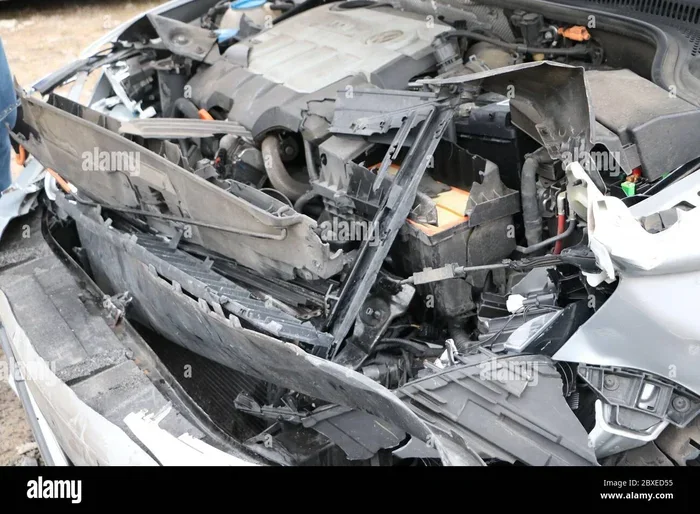
Can a Car Actually Be Totaled Due to Mechanical Failure
Yes, a car can be totaled due to mechanical failure when repair costs exceed its actual cash value. Insurance companies use a total loss threshold to decide if a vehicle is a write-off. Understanding this process helps you navigate claims and protect your investment.
Can a car be totaled due to mechanical failure? The short answer is yes. Many drivers assume total loss only happens after a bad crash, but a severe mechanical failure can push a vehicle into total loss territory just as easily. When a car breaks down on the highway or a critical component fails without warning, the repair bill can skyrocket. Insurance companies evaluate the cost of repairs against the vehicle’s current market value. If the repairs exceed that value, the insurer declares a total loss. This article explains exactly how that works, what to expect, and how you can protect yourself.
Understanding total loss rules gives you power. You’ll know when to fight for fair compensation and when to accept the outcome. I’ll walk you through the claims process, common mechanical failures, and the difference between a salvage title and a rebuilt title. By the end, you’ll feel confident handling a mechanical total loss situation.
Key Takeaways
- Mechanical failure can total a car: Insurers total a vehicle if repairs cost more than its market value.
- Total loss depends on your policy: Comprehensive and collision coverage determine what’s paid for mechanical breakdowns.
- Actual cash value matters: Depreciation reduces your car’s worth, making total loss more likely for older vehicles.
- Salvage and rebuilt titles apply: A totaled car may receive a salvage title and later be rebuilt.
- Act quickly after a breakdown: Document everything and contact your insurer immediately to start the claim process.
- Prevent surprises with regular maintenance: Routine inspections can catch issues before they lead to a total loss.
📑 Table of Contents
What Does It Mean When a Car Is Totaled?
A totaled vehicle is one that an insurance company decides is not worth repairing. The insurer pays you the actual cash value of the car instead of paying for fixes. This decision is based on a simple math equation: repair costs plus salvage value must exceed the vehicle’s market value. If that happens, the car is a total loss.
The total loss threshold varies by state. Some states use a strict 75% rule, meaning repairs must cost more than 75% of the car’s value to total it. Others use a threshold of 50% or 100%. Insurance adjusters also consider the vehicle’s age, mileage, and pre-accident condition. A 15-year-old sedan with 200,000 miles will likely total faster than a newer SUV with low mileage.
Total Loss vs. Repairable Damage
Not every expensive repair leads to a total loss. A blown engine might cost $5,000 to replace, but if the car is worth $20,000, the insurer will pay for the repair. However, if that same car is worth $6,000, the $5,000 repair pushes it over the edge. The adjuster then totals the vehicle. This distinction is crucial for understanding why mechanical failure can lead to a total loss even without a collision.
Can Mechanical Failure Really Total a Car?
Yes, mechanical failure can absolutely total a car. A catastrophic engine seizure, a transmission that fails completely, or a frame that twists due to a mechanical defect can cause damage so severe that repairs become uneconomical. These events are not caused by an accident; they happen because of wear, manufacturing defects, or lack of maintenance.
Consider a scenario where a seized engine cracks the engine block. The repair involves a full engine replacement, labor, and potentially new mounts and hoses. The bill can easily reach $8,000 or more. If the car’s actual cash value is $7,000, the insurer will total it. The same applies to a transmission failure that requires a complete overhaul. Mechanical breakdowns often hit suddenly and without warning, leaving drivers with huge repair estimates and a totaled vehicle.
Common Mechanical Failures That Lead to Total Loss
- Engine failure: A seized engine or cracked block often requires a full replacement.
- Transmission failure: Rebuilding or replacing a transmission can cost thousands.
- Frame damage from mechanical stress: A failed suspension component or a severe overheating event can warp the frame.
- Electrical system meltdown: A short circuit can destroy wiring harnesses and control modules, making the car unsafe to drive.
- Coolant system catastrophe: A blown head gasket or cracked radiator can lead to extensive internal engine damage.
These failures are often covered under a comprehensive auto insurance policy or a mechanical breakdown protection plan. Collision coverage does not apply because no crash occurred. This distinction matters when you file a claim.
How Insurance Companies Decide a Total Loss
Insurance adjusters follow a specific process to determine if a vehicle is a total loss. They do not guess. They use data, repair estimates, and market analysis. Understanding this process helps you advocate for a fair outcome.
The Total Loss Formula
The adjuster first gets a repair estimate from a certified mechanic. Then they calculate the salvage value—the amount a junkyard or parts dealer would pay for the damaged car. Finally, they compare the sum of repair costs plus salvage value to the vehicle’s actual cash value. If the repair cost alone exceeds the actual cash value, the car is totaled. If repair costs plus salvage value exceed the actual cash value, the car is also totaled.
| Scenario | Repair Cost | Actual Cash Value | Decision |
|---|---|---|---|
| Minor mechanical issue | $1,200 | $8,000 | Repairable |
| Major engine failure | $6,500 | $5,000 | Total Loss |
| Transmission + electrical failure | $7,200 | $6,000 | Total Loss |
| Frame damage from overheating | $9,000 | $7,500 | Total Loss |
The table shows how quickly a mechanical failure can push a car into total loss. Even a relatively low repair cost can total an older vehicle with low market value.
What Is Actual Cash Value?
Actual cash value is not what you paid for the car. It is the fair market value at the time of the breakdown. Insurers use third-party valuation tools that consider make, model, year, mileage, condition, and local market trends. Depreciation plays a big role. A car loses value every year it ages. This is why older cars with mechanical failures are more likely to be totaled.
What Happens After a Car Is Totaled for Mechanical Reasons?
Once your insurer declares a total loss, they issue a payment for the actual cash value minus your deductible. The title is transferred to the insurer, and the vehicle is usually sent to a salvage yard. You can keep the car if you want, but the payout is reduced by the salvage value. In many states, the insurer then issues a salvage title.
Salvage Title vs. Rebuilt Title
A salvage title means the vehicle was declared a total loss. It cannot be registered or driven legally in its damaged state. A rebuilt title means the car has been repaired and passed a safety inspection. You can register and drive a rebuilt title vehicle, but its resale value drops significantly. Buyers know that a rebuilt title car once had major mechanical or structural damage.
If you plan to repair the car yourself, you must follow your state’s rules for rebuilding. You’ll need a rebuilt inspection, new VIN verification, and proof of repairs. This process can be time-consuming and expensive. Sometimes the cost of rebuilding a mechanically failed car exceeds the value of a similar running vehicle.
The Claim Process for Mechanical Total Loss
Filing a claim for a mechanical total loss is similar to filing after an accident, but the details differ. You start by contacting your insurance company and reporting the breakdown. Provide photos, the mechanic’s diagnosis, and the repair estimate. The adjuster will arrange an inspection or ask for a vehicle appraisal. Be ready to answer questions about maintenance history and the cause of the failure.
Quick Tips for a Smooth Claim:
- Document the breakdown with photos and videos of the vehicle and the problem.
- Get a written repair estimate from a licensed mechanic before the insurer inspects.
- Keep records of all maintenance and service receipts to prove the car was well cared for.
- Do not agree to a quick settlement without understanding the actual cash value calculation.
- Ask the adjuster how they determined the total loss threshold for your state.
How to Protect Yourself from a Total Loss Due to Mechanical Failure
You cannot prevent every mechanical failure, but you can reduce the risk of a total loss. Regular maintenance is your best defense. Follow the manufacturer’s service schedule for oil changes, coolant flushes, transmission fluid replacements, and belt inspections. Catching a small issue early can stop it from becoming a catastrophic failure that totals the car.
Extended Warranties and Mechanical Breakdown Coverage
An extended warranty or a mechanical breakdown protection plan can save you from a massive repair bill. These plans cover the cost of parts and labor for specific components like the engine, transmission, and electrical system. If a covered component fails, the warranty pays for repairs, keeping the car on the road and out of total loss territory.
Before buying an extended warranty, read the fine print. Look for exclusions, coverage limits, and deductibles. Some plans cover only specific parts, while others are comprehensive. A warranty does not guarantee you’ll never face a total loss, but it can make the difference between a repairable breakdown and a write-off.
Common Mistakes That Increase Total Loss Risk
- Ignoring warning signs: Unusual noises, overheating, or warning lights are not minor issues. They signal a problem that can escalate quickly.
- Skipping routine maintenance: Neglecting oil changes or coolant flushes accelerates wear on internal components.
- Driving with known issues: Continuing to drive a car with a known mechanical problem can turn a $500 repair into a $5,000 repair or a total loss.
- Not understanding your policy: Many drivers assume collision coverage pays for mechanical failure. It does not. Comprehensive coverage or a separate warranty is needed.
- Failing to document the breakdown: Without photos and a mechanic’s report, the insurer may deny the claim or offer a low payout.
Expert Insight: “The most common mistake I see is drivers assuming their insurance will cover a mechanical breakdown without the right coverage,” says Sarah Lin, a licensed auto insurance advisor. “Mechanical failure total losses are only covered if you have comprehensive coverage or a mechanical breakdown protection plan. Collision coverage only applies to accidents.”
Key Takeaways
- Mechanical failure can total a car: When repair costs exceed the actual cash value, the insurer declares a total loss.
- Comprehensive coverage is essential: It covers mechanical breakdowns that are not caused by a collision.
- Actual cash value determines the payout: Older, high-mileage vehicles are more likely to be totaled for the same repair cost.
- Salvage and rebuilt titles affect resale: A totaled car can be repaired and re-registered, but it loses significant value.
- Prevention is possible: Regular maintenance and extended warranties reduce the chance of a mechanical total loss.
- Act fast after a breakdown: Document everything and contact your insurer immediately to protect your claim.
Conclusion
Can a car be totaled due to mechanical failure? Absolutely. A severe engine seizure, transmission failure, or frame damage from a mechanical defect can push repair costs beyond the vehicle’s actual cash value. Insurance companies use a total loss threshold to decide when a car is a write-off. Understanding this process empowers you to make informed decisions when a breakdown occurs.
Regular maintenance, extended warranties, and the right insurance coverage are your best tools to avoid a total loss. If your car does suffer a mechanical failure that leads to a total loss, act quickly, document everything, and work closely with your adjuster. The payout may not replace your dream car, but it gives you the financial runway to move forward. Stay proactive, stay informed, and keep your vehicle running safely for as long as possible.
Frequently Asked Questions
Is mechanical failure covered by car insurance?
It depends on your policy. Standard collision coverage does not cover mechanical breakdowns. Comprehensive coverage or a separate mechanical breakdown protection plan is required. Check your policy details to confirm what is included.
What is the difference between a total loss due to an accident and a total loss due to mechanical failure?
An accident total loss involves physical damage from a collision. A mechanical total loss results from a breakdown like an engine seizure or transmission failure. The total loss formula is the same, but the cause and the type of insurance coverage that applies differ.
Can I keep my car if it is totaled for mechanical reasons?
Yes, you can keep a totaled car if you accept a reduced payout equal to the actual cash value minus the salvage value. You will then need to obtain a salvage title and follow your state’s rules for rebuilding and re-registering the vehicle.
How does depreciation affect a total loss claim for mechanical failure?
Depreciation lowers the actual cash value of your car over time. An older vehicle with high mileage has a lower market value, so even a moderate repair cost can exceed that value and result in a total loss. Newer cars have higher actual cash values, making them less likely to be totaled for the same repair.
What should I do immediately after a mechanical breakdown that might total my car?
Stop driving the vehicle if it is unsafe. Take photos and videos of the damage and the problem. Get a written repair estimate from a licensed mechanic. Contact your insurance company right away and provide all documentation. Do not agree to a settlement until you understand the actual cash value calculation.
Will a salvage title affect my ability to get insurance for a rebuilt car?
Yes, a salvage title can make insurance harder to find and more expensive. Many insurers offer limited coverage for rebuilt title vehicles. You may need to provide proof of repairs and a rebuilt inspection to qualify for a policy.