Why 35 Percent Window Tint Is the Most Popular Choice
35 percent window tint is the go-to shade for drivers who want a perfect balance of style, comfort, and legality. This popular tint shade blocks harmful UV rays, reduces solar heat, and adds a sleek look to any vehicle. Whether you drive a daily commuter or a weekend cruiser, 35% window tint delivers real results. It is dark enough to look great but light enough to stay within most legal tint limits. Let us break down exactly why so many car owners choose this shade.
You have probably noticed that a lot of cars on the road have a medium-dark shade on their windows. That shade is often 35 percent window tint, and for good reason. It has become the most popular choice among car owners for a very simple reason. It hits the sweet spot between looking great and working great. If you are thinking about tinting your car, this guide covers everything you need to know.
Window tinting is not just about making your car look cool. It is about protecting yourself, your passengers, and your vehicle’s interior. Harmful UV rays, extreme heat, and glare can all cause real problems over time. 35% window tint addresses all of these issues without crossing into territory that might get you pulled over. Let us dive into why this shade has earned its spot as the top pick.
Key Takeaways
- Balanced Performance: 35 percent window tint offers excellent UV protection and heat rejection without going too dark.
- Legal-Friendly: Most states allow 35% tint on rear windows, making it a safe and compliant choice.
- Interior Protection: This shade significantly reduces fading and cracking of your car’s interior surfaces.
- Glare Reduction: Driving with 35% tint cuts down on harsh sunlight and headlight glare at night.
- Affordable Upgrade: Compared to darker tints, 35% film is often more budget-friendly and easier to install.
- Sleek Appearance: The shade gives your car a polished, finished look without looking overly tinted.
- Easy Maintenance: 35% tint is simple to clean and holds up well over time with basic care.
📑 Table of Contents
- What Is 35 Percent Window Tint?
- Benefits of Choosing 35 Percent Window Tint
- How 35 Percent Tint Compares to Other Shades
- Legal Considerations for 35 Percent Window Tint
- Installation Tips and What to Expect
- Common Mistakes to Avoid When Tinting Your Windows
- Is 35 Percent Window Tint Worth the Investment?
- Key Takeaways
- Conclusion
What Is 35 Percent Window Tint?
When we talk about 35 percent window tint, we are referring to the visible light transmission, or VLT, of the film. VLT measures how much light the tint allows to pass through your windows. A 35% tint means that 35% of light gets through, and 65% gets blocked. This makes it a medium shade, darker than a clear or very light film but lighter than a very dark tint.
The automotive tint film used for this shade is typically made from polyester and dyed or metallized layers. Different brands use different combinations of materials. Some window tint films are dyed, some are metallic, and others use ceramic technology. Each type has its own benefits, but they all come in the 35% VLT option. This versatility is one reason the shade is so widely available.
How VLT Works
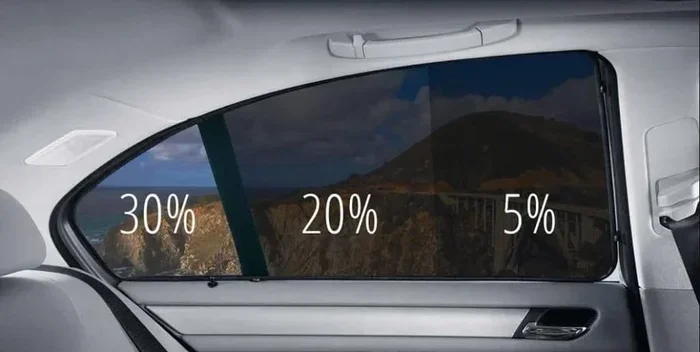
Understanding VLT is key to picking the right tint. The lower the VLT number, the darker the tint. Here is a quick breakdown of common shades:
- 5% VLT: Very dark, often called “limo tint.” Barely any light passes through.
- 20% VLT: Dark shade. Hard to see through from the outside.
- 35% VLT: Medium shade. Good visibility with noticeable tinting.
- 50% VLT: Light shade. Blocks some heat but looks almost clear.
As you can see, 35 percent window tint sits in the middle of the pack. It gives you a visibly tinted look without going too dark. This is exactly what makes it so appealing to a wide range of drivers.
Benefits of Choosing 35 Percent Window Tint
There are many reasons why 35% window tint has become the crowd favorite. Let us look at the biggest benefits that car owners love.
UV Protection for You and Your Passengers
One of the top reasons people tint their windows is UV protection. The sun sends out harmful ultraviolet rays that can damage your skin over time. Even on cloudy days, UV rays pass through your car windows. A quality 35 percent window tint film can block up to 99% of UV radiation. This is a big deal for people who spend a lot of time driving.
Long-term sun exposure can lead to skin damage and even increase the risk of skin cancer. By blocking these rays, tinted windows help keep you and your family safer. This is especially important for kids and anyone with sensitive skin.
Heat Rejection and Comfort
Have you ever sat in a parked car and felt like the seats were melting? That is solar heat doing its damage. 35 percent window tint significantly reduces the amount of heat that enters your car. Most high-quality films reject between 50% and 70% of solar energy.
This means your car stays cooler on hot days. You do not have to blast the air conditioning as hard, which actually improves your fuel economy. Less AC usage means less strain on your engine over time. It is a win-win situation for comfort and savings.
Glare Reduction for Safer Driving
Glare from the sun and from other vehicles’ headlights can be dangerous. It strains your eyes and makes it harder to see the road. 35% window tint cuts down on this glare significantly. You will notice a difference during early morning drives, late afternoon commutes, and nighttime driving.
Less glare means less eye fatigue. Over long drives, this can make a real difference in how comfortable and alert you feel. Many drivers report that they feel safer on the road after tinting their windows.
Privacy and Security
While 35% tint is not the darkest option, it still provides a good level of privacy tint. People on the outside cannot easily see into your car. This is especially useful when you park in busy areas or leave valuables in your vehicle.
The added privacy also gives drivers a sense of security. You do not have to worry about people staring into your car at stoplights or in parking lots. It is a subtle but meaningful benefit that many people overlook.
Interior Protection
Your car’s interior takes a beating from the sun every single day. The dashboard, seats, and trim can fade, crack, and deteriorate over time. 35 percent window tint acts as a shield against this damage. By blocking a large portion of UV and infrared rays, it helps preserve the look and condition of your interior.
This is especially important for car owners who want to maintain the resale value of their vehicle. A well-preserved interior looks much better and commands a higher price when it is time to sell. Think of tint as an investment in your car’s long-term appearance.
How 35 Percent Tint Compares to Other Shades
Not all window tint darkness levels are the same. Each shade has its own strengths and weaknesses. Let us compare 35% tint to some other popular options so you can see why it stands out.
Comparison Table: Popular Tint Shades
| Tint Shade | VLT Percentage | UV Protection | Heat Rejection | Legal Status | Best For |
|---|---|---|---|---|---|
| 50% Tint | 50% | Moderate | Low | Legal everywhere | Subtle look, light heat reduction |
| 35% Tint | 35% | High | Moderate to High | Legal on most windows | Balanced style and function |
| 20% Tint | 20% | High | High | Restricted in many states | Dark look, maximum privacy |
| 5% Tint | 5% | High | Very High | Illegal for most front windows | Maximum darkness, limo style |
Why 35% Beats the Rest for Most Drivers
The 50% tint is very light and almost looks clear. It does not provide much of a visual change, and the heat rejection is minimal. The 20% and 5% tints are darker and offer more privacy, but they can be illegal on front side windows in many states. They also reduce visibility more, which can be a safety concern.
35 percent window tint gives you the best of both worlds. It is dark enough to look stylish and function well, but light enough to stay legal in most places. For the average driver, this is the most practical and versatile choice. You get excellent benefits without the drawbacks that come with darker shades.
Quick Tip: Check Your State Laws
Before you commit to any tint shade, check your local window tint laws. Laws vary by state and even by county. Some states allow 35% on all windows, while others restrict it to rear windows only. Always verify the legal tint limit in your area before making a purchase. Getting caught with illegal tint can result in fines and having to remove the film.
Legal Considerations for 35 Percent Window Tint
One of the biggest concerns car owners have about tinting is staying on the right side of the law. Window tint laws exist in almost every state, and they can be strict. Understanding these rules helps you make a smart choice without any headaches.
Front Side Windows vs. Rear Windows
Most states have different rules for front side windows and rear windows. For front side windows, many states require a VLT of 70% or higher. This means that 35% tint is usually not legal on the driver and passenger front windows in those states.
However, rear windows and the back windshield often have more relaxed rules. In many places, 35% tint is perfectly legal on the rear seats and back glass. Some states allow it on all windows. Always double-check your local regulations to be sure.
Common Legal Requirements
- Front side windows must allow at least 70% light transmission in many states.
- Rear side windows can often be tinted to 35% or darker.
- Most states require a dual side mirror if the rear window is tinted.
- Some states ban metallic or mirrored tint finishes.
- Medical exemptions may allow darker tints for certain conditions.
What Happens If You Get Caught?
Driving with illegal tint can lead to a citation and a fine. In some cases, you may be required to remove the tint before your vehicle inspection passes. To avoid these issues, stick with the legal tint limit in your area. If you are unsure, ask your tint installer. A reputable shop will know the local laws and help you stay compliant.
Installation Tips and What to Expect
Installing 35 percent window tint is a process that requires patience and skill. While some people try DIY kits, professional installation is highly recommended for the best results.
What the Installation Process Looks Like
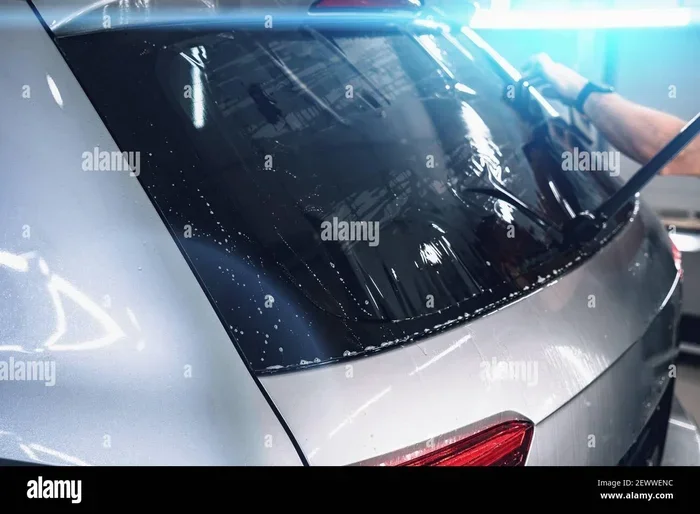
First, the installer will thoroughly clean your windows. Any dust or debris can cause bubbles under the film. Next, they will cut the tint film to match your window shapes precisely. The film is then applied using a soapy solution, which allows for positioning adjustments.
Once the film is in place, the installer squeegees out all the liquid and trapped air. The edges are trimmed carefully for a clean finish. The whole process usually takes about one to two hours for a full car, depending on the number of windows.
How Long Does It Take to Cure?
After installation, your 35% window tint needs time to cure. This is the process where the film fully adheres to the glass. In warm weather, curing can take two to four days. In cooler or humid conditions, it may take up to a week or longer.
During the curing period, you may notice some haziness or bubbles. This is completely normal and should clear up on its own. Avoid rolling down your windows or wiping the windows during this time. Patience is key to getting a flawless finish.
Quick Tips for Post-Installation Care
- Wait at least three to four days before rolling down your windows.
- Avoid using harsh chemical cleaners on your tinted windows for the first month.
- Use a soft microfiber cloth and ammonia-free cleaner for regular cleaning.
- Do not use any sharp objects or rough materials near the tinted edges.
- Inspect the edges periodically for any peeling or lifting.
Common Mistakes to Avoid When Tinting Your Windows
Even with the best intentions, mistakes can happen when tinting your car. Here are some common pitfalls to watch out for.
Choosing the Wrong Shade
One of the most common mistakes is picking a tint shade without checking the legal limits. Some people go too dark and end up with a ticket or forced removal. Always know your state’s legal tint limit before you choose a shade.
Skipping Quality Film
Cheap tint films may save money upfront, but they often bubble, fade, or peel within a year or two. Investing in a high-quality automotive tint film pays off in the long run. Look for films with warranties and proven performance records.
Ignoring Professional Installation
DIY tint kits might seem like a good deal, but they often lead to uneven application, air bubbles, and poor adhesion. Professional installers have the tools, experience, and environment to do the job right. The extra cost is worth the peace of mind.
Not Considering the Type of Film
Not all window tint films are created equal. Dyed films are the most affordable but offer less heat rejection. Metallic films perform better but can interfere with electronic signals. Ceramic films offer the best performance but come at a higher price. Choose the type that fits your needs and budget.
Is 35 Percent Window Tint Worth the Investment?
The short answer is yes. 35 percent window tint delivers excellent value for the price. You get strong UV protection, meaningful heat rejection, reduced glare, and a stylish look. All of these benefits add up to a better driving experience every single day.
The tinting cost for 35% tint varies depending on your vehicle size, the type of film you choose, and where you live. On average, a full car tint job ranges from $200 to $500. Ceramic films can cost more, sometimes $400 to $800 for a full vehicle. But when you factor in the protection it provides to your interior and your health, the investment pays for itself over time.
Many car owners also find that tinted vehicles have a higher resale appeal. A well-maintained tint job signals that the car has been cared for. It is one of those upgrades that both enhances your daily driving and adds long-term value to your vehicle.
Expert Insight
According to automotive detailing experts, 35% window tint is the most recommended shade for first-time tint buyers. It is forgiving, versatile, and delivers visible results. Whether you are tinting a brand-new car or refreshing an older vehicle, this shade consistently satisfies customers. The combination of performance and compliance makes it the safest bet for most drivers.
Key Takeaways
- 35 percent window tint is the most popular choice because it balances style, function, and legality.
- It blocks up to 99% of harmful UV rays, protecting your skin and your car’s interior.
- The shade provides solid heat rejection, keeping your cabin cooler and reducing AC usage.
- Glare reduction makes driving safer and more comfortable during bright conditions.
- 35% tint is legal in most states for rear windows, making it a worry-free choice.
- Professional installation and quality film are key to long-lasting results.
- The investment pays off through interior protection, comfort, and resale value.
Conclusion
35 percent window tint has earned its reputation as the most popular choice for a reason. It offers a perfect balance of performance, style, and legal compliance. Whether you want to protect your skin, keep your car cooler, or simply give your vehicle a polished look, this shade delivers on all fronts.
If you have been on the fence about tinting your car, 35% is the shade to go with. It is practical, effective, and works for almost every type of driver. Do your research, find a reputable installer, and enjoy the many benefits that 35% window tint has to offer. Your car, your health, and your comfort will all thank you.
Frequently Asked Questions
What is the difference between 35% and 20% window tint?
The main difference is how dark each shade appears. A 35% tint lets in more light and offers better visibility, while a 20% tint is darker and provides more privacy. The 35% shade is also more likely to be legal on front windows in most states.
Can I tint my front windows with 35% tint?
This depends on your state’s laws. Some states allow 35% on front side windows, while others require a higher VLT for the front windows. Always check your local regulations before tinting your front windows to avoid fines or removal orders.
How long does 35% window tint last?
With proper care and quality film, 35 percent window tint can last between five and ten years. Ceramic and high-end metallic films tend to last longer than basic dyed films. Regular maintenance and avoiding harsh cleaners will extend the lifespan of your tint.
Does 35% window tint affect night driving visibility?
Not significantly. 35% tint allows enough light through for safe night driving. It does reduce glare from oncoming headlights, which actually improves visibility at night. Most drivers notice no difficulty seeing the road with this shade.
Is 35% window tint good for heat reduction?
Yes, it is. While it is not the darkest option, 35% window tint still provides meaningful heat rejection. Many quality films in this shade block 50% to 70% of solar heat, which makes a noticeable difference in cabin temperature on hot days.
How much does it cost to tint windows at 35%?
The cost varies based on your vehicle size and the type of film used. On average, a full car 35% window tint job costs between $200 and $500 for standard films. Ceramic options may cost more, but they offer superior performance and durability.