Hawaii Window Tint Law Guide Your Complete Reference
The Hawaii window tint law sets specific visible light transmission (VLT) limits for every window on your vehicle. Understanding these rules helps you avoid fines, stay safe, and keep your car legal on Hawaiian roads. This guide covers legal tint limits, medical exemptions, approved materials, and practical tips for choosing compliant car window tinting in Hawaii.
If you live in Hawaii or are planning to move there, you might be wondering about the Hawaii window tint law. Tinting your car windows feels like a smart move. It keeps your car cooler. It blocks harmful UV rays. And it gives your ride a sleek look. But in Hawaii, the rules are specific. You cannot just slap any dark film on your windows and call it a day. The state has clear legal tint limits that every car owner must follow. Breaking these rules can lead to tint tickets, failed inspections, and unnecessary hassle.
This guide breaks down everything you need to know. We will cover visible light transmission percentages, which windows you can tint, medical exemptions, and the penalties you face for non-compliance. Whether you drive a sedan, SUV, or van, this Hawaii window tint law guide has you covered. Let us get into it.
Key Takeaways
- Windshield tint is only allowed on the top 4 inches: No tint film below the AS-1 line on your windshield.
- Front side windows must allow more than 35% VLT: This applies to all passenger cars and sedans in Hawaii.
- Rear windows can be darker: You can go below 35% VLT on rear side and rear windows for most vehicles.
- Medical exemptions exist: Hawaii allows special permits for those with sun sensitivity or skin conditions.
- Reflective tint is restricted: Metallic or mirrored finishes are not legal on front or side windows.
- Penalties are real: Illegal tint can result in fines and failed vehicle inspections.
- Choose certified tint film: Always buy from reputable installers who know Hawaii state law.
📑 Table of Contents
- Understanding Hawaii Window Tint Law Basics
- Legal Tint Limits for Different Vehicle Types
- Medical Exemptions and Special Allowances
- Approved Tint Materials and Film Types
- Potential Penalties for Illegal Tint in Hawaii
- Tips for Choosing Compliant Tint in Hawaii
- Common Mistakes People Make with Car Window Tinting
- Expert Insights on Hawaii Window Tinting
- Key Takeaways
- Conclusion
Understanding Hawaii Window Tint Law Basics
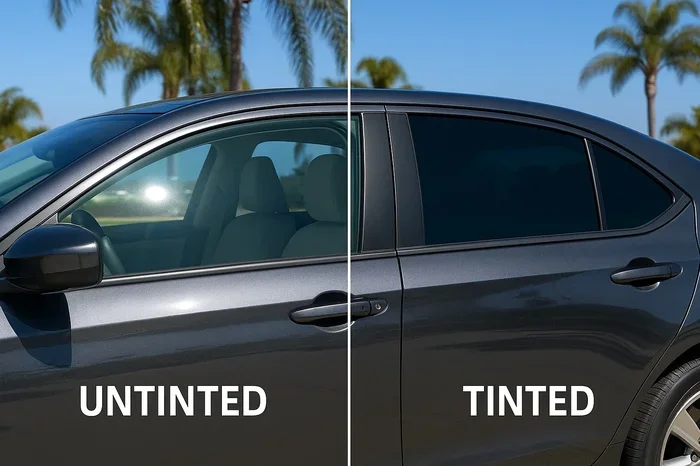
Before you visit a tint shop, you need to understand the basics. The Hawaii window tint law is built around one core concept: visible light transmission, or VLT. VLT measures how much light your tint film lets through. A higher VLT means a lighter tint. A lower VLT means a darker tint. Hawaii sets specific VLT percentages for each window on your vehicle.
The state law applies to all passenger vehicles registered in Hawaii. It does not matter if you bought your car locally or brought it from the mainland. If your car is on Hawaii roads, the rules apply to you. The Hawaii DMV enforces these rules during routine vehicle inspections. So it is smart to know the limits before you get your car checked.
What Is VLT and Why Does It Matter?
Visible light transmission is the percentage of light that passes through your window and tint film combined. For example, if a window has a VLT of 35%, that means 35% of light gets through. The rest is blocked by the tint. The Hawaii window tint law uses VLT as the official measurement. When police or inspectors check your car, they use a special device called a tint meter. This device reads the VLT of each window. If your VLT is too low, you are in violation of Hawaii state law.
Knowing your VLT matters for more than just avoiding fines. Tint that is too dark can reduce visibility at night. This can be dangerous on Hawaii roads, especially on winding coastal highways. So the law is not just about rules. It is also about keeping drivers safe.
Which Windows Can You Tint?
Not every window on your car has the same rules. The Hawaii window tint law treats each window differently. Here is a quick breakdown of how the law views each window type:
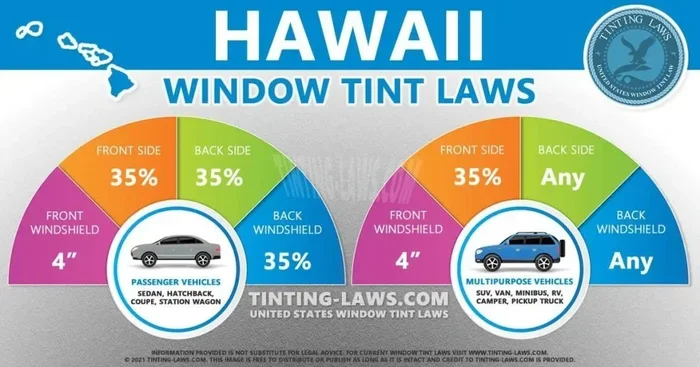
- Windshield: Only the top 4 inches can be tinted. No tint film below the AS-1 line. The windshield tint must remain clear for full visibility.
- Front side windows: These must allow more than 35% VLT. This applies to the driver and passenger windows on the front doors.
- Rear side windows: These can be tinted darker than the front. There is no specific VLT minimum for rear side windows on most vehicles.
- Rear window: Also allowed to be darker. However, if your rear window is tinted, you must have dual side mirrors.
These rules apply to standard passenger cars. Different rules may apply to other vehicle types, which we will cover below.
Legal Tint Limits for Different Vehicle Types
The Hawaii window tint law has slightly different rules depending on what kind of vehicle you drive. The two main categories are passenger cars and multi-purpose vehicles like SUVs and vans. Let us look at each one closely.
Passenger Cars and Sedans
If you drive a sedan or a standard passenger car, the rules are straightforward. The front side windows must have a VLT greater than 35%. This means the tint cannot block more than 65% of light. The windshield can only have tint on the top 4 inches. The rear side windows and rear window can be tinted to any darkness you prefer. There is no minimum VLT requirement for these windows.
However, there is one important exception. If your rear window is tinted, Hawaii law requires dual side mirrors. This ensures you can still see behind your car clearly. Without mirrors, a dark rear window can create blind spots. And blind spots on Hawaii roads, with pedestrians and cyclists everywhere, are a real safety concern.
SUVs and Vans
For SUVs and vans, the rules are similar but with a small difference. The front side windows still need a VLT above 35%. The windshield tint rule stays the same: top 4 inches only. The rear side windows and rear window can also be darker. SUVs and vans often have larger rear windows, so tinting them can help with heat buildup. Just remember the dual mirror rule if your rear window is tinted.
Some people ask about limousines and commercial vehicles. These often have different rules under federal guidelines. But for everyday drivers in Hawaii, the passenger car and SUV rules are what matter most.
Medical Exemptions and Special Allowances
Hawaii understands that some people need darker tint for health reasons. If you or a family member has a condition that makes you sensitive to sunlight, you may qualify for a medical exemption. This is an important part of the Hawaii window tint law that many people do not know about.
Conditions that may qualify include lupus, eczema, melanoma, and other UV-sensitive skin disorders. Even some eye conditions can make bright sunlight dangerous. If you have one of these conditions, you can apply for a special permit through the Hawaii Department of Health.
The application process requires a letter from your doctor. The letter must explain your condition and why darker window tint is medically necessary. Once approved, you will receive a certificate to keep in your vehicle. This certificate proves your tint is legal, even if it goes below the standard VLT limits. Keep in mind that the exemption applies to specific windows. It does not give you a free pass to tint every window as dark as you want. Always check with the issuing authority about which windows are covered.
Approved Tint Materials and Film Types
Not all tint film is created equal. The Hawaii window tint law does not just regulate darkness. It also restricts the type of material you can use. Understanding the different film types can help you make a smart choice.
Dyed Film
Dyed tint film is the most common and affordable option. It uses layers of dye to absorb heat and block light. Dyed film comes in various shades and can look great on your car. However, it tends to fade over time. After a year or two of Hawaii sun, dyed film may start to bubble or change color. It also offers less heat rejection compared to more advanced options.
Metallic and Reflective Film
Metallic tint film contains tiny metal particles that reflect heat and light. It looks sleek and modern. But here is the catch: Hawaii law prohibits reflective tint on front side windows and the windshield. Metallic or mirrored finishes that create a mirror-like reflection from the outside are not allowed. This rule is in place because reflective windows can blind other drivers. On the rear windows and rear side windows, reflective tint may be allowed depending on the VLT. Always check with your installer to make sure you stay within the legal tint limits.
Ceramic Film
Ceramic tint film is the premium choice. It blocks heat and UV rays without using metal particles. This means it is not reflective. Ceramic film offers excellent UV protection and high heat rejection. It also does not interfere with electronic signals like GPS or phone reception. While ceramic film costs more than dyed or metallic options, it is fully compliant with Hawaii state law when it meets the VLT requirements. Many people in Hawaii choose ceramic film for its durability and performance.
Carbon Film
Carbon film is another popular option. It has a matte finish that looks great on any car. Carbon film blocks a good amount of heat and does not fade easily. It is also non-reflective, which means it generally complies with Hawaii window tint law. Just make sure the VLT meets the required percentage for your front side windows.
Potential Penalties for Illegal Tint in Hawaii
Breaking the Hawaii window tint law can cost you more than just money. Let us look at what happens if you get caught with illegal window tint.
Fines and Fees
If a police officer pulls you over for a tint ticket, you will likely face a fine. The fine amount can vary depending on the severity of the violation. A first offense might result in a warning or a small fine. Repeat offenses can lead to higher penalties. The exact fine amounts are set by local jurisdictions, so they can differ from island to island.
Failed Vehicle Inspection
Hawaii requires annual or biennial vehicle inspections. During the inspection, the inspector checks your tint darkness with a VLT meter. If your tint is too dark, your vehicle will fail inspection. This means you cannot register your car until the issue is fixed. You will need to remove or replace the aftermarket tint and then return for a re-inspection. This can be time-consuming and frustrating, especially if you need your car for daily commuting.
Safety Risks
Beyond fines and inspections, illegal tint poses real safety risks. Dark tint darkness on front windows reduces the driver’s ability to see clearly. This is especially dangerous at night or in tunnels. On Hawaii roads, where rain and fog are common, visibility is already reduced. Adding dark tint to the mix can make driving hazardous. The law exists to protect you and everyone else on the road.
Tips for Choosing Compliant Tint in Hawaii
Now that you know the rules, let us talk about how to stay compliant. Choosing the right tint film and installer makes all the difference.
- Ask about VLT before you buy. Always confirm the VLT percentage of the tint film you are considering. A good installer will know this information upfront.
- Choose a reputable shop. Look for installers who are familiar with Hawaii state law. A shop that has been doing business in Hawaii for years will know the local rules well.
- Get a certificate. After installation, ask for a certificate showing the VLT of each tinted window. Keep this document in your glove box.
- Consider ceramic film. Ceramic tint offers excellent performance and is fully compliant when installed at the correct VLT. It is a great long-term investment.
- Do not DIY your tint. While DIY tint kits are tempting, they often do not meet VLT requirements. Professional installation ensures you get it right the first time.
- Check for medical exemptions early. If you think you might qualify, start the application process before you get your car tinted. This saves time and money.
Common Mistakes People Make with Car Window Tinting
Even with the best intentions, mistakes happen. Here are some common errors that lead to window tint violation issues in Hawaii.
- Buying tint online without checking VLT. Online retailers sometimes list VLT incorrectly. Always verify the actual VLT with a professional tool.
- Tinting the windshield below the AS-1 line. This is one of the most common violations. The top 4 inches only, period.
- Using reflective film on front windows. Reflective or metallic finishes on front side windows are illegal in Hawaii.
- Forgetting the dual mirror rule. If your rear window is tinted, you need both side mirrors. Skipping this can cause inspection failure.
- Ignoring the medical exemption process. Some people with qualifying conditions just tint their windows darker without getting a permit. This leads to unnecessary fines.
Expert Insights on Hawaii Window Tinting
Local tint professionals in Hawaii see these issues every day. Many installers recommend ceramic or carbon film for Hawaii’s climate. The islands get intense sun year-round. A good quality tint film does more than look nice. It protects your car’s interior from fading. It reduces heat buildup inside your cabin. And it blocks up to 99% of harmful UV protection rays. This is especially important for families with young children or anyone who spends a lot of time driving.
Experts also stress the importance of staying updated on the law. Hawaii state law can change over time. What was legal five years ago might not be legal today. Always check the latest regulations before getting your windows tinted. Your local Hawaii DMV website is a great resource for the most current information.
Another tip from professionals: do not let anyone pressure you into tinting darker than the law allows. Some shops might offer “dark limit” tint to upsell their services. But if it is not legal, you will end up paying for it later in fines and rework. Stick with legal tint limits and you will never have a problem.
Key Takeaways
- Windshield tint is only allowed on the top 4 inches: No tint film below the AS-1 line on your windshield.
- Front side windows must allow more than 35% VLT: This applies to all passenger cars and sedans in Hawaii.
- Rear windows can be darker: You can go below 35% VLT on rear side and rear windows for most vehicles.
- Medical exemptions exist: Hawaii allows special permits for those with sun sensitivity or skin conditions.
- Reflective tint is restricted: Metallic or mirrored finishes are not legal on front or side windows.
- Penalties are real: Illegal tint can result in fines and failed vehicle inspections.
- Choose certified tint film: Always buy from reputable installers who know Hawaii state law.
Conclusion
The Hawaii window tint law is clear and straightforward once you understand the basics. Know your VLT percentages. Follow the rules for each window type. Choose the right tint film for your needs. And if you qualify, explore your medical exemption options. Staying compliant keeps you safe, saves you money, and keeps your car legal on Hawaii roads.
Whether you want a light tint for style or a dark tint for heat rejection, the key is to work within the legal tint limits. Choose a trusted installer, keep your paperwork in order, and enjoy the benefits of quality car window tinting. Hawaii is a beautiful place to drive. Your tint darkness should enhance that experience, not complicate it.
Take the time to research. Ask questions. And when in doubt, consult with a local expert who knows Hawaii state law inside and out. A little effort upfront saves you a lot of trouble down the road. Happy tinting!
Frequently Asked Questions
What is the legal VLT limit for front side windows in Hawaii?
The Hawaii window tint law requires front side windows on passenger cars to have a VLT greater than 35%. This means the tint cannot block more than 65% of visible light. If your front side windows are tinted darker than this, you are in violation of state law and could face a tint ticket.
Can I tint my windshield in Hawaii?
Yes, but only the top 4 inches of the windshield. The windshield tint must remain clear below the AS-1 line. This rule applies to all passenger vehicles. Tinting below this line on the windshield is a common violation that can lead to inspection failure.
Do I need dual side mirrors if my rear window is tinted?
Yes. Hawaii law requires dual side mirrors whenever the rear window is tinted. This ensures you have adequate visibility behind your vehicle. Without dual mirrors, your car will fail the vehicle inspection in Hawaii.
What is a medical exemption for window tint in Hawaii?
A medical exemption allows you to tint your windows darker than the standard VLT limits for health reasons. You need a letter from your doctor explaining your condition and why darker tint is necessary. Once approved by the Hawaii Department of Health, you can carry the exemption certificate in your vehicle.
What happens if I get caught with illegal tint in Hawaii?
If you are pulled over for illegal window tint, you may receive a fine. Your vehicle could also fail its vehicle inspection. You would need to remove or replace the aftermarket tint and pass a re-inspection. Repeat violations can lead to higher fines and additional penalties.
Is ceramic tint legal in Hawaii?
Yes, ceramic tint is fully legal in Hawaii as long as it meets the VLT requirements. Ceramic film is non-reflective and provides excellent heat rejection and UV protection. Many Hawaii drivers prefer ceramic film because it complies with state law and performs well in the tropical climate.
=== CONCLUSION ===
The Hawaii window tint law is designed to keep drivers safe while allowing you to enjoy the benefits of car window tinting. By understanding VLT limits, choosing compliant tint film, and following the rules for each window, you can avoid fines and keep your vehicle legal. Whether you are a local resident or a newcomer to the islands, this guide gives you everything you need to navigate the Hawaii window tint law with confidence. Stay informed, choose quality materials, and enjoy the ride.