Can the Police Get Keys Out of a Locked Car for You
Yes, the police can sometimes help you get keys out of a locked car, but it depends on your location, the situation, and the type of lock system. Many people assume officers will always rescue you from a vehicle lockout, but the truth is more nuanced. Understanding what the police can and cannot do saves you time, stress, and money during an already frustrating moment.
You walk away from your car. You lock the door. And then it hits you. Your keys are sitting on the passenger seat, or maybe they fell between the seats, or you left them on the grocery shelf. The door locks behind you. You are standing outside your own vehicle with no way in.
This happens to millions of people every year. It is one of the most common car troubles anyone can face. And in that moment of panic, many people wonder the same thing. Can the police get keys out of a locked car? The short answer is sometimes. But the full picture is more complicated than most people realize.
Whether you are dealing with an emergency lockout or just a simple mistake, knowing your options makes a huge difference. This guide covers everything you need to know about police help for locked cars, what actually works, and how to avoid this situation in the future.
Key Takeaways
- Police assistance varies by region: Some departments offer lockout help, while others do not.
- Time and safety matter: Officers will prioritize emergencies like children or pets trapped inside vehicles.
- Professional locksmiths are often faster: They carry specialized tools and can arrive quickly in most cases.
- Modern cars are harder to open: Keyless entry and transponder systems make DIY lockout methods risky.
- Prevention is the best strategy: Simple habits and smart accessories reduce lockout chances significantly.
- Costs differ widely: Police service may be free, while locksmiths and roadside assistance have varying fees.
- Know your rights: You can always ask the police for guidance even if they cannot perform the lockout.
📑 Table of Contents
- What Happens When You Lock Your Keys in a Car
- Can the Police Actually Help with Locked Cars
- How Police Extract Keys from Locked Cars
- Alternatives When Police Cannot Help
- Preventing Car Lockouts Before They Happen
- What to Know About Car Key Replacement
- Common Mistakes People Make During a Lockout
- Expert Insights on Vehicle Lockouts
- How to Choose the Right Help for a Locked Car
- Key Takeaways
What Happens When You Lock Your Keys in a Car
A car lockout is more than just an inconvenience. It can disrupt your entire day. You might miss work, an important meeting, or a flight. Kids might be waiting at school. Pets could be trapped inside a hot vehicle. The stress builds fast.
Modern cars add another layer of complexity. Most vehicles built after 2010 come with keyless entry systems, remote start features, and advanced security locks. These systems are great for safety. But they also make it harder to get back inside without the right tools or expertise.
Common reasons people lock their keys in a car include:
- Automatically locking the car with the remote while keys are inside
- Forgetting to take the key fob out before closing the door
- Keys falling between the seat and the console
- Wind blowing the door shut after you step out briefly
- Children playing with locks while the parent steps away
No matter how it happens, the result is the same. You are stuck outside. And you need a solution fast.
Can the Police Actually Help with Locked Cars
This is the question most people ask first. And the answer depends on several factors. Let us break down when police can help and when they cannot.
When Police Will Help You
Many police departments do offer lockout assistance in certain situations. They are more likely to help when:
- A child or pet is trapped inside the vehicle
- The temperature is extreme and someone is at risk
- The vehicle is blocking traffic or a public area
- You can prove ownership of the vehicle with registration or ID
- The situation involves a genuine safety emergency
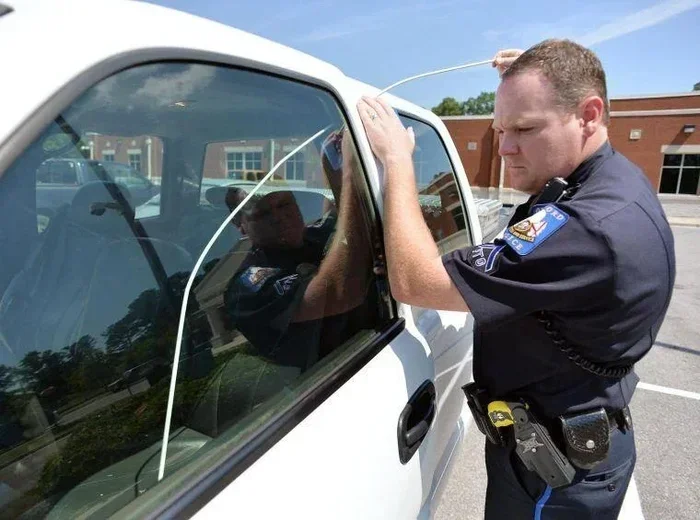
In these cases, officers carry basic lockout tools like wedged rods and long-reach devices. They can sometimes pop a door open without causing damage. But this is not guaranteed. Every department has its own policy.
When Police Will Not Help
Here is the part most people do not expect. Many police departments do not handle car lockouts at all. They consider it a non-emergency service. Some reasons police might decline to help include:
- The department does not carry lockout equipment
- There is no safety risk involved
- They are understaffed or handling higher-priority calls
- Local policy explicitly prohibits this type of assistance
- The vehicle is on private property and the owner is not present
Even if the police cannot help directly, they can often point you toward a reliable locksmith or a roadside assistance service. It is always worth making the call. You have nothing to lose by asking.
How Police Extract Keys from Locked Cars
When police do respond to a lockout call, they use specific methods. Understanding these techniques helps you set realistic expectations.
Tools and Techniques They Use
Police officers typically carry a few standard lockout tools in their vehicles. These include:
- Wedge tools: These create a small gap between the door and the frame. Officers then use a long rod to press the unlock button or pull the interior handle.
- Long-reach devices: Also called slim jims or auto lockout kits, these slide between the window and the weather stripping to manipulate the lock mechanism.
- Air wedges: These inflate to create a gap gently, reducing the risk of damaging the door or window.
- Key extraction tools: If a key breaks off inside the ignition or door lock, officers may use specialized hooks to pull the broken piece out.
The method chosen depends on the vehicle model, the lock type, and the situation. Modern cars with electronic lock systems are much harder to open without the original key or remote.
The Process Step by Step
Here is what typically happens when police assist with a lockout:
- Verification: The officer asks for identification and proof of vehicle ownership. You may need to show a driver’s license and registration.
- Assessment: The officer examines the car to determine the lock type and the best approach.
- Tool selection: Based on the assessment, the officer chooses the appropriate tool to minimize damage.
- Execution: The officer carefully opens the door using the selected method.
- Handover: You retrieve your keys and inspect the vehicle for any damage.
The entire process usually takes between 10 and 30 minutes. However, wait times can be longer if the department is busy or if you are in a remote area.
Alternatives When Police Cannot Help
If the police cannot assist you, do not panic. You have several other reliable options. In fact, many of these alternatives are faster and more specialized than a police response.
Calling a Professional Locksmith
A professional locksmith is often the best choice for a car lockout. They specialize in vehicle access and key extraction. Most locksmiths carry a full set of tools designed for modern and older car models.
Benefits of hiring a locksmith include:
- 24/7 availability for emergency lockouts
- Specialized training for different vehicle brands and models
- Ability to handle transponder keys and smart key systems
- Minimal risk of damage to your vehicle
- On-site key replacement if your key is lost or broken
Always choose a licensed and insured locksmith. Check reviews and ask for upfront pricing before they begin work. A reputable locksmith will never damage your car without your permission.
Roadside Assistance Services
If you have a roadside assistance membership through AAA, your insurance company, or your vehicle manufacturer, this is another great option. Many plans include lockout service as part of the package.
Roadside assistance can also help with:
- Jump-starting a dead battery
- Flat tire changes
- Fuel delivery
- Towing to a nearby repair shop
Keep your roadside assistance number saved in your phone. It is one of the most valuable contacts you can have for any car emergency.
Other Emergency Options
Some people turn to local 24 Hrs Car Mechanic services or auto repair shops that offer emergency lockout help. These professionals often have the same tools as locksmiths and may be available faster in certain areas. Another option is to contact your car dealership if you have a keyless entry system that needs reprogramming after a lockout.
Preventing Car Lockouts Before They Happen
The best way to deal with a locked car is to never get locked out in the first place. Prevention is simple and costs very little.
Simple Habits That Save Time
Build these habits into your daily routine:
- Always check your pockets and bag before closing the door
- Place your keys in a designated spot the moment you enter your home
- Use a key finder or Bluetooth tracker attached to your keychain
- Keep a spare key in a safe location, like with a trusted neighbor or family member
- Park with intention. Do not rush out of the vehicle
These small actions take seconds but can save you hours of frustration.
Smart Accessories for Your Vehicle
Consider investing in accessories that reduce lockout risk:
- Spare key fobs: Keep a second key fob in your home or office
- Keyless entry upgrades: Some vehicles allow you to upgrade to hands-free entry
- 3M Car Cleaning Cloth: Keeping your key fob and car sensors clean ensures reliable operation and prevents false lock signals
- 3M Anti Glare Film For Car Windshield: While not a lockout solution, quality car accessories like these show how small upgrades improve your overall driving experience and vehicle care routine
- Phone-based digital keys: Many newer vehicles support smartphone integration for locking and unlocking
Taking care of your vehicle also means taking care of your keys and accessories. A clean key fob works better, and a well-maintained car is less likely to have lockout issues.
What to Know About Car Key Replacement
If your keys are truly lost and not just locked inside the car, you will need a replacement. This process has become more complex with modern vehicles.
Older cars with simple metal keys are easy and inexpensive to replace. You can get a new key cut at any hardware store for a few dollars. But newer vehicles use transponder keys and smart key systems that require programming.
Key replacement costs vary widely:
- Standard metal key: $10 to $30 at a hardware store
- Transponder key: $50 to $150, often requiring a locksmith or dealership
- Smart key or key fob: $100 to $400 or more, depending on the vehicle brand
- Dealer replacement: Often the most expensive option but sometimes the only choice for certain brands
Always check with your insurance provider. Some policies cover car key replacement costs, which can save you a significant amount of money.
Common Mistakes People Make During a Lockout
When panic sets in, people often make decisions they regret. Avoid these common mistakes:
- Trying to break a window: This causes expensive damage and safety risks. A car window replacement costs far more than a locksmith call.
- Using DIY YouTube methods: Online tutorials often show tools that can scratch or damage your car’s paint and weather stripping.
- Calling the first locksmith you find: Always verify credentials and read reviews to avoid scams or unqualified technicians.
- Assuming all locksmiths charge the same: Prices vary significantly. Get quotes from at least two or three providers.
- Waiting too long in bad weather: Extreme heat or cold makes a lockout dangerous, especially for pets or children.
Expert Insights on Vehicle Lockouts
Automotive experts agree that preparation is the single most effective strategy against car lockouts. According to industry professionals, the average cost of a professional lockout service ranges from $50 to $100, while an emergency after-hours call can go up to $150 or more.
Experts also emphasize that modern vehicle security systems are designed to prevent unauthorized access. This means that even well-meaning attempts to open a car without proper tools can trigger alarm systems or cause internal damage. Always rely on trained professionals for any lockout situation.
One important tip from locksmiths: keep your key fob battery fresh. A dying battery can cause your key fob to stop working, which sometimes feels like a lockout even when the keys are in your hand. Replacing the battery is a simple fix that costs less than a dollar.
How to Choose the Right Help for a Locked Car
When you are standing outside your locked car, you need to make a quick decision. Here is a simple way to think about your options:
First, assess the situation. Is anyone inside the vehicle who needs immediate help? If yes, call 911 or your local emergency number. The police will prioritize life-safety situations.
Second, check if you have roadside assistance coverage. If you do, call them first. They are often faster and cheaper than a locksmith.
Third, if neither of those options works, call a trusted locksmith. Look for one that is licensed, insured, and has good online reviews. Ask for the total cost before they start working on your vehicle.
Finally, consider whether you need just access or a full key replacement. If your key is broken inside the lock, you will need extraction and possibly a new key altogether.
Key Takeaways
- Police help is not guaranteed: It depends on your location, the department, and the nature of the situation.
- Safety comes first: If a child or pet is trapped, the police will almost always respond.
- Professional locksmiths are the most reliable option: They have the right tools, training, and experience for all vehicle types.
- Roadside assistance can save money: Check your coverage before paying out of pocket.
- Prevention works: Simple habits and smart accessories reduce lockout risk dramatically.
- Modern keys cost more to replace: Transponder and smart key systems require specialized programming.
- Stay calm and act wisely: Panic leads to costly mistakes. Take a breath and choose the right solution.
Getting locked out of your car is never fun. But it is a manageable situation when you know what to do. Whether the police can help depends on many factors, but you always have options. The key is to stay calm, assess the situation, and choose the safest and most cost-effective solution.
Keep emergency numbers saved in your phone. Invest in a spare key. And take care of your car accessories and key fob so they work when you need them most. A little preparation goes a long way toward avoiding the stress and expense of a vehicle lockout.
Next time you step out of your car, take one extra second. Check for your keys. It is a tiny habit that can save you a world of trouble.
Frequently Asked Questions
Can the police get keys out of a locked car for free?
In many cases, yes. Police lockout assistance is typically provided free of charge, especially when there is a safety concern involved. However, this varies by department and region. Some police forces may charge a fee for non-emergency lockout calls, so it is always a good idea to ask when you call.
How long does it take for the police to arrive for a car lockout?
Response times depend on your location, the department’s current workload, and the nature of the call. In urban areas, police may arrive within 15 to 30 minutes. In rural areas, wait times can be significantly longer. If it is an emergency involving a child or pet, expect the fastest response.
Will the police damage my car when unlocking it?
Professional officers are trained to minimize damage. They use specialized tools designed to open doors without scratching or breaking glass. However, there is always a small risk of minor cosmetic damage. Most police departments take responsibility for any damage caused during a legitimate lockout response.
What should I do if my child is locked inside the car?
Call 911 immediately. This is a genuine emergency and the police will respond as quickly as possible. While waiting, try to calm the child and keep them cool. Do not attempt to break a window unless the child is in immediate danger, as this can cause injury from glass shards.
Can I use a coat hanger to unlock my car door?
While this method is popular in movies and online videos, it rarely works on modern vehicles. Today’s cars have reinforced locks, electronic systems, and tight weather stripping that make this approach ineffective and potentially damaging. It can also scratch your paint or break internal components. A professional locksmith is a much safer choice.
How much does a locksmith charge for a car lockout?
Most locksmiths charge between $50 and $100 for a standard lockout service. After-hours or emergency calls may cost more, sometimes up to $150 or beyond. The price depends on your location, the vehicle type, the time of day, and the complexity of the lock system. Always ask for a price estimate before work begins.