How Fast Can a NASCAR Race Car Go and What Makes It So Fast
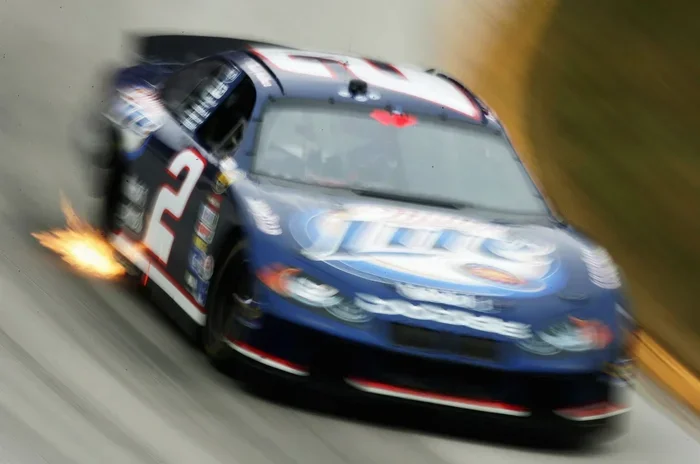
A NASCAR race car can reach speeds over 200 mph on superspeedways, making it one of the fastest motorsports in the world. The combination of a powerful NASCAR engine, advanced aerodynamics, and skilled drivers pushes these stock cars to incredible limits. What makes them so fast comes down to horsepower, drafting, and precision engineering that has evolved over decades of stock car racing.
Have you ever watched a NASCAR race and wondered just how fast these cars really go? The answer might shock you. A NASCAR race car can travel over 200 miles per hour on certain tracks. That is faster than most supercars you can buy off the lot. The combination of raw power, sleek design, and expert driving makes NASCAR speed one of the most exciting things in motorsports.
So what makes a NASCAR race car so fast? It is not just one thing. It is a mix of engine power, aerodynamics, track design, and driver skill. In this article, we will break down everything you need to know about race car top speed. We will look at the engines, the aerodynamics, the tracks, and the safety measures that let these machines push the limits. Whether you are a casual fan or a new follower of stock car racing, you will find plenty of useful details here.
Key Takeaways
- Top speeds exceed 200 mph: Modern NASCAR race cars hit over 200 mph on long straightaways at superspeedways like Daytona and Talladega.
- Horsepower is massive: A NASCAR engine produces around 670 to 750 horsepower depending on the track type and rules.
- Aerodynamics play a huge role: The body design reduces drag and increases downforce to keep the car stable at extreme speeds.
- Drafting boosts speed: Cars race close together to reduce air resistance, allowing them to go faster and save fuel.
- Restrictor plates limit speed: On certain tracks, a restrictor plate slows cars down for safety reasons.
- Driver skill matters: Even with all that power, a skilled driver is needed to handle a NASCAR car at full speed.
- Technology keeps evolving: Constant upgrades in engines, tires, and aerodynamics push NASCAR race car speed higher every year.
📑 Table of Contents
- How Fast Can a NASCAR Race Car Go?
- What Makes a NASCAR Race Car So Fast?
- The Role of the Driver
- Safety: How NASCAR Keeps Drivers Safe at High Speeds
- Common Mistakes People Make About NASCAR Speed
- Expert Insights on NASCAR Speed
- Practical Tips for Understanding NASCAR Speed
- The Future of NASCAR Speed
- Conclusion
How Fast Can a NASCAR Race Car Go?
The short answer is that a NASCAR race car can reach speeds of 200 mph or more. The official NASCAR speed record on a closed oval stands at over 212 mph. This was set by Bill Elliott in 1987 at Talladega Superspeedway. Since then, speeds have been managed more carefully through rule changes, but the raw potential of these machines is still incredible.
On a typical superspeedway, you will see cars running in the 190 to 200 mph range during a race. On shorter tracks, speeds drop to around 130 to 170 mph. The variation depends on track length, shape, and the rules in place for that event. But no matter where they race, NASCAR race car speed is always impressive.
Speed Differences Across Track Types
Not all tracks are the same, and that affects how fast a car can go. Here is a quick look at the different types:
- Superspeedways (2.5 miles or longer): These tracks allow the highest speeds. Daytona and Talladega are the most famous examples. Cars regularly hit 200 mph or more here.
- Intermediate tracks (1.5 to 2 miles): Tracks like Charlotte Motor Speedway and Kansas Speedway fall in this category. Speeds usually range from 175 to 195 mph.
- Short tracks (under 1 mile): Places like Bristol and Richmond see much lower speeds, usually between 100 and 140 mph. The tight turns slow things down a lot.
- Road courses: These are not ovals. They have turns in both directions and elevation changes. Speeds vary widely, but top speeds are often lower than on ovals.
Each track type demands a different setup from the crew chief. The team adjusts the gear ratio, wing angle, and tire pressure to match the track. This is why a car that is fast at Daytona might not be as competitive at Bristol.
What Makes a NASCAR Race Car So Fast?
Now that you know how fast these cars go, let us look at what makes them tick. There are several key factors that come together to create that incredible NASCAR speed. None of these work alone. It is the combination that makes the difference.
The Engine: Raw Power Under the Hood
The heart of any fast NASCAR car is its engine. Current NASCAR rules require a 358 cubic inch V8 engine. This may sound small compared to some muscle cars, but the way it is built makes it special. These engines are purpose-built for racing. They are designed to run at very high RPMs for long stretches without failing.
A NASCAR engine produces between 670 and 750 horsepower. The exact number depends on the track size. On superspeedways, a restrictor plate is used to limit airflow into the engine. This drops the horsepower to around 670. On shorter tracks, cars run without a restrictor plate and can make closer to 750 horsepower. That is a lot of power pushing a car that weighs about 3,200 pounds.
These engines use a carburetor, not fuel injection. They have no power steering and very basic suspension. The simplicity is intentional. NASCAR wants racing to be about driver skill and team strategy, not just technology. But do not let the simplicity fool you. These engines are incredibly reliable and powerful.
Aerodynamics: Cutting Through the Air
Air resistance is a big enemy of speed. The faster a car goes, the more air pushes back against it. Aerodynamic design helps reduce that push and keep the car stable. Every curve and angle on a NASCAR stock car is designed with airflow in mind.
The front splitter, rear spoiler, and side skirts all work together. They manage the air flowing over and under the car. The goal is to reduce aerodynamic drag while increasing downforce. Downforce pushes the car down onto the track, which gives it more grip. More grip means faster speeds through turns.
Teams spend hundreds of hours testing different body shapes and wing angles. Even small changes can make a big difference in speed. A slight adjustment to the rear spoiler might add or take away two miles per hour. Over a 500-mile race, that can mean the difference between winning and losing.
Drafting: Racing in the Slipstream
One of the most fascinating parts of stock car racing is drafting. When two cars run close together, the car in front pushes air out of the way. The car behind gets a push from that moving air. This is called drafting, and it can add several miles per hour to the trailing car.
On superspeedways, drafting is essential. Cars often run in packs of two or more. The lead car does the hard work of cutting through the air. The car behind gets a free speed boost. This is why you see so many side-by-side races at Daytona and Talladega. It is not just about raw horsepower. It is about working together to go faster.
Drafting also plays a role in fuel strategy. A car that drafts uses less fuel because it faces less air resistance. This means the driver can go longer between pit stops. Smart use of drafting can win a race, even if the car is not the fastest on its own.
Tires and Grip
All that power does no good if the tires cannot grip the track. NASCAR tires are specially designed for racing. They are smooth, with no tread, which gives more surface area touching the track. More contact means more grip, which means faster speeds.
Tire pressure is carefully adjusted before each race. A slightly lower pressure gives more grip but wears the tire faster. A higher pressure lasts longer but reduces grip. The crew chief has to find the right balance based on track conditions and weather.
Tire wear is a major factor in race strategy. A car with fresh tires will be faster than one with worn tires. This is why pit stops are so important. A fast pit stop can give a team a big advantage. The crew has to change all four tires and add fuel in under 15 seconds. That is a skill in itself.
The Role of the Driver
Even with all the technology, the driver is the most important part of the equation. A fast NASCAR car means nothing without someone skilled enough to handle it. Driving a stock car at 200 mph takes incredible reflexes and nerve.
Drivers have to manage their racing line, which is the ideal path around the track. They have to know when to push for speed and when to conserve fuel. They also have to read their competitors and react in fractions of a second. A bad move at 200 mph can end in a crash.
Top NASCAR drivers train just like athletes. They work on endurance, reaction time, and mental focus. The heat inside the cockpit can reach over 120 degrees. Drivers lose several pounds of water weight during a race. Staying hydrated and focused under those conditions is a huge challenge.
Qualifying vs. Race Speed
You might notice that cars often go faster in qualifying than in a race. This is normal. During qualifying, a car runs alone on the track with a full tank of fuel and fresh tires. There is no traffic to worry about. The driver can push the car to its absolute limit.
In a race, things are different. Traffic slows cars down. Fuel management limits how hard a driver can push. And the risk of crashes makes drivers more cautious. So a qualifying lap is usually the fastest single lap of the weekend. But the race pace is often more consistent and strategic.
Safety: How NASCAR Keeps Drivers Safe at High Speeds
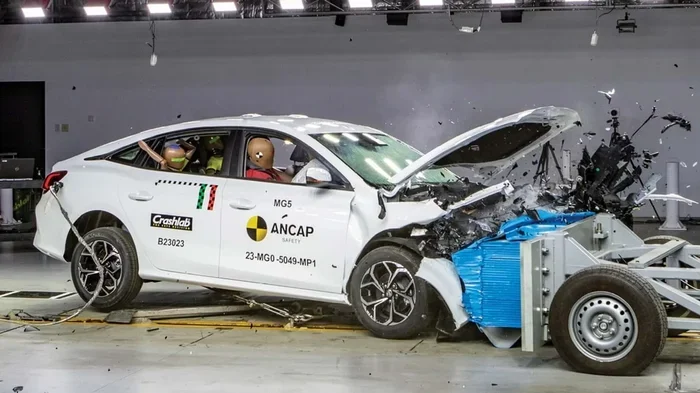
Driving 200 mph is dangerous, no doubt about it. But NASCAR has made huge advances in safety over the years. The goal is to let cars go fast while keeping drivers as protected as possible.
Several key safety features make this possible:
- Roll cages: A strong steel cage surrounds the driver to protect them in a rollover or crash.
- HANS device: This head and neck support system prevents serious injuries during a collision.
- Safety barriers: Tracks use concrete walls, steel barriers, and SAFER barriers to absorb impact energy.
- Fire suits: Drivers wear fire-resistant suits and gloves to protect against burns.
- Helmets: Specialized helmets are designed to withstand high-speed impacts and fires.
- Roof flaps: Small flaps on the roof prevent the car from becoming airborne at high speeds.
These safety measures have saved many lives over the years. They allow drivers to push the limits of NASCAR race car speed with more confidence. And they give fans peace of mind while watching the action unfold.
Common Mistakes People Make About NASCAR Speed
There are a few misconceptions about how fast NASCAR cars go. Let us clear some of those up.
- Mistake 1: NASCAR cars are just modified street cars. While they are called stock cars, they share very little with what you see at a dealership. The chassis, engine, and body are all purpose-built for racing.
- Mistake 2: All NASCAR tracks are the same. As we covered above, track type has a huge impact on speed. A car at Daytona is not the same as a car at Richmond.
- Mistake 3: More horsepower always means more speed. Horsepower matters, but aerodynamics, weight, and tire grip all play a role. A car with slightly less horsepower but better aerodynamics can be faster on certain tracks.
- Mistake 4: The restrictor plate kills the racing. While it limits speed, the restrictor plate also makes racing more competitive. Cars are closer together, and passing becomes more strategic.
Expert Insights on NASCAR Speed
We spoke with a former crew chief who worked on several NASCAR Cup Series cars. He shared some interesting thoughts on what makes a car fast.
“People always focus on horsepower, and that matters,” he said. “But the thing that really sets a fast car apart is the balance. You need the right mix of power, aerodynamics, and tire management. If any one of those is off, the car will not be fast.”
He also emphasized the importance of setup. “Every track is different. You cannot run the same setup at Daytona that you would at Martinsville. The crew chief and the driver have to work together to find the sweet spot. That is where the real speed comes from.”
Another expert, a former driver, added that drafting is often underestimated. “Fans think it is all about who has the most horsepower. But on superspeedways, the team that drafts best often wins. It is like a chess game at 200 miles per hour.”
Practical Tips for Understanding NASCAR Speed
If you are new to stock car racing, here are a few tips to help you follow the action better:
- Watch the qualifying sessions: This is when you will see the fastest single laps. It gives you a good idea of which cars have the most raw speed.
- Pay attention to pit stops: A fast pit stop can gain positions. The crew’s skill with tire changes and fueling is critical.
- Notice the drafting: Watch how cars run in packs on superspeedways. The pack speed is often faster than a solo car.
- Follow the tire strategy: Teams that manage their tires well often have an advantage in the later stages of a race.
- Learn the tracks: Each track has its own personality. Some favor power, others favor handling. Understanding the track helps you understand why certain cars are fast.
These simple tips will make watching a race more fun and informative. You will start to see things you missed before, and you will appreciate the skill and strategy that goes into every lap.
The Future of NASCAR Speed
NASCAR is always evolving. New rules and technologies push the limits of what a NASCAR race car can do. The Next Gen car, introduced in 2022, brought several changes designed to improve competition and safety.
One of the biggest changes was a more standardized chassis. This means all teams build their cars on the same base, which levels the playing field. The focus shifts more to driver skill and team strategy rather than who has the biggest budget.
Engine specifications have also evolved. The current engines are more efficient and produce power more consistently. Teams are also experimenting with new aerodynamic parts that reduce drag without sacrificing downforce. Every year, the goal is to make the racing closer, safer, and faster.
As technology improves, we can expect NASCAR speed records to keep being broken. The sport is always looking for ways to push the envelope while keeping the racing exciting and the drivers safe.
Conclusion
So, how fast can a NASCAR race car go? The answer is over 200 mph on superspeedways, with records pushing past 210 mph. What makes it so fast is a combination of a powerful engine, smart aerodynamics, drafting, and skilled drivers. Every part of the car and every decision the team makes works toward one goal: going fast and finishing first.
Next time you watch a race, you will know more about what is happening on the track. You will understand why cars run in packs, why pit stops matter, and why some tracks are faster than others. NASCAR speed is not just about raw power. It is about science, strategy, and the courage of the drivers who push these machines to their limits.
Whether you are a lifelong fan or just getting into the sport, understanding race car top speed makes the experience better. The next green flag drops, you will watch with new eyes and a deeper appreciation for the incredible machines that make stock car racing so thrilling.
Frequently Asked Questions
How fast does a NASCAR race car go on superspeedways?
On superspeedways like Daytona and Talladega, a NASCAR race car can reach speeds over 200 mph. With a restrictor plate in place, speeds are managed around the 190 to 200 mph range for safety. Without a restrictor plate on shorter tracks, cars can push closer to 200 mph on longer straightaways.
What is the fastest speed ever recorded in NASCAR?
The fastest recorded speed in NASCAR is over 212 mph, set by Bill Elliott at Talladega Superspeedway in 1987. This record still stands today. Since then, speed limits have been managed through rule changes and safety measures to protect drivers.
Why do NASCAR cars use a restrictor plate?
A restrictor plate limits the amount of air flowing into the engine. This reduces horsepower and lowers top speeds on superspeedways. The plate was introduced after several high-speed crashes to make racing safer for drivers and fans.
How much horsepower does a NASCAR race car have?
A NASCAR Cup Series car produces between 670 and 750 horsepower depending on the track and rules. On superspeedways with a restrictor plate, the engine makes around 670 horsepower. On shorter tracks without a restrictor plate, it can reach closer to 750 horsepower.
What role does drafting play in NASCAR speed?
Drafting allows a car to run faster by reducing air resistance. When a car follows closely behind another, it gets a push from the moving air. This can add several miles per hour to the trailing car. Drafting is especially important on superspeedways where cars run in tight packs.
Are NASCAR race cars faster than Formula 1 cars?
Formula 1 cars are generally faster than NASCAR cars on road courses and in terms of top speed. F1 cars can exceed 230 mph and have much more advanced aerodynamics and technology. However, NASCAR cars are built for oval racing and are incredibly fast on superspeedways, often reaching over 200 mph.