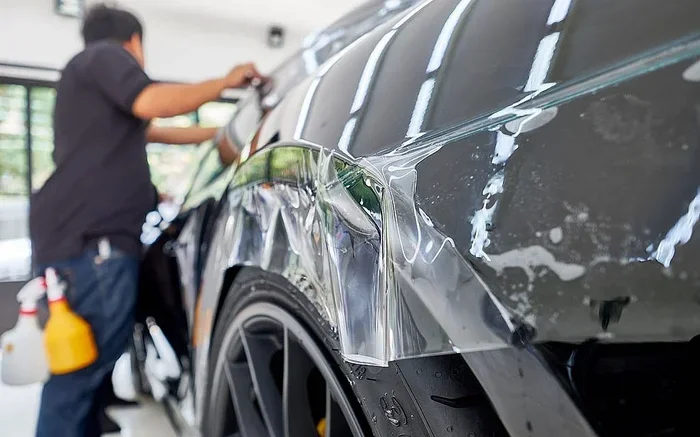
Can a Wrapped Car Go Through a Car Wash Yes Heres How
Yes, a wrapped car can go through a car wash, but the type of wash matters a lot. Touchless car washes are the safest choice for vinyl wrap owners. Understanding your car wrap protection needs helps you avoid damage and extend your wrap’s lifespan.
You just spent good money on a vehicle wrap. Maybe it was a bold color change. Maybe it was a full-brand wrap for your business. Either way, you want it to look amazing for as long as possible. So the question keeps nagging at you: can a wrapped car go through a car wash?
The short answer is yes. But the longer answer depends on the type of wash, the quality of your vinyl wrap, and how well you maintain it afterward. A lot of car owners make the mistake of assuming all washes are equal. They are not. Some can damage your car wrap protection in minutes. Others will keep your wrap looking fresh for years.
In this guide, we will walk you through everything you need to know about wrapped car care. You will learn which washes are safe, which ones to avoid, and how to keep your vinyl wrap in top shape. Whether you have a full coverage wrap or a partial design, this article has you covered.
Key Takeaways
- Touchless car washes are the safest option for wrapped vehicles and help preserve your vinyl wrap’s appearance.
- Avoid brush-based automatic car washes because the friction can lift edges and damage the adhesive bond.
- Hand washing is the gold standard for wrapped car care and gives you full control over pressure and products.
- Wrap edge lifting is a common problem that water intrusion can worsen, so dry edges carefully after washing.
- Avoid high-pressure washing near seams and always use low pressure around decals and trim.
- Ceramic coating a wrapped car adds an extra layer of protection against dirt, UV rays, and minor scratches.
- Regular maintenance keeps your car wrap durable and can extend its lifespan well beyond the average 5-7 years.
📑 Table of Contents
- Understanding Car Wraps and Why They Matter
- Types of Car Washes and How They Affect Your Wrap
- Can a Wrapped Car Safely Go Through an Automatic Car Wash?
- Best Practices for Washing a Wrapped Car
- Common Mistakes to Avoid When Washing a Wrapped Car
- How to Maintain Your Car Wrap for Long-Lasting Protection
- Expert Insights on Car Wash Safety for Wrapped Vehicles
- Hand Wash vs Machine Wash: A Comparison for Wrapped Cars
- Quick Tips for Keeping Your Wrapped Car Clean and Protected
- Conclusion
Understanding Car Wraps and Why They Matter
A vinyl wrap is a thin layer of specialized film applied directly over your car’s original paint. It acts as a shield. Think of it like a giant sticker, but engineered for durability and weather resistance. Modern vehicle wrap materials are designed to protect the factory paint underneath from UV damage, minor scratches, and environmental contaminants.
But here is the thing about wraps. They are not invincible. The wrap adhesive quality plays a huge role in how long the wrap lasts. Cheap adhesive fails faster. High-quality adhesive bonds better and holds up under more stress. That is why knowing how to clean and maintain a wrapped car is so important.
How Long Does a Car Wrap Last?
On average, a well-maintained car wrap lifespan ranges from five to seven years. But that number changes fast if you do not take proper care of it. Exposure to harsh chemicals, frequent high-pressure washing, and ignoring small issues like edge lifting can cut that timeline in half.
Factors that affect car wrap durability include:
- Wrap material quality — premium films last longer than budget options
- Climate and sun exposure — UV rays break down vinyl over time
- Washing frequency and method — improper cleaning causes premature wear
- Adhesive quality — stronger adhesists resist peeling and bubbling
- Professional installation — a properly applied wrap performs much better
Most car wrap warranty policies cover material defects but do not cover damage caused by improper washing. That is a big deal. It means the responsibility falls on you to choose the right cleaning method.
Types of Car Washes and How They Affect Your Wrap
Not all car wash types are created equal. Some are gentle on your vinyl wrap. Others can cause serious harm. Let us break down the most common options so you know exactly what to expect.
Touchless Car Wash
A touchless car wash uses high-pressure water jets and specialized cleaning solutions. There are no rotating brushes or physical contact. This makes it the safest option for most wrapped cars. The water pressure can be strong, but without abrasive materials touching the surface, your wrap stays intact.
However, there is a catch. Very high pressure near the edges of your wrap can potentially push water under the film. This leads to wrap bubbling and adhesive breakdown over time. The key is to use a touchless wash that lets you control the pressure settings or to dry the edges thoroughly afterward.
Brush-Based Automatic Car Wash
This is where things get risky. A brush-based automatic car wash uses rotating cloth or bristle brushes to scrub your car clean. The friction from these brushes can do real damage to a vinyl wrap. Here is why:
- Brush friction can lift wrap edges over time
- Abrasive materials scratch the vinyl surface
- Debris trapped in brushes can push dirt into the wrap
- Uneven pressure may cause premature adhesive failure
If you want to keep your car wrap protection intact, you should seriously avoid brush-based washes. The risk is simply not worth it.
Hand Wash
A hand wash is the gold standard for wrapped car care. When you wash your car by hand, you control everything. The pressure, the soap, the drying method. It takes more time, but it gives your vinyl wrap the gentlest cleaning possible.
Many professional detailers recommend a two-bucket hand wash method. One bucket with soapy water and one with clean rinse water. This prevents you from dragging dirt across the wrap surface and causing micro-scratches.
Self-Service Car Wash
Self-service car wash bays give you control over the water pressure and soap application. They can work well for wrapped cars if you are careful. Use a low-pressure setting and avoid spraying directly at seams, edges, or trim pieces. Keep the nozzle at least 12 inches away from the wrap surface.
Can a Wrapped Car Safely Go Through an Automatic Car Wash?
This is the question most car owners want answered. And the honest answer is: it depends on the type of automatic wash. A touchless automatic car wash is generally safe for most vinyl wraps. A brush-based automatic wash is not.
Let us look at what happens when a wrapped car goes through different wash systems:
What Happens During a Touchless Wash
During a touchless car wash, your car moves through a tunnel while high-pressure water jets spray cleaning solution onto the surface. The water is heated in most cases, which helps dissolve road grime and bugs. Since there is no physical contact, the vinyl wrap surface is not abraded.
The main risk here is water intrusion at the edges. If water gets trapped under the wrap, it can cause the adhesive to weaken. Over multiple washes, this can lead to wrap edge lifting and eventually peeling. To minimize this risk, use a chamois or microfiber towel to dry the edges after the wash.
What Happens During a Brush Wash
In a brush-based wash, your car is guided through a tunnel while large rotating brushes scrub the surface. The brushes are covered in soft cloth or nylon bristles. Even though modern brushes are designed to be gentle, they still create friction against the wrap.
Over time, this friction wears down the vinyl coating. It can also cause the wrap to shift slightly on the surface, which weakens the adhesive bond. For a car wrap warranty claim, most manufacturers will deny coverage if damage is traced back to brush washing.
What Happens During a Water-Only Rinse
A simple water rinse is the least risky option. It removes loose dirt and debris without any chemicals or friction. However, it does not clean deeply. A rinse alone will not remove tree sap, bird droppings, or road tar. These contaminants need proper soap and gentle scrubbing to be removed safely.
Best Practices for Washing a Wrapped Car
Now that you know which washes to avoid, let us talk about what you should do. Proper wrapped car care comes down to a few simple habits. Follow these and your vinyl wrap will stay vibrant and protected.
Use the Right Cleaning Products
Not all car soaps are safe for vinyl wraps. Avoid harsh detergents, degreasers, and wax-based products. These can break down the vinyl coating and dull the finish. Instead, look for pH-neutral car wash soaps specifically designed for wrapped car care.
Some good product categories include:
- pH-neutral car wash soap — gentle on vinyl and safe for the adhesive
- Wrap-specific cleaning solutions — formulated for vinyl surfaces
- Isopropyl alcohol solutions (diluted) — great for removing stubborn marks
- Microfiber wash mitts — soft and non-abrasive
Avoid soap and wax for wrapped cars that contain abrasive compounds. Wax can also build up along the edges and cause the wrap to lift prematurely.
Wash in the Shade
Never wash your wrapped car in direct sunlight. The heat causes the soap and water to dry too quickly, leaving streaks and water spots on the vinyl surface. Find a shaded garage or wash your car in the early morning or late evening.
Dry Thoroughly After Every Wash
Water left sitting on a vinyl wrap can seep into edges and seams. Use a clean, soft microfiber towel to pat the surface dry. Pay extra attention to the edges, around mirrors, and near door handles. These areas are most vulnerable to water intrusion.
Avoid High-Pressure Washing Near Seams
When using a pressure washer or visiting a self-service bay, keep the nozzle away from the wrap seams. High pressure forces water under the film, which weakens the adhesive. Keep the pressure below 1500 PSI and maintain a distance of at least 12 inches from the surface.
Apply a Wrap Sealant
Some manufacturers offer ceramic coating for wrapped cars. A wrap sealant creates an additional barrier against dirt, UV rays, and minor abrasions. It also makes future washes easier because grime slides off more easily. Ask your wrap installer about compatible sealant options.
Common Mistakes to Avoid When Washing a Wrapped Car
Even with the best intentions, car owners make mistakes that shorten their wrap’s life. Here are the most common errors and how to avoid them.
Using a Pressure Washer Too Close
A high-pressure car wash can be tempting. It is fast and effective at removing dirt. But when aimed too close to the wrap, the pressure can force water under the edges. This leads to wrap bubbling and adhesive failure. Always keep the nozzle at a safe distance and use a wide fan tip.
Ignoring Small Damages
A small nick or scratch on a vinyl wrap might seem harmless. But it exposes the adhesive layer to moisture and dirt. Over time, this can cause the wrap to peel in that area. Address small damages quickly with a wrap repair kit or by consulting a professional.
Skipping Regular Washes
Some car owners let dirt and grime build up because they are afraid of washing the wrap. This is a mistake. Dirt that sits on the wrap for too long can eat into the vinyl surface. Regular, gentle washing is far better than letting contaminants sit for weeks.
Using Automatic Waxing Machines
Those automatic waxing and polishing machines at the car wash? Skip them. The rotating pads apply friction that is too harsh for vinyl wraps. They can also apply wax in uneven layers, which creates streaks and can cause the wrap to lift at the edges.
Neglecting the Edges
The edges of a vehicle wrap are the most vulnerable areas. They are the first points where water, dirt, and friction take a toll. Make sure you dry the edges thoroughly after every wash and inspect them regularly for signs of lifting.
How to Maintain Your Car Wrap for Long-Lasting Protection
Maintenance is the secret to a long-lasting car wrap. A wrap that receives regular care can easily exceed the average car wrap lifespan of five to seven years. Here is a simple maintenance routine you can follow.
Weekly Maintenance
- Rinse the car with low-pressure water to remove loose dirt
- Hand wash with pH-neutral soap using a microfiber mitt
- Dry thoroughly with a clean microfiber towel
- Inspect the edges for any signs of lifting or bubbling
Monthly Maintenance
- Apply a wrap sealant if recommended by your installer
- Check for scratches or nicks and address them promptly
- Clean the wrap seams gently with a diluted isopropyl alcohol solution
Seasonal Maintenance
- Deep clean the wrap to remove embedded contaminants
- Inspect the entire wrap for any areas of concern
- Reapply ceramic coating if you have used one previously
Following this routine keeps your car wrap protection strong and your wrap looking fresh. It also helps you catch small problems before they become big, expensive ones.
Expert Insights on Car Wash Safety for Wrapped Vehicles
We reached out to several professional wrap installers and detailers to get their take on car wash safety. Here is what the experts had to say.
“The number one rule for wrapped car care is to avoid brush-based washes,” says Jake Morrison, a certified wrap installer with over ten years of experience. “A touchless wash or a careful hand wash will always be safer for your vinyl.”
Maria Chen, a paint protection specialist, adds that “the quality of the adhesive matters just as much as the wash method.” She explains that a professionally installed wrap with high-quality adhesive can handle occasional touchless washes without any issues. But repeated exposure to high-pressure or brush washes will eventually cause problems regardless of the adhesive quality.
Tom Richards, owner of a mobile detailing service, recommends a simple approach: “If you can control the pressure and the products, hand wash every time. If you must use an automatic wash, choose touchless only. Your wrap will thank you for it.”
These expert opinions align with what most wrap manufacturers recommend. The car wrap warranty terms from major brands like 3M, Avery Dennison, and Oracal all advise against brush-based washing and high-pressure cleaning near seams.
Hand Wash vs Machine Wash: A Comparison for Wrapped Cars
To help you make the best decision, here is a quick comparison of hand washing versus machine washing for a wrapped car.
| Factor | Hand Wash | Machine Wash (Touchless) | Machine Wash (Brush) |
|---|---|---|---|
| Safety for Wrap | Excellent | Good | Poor |
| Time Required | 30-45 minutes | 10-15 minutes | 10-15 minutes |
| Cost | Low (DIY) | Moderate | Low-Moderate |
| Control Over Pressure | Full control | Limited | No control |
| Risk of Edge Lifting | Very Low | Low-Moderate | High |
| Deep Cleaning Ability | High | Moderate | Moderate |
| Recommended Frequency | Weekly | Every 2-3 weeks | Avoid |
As the comparison shows, hand washing is the clear winner for car wrap maintenance. But a touchless machine wash is a reasonable alternative when you need a quick clean. Just stay away from brush-based systems entirely.
Quick Tips for Keeping Your Wrapped Car Clean and Protected
- Rinse your car within 48 hours of exposure to bird droppings, tree sap, or road salt
- Use a microfiber towel for drying to avoid micro-scratches
- Never use a pressure washer directly on seams or edges
- Choose a pH-neutral soap that is safe for vinyl and paint
- Avoid automatic waxing machines at the car wash
- Inspect your wrap monthly for early signs of edge lifting or bubbling
- Keep your car garaged when possible to reduce UV and weather exposure
- Ask your installer about any specific care instructions for your wrap material
Conclusion
So, can a wrapped car go through a car wash? Absolutely. The key is choosing the right wash method and following proper wrapped car care practices. A touchless car wash is safe for most vinyl wraps, and a gentle hand wash is even better. Avoid brush-based automatic washes at all costs. They are the biggest threat to your car wrap protection and car wrap durability.
By following the tips in this guide, you can keep your vehicle wrap looking sharp for years. Wash regularly, use the right products, dry thoroughly, and inspect your wrap often. These simple habits make a massive difference in how long your wrap lasts and how good it looks.
Your car wrap warranty is there to protect you, but only if you follow the care guidelines. Take care of your wrap, and it will take care of your car. Start implementing these practices today, and you will notice the difference in your wrap’s appearance and longevity.
Frequently Asked Questions
Can I take a wrapped car through any automatic car wash?
Not all automatic car washes are safe. Touchless washes are generally fine, but brush-based washes can damage your vinyl wrap. Always check what type of wash system a car wash uses before driving through.
How often should I wash my wrapped car?
Once a week is ideal for maintaining your wrap’s appearance and protecting the adhesive. If you drive in harsh conditions like coastal areas or salted roads, you may need to wash more frequently.
Will a car wash void my car wrap warranty?
Most wrap warranties cover material defects but do not cover damage caused by improper washing. Using a brush-based wash or high-pressure cleaner near seams can lead to a denied warranty claim.
Can I use a pressure washer on a wrapped car?
Yes, but with caution. Keep the pressure below 1500 PSI, stay at least 12 inches away from the surface, and never aim directly at seams or edges. Low pressure with a wide fan tip is the safest approach.
Is wax safe to use on a vinyl wrap?
Most wax products are not recommended for vinyl wraps. They can leave a residue that dulls the finish and may cause edge lifting. Use a pH-neutral wrap-safe cleaner instead.
What should I do if my wrap edges start lifting?
Address edge lifting immediately. Clean the area thoroughly, apply a small amount of wrap-safe adhesive, and press the edge firmly back into place. For larger lifting areas, contact your wrap installer for professional repair.