How Havals AWD Works and Why It Matters for Your Drive
Haval’s AWD system uses smart sensors and an electronic control unit to distribute power between the front and rear wheels automatically. This intelligent system improves traction on wet roads, snow, and rough terrain while keeping your ride smooth and fuel-efficient. Understanding how Haval’s AWD works helps you get the most out of your SUV and stay safe in any driving condition.
If you have ever driven on a wet road or a gravel path, you know how scary a loss of traction can feel. Your wheels start spinning. The car slides. And you grip the steering wheel, hoping for the best. Now imagine a system that senses all of this before you even react. That is exactly what Haval’s AWD system does.
Haval, a leading global SUV brand under Great Wall Motors, has built a reputation for packing serious technology into affordable vehicles. Their all-wheel drive systems are no exception. Whether you are navigating city streets after a rainstorm or heading out on a weekend trail adventure, understanding how your drivetrain works can change the way you drive. Let us break it all down in simple terms.
The goal of this article is to give you a clear, honest look at the inner workings of Haval’s AWD technology. You do not need to be a mechanic to understand it. By the end, you will know exactly what is happening under your car and why it matters for every drive you take.
Key Takeaways
- Smart Power Distribution: Haval’s AWD system automatically sends power to the wheels that need it most for better grip and control.
- Advanced Sensor Technology: Electronic sensors monitor road conditions in real time and adjust torque delivery instantly.
- Improved Safety: All-wheel drive enhances stability on wet, icy, and uneven surfaces, reducing the risk of slipping.
- Better Fuel Efficiency: Modern Haval AWD systems disconnect when not needed, saving fuel compared to older permanent AWD designs.
- Multiple Models Available: Popular Haval SUVs like the H6 and Jolion come equipped with intelligent AWD systems.
- Easy Maintenance: Regular checks of fluid levels and drivetrain components keep your AWD system running smoothly for years.
📑 Table of Contents
What Is Haval’s AWD System?
All-wheel drive means power goes to all four wheels at the same time. But not all AWD systems are created equal. Haval uses what is called an intelligent AWD system. This means the car constantly watches road conditions and decides how much power each wheel needs.
Think of it like a smart assistant inside your vehicle. The system uses sensors to read the road hundreds of times per second. When one wheel starts to slip, power shifts to the wheels with better grip. This happens so fast you barely notice it. The result is a smoother, safer, and more confident ride.
How It Differs from Front-Wheel Drive
Most cars use front-wheel drive. That means only the front two wheels receive power. On dry pavement, this works fine. But when the road gets wet or icy, front-wheel-drive cars can struggle. The wheels spin. The car slides. You lose control.
Haval’s AWD system solves this problem. Power reaches all four wheels evenly. This gives you much better road stability and cornering stability. Even in challenging conditions, your car stays planted and predictable. For SUV drivers who want versatility, this is a game changer.
Why AWD Matters for SUV Owners
SUVs are bigger and heavier than regular cars. They carry more passengers and more cargo. That extra weight means you need every advantage you can get when it comes to traction. AWD helps the heavy vehicle move forward confidently, no matter what the road looks like.
Haval designs its SUVs for real-world use. Whether you live in a rainy city or a snowy town, Haval’s AWD system gives you the extra grip you need. It is not just for off-roading. It is for everyday safety and peace of mind.
The Technology Behind Haval’s AWD
Now let us look under the hood. What makes Haval’s AWD system tick? The technology is clever but not overly complicated. It relies on a few key components working together seamlessly.
Electronic Control Unit
At the heart of the system is the electronic control unit, or ECU. This small computer acts as the brain of your AWD system. It collects data from multiple sensors around the vehicle. These sensors monitor wheel speed, steering angle, throttle position, and road surface conditions.
The ECU processes all this information in milliseconds. It then decides how much torque to send to the front and rear axles. If the front wheels start slipping, more power goes to the rear. If the rear wheels lose grip, the system shifts power forward. This constant adjustment keeps your vehicle balanced and stable.
Torque Vectoring and Distribution
Torque distribution is the process of splitting engine power between the front and rear wheels. Haval’s system uses an active torque vectoring approach. This means it does not just split power evenly. It sends more power to the wheel or wheels that can use it best.
For example, if you are turning a corner on a wet road, the outer wheels need more power to keep the car moving smoothly. The system detects this and adjusts accordingly. The result is sharper handling and less body roll. You feel more in control, even in tricky situations.
Transfer Case and Center Differential
Inside the drivetrain, a transfer case sits between the front and rear axles. This component transfers power from the transmission to both ends of the vehicle. The center differential inside the transfer case allows the front and rear wheels to spin at different speeds.
Why does this matter? When you turn a corner, the outside wheels travel a longer distance than the inside wheels. Without a center differential, your tires would scrub and wear unevenly. Haval’s system handles this automatically, so you get smooth turns and even tire wear.
Sensor Technology
Haval’s AWD system relies on a network of sensor technology to read the road. Wheel speed sensors, yaw rate sensors, and accelerometers all feed data to the ECU. These sensors detect even the smallest changes in traction.
The system can tell the difference between a wet road, a gravel path, and packed snow. It adjusts power delivery accordingly. This level of intelligence means you do not have to switch modes manually. The system does the thinking for you.
How the System Activates and Distributes Power
One of the best things about Haval’s AWD system is how it works automatically. You do not need to flip a switch or pull a lever. The system engages and adjusts on its own based on real-time driving conditions.
Automatic Engagement
When you start driving, the system is always monitoring. Under normal conditions, Haval’s AWD may operate mostly in front-wheel-drive mode to save fuel. But the moment the system detects a loss of traction, it sends power to the rear wheels almost instantly.
This automatic AWD engagement happens so quickly that you do not feel a jolt or a delay. The transition is smooth. You just keep driving with more confidence, even if the road changes suddenly.
Real-Time Adjustments
The system makes constant micro-adjustments while you drive. If you accelerate hard on a gravel road, power shifts to the wheels with the most grip. If you brake into a turn, the system helps stabilize the vehicle.
This real-time power delivery is what sets Haval’s AWD apart from simpler systems. It is not just on or off. It is a continuous, flowing process that keeps your vehicle balanced in every situation.
Driving Modes and Manual Control
Some Haval models offer selectable driving modes. These may include normal, snow, mud, and sand modes. Each mode changes how the AWD system behaves. In snow mode, for example, the system starts with more power to the rear wheels to prevent slipping from a standstill.
While the system works great on its own, having manual control gives you extra options. You can tailor the AWD behavior to match the terrain. This is especially useful if you enjoy light off-roading or live in an area with harsh winters.
Haval AWD Models You Should Know About
Haval offers several SUVs with AWD capability. Each model uses the intelligent AWD system but may tune it slightly differently depending on the vehicle’s purpose. Here are some popular options.
Haval H6
The Haval H6 is one of the best-selling SUVs in the world. It comes in both front-wheel-drive and AWD versions. The AWD H6 uses Haval’s intelligent system to deliver excellent traction and handling. It is a great choice for families who need a reliable daily driver that can handle any weather.
The H6’s AWD system pairs with a smooth automatic transmission. Together, they provide a comfortable ride with strong performance. Whether you are commuting to work or heading out on a road trip, the H6 AWD has you covered.
Haval Jolion
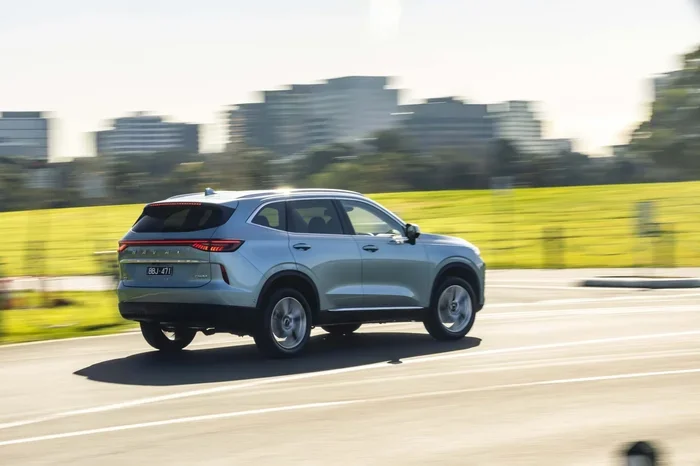
The Haval Jolion is a compact SUV that also offers AWD in certain trims. It is designed for younger drivers and urban commuters. Despite its smaller size, the Jolion AWD delivers solid SUV performance and all-weather capability.
The Jolion’s AWD system is lighter and more efficient than larger systems. This helps keep fuel economy strong, even with the added weight of the drivetrain. It is a great option if you want AWD without sacrificing efficiency.
Haval Big Dog and Dargo
For those who want a more rugged experience, Haval offers models like the Haval Big Dog and the Haval Dargo. These vehicles are built with off-road capability in mind. Their AWD systems include features like locking differentials and terrain-specific modes.
These models take Haval’s AWD technology to the next level. They can handle mud, sand, rocks, and steep inclines with ease. If you enjoy all-terrain driving or camping trips in remote areas, these are worth a serious look.
Benefits of Haval’s AWD for Everyday Driving
You might be thinking, “I mostly drive on paved roads. Do I really need AWD?” The answer is yes, and here is why.
Better Traction in Bad Weather
Rain, snow, and ice are a fact of life in many places. Haval’s AWD system gives you a major advantage when the roads get slick. The power goes to all four wheels, which means you are far less likely to get stuck or lose control.
Even if you live in a mild climate, unexpected weather happens. A sudden rainstorm can make roads dangerous. AWD helps you stay safe when conditions change quickly.
Improved Handling and Confidence
When you take a sharp turn at speed, AWD keeps the car stable. The system adjusts power delivery to match the forces acting on the vehicle. This means you can corner with more confidence, especially on uneven or slippery surfaces.
Over time, this added confidence makes you a better driver. You feel more in control, and you are less likely to make panic corrections. That is a real safety benefit for you and your passengers.
Enhanced Resale Value
AWD vehicles tend to hold their value better than front-wheel-drive equivalents. Buyers love the added capability and safety that AWD provides. If you plan to sell or trade in your Haval down the road, having AWD can make a real difference in your return.
Peace of Mind
There is a less tangible but equally important benefit: peace of mind. Knowing your vehicle can handle unexpected road conditions gives you confidence every time you get behind the wheel. You are less worried about getting stuck, sliding, or losing control. That mental ease is worth a lot.
Quick Tips for Getting the Most from Haval’s AWD
- Keep your tires properly inflated: Correct tire pressure ensures even power delivery and better grip.
- Check AWD fluid regularly: Follow your owner’s manual for fluid change intervals to protect the drivetrain.
- Use the right driving mode: Select snow or mud mode when conditions demand it for optimal performance.
- Avoid mixing tire sizes: Different tire sizes can confuse the AWD system and cause uneven wear.
- Drive smoothly: Gentle acceleration and braking reduce strain on the AWD components and improve fuel economy.
Common Mistakes with AWD Systems
Even with a great system like Haval’s AWD, some drivers make mistakes that reduce performance or cause damage. Here are a few to avoid.
Assuming AWD Makes You Invincible
AWD helps with traction, but it does not magic away the laws of physics. You can still skid, hydroplane, or lose control if you drive too fast for conditions. AWD gives you more grip, not infinite grip. Always adjust your speed to match the road.
Neglecting Maintenance
Like any system in your vehicle, the AWD drivetrain needs regular care. Skipping fluid changes or ignoring warning lights can lead to expensive repairs. Stay on top of maintenance and your Haval AWD system will reward you with years of reliable service.
Overloading the Vehicle
Haval SUVs are built to carry weight, but there are limits. Overloading puts extra stress on the drivetrain, brakes, and suspension. Check your vehicle’s payload capacity and stay within safe limits.
Using the Wrong Tires
All-season tires work well in most conditions, but they are not perfect for everything. If you live in an area with heavy snow, consider winter tires. They give the AWD system more to work with and dramatically improve stopping and handling.
Maintenance Tips for Your Haval AWD System
Keeping your AWD system in top shape is not hard. A few simple habits can extend its life and keep it performing at its best.
Regular Fluid Checks
The AWD system uses special fluid to lubricate the gears and bearings inside the transfer case and differential. Over time, this fluid breaks down and loses its effectiveness. Have it checked at every oil change and replaced according to your owner’s manual.
Inspect Drivetrain Components
During routine service, ask your technician to inspect the driveshaft, CV joints, and wheel bearings. These components wear over time and can cause vibrations or noises if they fail early. Catching problems early saves money and keeps your AWD running smoothly.
Watch for Warning Signs
Your Haval is smart. If something is wrong with the AWD system, it will usually tell you. Look out for warning lights on the dashboard, unusual noises from the drivetrain, or a feeling of vibration while driving. Address these issues promptly to prevent bigger problems.
Expert Insight: The Long-Term Value of AWD
According to automotive experts, AWD systems add long-term value to any vehicle. While the upfront cost may be slightly higher, the benefits in safety, handling, and resale value more than make up for it. Haval’s intelligent AWD systems are designed to be durable and efficient, giving you the best return on your investment over the life of the vehicle.
One thing experts emphasize is that AWD works best when combined with good driving habits. No system can replace careful, attentive driving. But when you pair smart technology with safe habits, you get the best possible driving experience.
Key Takeaways
- Smart Power Distribution: Haval’s AWD system automatically sends power to the wheels that need it most for better grip and control.
- Advanced Sensor Technology: Electronic sensors monitor road conditions in real time and adjust torque delivery instantly.
- Improved Safety: All-wheel drive enhances stability on wet, icy, and uneven surfaces, reducing the risk of slipping.
- Better Fuel Efficiency: Modern Haval AWD systems disconnect when not needed, saving fuel compared to older permanent AWD designs.
- Multiple Models Available: Popular Haval SUVs like the H6 and Jolion come equipped with intelligent AWD systems.
- Easy Maintenance: Regular checks of fluid levels and drivetrain components keep your AWD system running smoothly for years.
Conclusion
Haval’s AWD system is one of the smartest and most practical drivetrain technologies available in SUVs today. It uses real-time sensor data, intelligent torque distribution, and automatic engagement to keep you safe and confident on every road. Whether you are driving through a city downpour or exploring a forest trail, the system works silently in the background to give you the grip and stability you need.
The beauty of Haval’s approach is that it balances capability with efficiency. You get the benefits of all-wheel drive without sacrificing fuel economy or adding complexity. The system is always working, always adapting, and always ready.
If you own a Haval or are considering one, take the time to understand how your AWD system works. It will help you drive smarter, stay safer, and enjoy every mile more. The road ahead is unpredictable, but with Haval’s AWD, you are always ready for whatever comes next.
Frequently Asked Questions
Does Haval’s AWD system work in heavy snow?
Yes, Haval’s AWD system performs very well in heavy snow. The sensors detect wheel slip and redirect power to the wheels with the most grip. Combined with winter tires, it provides excellent traction and control in snowy conditions.
Is Haval’s AWD system always on?
Most Haval AWD systems operate in an on-demand mode. They primarily send power to the front wheels for better fuel efficiency and automatically engage the rear wheels when traction is needed. This smart design saves fuel while keeping you safe.
How often should I service the AWD system on my Haval?
You should have the AWD fluid checked at every oil change and replaced according to your owner’s manual, typically every 30,000 to 60,000 miles. Regular inspections of drivetrain components also help keep the system in top shape.
Can I turn off the AWD system on my Haval?
Some Haval models allow you to select two-wheel-drive mode to save fuel. However, the system will automatically re-engage AWD if it detects a loss of traction. Check your specific model’s features for details.
Does AWD improve braking distance?
AWD improves traction and handling, but it does not significantly reduce braking distance. Braking distance depends mainly on tire quality, road conditions, and driver behavior. Always maintain safe following distances regardless of your drivetrain.
Is Haval’s AWD good for off-roading?
Yes, Haval’s AWD system handles light to moderate off-roading very well. Models like the Haval Big Dog and Dargo offer terrain-specific modes and locking differentials for more challenging trails. For serious rock crawling, additional aftermarket upgrades may be needed.