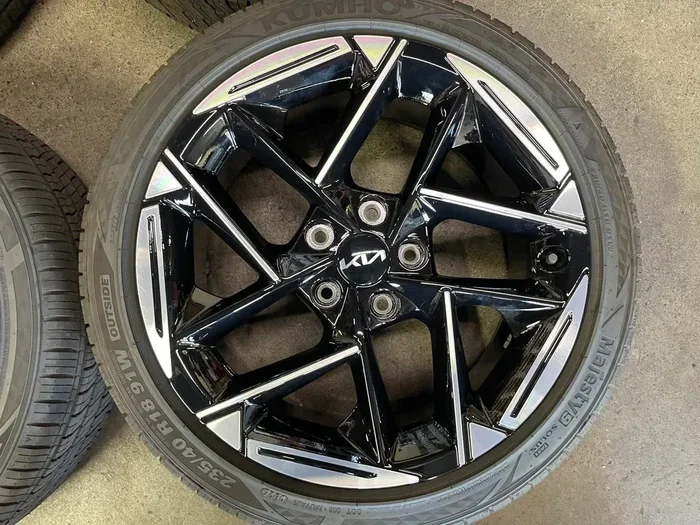
How Much Are Kia Tires The Complete Price Breakdown
The cost of Kia tires typically ranges from $600 to $1,400 for a full set of four, depending on the model, tire size, and brand you choose. Budget-friendly options start around $80 per tire, while premium all-season or performance tires can climb past $200 each. This guide breaks down Kia tire prices by model, tire type, and brand so you can make a smart, informed purchase.
If you own a Kia or are thinking about buying one, you have probably wondered about Kia tire cost at some point. Tires are one of the most important parts of your vehicle. They affect safety, handling, fuel economy, and ride comfort. But they also happen to be one of the most expensive maintenance items you will face.
The good news is that Kia tires do not have to break the bank. Whether you drive a compact Kia Forte or a large Kia Telluride, there are options at every price point. In this guide, we will walk you through everything you need to know about Kia tire pricing. We will cover costs by model, tire type, brand, and more. By the end, you will know exactly what to expect and how to save money.
Key Takeaways
- Average Kia tire cost: A full set of four tires ranges from $600 to $1,400, with individual tires costing between $80 and $250.
- Model matters: Larger Kia models like the Sorento and Telluride need bigger, more expensive tires than compact models like the Forte.
- Tire type affects price: All-season tires are the most popular and affordable, while performance and winter tires cost more.
- Brand choice is key: Budget brands like General and Falken save money, while premium brands like Michelin and Bridgestone cost more but last longer.
- OEM vs aftermarket: Kia OEM tires are convenient but aftermarket options often offer better value and more choices.
- Savings tips: Look for tire rebates, shop during sales, and consider tire packages that include mounting and balancing.
📑 Table of Contents
- How Much Are Kia Tires? The Short Answer
- Types of Kia Tires and How They Affect Price
- Kia OEM Tires vs Aftermarket Tires
- Popular Tire Brands for Kia and Their Price Ranges
- Additional Costs to Factor In
- How to Save Money on Kia Tires
- How Long Do Kia Tires Last?
- Common Mistakes Kia Owners Make When Buying Tires
- Expert Insights: What Tire Shops Want You to Know
- Final Thoughts: Finding the Right Kia Tires for Your Budget
How Much Are Kia Tires? The Short Answer
The short answer is that a full set of four Kia tires usually costs between $600 and $1,400. That includes the tires themselves plus basic installation fees like mounting and balancing. Individual tire prices range from about $80 for budget options to $250 or more for premium brands.
But this is just a starting point. The real Kia tire price depends on several factors. These include your specific Kia model, the tire size you need, the type of tire, and the brand you pick. Let us dive deeper into each of these.
Kia Tire Cost by Model
Different Kia models use different tire sizes. Larger vehicles need bigger tires, and bigger tires cost more. Here is a quick look at common Kia models and their typical tire costs.
- Kia Forte (compact sedan): Tires are usually 16 or 17 inches. A full set costs around $400 to $700.
- Kia Soul (subcompact SUV): Tires are typically 16 or 17 inches. Expect to pay $450 to $750 for a full set.
- Kia Sportage (compact SUV): Tires range from 17 to 19 inches. A full set runs about $550 to $900.
- Kia Sorento (mid-size SUV): Tires are usually 17 to 19 inches. Full set pricing falls between $600 and $1,000.
- Kia Telluride (full-size SUV): Tires are often 18 to 20 inches. A full set can cost $800 to $1,400.
- Kia Stinger (sports sedan): Tires are typically 18 to 19 inches. Plan to spend $700 to $1,100 for a full set.
These are ballpark figures. Your actual Kia tire cost will depend on the exact trim level and the tire brand you select. Always check your owner manual for the recommended tire size before shopping.
Types of Kia Tires and How They Affect Price
Not all tires are the same. The type of tire you choose has a big impact on the Kia tire price. Let us look at the main categories.
All-Season Tires
All-season tires are the most popular choice for Kia owners. They work well in dry, wet, and light snow conditions. Most Kia models come stock with all-season tires from the factory. These are also the most affordable option. You can find quality all-season tires for around $80 to $150 per tire.
Popular all-season tire brands for Kia include Michelin, Bridgestone, Goodyear, and Continental. Budget-friendly options from brands like General, Falken, and Kumho are also widely available.
Summer/Performance Tires
Summer tires, also called performance tires, offer better grip and handling in warm weather. They are a great fit for sporty Kia models like the Stinger. However, they do not work well in cold or snowy conditions. Performance tires typically cost between $120 and $250 per tire.
If you live in a warm climate and enjoy spirited driving, summer tires are worth considering. Just know they wear out faster than all-season tires in certain conditions.
Winter Tires
Winter tires are designed for snow and ice. They use a softer rubber compound that stays flexible in cold temperatures. If you live in a region with harsh winters, winter tires are a smart investment. They usually cost $100 to $200 per tire. Many Kia owners buy a second set of wheels to switch between all-season and winter tires easily.
All-Terrain Tires
All-terrain tires are built for off-road driving. They have a more aggressive tread pattern and stronger sidewalls. If you own a Kia Sorento or Telluride and like to venture off the beaten path, all-terrain tires are a solid choice. They typically cost $130 to $220 per tire.
Kia OEM Tires vs Aftermarket Tires
When it is time to replace your tires, you will hear the terms OEM and aftermarket. Understanding the difference can save you money.
What Are Kia OEM Tires?
OEM tires are the ones that come on your Kia from the factory. Kia often partners with tire brands like Michelin, Continental, and Goodyear for their OEM rubber. These tires are chosen specifically for each model to match the vehicle’s performance and comfort goals.
OEM tires are convenient. You know they will fit and perform as intended. But they often come with a markup. You may pay more for a Kia OEM tire than for a similar aftermarket tire with the same brand and model.
What Are Aftermarket Tires?
Aftermarket tires are any tire not installed by the factory. You can buy them from tire shops, online retailers, or big-box stores. The good news is that aftermarket tires give you far more choices. You can pick from hundreds of tire models, sizes, and brands.
Aftermarket tires often cost less than OEM options. You can also find better deals during sales events or through tire rebate programs. Many Kia owners save 15 to 30 percent by going aftermarket.
Which Should You Choose?
For most Kia owners, aftermarket tires are the better value. You get the same quality at a lower price. The key is to match the tire size, load rating, and speed rating to your vehicle specifications. Check your owner manual or the tire placard on the driver’s door jamb for these details.
Popular Tire Brands for Kia and Their Price Ranges
The brand you choose plays a big role in your Kia tire price. Here is a look at some popular brands and what you can expect to pay.
- Michelin: Premium brand known for durability and performance. Tires cost $150 to $250 each.
- Bridgestone: Reliable all-around brand. Prices range from $100 to $200 per tire.
- Goodyear: Great balance of quality and value. Expect $90 to $180 per tire.
- Continental: European brand with excellent grip. Tires run $120 to $220 each.
- General Tire: Budget-friendly option from the Continental family. Prices start around $70 to $120 per tire.
- Falken: Solid mid-range brand. Tires cost $80 to $150 each.
- Kumho: Another affordable choice. Prices range from $65 to $130 per tire.
- Cooper: Good value with solid performance. Tires run $80 to $160 each.
Premium brands like Michelin and Continental tend to last longer and offer better performance. But budget brands like General and Kumho are surprisingly good for everyday driving. If you put low miles on your car each year, a budget tire may be all you need.
Additional Costs to Factor In
The price of the tires themselves is not the only cost. There are additional fees you should plan for when replacing Kia tires.
Installation and Service Fees
Most tire shops charge for mounting, balancing, and valve stem replacement. These fees typically run $15 to $30 per tire. Some shops offer free installation when you buy a full set of four tires. This is a great way to save money.
Road Hazard Protection
Many tire retailers offer road hazard protection plans. These cover flats, blowouts, and punctures for a set period. Plans usually cost $10 to $20 per tire. They can be worth it if you drive a lot or hit rough roads often.
Tire Rotation and Alignment
Regular tire rotation helps your Kia tires wear evenly. Most experts recommend rotating your tires every 5,000 to 7,500 miles. A tire rotation costs about $25 to $50. A wheel alignment, which is recommended after tire replacement, runs $75 to $100.
TPMS Sensor Replacement
Kia vehicles come equipped with Tire Pressure Monitoring System (TPMS) sensors. If a sensor is damaged during tire installation, it may need replacement. TPMS sensor replacement costs $50 to $100 per sensor. Ask your tire shop if they include TPMS service in their installation package.
How to Save Money on Kia Tires
Replacing tires can feel expensive, but there are several ways to cut costs. Here are some practical tips.
Shop During Sales Events
Tire retailers often run sales during holiday weekends and seasonal changes. Black Friday, Memorial Day, and Labor Day are popular times for tire deals. You can save $20 to $50 per tire during these events.
Look for Tire Rebates
Many tire brands offer rebates throughout the year. These can range from $50 to $120 per tire. Check the manufacturer websites or ask your tire shop about current promotions. Stacking a rebate with a sale can lead to big savings.
Buy Online
Online tire retailers often have lower prices than brick-and-mortar stores. Websites like Tire Rack and SimpleTire offer competitive pricing and free shipping. Just make sure the retailer includes mounting and balancing at a local partner shop.
Consider Tire Packages
Some shops offer tire packages that include the tires, mounting, balancing, and road hazard protection at a bundled price. These packages can save you $50 to $100 compared to buying each service separately. Always ask about package deals before you commit.
Maintain Your Current Tires
The best way to save money on Kia tires is to make your current set last longer. Keep your tire pressure at the recommended level. Rotate your tires on schedule. Avoid hard braking and sharp turns when possible. Proper maintenance can add thousands of miles to your tire life.
How Long Do Kia Tires Last?
Most Kia tires last between 40,000 and 60,000 miles. Premium brands like Michelin and Continental tend to hit the upper end of that range. Budget tires may wear out closer to the 40,000-mile mark.
Your driving habits also play a role. If you do a lot of highway driving, your tires will wear more evenly and last longer. City driving with lots of stops and starts tends to wear tires faster. Weather conditions matter too. Extreme heat, cold, and rough roads all shorten tire lifespan.
Check your tire tread regularly. A simple penny test can tell you when it is time for new tires. Insert a penny into the tread with Lincoln’s head facing down. If you can see the top of his head, your tread is too worn and it is time to replace the tires.
Common Mistakes Kia Owners Make When Buying Tires
Avoiding these common mistakes can save you money and headaches.
- Buying the wrong size: Always double-check your tire size before purchasing. The wrong size can affect handling and safety.
- Ignoring load and speed ratings: Kia vehicles have specific load and speed requirements. Choosing tires with lower ratings can be dangerous.
- Skipping alignment: A new set of tires will wear unevenly without a proper alignment. Always get an alignment after replacing tires.
- Choosing price over quality: The cheapest tires may save money upfront but wear out faster. Consider the cost per mile, not just the upfront price.
- Neglecting tire pressure: Underinflated tires wear out faster and reduce fuel economy. Check your pressure at least once a month.
Expert Insights: What Tire Shops Want You to Know
We spoke with several tire professionals to get their advice on buying Kia tires. Here is what they had to say.
“The biggest mistake customers make is not shopping around,” says a tire shop manager in Austin, Texas. “Prices can vary by $50 or more for the same tire model at different shops. Always get quotes from at least two or three places.”
Another expert recommends considering the total cost of ownership. “A $200 tire that lasts 60,000 miles is actually cheaper than a $120 tire that lasts 35,000 miles,” he explains. “Look at the cost per mile when comparing options.”
One more tip from the pros: do not wait until your tires are completely worn. “When the tread gets down to 4/32 of an inch, it is time to start shopping,” a tire specialist advises. “Waiting too long can compromise your safety, especially in wet or snowy conditions.”
Final Thoughts: Finding the Right Kia Tires for Your Budget
The Kia tire price you pay depends on your vehicle, your driving needs, and your budget. For most Kia owners, a full set of all-season tires from a reputable brand will cost between $600 and $1,000 installed. That is a worthwhile investment in safety and performance.
If you want to save money, consider aftermarket tires from budget-friendly brands. If you prioritize performance and longevity, premium tires from Michelin or Continental are worth the extra cost. Either way, knowing what to expect helps you make a confident decision.
Take your time when shopping for Kia tires. Compare prices, read reviews, and ask questions. The right set of tires will keep your Kia running smoothly for thousands of miles to come.
Frequently Asked Questions
What is the average Kia tire cost for a full set?
Most Kia owners pay between $600 and $1,400 for a full set of four tires installed. The exact Kia tire price depends on your model, tire size, and brand choice. Compact models like the Forte cost less, while larger SUVs like the Telluride require pricier tires.
How often should I replace my Kia tires?
Kia tires typically last between 40,000 and 60,000 miles. Premium brands tend to last longer, while budget tires wear out faster. Regular tire rotation and proper inflation can help extend tire life significantly.
Can I use aftermarket tires on my Kia?
Yes, aftermarket tires are a great option for Kia owners. They offer more choices and often cost less than OEM tires. Just make sure the tire size, load rating, and speed rating match your vehicle specifications.
Are run-flat tires available for Kia models?
Some Kia models come equipped with run-flat tires from the factory. These tires allow you to drive a short distance after a puncture. Run-flat tires cost more than standard tires, typically $150 to $250 per tire. Check your owner manual to see if your Kia uses run-flat tires.
What is the best tire brand for a Kia?
Michelin, Bridgestone, and Goodyear are all excellent choices for Kia vehicles. The best brand depends on your budget and driving needs. For all-around value, Michelin and Continental are top picks. For budget-conscious buyers, General and Falken offer solid performance at lower prices.
Does Kia offer a tire warranty?
Kia does not offer a separate tire warranty, but many tire manufacturers provide their own warranty. Most tire brands cover defects for the life of the tire or a set number of miles. Some also offer road hazard protection plans through authorized retailers.
=== CONCLUSION ===
Understanding how much Kia tires cost is the first step toward making a smart purchase. Whether you need budget-friendly all-season tires or premium performance rubber, there is an option that fits your needs and your wallet. Remember to factor in all costs, including installation, alignment, and any extra services. With the right approach, you can get a great set of Kia tires without overspending. Use the tips and price ranges in this guide to shop with confidence and keep your Kia rolling safely for miles to come.