Here Is How to Turn On Rain-Sensing Wipers in Hyundai
Rain-sensing wipers in Hyundai cars automatically detect moisture on your windshield and adjust wiper speed accordingly. This smart feature makes driving safer and more convenient during rainy weather. In this guide, we walk you through exactly how to activate and customize rain-sensing wipers in your Hyundai vehicle.
Driving in the rain can be stressful. You are focused on the road, visibility is dropping, and you keep reaching for the wiper stalk. What if your Hyundai could handle this for you? Rain-sensing wipers do exactly that. They detect moisture on your windshield and activate automatically. No need to fiddle with controls. No need to take your eyes off the road.
Many modern Hyundai vehicles come equipped with this smart feature. But knowing how to turn it on is only half the battle. Understanding how it works, how to adjust it, and how to keep it maintained makes all the difference. This guide covers everything you need to know about rain-sensing wipers in Hyundai cars. Whether you drive a sedan or an SUV, the steps are similar and easy to follow.
The rain-sensing wiper system uses a sensor mounted on the windshield. It measures the amount of water and tells the wipers how fast to go. This is a huge upgrade from manual wipers. You get a clearer view, less distraction, and a more comfortable drive. Let us dive into the details.
Key Takeaways
- Easy Activation: Turning on rain-sensing wipers in Hyundai models is simple and can be done through the steering wheel controls or dashboard settings.
- Sensor Location: The rain sensor is typically mounted behind the rearview mirror on the windshield, detecting moisture levels automatically.
- Customizable Settings: You can adjust sensitivity levels to match your driving preferences and local weather conditions.
- Maintenance Matters: Keeping the sensor and windshield clean ensures the system works reliably every time it rains.
- Model Variations: Different Hyundai models may have slightly different controls, so always check your owner’s manual for specific instructions.
📑 Table of Contents
- Understanding Rain-Sensing Wiper Technology in Hyundai
- How to Turn On Rain-Sensing Wipers in Hyundai
- Adjusting Rain-Sensing Wiper Sensitivity
- Hyundai Models That Feature Rain-Sensing Wipers
- Maintaining Your Rain-Sensing Wiper System
- Common Mistakes to Avoid with Rain-Sensing Wipers
- Expert Tips for Driving with Rain-Sensing Wipers
- Conclusion
Understanding Rain-Sensing Wiper Technology in Hyundai
Before you learn how to turn on the feature, it helps to understand how it works. The technology is simpler than most people think. A small sensor sits on the inside of your windshield, usually behind the rearview mirror. It emits an infrared beam that bounces off the glass. When raindrops land on the windshield, the beam scatters. The sensor detects this change and signals the wiper system to activate.
The system adjusts wiper speed based on how heavy the rain is. Light drizzle gets a slow wipe. Heavy downpour triggers faster, more frequent wipes. Some Hyundai models also let you control the sensitivity. This means you can set the system to respond only to heavier rain or to react to even the lightest mist.
How the Rain Sensor Works
The sensor uses a principle called total internal reflection. A light beam stays inside the glass when it is dry. When water hits the surface, the light escapes and the sensor picks it up. This happens in milliseconds. The whole process is almost instantaneous. You do not need to press any button for basic operation.
Here is a quick breakdown of the process:
- The sensor emits an infrared light beam onto the windshield.
- The beam reflects back when the glass is dry.
- Raindrops disrupt the reflection pattern.
- The control module interprets the disruption as rain.
- The wipers activate automatically at an appropriate speed.
This technology is part of a broader category of advanced driver-assistance systems in Hyundai vehicles. It works alongside other smart features like automatic headlights and collision avoidance. Together, these systems make modern Hyundai cars safer and more enjoyable to drive.
How to Turn On Rain-Sensing Wipers in Hyundai
Now that you understand the technology, let us get to the main question. How do you actually activate rain-sensing wipers in your Hyundai? The process varies slightly depending on your model and year. But the general steps are straightforward. Most Hyundai vehicles with this feature have a dedicated control on the steering column or dashboard.
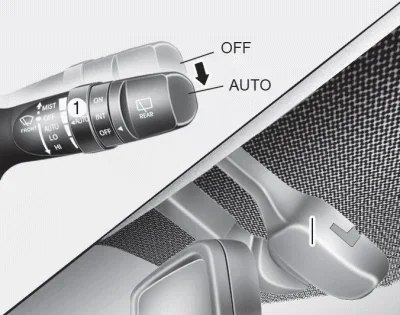
Start by locating the wiper control stalk on the left side of your steering column. In many Hyundai models, you will find a rotary dial or a button near the stalk. Look for an icon that looks like a windshield with curved lines. This is the symbol for automatic or rain-sensing wiper mode.
Step-by-Step Activation Guide
Follow these steps to activate the feature in most Hyundai models:
- Turn the ignition on and make sure the vehicle is in park.
- Locate the wiper control stalk on the left side of the steering column.
- Push the stalk upward to the AUTO position. You will see the rain-sensing icon light up on your dashboard.
- Wait a moment for the system to initialize. The sensor needs a second to calibrate.
- Drive the vehicle and the wipers should activate automatically when moisture is detected.
Some Hyundai models use a button instead of a stalk. In these vehicles, you press the rain-sensing button on the dashboard or center console. The button is usually marked with the same windshield icon. Once pressed, the system goes into automatic mode and the wipers respond to rainfall in real time.
If you own a Hyundai Sonata or a Hyundai Tucson, the process is very similar. These popular models include rain-sensing wipers as part of their premium feature packages. For those interested in other Hyundai models with advanced features, you can explore options like the 4-cylinder hatchback cars in India that offer modern convenience features.
What If the Rain-Sensing Mode Is Not Working?
Sometimes the system does not engage as expected. This can happen for several reasons. The most common cause is a dirty windshield. Dirt, grime, or even a film from car wash residue can confuse the sensor. The sensor needs a clear view of the glass to work properly.
Another possibility is a blown fuse or a wiring issue. If the dashboard icon does not light up when you switch to AUTO mode, check your owner’s manual for fuse box locations. A third reason could be a faulty sensor itself. Sensors can degrade over time, especially in areas with hard water or heavy pollution.
Here are some quick fixes to try:
- Clean the windshield thoroughly, both inside and outside.
- Check the sensor area behind the rearview mirror for dirt or debris.
- Verify that the wiper fluid reservoir is not empty.
- Inspect the fuse box for a blown wiper fuse.
- Restart the vehicle and try activating the system again.
Adjusting Rain-Sensing Wiper Sensitivity
One of the best things about rain-sensing wipers is that you can fine-tune them. Not everyone wants the same level of responsiveness. Some drivers prefer the wipers to activate at the first drop of rain. Others want them to ignore light mist and only respond to heavier rainfall. Hyundai builds in options to accommodate these preferences.
Finding the Sensitivity Settings
The sensitivity adjustment is usually accessible through the infotainment system or the steering wheel controls. In most Hyundai models, you can reach the settings by following this path:
- Press the Home or Settings button on your touchscreen.
- Navigate to Vehicle Settings.
- Look for the Wipers or Wiper Control section.
- Select Rain-Sensing Sensitivity.
- Choose from Low, Medium, or High sensitivity.
Setting the sensitivity to High means the wipers will activate with even a light sprinkle. This is great for coastal areas or during monsoon season. Setting it to Low means the system waits for more substantial rainfall before engaging. This is ideal for light drizzles where you do not need constant wiping.
Keep in mind that the sensitivity setting also affects how quickly the wipers speed up or slow down. A high-sensitivity setting will make the wipers react faster to changes in rain intensity. This keeps your windshield clearer with less delay.
Tips for Getting the Most Out of Sensitivity Settings
Here are some practical tips to help you get the best experience:
- Adjust for the season: Increase sensitivity during monsoon months and decrease it during dry spells.
- Consider your driving environment: City driving with frequent light rain calls for higher sensitivity.
- Test in different conditions: Try different settings on your next rainy drive to find what works best.
- Reset after cleaning: If you just cleaned your windshield, the sensor may need a moment to recalibrate.
For those interested in maintaining the overall health of their vehicle, keeping your windshield in top condition is essential. You might want to learn about 30 unwanted things you can remove from car glass to ensure your windshield stays clear and the sensor works optimally.
Hyundai Models That Feature Rain-Sensing Wipers
Not every Hyundai model comes with rain-sensing wipers as standard. The feature is typically found in higher trim levels or as part of an optional package. Understanding which models offer this feature helps you make an informed decision when buying or renting a vehicle.
Popular Hyundai Models with Rain-Sensing Wipers
The following Hyundai models commonly include rain-sensing wiper technology:
- Hyundai Sonata: This midsize sedan offers rain-sensing wipers in its premium trims. The Sonata is known for its comfort and technology-packed interior.
- Hyundai Tucson: The compact SUV includes automatic rain-sensing wipers in its higher-end variants. It is a popular choice for families.
- Hyundai Elantra: Some trim levels of the Elantra feature this technology, especially in newer model years.
- Hyundai Santa Fe: The larger SUV offers rain-sensing wipers as part of its driver-assistance suite.
- Hyundai Kona: Select versions of this compact crossover include the feature in their tech packages.
If you are looking at Hyundai vehicles for a road trip or family vacation, rain-sensing wipers add a layer of convenience and safety. For those considering a larger vehicle, you can explore options like 7 seater car for rent in Bangalore or similar models that may include advanced wiper systems.
Trim Levels and Feature Availability
The availability of rain-sensing wipers depends heavily on the trim level. Base models usually come with manual wipers only. Mid-level trims may include the feature as part of a convenience package. Top-tier trims often include it as standard equipment along with other smart features like automatic headlights and climate-controlled seats.
When shopping for a Hyundai, always check the feature list for the specific trim you are interested in. Dealers can confirm whether a particular model year includes rain-sensing wipers. You can also check the vehicle identification number (VIN) to confirm factory-installed features.
Maintaining Your Rain-Sensing Wiper System
Like any electronic system in your car, rain-sensing wipers need regular care. Proper maintenance keeps the system working reliably for years. Neglecting maintenance can lead to false activations, delayed responses, or complete system failure.
Cleaning the Windshield and Sensor
The sensor needs a clear line of sight to the windshield surface. Even a thin film of dust or wax can interfere with its readings. Here is how to keep the sensor area clean:
- Wipe the area behind the rearview mirror with a microfiber cloth every time you clean your windshield.
- Use a glass cleaner that is ammonia-free to avoid damaging the sensor coating.
- Avoid applying wax or sealant directly over the sensor area.
- Clean the windshield from the inside to remove oils and residue that can distort sensor readings.
Regular wiper blade replacement also plays a role in system performance. Worn blades can leave streaks that confuse the sensor. Replace your wiper blades every six to twelve months, or sooner if you notice skipping or streaking.
Seasonal Maintenance Tips
Different seasons bring different challenges for your wiper system:
- Monsoon season: Test the system frequently. Heavy rain can overwhelm a dirty sensor.
- Winter: Ice and frost can block the sensor. Use your defroster to clear the windshield before relying on automatic wipers.
- Summer: Pollen and dust can accumulate on the sensor. A weekly windshield wipe-down helps during allergy season.
- Fall: Wet leaves on the windshield can trigger the sensors. Be mindful of this when driving through wooded areas.
For broader car care tips, maintaining your windshield and glass surfaces is a great place to start. A clean windshield not only helps the rain sensor but also improves your overall visibility and driving safety.
Common Mistakes to Avoid with Rain-Sensing Wipers
Even though the system is designed to be hassle-free, some common mistakes can cause problems. Avoiding these pitfalls keeps your rain-sensing wipers working at their best.
Mistake 1: Ignoring the Dashboard Warning Light
If the rain-sensing icon on your dashboard flashes or stays on, do not ignore it. This usually means the system has detected an issue. It could be as simple as a dirty sensor or as serious as a faulty control module. Address the warning promptly to avoid being caught off guard in a downpour.
Mistake 2: Using the Wrong Wiper Fluid
Not all wiper fluids are the same. Using a low-quality or incorrect fluid can leave residue on the windshield. This residue interferes with the sensor. Always use a quality windshield washer fluid designed for automotive use. In cold climates, use a winter-grade fluid to prevent freezing.
Mistake 3: Forgetting to Turn Off Automatic Mode
Rain-sensing wipers are great when it is raining. But they can be annoying on a dry day if they keep activating due to dust or bugs. Always remember to switch back to manual mode when the rain stops. Most vehicles have a simple toggle for this. Just push the stalk down or press the button again to return to manual control.
Mistake 4: Neglecting Wiper Blade Replacement
Old wiper blades drag across the glass and leave uneven streaks. The rain sensor reads these streaks as moisture and may activate unnecessarily or fail to activate when needed. Replace your blades regularly. It is a small cost that pays off in reliability and visibility.
Expert Tips for Driving with Rain-Sensing Wipers
Getting the most out of your rain-sensing wipers is about more than just turning them on. A few expert tips can elevate your rainy-day driving experience and keep you safer on the road.
Combine with Other Safety Features
Hyundai vehicles often pair rain-sensing wipers with automatic headlights. When it starts to rain, both systems activate together. This creates a seamless driving experience with minimal input from you. Make sure both features are enabled in your vehicle settings for the best results.
Know When to Override the System
The automatic system is smart, but it is not perfect. Sometimes you know better than the sensor. For example, if you are driving through a car wash or a tunnel with dripping water, the wipers may activate unnecessarily. In these cases, switch to manual mode and take control. Once the situation passes, switch back to automatic mode.
Keep Your Windshield Treatment Consistent
Some windshield treatments, like rain-repellent coatings, work well with rain-sensing wipers. These coatings cause water to bead up and roll off the glass. This reduces the workload on both the wipers and the sensor. Just make sure the treatment you use is compatible with sensor-based wiper systems.
Update Your Vehicle Software
Hyundai occasionally releases software updates that improve wiper system performance. These updates can refine sensor calibration and improve response times. Check with your dealer or use the Hyundai app to see if any updates are available for your vehicle.
For those looking to explore the broader Hyundai lineup, vehicles like the 4 seater sports car in India also feature advanced technology packages that may include rain-sensing systems.
Conclusion
Rain-sensing wipers in Hyundai vehicles are a fantastic convenience that makes rainy driving safer and less stressful. Now you know exactly how to turn them on, adjust their sensitivity, and maintain them for long-term reliability. The process is simple, but the benefits are significant. You get clearer visibility, fewer distractions, and a more modern driving experience every time it rains.
Remember to keep your windshield and sensor clean, replace your wiper blades regularly, and adjust sensitivity settings to match your environment. These small habits go a long way in ensuring your rain-sensing wipers in Hyundai work flawlessly whenever you need them most. Take a few minutes today to familiarize yourself with your vehicle’s controls. You will be glad you did the next time a storm rolls in.
Frequently Asked Questions
Can I install rain-sensing wipers in a Hyundai model that does not come with them?
Aftermarket rain-sensing wiper kits are available and can be installed in compatible Hyundai models. However, installation complexity varies, and professional fitting is recommended to ensure the sensor works correctly with your vehicle’s electrical system.
How do I know if my Hyundai has rain-sensing wipers?
Check your owner’s manual or look for the rain-sensing wiper icon on your dashboard or steering controls. You can also check the vehicle’s trim level and feature list, as this feature is typically found in mid to high-end trims.
Do rain-sensing wipers work in all weather conditions?
Rain-sensing wipers work best in light to moderate rain. Heavy storms with thick water sheets may occasionally overwhelm the sensor. Snow and ice can also interfere with the system, so manual mode is recommended in those conditions.
How often should I clean the rain sensor on my Hyundai?
It is a good practice to clean the sensor area at least once a month. If you frequently drive in dusty or polluted areas, clean it more often. A simple wipe with a microfiber cloth is usually all it takes.
Can dirty windshield washer fluid affect rain-sensing wipers?
Yes. Dirty or low-quality washer fluid can leave a film on the windshield that interferes with the sensor. Always use clean, quality windshield washer fluid to maintain optimal sensor performance.
What should I do if the rain-sensing wipers keep activating on a dry day?
This usually happens when the sensor is dirty or when dust, bugs, or water spots on the windshield confuse the system. Clean the windshield and the sensor area thoroughly. If the problem persists, consult a Hyundai service center for a diagnostic check.