How to Measure Positioning and Stand Out in Your Market
Learning how to measure positioning is the first step toward building a powerful automotive brand. This guide covers practical tools, real methods, and actionable tips you can use right away. You will discover how to track your brand perception, analyze competitors, and find your unique edge in a crowded market. Whether you run a dealership or a car brand, these strategies will help you grow with confidence.
In the automotive world, standing out matters more than ever. There are dozens of car brands, countless models, and endless choices for buyers. So how do you make sure your brand gets noticed? The answer starts with how to measure positioning. When you understand where your brand sits in the market, you can make smarter decisions. You can connect with the right customers. And you can build a brand that lasts.
Measuring positioning is not just about numbers. It is about understanding feelings, perceptions, and real-world behavior. This guide will walk you through everything you need to know. From the basics of brand positioning to advanced measurement techniques, you will find practical advice you can use today. Let us dive in and explore how to measure positioning the right way.
Key Takeaways
- Positioning measurement gives you clarity: It tells you exactly where your brand sits in the minds of customers.
- Use multiple tools and methods: Surveys, perceptual maps, and competitive analysis all play a role in measuring positioning accuracy.
- Know your target audience deeply: Understanding customer perception is the foundation of any strong positioning strategy.
- Avoid common mistakes: Skipping data collection or ignoring competitor moves can weaken your brand identity over time.
- Act on what you learn: Measuring positioning without making changes is like checking your speedometer but never adjusting the gas pedal.
- Real-world examples teach best: Looking at how top automotive brands measure and refine their positioning gives you a clear roadmap.
📑 Table of Contents
- What Is Market Positioning and Why It Matters
- How to Measure Positioning in the Automotive Industry
- Tools and Methods for Measuring Brand Position
- Common Mistakes When Measuring Positioning
- How to Improve Your Automotive Brand Position
- Real-World Examples of Strong Automotive Positioning
- Key Metrics to Track for Positioning Success
- Quick Tips for Measuring Positioning Like a Pro
- Conclusion
What Is Market Positioning and Why It Matters
Market positioning is the place your brand holds in the minds of your customers. It is the reason someone chooses your car over another. It is the feeling they get when they see your logo. How to measure positioning starts with understanding this concept deeply. Without a clear position, your brand becomes forgettable. You blend in with the crowd. And blending in is the worst thing you can do in the automotive industry.
Think about it this way. When you think of luxury cars, what comes to mind? Maybe it is a certain badge on the front of a vehicle. Maybe it is the smooth ride or the premium sound system. That mental image is positioning. It is what your brand represents. And the better you can measure that image, the better you can protect and grow it.
Why Automotive Brands Need Strong Positioning
The car market is incredibly competitive. Every brand fights for attention. Some focus on affordability. Others focus on performance. Some target families. Others target adventure seekers. No matter what your focus is, you need a clear position. Here is why:
- Customer trust grows with clarity: When buyers understand what your brand stands for, they trust you more.
- Marketing becomes more effective: A clear position makes your ads sharper and more relevant.
- Pricing power increases: Strong positioning allows you to charge premium prices without losing customers.
- Loyalty improves over time: Customers who connect with your position become repeat buyers and brand advocates.
Measuring positioning helps you check whether your brand is hitting the mark. It shows you gaps. It reveals opportunities. And it gives you a roadmap for growth.
How to Measure Positioning in the Automotive Industry
Now that you understand the basics, let us talk about the actual process. How to measure positioning in the automotive industry involves several key steps. Each step builds on the last. Together, they give you a complete picture of your brand’s standing.
Step 1: Define Your Brand Identity
Before you can measure anything, you need to know what you stand for. Ask yourself some important questions. What makes your brand different? What values do you represent? Who is your ideal customer? Your brand identity is the foundation of your positioning. Without a strong identity, your measurements will lack direction.
Write down your core brand values. List the qualities that make your brand unique. This exercise will guide every measurement you take going forward.
Step 2: Identify Your Target Audience
You cannot measure positioning without knowing who you are measuring for. Your target audience shapes everything. A luxury SUV brand measures positioning differently than a budget sedan brand. Family vehicles appeal to different buyers than sports cars. Understanding your audience is essential to getting accurate results.
Create detailed customer profiles. Include demographics, buying habits, and preferences. The more you know about your audience, the better your measurements will be.
Step 3: Conduct a Competitive Analysis
Your brand does not exist in a vacuum. You have competitors. And those competitors are also trying to measure and improve their positioning. A competitive analysis helps you see where you stand relative to others in the market.
Look at the top five brands in your segment. What do they do well? Where do they fall short? How do customers perceive them compared to you? Answering these questions gives you a clear competitive landscape. It also highlights your unique selling proposition — the thing that makes you different and better.
Tools and Methods for Measuring Brand Position
Measuring positioning is not guesswork. There are real, proven tools and methods you can use. Each one offers a different lens through which to view your brand. Using a combination of these methods gives you the most accurate picture.
Customer Surveys and Perception Studies
Surveys are one of the most direct ways to measure positioning. You ask your customers — or potential customers — what they think about your brand. You ask about quality, value, trust, and image. The responses give you raw data you can analyze and act on.
Keep your surveys short and focused. Ask questions like:
- How would you describe our brand in three words?
- What sets us apart from other car brands you know?
- How likely are you to recommend us to a friend?
- What do you associate with our brand?
The answers to these questions reveal your brand perception in real time. You can track changes over months and years to see if your efforts are working.
Perceptual Mapping
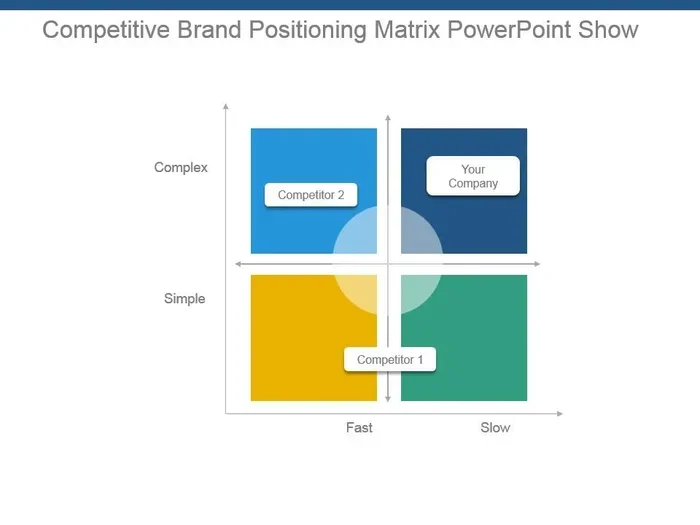
A perceptual map is a visual tool that shows how customers see different brands. It plots brands on a grid based on two key attributes. For example, you might plot brands on a scale from “affordable” to “luxury” and from “sporty” to “comfortable.”
The result is a clear picture of where each brand sits. You can see gaps in the market. You can see where customers place your brand versus competitors. Perceptual mapping is one of the most powerful brand positioning tools available. It turns abstract perceptions into concrete, actionable data.
Social Media Listening and Online Reviews
People talk about brands online. They share opinions on social media. They write reviews on dealership websites and car forums. Listening to these conversations is a form of measuring brand positioning in the digital age.
Use social media monitoring tools to track mentions of your brand. Look for patterns in the language people use. Are they calling you reliable? Fast? Expensive? Affordable? These words tell you a lot about your positioning. They also give you real customer insights you cannot get any other way.
Market Share and Sales Data Analysis
Numbers do not lie. Looking at your market share and sales trends gives you a quantitative view of your positioning. If your market share is growing, your positioning is likely working. If it is shrinking, something needs to change.
Compare your data against competitors. Track changes over time. Look for seasonal patterns and external factors. Sales data is one of the most objective ways to measure whether your positioning resonates with buyers.
Net Promoter Score (NPS)
NPS measures customer loyalty and willingness to recommend. It is a simple score from zero to one hundred. A high NPS means your customers love your brand. A low NPS means there is work to do.
For automotive brands, NPS is especially useful. Car buying is a big decision. Customers who recommend your brand are your strongest advocates. Tracking NPS over time gives you a clear picture of how your positioning is performing in the real world.
Common Mistakes When Measuring Positioning
Even the best brands make mistakes when measuring positioning. Knowing what to avoid is just as important as knowing what to do. Here are some common pitfalls to watch out for.
Relying on a Single Method
No single measurement tool tells the whole story. Surveys give you opinions. Sales data gives you numbers. Social listening gives you real-time sentiment. Using only one method gives you an incomplete picture. Combine multiple methods for the most accurate results.
Ignoring Competitor Movements
The automotive market moves fast. New models launch every year. Brands shift their strategies. If you ignore what competitors are doing, your positioning data becomes outdated quickly. Regular competitive analysis keeps your measurements current and relevant.
Confusing Features with Positioning
A car has many features. Leather seats. A powerful engine. A sleek design. But features are not positioning. Positioning is about the overall impression your brand creates. Do not confuse what your car can do with what your brand means to customers.
Measuring Only Once
Positioning is not static. It changes over time. Customer perceptions shift. Markets evolve. Measuring positioning once and never checking again is a recipe for stagnation. Make measurement an ongoing part of your brand strategy.
How to Improve Your Automotive Brand Position
Measuring positioning is only half the battle. The other half is taking action. Once you know where your brand stands, you can make deliberate improvements. Here is how to use your measurement data to strengthen your position.
Refine Your Positioning Statement
Your positioning statement is a short, clear declaration of what makes your brand unique. It should reflect what you learned from your measurements. If customers see you as reliable but you want to be seen as innovative, your statement needs to evolve. Update it regularly based on fresh data.
Align Marketing with Your Measured Position
Your marketing should reflect your actual positioning. If your measurements show customers see you as affordable and practical, your ads should emphasize those qualities. Misalignment between your marketing and your measured position confuses customers and weakens your brand.
Invest in Customer Experience
Every interaction a customer has with your brand affects positioning. The buying experience. The test drive. The after-sales service. All of these touchpoints shape perception. Invest in improving the customer experience at every stage. Positive experiences reinforce strong positioning.
Monitor and Adapt Continuously
The best brands never stop measuring. They treat positioning as a living, breathing part of their strategy. Set up regular measurement cycles. Review your data quarterly at minimum. Stay alert to market changes and adjust your approach accordingly.
Real-World Examples of Strong Automotive Positioning
Learning from real brands makes the concept of measuring positioning much easier to grasp. Let us look at a few examples from the automotive world.
Toyota: Reliability as a Core Position
Toyota built its brand around reliability. Customers trust Toyota vehicles to last. The brand measures this positioning through consistent surveys and high NPS scores. Their marketing always reinforces the reliability message. And the results speak for themselves — Toyota is one of the best-selling brands in the world.
Tesla: Innovation and Electric Leadership
Tesla positioned itself as the leader in electric vehicle innovation. Their measurements focus heavily on brand perception around technology and sustainability. Social media listening shows customers associate Tesla with cutting-edge design and forward-thinking values. This strong position helps Tesla command premium prices in a competitive market.
Ford: American Muscle and Practicality
Ford has a long history of positioning around American identity and practical performance. Their market segmentation strategy targets both truck lovers and everyday drivers. Ford regularly measures positioning through sales data and customer feedback to ensure their brand message stays relevant across generations.
These examples show that strong positioning does not happen by accident. It is measured, refined, and protected over time. How to measure positioning is not just a theoretical exercise. It is a practical, ongoing process that drives real business results.
Key Metrics to Track for Positioning Success
To get the most out of your measurement efforts, focus on the right metrics. Here are the key indicators that tell you whether your positioning is working.
- Brand Awareness Rate: How many people in your target market recognize your brand?
- Brand Association Score: What words or qualities do customers link to your brand?
- Customer Acquisition Cost: Is your positioning making it easier and cheaper to attract new buyers?
- Customer Lifetime Value: Are your positioned customers staying loyal and buying more over time?
- Share of Voice: How much of the conversation in your market is about your brand?
- Competitive Share of Preference: When customers compare you to competitors, how often do they choose you?
Tracking these metrics gives you a dashboard of positioning health. You can spot problems early. You can celebrate wins. And you can make data-driven decisions with confidence.
Quick Tips for Measuring Positioning Like a Pro
- Start with clear goals: Know what you want to learn before you start measuring.
- Use a mix of qualitative and quantitative methods: Surveys give you numbers. Interviews give you depth.
- Benchmark against competitors: Your position only makes sense in context.
- Segment your audience: Different groups perceive your brand differently. Measure each group separately.
- Revisit your measurements regularly: Positioning is not a one-time project. It is an ongoing practice.
- Share results with your team: Everyone in your organization should understand where the brand stands.
- Act on insights quickly: The value of measurement comes from the actions you take afterward.
Conclusion
How to measure positioning is one of the most important skills any automotive brand can develop. It gives you clarity. It gives you direction. And it gives you a competitive edge. In a market filled with choices, the brands that measure and refine their positioning are the ones that win.
Use the tools and methods described in this guide. Avoid the common mistakes that hold brands back. Take action based on what you learn. And never stop measuring. Your brand’s position in the market is too important to leave to chance. Start today, stay consistent, and watch your brand grow stronger with every insight you uncover.
Frequently Asked Questions
What does it mean to measure positioning in the automotive industry?
Measuring positioning means understanding where your brand sits in the minds of customers compared to competitors. It involves tracking brand perception, customer loyalty, market share, and other key indicators. For automotive brands, this process helps you see whether your messaging and identity are connecting with the right buyers.
How often should I measure my brand’s positioning?
You should measure positioning at least once every quarter. However, during major product launches or market shifts, more frequent measurements are helpful. Regular tracking ensures you catch changes in customer perception before they become problems.
What is the best tool for measuring automotive brand positioning?
There is no single best tool. The most effective approach combines customer surveys, perceptual mapping, social media listening, and sales data analysis. Together, these tools give you a complete and accurate picture of your brand’s market position.
Can small automotive dealerships benefit from measuring positioning?
Absolutely. In fact, smaller dealerships often benefit the most because they have fewer resources to waste on misaligned marketing. Measuring positioning helps them understand their local market, connect with the right customers, and differentiate themselves from nearby competitors.
How is brand perception different from brand positioning?
Brand perception is what customers actually think about your brand. Brand positioning is what you intend your brand to represent. Measuring positioning involves comparing these two things. When they align, your marketing is effective. When they do not, you have an opportunity to adjust.
What role does customer feedback play in measuring positioning?
Customer feedback is one of the most valuable inputs for measuring positioning. It provides direct insight into how buyers perceive your brand, what they value, and where they see gaps. Ignoring customer feedback means missing the most honest and actionable data available to you.
=== CONCLUSION ===
Understanding how to measure positioning is the foundation of a strong automotive brand. From customer surveys to perceptual maps, the tools are accessible and the insights are powerful. The brands that commit to ongoing measurement and honest self-assessment are the ones that stand out in a crowded market. Use what you have learned here, take action, and let your data guide your brand to new heights.