Can the Jeep Renegade Be Flat Towed Behind a Truck
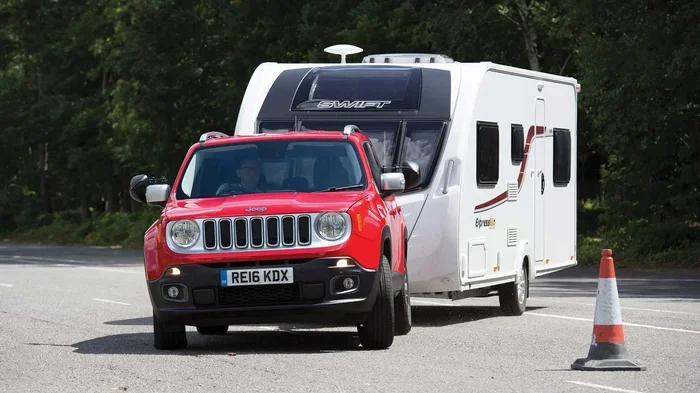
Yes, the Jeep Renegade can be flat towed behind a truck, but only under specific conditions and with the right equipment. Flat towing a Jeep Renegade requires a proper tow bar, base plate, supplemental braking system, and lighting harness to stay safe and legal. Always check your owner’s manual and follow the manufacturer’s guidelines to avoid costly transmission damage.
Many Jeep owners love the idea of flat towing their vehicle behind a truck or motorhome. It saves space at campgrounds. It keeps your Jeep Renegade ready to go the moment you arrive. But can the Jeep Renegade be flat towed safely? The short answer is yes, but there are important rules you must follow.
Flat towing means pulling your vehicle with all four wheels on the ground. This is different from using a trailer. It is simpler, lighter, and easier to store. But it also puts stress on your drivetrain if done incorrectly. The good news is that the Jeep Renegade is one of the more tow-friendly compact SUVs on the market today. With the right setup and a little knowledge, you can tow your Renegade behind a truck without any problems.
In this guide, we will walk through everything you need to know. We will cover which Renegade models can be flat towed, what equipment you need, step-by-step setup instructions, common mistakes to avoid, and expert tips for a smooth towing experience. Whether you are heading out on a road trip or just moving your Jeep to a new location, this article has you covered.
Key Takeaways
- Flat towing is possible: The Jeep Renegade can be flat towed behind a truck when using the correct equipment and following manufacturer guidelines.
- Drivetrain matters: Only certain Jeep Renegade models with specific drivetrain configurations are safe for flat towing without damage.
- Essential equipment: You need a tow bar, base plate, supplemental brake, and lighting harness for a legal and safe setup.
- Speed and distance limits: Most manufacturers recommend staying under 55 mph and keeping tow distances reasonable.
- Preparation is key: Proper pre-tow checks, including placing the transfer case in neutral, prevent expensive repairs.
- Common mistakes happen: Forgetting the supplemental brake or ignoring the owner’s manual are the most frequent errors drivers make.
📑 Table of Contents
- Can the Jeep Renegade Be Flat Towed Behind a Truck?
- What Equipment Do You Need for Flat Towing a Jeep Renegade?
- Step-by-Step Guide to Flat Towing a Jeep Renegade
- Rules and Regulations for Flat Towing
- Common Mistakes People Make When Flat Towing a Jeep Renegade
- Expert Tips for a Smooth Flat Towing Experience
- Comparison: Flat Towing vs. Using a Trailer for the Jeep Renegade
Can the Jeep Renegade Be Flat Towed Behind a Truck?
The Jeep Renegade is a popular compact SUV known for its off-road capability and stylish design. Many people wonder if it can be flat towed. The answer depends on a few key factors. These include your model year, drivetrain type, and the equipment you use.
Most Jeep Renegade models with a manual transmission can be flat towed without major issues. However, automatic transmission models need extra care. The transfer case must be placed in neutral. The ignition must be in the accessory position. All of these steps prevent damage to the transmission and drivetrain while towing.
Always refer to your owner’s manual before flat towing. Jeep provides specific instructions for each model year. Ignoring these guidelines can void your warranty. It can also lead to expensive repairs. Taking a few extra minutes to read the manual can save you a lot of money and headaches down the road.
Which Jeep Renegade Models Are Safe for Flat Towing?
Not all Jeep Renegade models are created equal when it comes to towing. Here is a quick breakdown of what to look for:
- Manual transmission models: These are generally the safest for flat towing. The gears do not engage unless the vehicle is running. This means less risk of damage.
- Automatic transmission models: These can be flat towed, but you must follow the exact steps in the owner’s manual. The transfer case and ignition position are critical.
- Four-wheel drive (4WD) models: These require the transfer case to be in neutral. Failing to do so can cause serious drivetrain damage.
- Two-wheel drive (2WD) models: These are simpler to tow but still require proper preparation.
When in doubt, contact your local Jeep dealer. They can confirm whether your specific Renegade trim is flat tow compatible. Do not guess. Guessing can lead to thousands of dollars in transmission repairs.
What Equipment Do You Need for Flat Towing a Jeep Renegade?
Flat towing a Jeep Renegade behind a truck is not just about hooking up a strap. You need the right gear to do it safely and legally. Here is a list of the essential equipment every flat tow setup requires.
Tow Bar
A tow bar is the most important piece of equipment. It connects your Jeep Renegade to the towing vehicle. You should choose a tow bar that is specifically designed for your vehicle’s make and model. Base plate compatible tow bars offer a cleaner look and easier setup. They also provide a more secure connection than universal tow bars.
Base Plate
A base plate is a custom-fitted mounting bracket that attaches to the front of your Jeep Renegade. It bolts into the factory towing points on your vehicle. This gives you a solid and stable connection point for the tow bar. Base plates are specific to each vehicle model. Make sure you buy one designed for the Jeep Renegade.
Supplemental Braking System
Many states and provinces require a supplemental braking system when flat towing. This is a separate brake system that activates when the tow vehicle slows down. It helps stop the Jeep Renegade independently. Without it, your towed vehicle will keep rolling forward when the truck brakes. This is dangerous and illegal in many areas.
Lighting Harness
A lighting harness connects the taillights and turn signals of your Jeep Renegade to the towing vehicle. This ensures that other drivers on the road can see your brake lights and signals. It is a simple device but absolutely essential for safety. Most lighting harnesses plug directly into the vehicle’s existing wiring harness.
Safety Cables
Safety cables act as a backup connection between the two vehicles. If the tow bar somehow disconnects, the safety cables keep the Jeep Renegade attached to the truck. Always use safety cables rated for the weight of your vehicle. Cross them under the trailer tongue for added security.
Step-by-Step Guide to Flat Towing a Jeep Renegade
Now that you have the right equipment, let us walk through the process. Following these steps will keep your Jeep Renegade safe and your towing experience stress-free.
Step 1: Read the Owner’s Manual
This cannot be stressed enough. Before you do anything else, read the towing section of your Jeep Renegade owner’s manual. Every model year has different requirements. The manual will tell you exactly how to position the transfer case, ignition, and steering wheel.
Step 2: Install the Base Plate
Have a professional or a knowledgeable friend install the base plate on your Jeep Renegade. The base plate bolts into specific points on the front bumper. Make sure all bolts are tight and secure. A loose base plate can cause the tow bar to shift during transit.
Step 3: Attach the Tow Bar
Connect the tow bar to the base plate on the Jeep Renegade and to the hitch receiver on the towing truck. Make sure all pins and latches are locked in place. Give it a gentle tug to confirm the connection is secure. Most tow bars come with a locking pin system for added safety.
Step 4: Set Up the Supplemental Brake
Install the supplemental braking system according to the manufacturer’s instructions. Most systems mount on the tow bar or the dashboard of the towed vehicle. Test the brakes before you hit the road to make sure they engage properly.
Step 5: Connect the Lighting Harness
Plug the lighting harness into both vehicles. Walk around the Jeep Renegade and test the brake lights and turn signals. Have a friend press the brake pedal on the truck while you check the lights on the Renegade. This takes just a couple of minutes and is well worth the effort.
Step 6: Position the Vehicle Correctly
Place the Jeep Renegade in the correct gear or mode for towing. For most models, this means placing the transfer case in neutral and the ignition in the accessory position. Turn the steering wheel straight. Release the parking brake. These steps prevent strain on the steering and transmission systems.
Step 7: Double-Check Everything
Before you start moving, do a final walk-around. Check the tow bar connection. Check the safety cables. Check the supplemental brake. Check the lights. This final check can prevent accidents and equipment failure on the road.
Rules and Regulations for Flat Towing
Flat towing is not just about equipment and setup. There are also legal rules you need to follow. These vary by state, province, and country. Here are the most common regulations you should know about.
Speed Limits
Most manufacturers recommend a maximum flat towing speed of 55 miles per hour. Some vehicles can handle higher speeds, but the Jeep Renegade is designed for moderate towing speeds. Staying under 55 mph reduces wear on the drivetrain and improves safety on the road.
Distance Limitations
There are no universal distance limits for flat towing. However, long-distance towing puts more stress on your vehicle. If you are towing across state lines or on a cross-country trip, plan for regular stops. Check your connections every 50 miles or so. This keeps everything secure and gives you a chance to inspect your Jeep Renegade.
State and Local Laws
Some states require a supplemental braking system for any vehicle being flat towed. Others have specific lighting requirements. A few states have restrictions on the types of vehicles that can be flat towed. Check your local laws before you hit the road. Ignorance of the law is not an excuse, and fines can be expensive.
Insurance Considerations
Make sure your insurance covers flat towing. Some policies do not include coverage for vehicles being towed behind another vehicle. Call your insurance provider and ask specifically about dinghy towing coverage. It is a small step that can save you from financial disaster if something goes wrong.
Common Mistakes People Make When Flat Towing a Jeep Renegade
Even experienced towers make mistakes. Knowing what to avoid can save you time, money, and a lot of frustration. Here are the most common errors drivers make when flat towing a Jeep Renegade behind a truck.
Forgetting to Put the Transfer Case in Neutral
This is the number one mistake. If the transfer case is not in neutral, the drivetrain is engaged while the vehicle is being towed. This causes serious damage to the transmission and transfer case. Always double-check the transfer case position before you start driving.
Skipping the Supplemental Brake
Some drivers skip the supplemental brake to save money or because it seems unnecessary. This is a dangerous and often illegal decision. Without a supplemental brake, your Jeep Renegade will not have its own braking ability. This increases stopping distances dramatically and raises the risk of a rear-end collision.
Using the Wrong Tow Bar
Not all tow bars are created equal. Using a universal tow bar that does not fit your Jeep Renegade properly can lead to a loose connection. Always use a tow bar designed specifically for your vehicle model and year.
Ignoring the Owner’s Manual
The owner’s manual is your best friend when it comes to flat towing. It contains all the specific instructions for your vehicle. Ignoring it can void your warranty and lead to expensive repairs. Take the time to read it. It is full of valuable information.
Not Checking Connections Before Each Trip
Even if everything was secure on your last trip, connections can loosen over time. Vibration, bumps, and wind can all affect your setup. Always do a pre-trip inspection of the tow bar, cables, and harness. It only takes a few minutes but can prevent a serious problem on the highway.
Expert Tips for a Smooth Flat Towing Experience
Here are some expert tips that will make your flat towing experience easier, safer, and more enjoyable.
- Practice at home first: Set up your tow bar and equipment in your driveway before your first trip. This gives you a chance to get comfortable with the process in a safe environment.
- Keep your Jeep clean: Before towing, make sure to clean your vehicle thoroughly. Remove any unwanted items from the interior and exterior. Check for things stuck to the glass or hidden in crevices that could become loose during towing.
- Pack an emergency kit: Include basic tools, a spare tire, and emergency flares in your Jeep Renegade. Even though it is being towed, you want to be prepared for any situation.
- Monitor your temperature: Flat towing can cause your vehicle to heat up. Keep an eye on the temperature gauge during long drives. Pull over and let things cool down if needed.
- Use a steering lock: When the ignition is in the accessory position, the steering wheel can still move. Use a steering lock to prevent the Jeep Renegade from turning while being towed.
- Plan your route: Avoid rough roads and sharp turns when possible. Smooth highways are much easier on your vehicle and towing equipment than bumpy back roads.
Another great tip is to familiarize yourself with your vehicle’s towing specifications before you leave. Knowing the weight limits, maximum speed, and required equipment gives you confidence on the road. It also helps you avoid common pitfalls that new towers often face.
Comparison: Flat Towing vs. Using a Trailer for the Jeep Renegade
Some Jeep owners debate whether to flat tow or use a trailer. Both methods have pros and cons. Here is a quick comparison to help you decide which is right for you.
| Factor | Flat Towing | Trailer |
|---|---|---|
| Setup Time | Quick and easy | Takes more time |
| Storage Space | No extra space needed | Requires trailer storage |
| Cost | Lower upfront cost | Higher upfront cost |
| Transmission Wear | Potential risk if done wrong | No risk |
| Legal Requirements | Supplemental brake often required | Fewer legal requirements |
| Fuel Efficiency | Better fuel economy | Worse fuel economy |
| Ease of Use | Simple hookup | More complex setup |
For most Jeep Renegade owners, flat towing is the preferred method. It is simpler, cheaper, and more convenient. But if you are concerned about drivetrain wear, a trailer may be the better option. Weigh the pros and cons based on your specific needs and how often you plan to tow.
Flat towing a Jeep Renegade behind a truck opens up a world of possibilities for road trips and adventures. You can bring your Jeep along without taking up extra space. You can arrive at your destination ready to hit the trail or explore the local area. With the right equipment, proper preparation, and a little knowledge, flat towing is a convenient and practical way to travel with your Jeep.
Remember, safety always comes first. Follow the manufacturer’s guidelines. Use the correct equipment. Check your connections before every trip. And never skip the supplemental braking system. These simple steps will keep your Jeep Renegade safe and your towing experience enjoyable for years to come.
Whether you are a seasoned tower or a first-timer, the Jeep Renegade is a great vehicle for flat towing behind a truck. Take your time, do your research, and enjoy the journey. Happy towing!
Frequently Asked Questions
Can all Jeep Renegade models be flat towed behind a truck?
Most Jeep Renegade models can be flat towed, but it depends on the drivetrain and transmission type. Manual transmission models are generally the easiest to tow. Automatic transmission models can also be flat towed but require following specific steps in the owner’s manual. Always verify your specific model year before towing.
What speed can you flat tow a Jeep Renegade?
Most manufacturers recommend a maximum flat towing speed of 55 miles per hour for the Jeep Renegade. Staying at or below this speed reduces wear on the drivetrain and improves overall safety. Always check your owner’s manual for the exact speed limit for your specific model year.
Do I need a supplemental brake when flat towing a Jeep Renegade?
Yes, in most states and provinces a supplemental braking system is required by law when flat towing a vehicle. Even if it is not required in your area, it is strongly recommended for safety. A supplemental brake helps the towed Jeep Renegade stop independently, reducing stopping distances and preventing accidents.
Can flat towing damage the Jeep Renegade transmission?
Flat towing can damage the transmission if it is done incorrectly. The most common cause of damage is failing to place the transfer case in neutral or not following the owner’s manual instructions. When done properly with the right equipment, flat towing should not cause any transmission damage.
What is the difference between flat towing and dinghy towing?
Flat towing and dinghy towing are essentially the same thing. Both refer to pulling a vehicle with all four wheels on the ground behind another vehicle. The terms are used interchangeably in the RV and towing communities. Some people also use the term “toading” to describe this practice.
How do I know if my Jeep Renegade is flat tow compatible?
The best way to determine flat tow compatibility is to check your owner’s manual. It will have a dedicated towing section with specific instructions and requirements. You can also contact your Jeep dealer or check online forums for your model year. Never assume a vehicle is compatible without verifying first.
=== CONCLUSION ===
Can the Jeep Renegade be flat towed behind a truck? Yes, it absolutely can. With the right equipment, proper preparation, and a careful approach, flat towing your Jeep Renegade is safe, convenient, and practical. Whether you are heading to a campsite or moving your vehicle to a new location, flat towing offers a simple and efficient solution.
Remember to always consult your owner’s manual before towing. Use a proper tow bar, base plate, supplemental brake, and lighting harness. Follow the speed limits and legal requirements in your area. And never skip your pre-trip safety checks. These steps will protect your Jeep Renegade, keep you safe on the road, and give you peace of mind on every journey.
Flat towing is a great way to bring your Jeep along for the adventure. Take the time to set up correctly, and you will enjoy many worry-free miles behind your truck. Happy trails and safe travels!