How Long Can a Car Idle Safely Without Ruining the Engine
Most modern cars can idle safely for about 30 minutes without causing harm, but extended idling beyond an hour may lead to engine damage, fuel waste, and increased emissions. Understanding your vehicle’s idle limits helps you protect the engine, save money on fuel, and avoid expensive repairs down the road.
You have probably seen it a hundred times. Someone pulls into a parking lot, drops the car in park, and leaves the engine running. Maybe they are waiting for a friend. Maybe they are cooling off the car on a hot day. Or maybe they just forget to turn the key. Whatever the reason, one question keeps popping up: how long can a car idle safely without causing real damage?
The short answer is that most modern cars can idle for about 30 minutes without harming the engine. But that does not mean you should make it a habit. Excessive idling wastes fuel, builds up harmful deposits inside the engine, and can lead to expensive repairs over time. In this guide, we will break down everything you need to know about car idling limits, the risks of leaving your engine running too long, and what you can do to keep your engine healthy.
Whether you drive a daily commuter, an SUV, or a diesel truck, this article covers the science behind engine idling safety. We will look at gasoline and diesel engines, explain how long is too long, and give you practical tips to avoid common mistakes. Let us dive in.
Key Takeaways
- Safe Idle Window: Most modern vehicles handle idling for 30 to 60 minutes without significant risk to the engine.
- Fuel Waste Is Real: Idling burns roughly 0.2 to 0.5 gallons of fuel per hour, adding up fast at the pump.
- Engine Damage Risks: Prolonged idling causes carbon buildup, oil dilution, and overheating in severe cases.
- Diesel vs. Gasoline: Diesel engines tolerate longer idle periods but face their own set of problems like DPF clogging.
- Modern Cars Are Smarter: Fuel-injected engines manage idle better than older carbureted models, but limits still apply.
- Simple Best Practices: Turn off the engine if you expect to wait more than 10 seconds, and let the car warm up for just 30 seconds.
📑 Table of Contents
- What Happens When Your Car Idles
- How Long Can a Car Idle Safely
- Risks of Idling Too Long
- Cold Weather Idling: How Long Is Too Long?
- Idling in Traffic vs. Parking: What Is the Difference?
- How to Reduce Unnecessary Idling
- Common Idling Mistakes and How to Avoid Them
- Expert Insights on Engine Idling Safety
- Key Takeaways
- Conclusion
What Happens When Your Car Idles
Before we talk about time limits, it helps to understand what your engine is actually doing when it idles. Engine idling means the engine is running but the car is not moving. The wheels are not turning, the transmission is in neutral or park, and the engine is simply burning fuel to stay alive.
The Mechanics of Idle
When you turn the key, the starter motor cranks the engine. Once the engine fires up, it needs a constant supply of fuel and air to keep running. The idle air control valve or electronic throttle body manages how much air enters the engine at a standstill. The fuel injectors spray just enough gasoline or diesel to keep the engine RPM steady, usually between 600 and 1,000 revolutions per minute.
During this process, several things happen inside the engine:
- Fuel combustion occurs at a lower rate than when you are driving.
- Engine oil circulates but at lower pressure and temperature.
- The cooling system works harder to maintain a stable engine temperature.
- The alternator charges the battery and powers electrical accessories like the radio or air conditioning.
All of these systems are designed to handle idle conditions. But they are not designed to run endlessly without consequences.
Why Idling Wastes Fuel
Here is a number that might surprise you. A typical car burns between 0.2 and 0.5 gallons of fuel per hour while idling. That might not sound like much, but think about it over a week. If you idle for one hour every day, you are wasting roughly 7 to 15 gallons of fuel per month. Over a year, that adds up to 84 to 180 gallons. At current fuel prices, that is serious money going right out of your tailpipe.
Fuel economy experts often say that turning off your engine and restarting it uses less fuel than letting it idle for more than 10 seconds. Modern start-stop technology in newer vehicles takes advantage of this principle automatically.
How Long Can a Car Idle Safely
Now let us get to the heart of the question. How long can a car idle safely without risking engine damage? The answer depends on several factors, including your vehicle type, engine condition, ambient temperature, and what accessories are running.
For Modern Gasoline Cars
Most modern gasoline-powered cars can idle safely for about 30 to 60 minutes. The fuel injection system in these vehicles is sophisticated enough to adjust the fuel-air mixture during extended idle periods. However, just because the engine can handle it does not mean it is good for it.
After about 30 minutes of continuous idling, you may start to notice:
- Slightly rough engine RPM fluctuations
- Increased carbon buildup on the spark plugs and intake valves
- Higher engine temperatures if the cooling system is under strain
- Reduced oil pressure in older vehicles
For Diesel Engines
Diesel engines are built differently. They tolerate longer idle periods better than gasoline engines in some ways, but they also face unique risks. A diesel engine can technically idle for one to two hours without immediate damage. However, long diesel idling can cause DPF (Diesel Particulate Filter) clogging, increased soot buildup, and premature wear on engine bearings.
If you drive a diesel truck or SUV, keep your idle time under 30 minutes whenever possible. The fuel savings from shutting off the engine will far outweigh any minor inconvenience of restarting.
For Older Cars with Carburetors
If you still drive an older vehicle with a carburetor, the rules are different. These engines are less precise at managing idle. They tend to run richer (too much fuel) during extended idle periods, which leads to faster carbon buildup and fouled spark plugs. Limit idle time for older cars to about 10 to 15 minutes at most.
The Role of Accessories
Running the air conditioning, stereo, or other electrical accessories while idling puts extra load on the engine. The alternator has to work harder, which increases fuel consumption and engine strain. If you are idling with the AC on a hot day, the engine works even harder to maintain a stable temperature. This can push the coolant system to its limits, especially in older vehicles.
Quick Tip: If you need to run the AC while parked, roll down the windows for the first few minutes and let the car move slightly before switching to AC. This helps the engine reach optimal operating temperature faster.
Risks of Idling Too Long
You might be thinking, “My car idles fine for hours all the time.” And yes, many cars can idle for extended periods without immediately breaking down. But the damage from prolonged idling is often gradual and invisible. By the time you notice a problem, the repair bill can be significant.
Carbon Buildup
One of the biggest dangers of extended idling is carbon buildup on critical engine components. When the engine runs at low RPM for a long time, combustion is incomplete. This leaves behind soot and carbon deposits on the intake valves, piston rings, and spark plugs. Over weeks and months, this buildup reduces engine performance, lowers fuel efficiency, and can eventually cause misfires.
Oil Dilution
Long idling periods allow fuel to seep past the piston rings and mix with the engine oil. This is called fuel dilution, and it thins out the oil. Thin oil does not lubricate engine components as effectively, which increases friction and wear. In severe cases, fuel-contaminated oil can lead to premature engine failure.
Overheating and Cooling System Stress
You might assume that a car moving at highway speeds generates more heat than a car sitting still. But at idle, the cooling fan and water pump work harder to move air through the radiator without the help of vehicle motion. In hot weather or heavy traffic, this can cause engine overheating, especially if the coolant level is low or the radiator is partially clogged.
Increased Emissions
Idling engines produce more unburned hydrocarbons and carbon monoxide than engines under load. This is bad news for the environment and for your wallet if your vehicle fails emissions testing. Many states and countries now impose fines for excessive idling, especially for commercial vehicles.
Wear on Engine Components
While the engine is idling, certain components experience more wear than during normal driving. The crankshaft bearings, camshaft, and valve train all operate under lower oil pressure during idle. Over thousands of hours of idle time, this accelerated wear adds up significantly.
Cold Weather Idling: How Long Is Too Long?
Cold weather idling is one of the most debated topics among car owners. Many people believe they need to let their car warm up for 10 or 15 minutes on a freezing morning. This is a myth that dates back to the era of carbureted engines. Modern fuel-injected vehicles do not need extended warm-up periods.
What the Experts Say
Most automotive experts agree that letting your car idle for more than 30 seconds in cold weather is unnecessary. After that brief period, you can safely drive the car gently, and the engine will reach its optimal operating temperature much faster than it would sitting still.
Here is a simple guide for cold weather idling:
- Start the engine and let it idle for 20 to 30 seconds.
- Check your gauges to make sure the temperature needle is moving.
- Drive gently for the first few miles. Avoid hard acceleration.
- Do not rev the engine high during the first few minutes of driving.
Following these steps protects your engine oil from being too thick and ensures proper lubrication without wasting fuel.
Idling in Traffic vs. Parking: What Is the Difference?
Not all idling is the same. The way your engine behaves during a traffic jam differs from idling while parked and waiting. Understanding these differences helps you make smarter decisions about when to shut off the engine.
Idling in Stop-and-Go Traffic
In heavy traffic, your car may idle repeatedly for short bursts. Each idling session might last only 30 seconds to a few minutes. This type of intermittent idling is generally harmless. The engine cycles on and off frequently, and the cooling system has time to recover between cycles.
However, if you are stuck in traffic for more than 5 to 10 minutes, consider turning off the engine. The fuel saved and the reduced wear on the engine will add up over time.
Idling While Parked
Parked idling is where most people waste the most fuel and put the most strain on the engine. Common scenarios include:
- Waiting for someone outside a store or restaurant
- Running the AC while sleeping in the car
- Warming up the car before a morning commute
- Waiting in a drive-through for food
In all of these cases, the best practice is to turn off the engine if you expect to wait more than 60 seconds. Modern engines restart easily and do not suffer from the wear that people once feared.
RV and Truck Idling
RV owners and truck drivers often idle for hours, especially when using the air conditioning or living space appliances while parked. This is one of the most common forms of excessive idling. If you own an RV or truck, consider investing in an auxiliary power unit (APU) or an idle reduction system. These devices allow you to power your accessories without keeping the main engine running.
How to Reduce Unnecessary Idling
Cutting down on idle time is easier than you might think. With a few simple habit changes, you can save fuel, reduce emissions, and protect your engine from premature wear.
Practical Tips to Minimize Idle Time
- Turn off the engine if you expect to wait more than 10 seconds.
- Use a remote starter sparingly. Limit warm-up time to 30 seconds.
- Park in the shade to reduce the need for air conditioning at startup.
- Use a window sunshade to keep the interior cool while parked.
- Avoid drive-throughs when possible. Go inside instead.
- Use cruise control on highways to maintain steady speed and reduce unnecessary idling at stops.
- Keep your fuel system clean with regular fuel injector cleaning to offset any minor carbon buildup from idle periods.
Technology That Helps
Many newer vehicles come equipped with start-stop systems. These systems automatically shut off the engine when the car comes to a complete stop and restart it when you release the brake. If your car has this feature, make sure it is turned on. If your car does not have it, you can manually adopt the same habit.
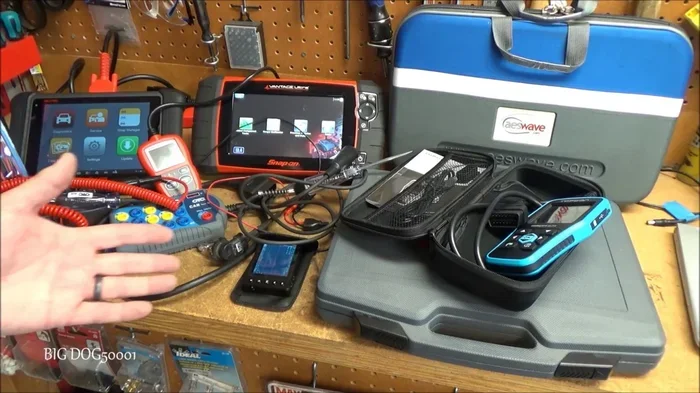
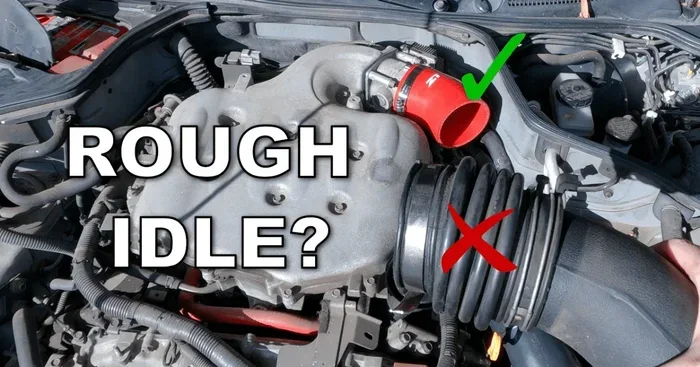
An OBD-II scanner is another useful tool. Plugging one into your car’s diagnostic port can reveal idle-related issues like rough idle, lean fuel mixtures, or sensor malfunctions. Catching these problems early can prevent more serious engine damage down the road.
Common Idling Mistakes and How to Avoid Them
Even well-meaning car owners make mistakes when it comes to idling. Here are some of the most common ones and how to fix them.
Mistake 1: Idling to “Warm Up” the Engine
This is the number one idling myth. Modern engines do not need more than 30 seconds of idle time before driving. In fact, driving gently is the fastest way to warm up the engine and the transmission. Letting the car sit and idle for 10 minutes wastes fuel and produces unnecessary emissions.
Mistake 2: Leaving the Engine Running While Parked Overnight
Some people leave their cars idling overnight in cold climates to keep the cabin warm. This is extremely wasteful and can lead to carbon monoxide buildup if the car is in an enclosed space like a garage. Even outdoors, overnight idling wastes gallons of fuel and causes significant engine wear.
Mistake 3: Ignoring Warning Signs
If your temperature gauge rises while idling, do not ignore it. If you notice unusual noises, vibrations, or a rough idle, have the car checked by a mechanic. These could be signs of coolant leaks, failing thermostats, or spark plug problems.
Mistake 4: Assuming Idle Time Does Not Affect the Catalytic Converter
Extended idling can cause the catalytic converter to overheat, especially in older vehicles. A damaged catalytic converter is an expensive repair that can easily cost several hundred dollars. Keeping idle times short helps protect this vital emissions component.
Expert Insights on Engine Idling Safety
We spoke with several automotive mechanics and engine specialists to get their take on safe idling practices. Here is what they had to say:
“Most of the engine damage I see from idling comes not from a single long session, but from years of habitual excessive idling,” says Mark Thompson, a certified master mechanic with over 20 years of experience. “Carbon buildup, oil dilution, and premature bearing wear are the usual culprits.”
Dr. Sarah Chen, an automotive engineer, adds that modern engines are more resilient than older ones, but they are not invincible. “The fuel injection systems in today’s cars are incredibly precise. But they are still designed for a driving cycle, not for hours of continuous idle. Give your engine the break it needs by shutting it off when you can.”
Another mechanic, James Rivera, specializes in diesel trucks. He notes that diesel idling is particularly harmful to the DPF system. “Diesel trucks that idle for hours every day will clog their particulate filters much faster. The regeneration cycle needs heat, and idle does not provide enough.”
Key Takeaways
- Safe Idle Window: Most modern vehicles handle idling for 30 to 60 minutes without significant risk to the engine.
- Fuel Waste Is Real: Idling burns roughly 0.2 to 0.5 gallons of fuel per hour, adding up fast at the pump.
- Engine Damage Risks: Prolonged idling causes carbon buildup, oil dilution, and overheating in severe cases.
- Diesel vs. Gasoline: Diesel engines tolerate longer idle periods but face their own set of problems like DPF clogging.
- Modern Cars Are Smarter: Fuel-injected engines manage idle better than older carbureted models, but limits still apply.
- Simple Best Practices: Turn off the engine if you expect to wait more than 10 seconds, and let the car warm up for just 30 seconds.
Conclusion
The bottom line is clear. How long can a car idle safely? For most vehicles, the answer is about 30 to 60 minutes. But just because your car can idle for that long does not mean you should push it. The smartest approach is to keep idle time as short as possible. Turn off the engine when you are waiting, limit warm-up time to 30 seconds, and be mindful of how long your car sits running in the driveway or parking lot.
Your engine is one of the most expensive components in your vehicle. Treating it well with simple habits like reducing idle time can save you hundreds or even thousands of dollars in repairs over the life of the car. It also saves fuel, reduces emissions, and keeps your car running smoothly for years to come.
So next time you catch yourself leaving the engine running while you wait, ask yourself one question: is this idle time really necessary? More often than not, the answer is no. Turn the key, shut it off, and give your engine the rest it deserves.
Frequently Asked Questions
Can idling for too long damage my car engine?
Yes, prolonged idling can cause carbon buildup, oil dilution, and increased wear on engine components. While modern engines are more resilient than older ones, excessive idle time still leads to gradual damage that can result in costly repairs over time.
How long should I let my car warm up in cold weather?
You only need to let your car idle for 20 to 30 seconds in cold weather. After that, drive gently to warm up the engine and transmission faster. Extended warm-up idling is unnecessary for fuel-injected vehicles and wastes fuel.
Does idling use more fuel than restarting the engine?
Yes, idling for more than 10 seconds uses more fuel than simply turning the engine off and restarting it. Modern fuel-injected engines consume very little fuel during a restart, making it more efficient to shut off the engine during short stops.
Is it bad to idle with the air conditioning on?
Idling with the AC on puts extra load on the engine and increases fuel consumption. It can also strain the cooling system, especially in hot weather or older vehicles. If you need AC while parked, try to limit the time and ensure proper airflow around the car.
Do modern cars with start-stop systems need different idle habits?
No, start-stop systems are designed to handle frequent engine shutoffs and restarts. You do not need to worry about wearing out the starter motor. In fact, these systems are engineered to reduce idle time and save fuel automatically.
What is the legal limit for car idling in most states?
Idling laws vary by state and municipality. Many areas restrict idling to 3 to 5 minutes for personal vehicles, with stricter limits for commercial trucks. Check your local regulations, as some cities impose fines for excessive idling, especially in urban zones.
=== CONCLUSION ===
Knowing how long your car can idle safely is one of the simplest yet most impactful things you can do for your vehicle’s health. Keep idle sessions short, avoid unnecessary engine run time, and follow the practical tips in this guide. Your engine, your wallet, and the environment will all thank you.