How Long Can Your Car Overheat Before Damage Occurs
Your car can start suffering engine damage after just 30 to 60 minutes of overheating. Driving an overheating car for even 10 to 15 minutes can cause engine overheating problems like warped heads and blown gaskets. Understanding the overheating symptoms and acting fast can save you from costly overheating repair bills.
You are driving down the road, and suddenly the temperature gauge spikes into the red zone. Your heart drops. Your hands tighten on the wheel. You wonder, “How long can my car overheat before real engine damage happens?”
The answer might surprise you. Many drivers think they have plenty of time. The truth is that engine overheating can cause serious harm in as little as 10 to 15 minutes. A few extra minutes of driving on a hot day can turn a small problem into a head gasket failure or even a seized engine.
In this guide, we will walk you through exactly what happens when your car overheats. You will learn the timeline of engine damage, the most common causes, and what to do in the moment. We will also share simple tips to keep your cooling system working the way it should. By the end, you will know exactly how to protect your engine and your wallet.
Let us get into it. Your car depends on you to notice the warning signs. The more you know about overheating, the better prepared you will be.
Key Takeaways
- Damage Can Start Quickly: Most engines begin to suffer harm after 30 to 60 minutes of running hot.
- Know the Warning Signs: The temperature gauge, steam from the hood, and unusual smells are key overheating symptoms to watch for.
- Common Causes Matter: A broken cooling system, coolant leak, or failed water pump can trigger an overheating car fast.
- Act Immediately: Pulling over and turning off the engine is the best first step when your car starts overheating.
- Prevention Is Cheap: Regular coolant checks and cooling system maintenance cost far less than engine repair.
- Don’t Ignore Small Signs: A slightly high temperature gauge reading today can lead to engine seizure tomorrow.
- Professional Help Matters: When in doubt, get a mechanic to inspect your engine bay and coolant reservoir.
📑 Table of Contents
What Happens When Your Car Overheats?
When your car overheats, the temperature inside the engine bay rises far above normal levels. Most engines run best between 195 and 220 degrees Fahrenheit. When the heat climbs past that range, things start to go wrong fast.
The Role of Your Cooling System
Your cooling system is like the body’s sweat system. It pulls heat away from the engine and keeps everything at a safe temperature. The main parts include the radiator, water pump, thermostat, and coolant fluid. When one part fails, the whole system suffers. A coolant leak or a stuck thermostat can start the chain reaction of engine overheating.
What Heat Does to Engine Parts
Engine parts are built to handle heat, but only up to a point. Here is what happens when things get too hot:
- Warped Cylinder Head: The metal expands and loses its shape. This leads to poor compression and power loss.
- Blown Head Gasket: The seal between the head and block breaks down. Coolant can leak into the cylinders.
- Cracked Engine Block: In severe cases, the block itself can crack. This is one of the most expensive repairs.
- Engine Seizure: Metal parts expand so much they fuse together. The engine stops turning completely.
Each of these problems gets worse the longer the overheating continues. That is why time is so important.
How Long Before Damage Starts?
There is no single answer because every overheating car is different. But here is a general timeline based on real-world experience and mechanic insights.
First 1 to 5 Minutes
In the early minutes, you may notice the temperature gauge climbing. The cooling fan might kick on. You may see a small amount of steam or smell something sweet from the coolant. At this stage, no permanent engine damage has likely occurred yet. This is your window to act.
5 to 15 Minutes
If the overheating continues, things get risky. The coolant temperature rises significantly. The head gasket starts to feel the stress. You may notice power loss or a rough idle. Some drivers report a ticking or knocking sound in the engine bay. This is a warning sign that should not be ignored.
15 to 30 Minutes
By this point, the damage is likely underway. The cylinder head may be warping. Coolant is being burned or lost. The water pump could be failing from the extreme heat. Engine repair cost at this stage can climb into the hundreds or even thousands of dollars.
30 to 60 Minutes
After half an hour of sustained overheating, the risk of engine seizure grows sharply. The internal parts have expanded beyond their tolerances. Metal is grinding on metal. At this point, you may need a full engine replacement or a very expensive rebuild.
Beyond 60 Minutes
Driving more than an hour while overheating is almost guaranteed to cause catastrophic engine damage. The engine block can crack. The cooling fan may have already burned out. At this stage, the car may not even start again after you shut it off.
The takeaway is clear. The sooner you address overheating symptoms, the better your chances of avoiding a major repair bill.
Common Causes of Car Overheating
Understanding why your car overheats helps you prevent it. Here are the most common reasons your cooling system might fail.
Low Coolant Level
Coolant is the lifeblood of your cooling system. When the level drops, there is not enough fluid to absorb heat. A coolant leak from a cracked hose, loose clamp, or damaged radiator can cause this quickly. Check your coolant reservoir often, especially in the summer months.
Broken Water Pump
The water pump circulates coolant through the engine and radiator. When it fails, the fluid stops moving. Heat builds up fast. A water pump failure is one of the top reasons cars overheat on the highway.
Faulty Thermostat
The thermostat opens and closes to regulate coolant flow. When it gets stuck closed, the fluid cannot reach the radiator. The engine bay heats up with nowhere for the warmth to go. This is a simple fix if you catch it early.
Radiator Problems
A clogged or damaged radiator cannot release heat properly. Dirt, bugs, and old coolant can block the fins. The cooling fan also plays a big role here. If the fan is not working, the radiator cannot cool the fluid fast enough.
Broken Cooling Fan
The cooling fan pulls air through the radiator when you are stuck in traffic or idling. If the fan motor or fan relay fails, heat builds up rapidly. This is why some cars overheat more in stop-and-go traffic than on the open road.
Sludge or Old Coolant
Over time, coolant breaks down and turns into a thick sludge. This gunk clogs passages and reduces heat transfer. Flushing and replacing the coolant on schedule is one of the easiest ways to prevent engine overheating.
Warning Signs Your Engine Is Overheating
Catching overheating symptoms early is the key to avoiding engine damage. Here are the signs you should never ignore.
The Temperature Gauge in the Red
Your dashboard temperature gauge is your best friend. If the needle moves into the red zone or starts climbing higher than normal, pull over safely. Do not keep driving and hope it comes back down.
Steam or Smoke from the Hood
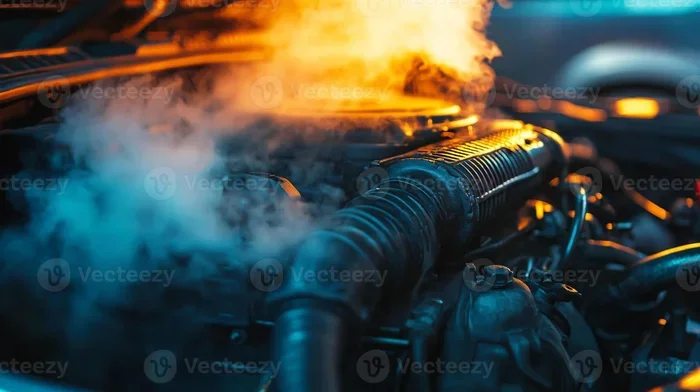
Seeing steam or smoke rise from under the hood is a clear sign of engine overheating. This usually means the coolant has boiled and is turning to vapor. Do not open the hood right away. Wait a few minutes to avoid burns from hot steam.
Unusual Smells
A sweet, syrupy smell often means coolant is leaking and hitting hot engine parts. A burning or rubbery smell can mean belts or hoses are overheating. Both are signs to stop and investigate.
Strange Sounds from the Engine Bay
Ticking, knocking, or banging sounds can mean the engine is running too hot. The metal parts are expanding and not fitting together the way they should. These sounds are your engine crying for help.
Loss of Power or Rough Running
When the engine is too hot, it cannot burn fuel efficiently. You may notice a loss of power, hesitation, or a rough idle. These are signs that the overheating is already affecting performance.
Coolant Warning Light
Many modern cars have a dedicated temperature warning light or a check-engine light that flashes when the coolant temperature is too high. Do not dismiss this light. It is there to protect your engine.
What to Do When Your Car Overheats
Knowing what to do in the moment can make all the difference. Follow these steps to protect your engine and stay safe.
Step 1: Turn Off the Air Conditioning
The AC puts extra strain on the engine. Turning it off helps reduce the heat load. This gives your cooling system a small but helpful break.
Step 2: Turn on the Heater
This might sound counterintuitive, but turning on the heater pulls heat away from the engine bay and into the cabin. It is a quick trick to help lower the coolant temperature temporarily.
Step 3: Pull Over Safely
Find a safe spot to stop. Turn off the engine and let it cool down. Do not try to drive to a nearby shop if the gauge is in the red. Keep driving will only make the engine damage worse.
Step 4: Wait Before Opening the Hood
Wait at least 15 to 20 minutes before opening the hood. The steam and hot coolant can cause serious burns. Once the engine has cooled, check the coolant reservoir for leaks or low levels.
Step 5: Call for Help
If you cannot identify the problem or the overheating keeps happening, call a tow truck. Driving a car overheat situation to a mechanic might seem tempting, but it can lead to even more engine damage. It is better to be safe than sorry.
How to Prevent Engine Overheating
Prevention is always cheaper than repair. Here are simple steps to keep your cooling system in great shape and avoid engine overheating.
Check Coolant Levels Regularly
Make it a habit to check your coolant reservoir once a month. Look for low levels, discoloration, or signs of contamination. Top off with the right type of coolant for your vehicle.
Inspect Hoses and Belts
Look under the hood for cracked, soft, or swollen hoses. Check the belts for wear and proper tension. A small coolant leak from a worn hose can turn into a big overheating problem fast.
Flush and Replace Coolant on Schedule
Old coolant loses its ability to transfer heat. Follow your owner’s manual for the recommended flush schedule. Most vehicles need a coolant change every 30,000 to 50,000 miles.
Keep the Radiator Clean
Rinse the radiator fins with water to remove dirt, bugs, and debris. Clean fins allow better airflow and help the cooling system work efficiently.
Listen to Your Car
Pay attention to any new sounds, smells, or changes in the temperature gauge. Catching a problem early can save you from a full engine repair or replacement.
Get Regular Maintenance
Routine checkups at a trusted shop can spot cooling system issues before they become serious. A mechanic can test the thermostat, water pump, and cooling fan to make sure everything is working properly.
How Much Does Overheating Repair Cost?
The engine repair cost for overheating damage varies widely depending on what is broken. Here is a rough idea of what you might expect.
- Thermostat Replacement: $100 to $300
- Water Pump Repair: $300 to $750
- Radiator Repair or Replacement: $100 to $1,000
- Head Gasket Replacement: $1,000 to $3,000
- Engine Rebuild or Replacement: $3,000 to $8,000+
As you can see, the cost jumps dramatically the longer you ignore the problem. A simple thermostat fix costs a fraction of what a new engine would. This is why acting fast when your car overheats is so important.
Key Takeaways
- Time Is Critical: Most engines begin to suffer damage after just 30 to 60 minutes of running hot.
- Act Fast: Pull over, turn off the engine, and let it cool at the first sign of overheating symptoms.
- Know the Causes: Low coolant, a broken water pump, or a stuck thermostat are the most common culprits.
- Prevention Pays Off: Regular cooling system maintenance is far cheaper than engine repair or replacement.
- Do Not Ignore Small Signs: A rising temperature gauge or a small coolant leak today can lead to major engine damage tomorrow.
- Call a Professional: When you are unsure, get a mechanic to inspect your engine bay and cooling system right away.
Conclusion
So, how long can your car overheat before engine damage occurs? The honest answer is not very long at all. Even 10 to 15 minutes of engine overheating can start to cause problems. After 30 minutes, the risk of serious harm like a head gasket failure or engine seizure goes up significantly.
The good news is that you have the power to prevent this. By understanding the overheating symptoms, knowing what causes engine overheating, and taking quick action, you can protect your engine and avoid a massive engine repair cost. Keep your cooling system in top shape, check your coolant levels regularly, and never ignore a rising temperature gauge.
Your car works hard for you every day. It deserves the same care in return. Stay alert, stay proactive, and keep your engine running cool. A little attention today can save you from a big headache tomorrow.
Frequently Asked Questions
Can I keep driving if my car starts to overheat?
No, you should not keep driving. Even a few extra minutes of engine overheating can cause permanent harm. Pull over safely, turn off the engine, and let it cool down. Continuing to drive risks head gasket failure, a warped cylinder head, or even engine seizure.
How do I know if my car is overheating?
Watch for the temperature gauge climbing into the red zone, steam or smoke from the hood, a sweet smell from coolant leaks, or unusual ticking sounds in the engine bay. These are all common overheating symptoms that should never be ignored.
What is the most common reason a car overheats?
The most common reason is a low coolant level caused by a coolant leak. Other frequent causes include a broken water pump, a stuck thermostat, or a malfunctioning cooling fan. Regular maintenance can catch most of these issues early.
How much does it cost to repair engine damage from overheating?
The engine repair cost depends on the damage. A simple thermostat fix might cost $100 to $300, while a head gasket replacement can run $1,000 to $3,000. In the worst cases, a full engine replacement can cost $3,000 or more. This is why quick action is so important.
Can overheating cause a car to shut off?
Yes, in many modern cars, the engine will automatically shut off when the coolant temperature reaches a dangerous level. This is a safety feature designed to prevent engine damage. If your car shuts off from overheating, get it towed to a mechanic instead of trying to restart it.
How often should I check my coolant level?
You should check your coolant reservoir at least once a month and before any long trips. Make sure the engine is cool before opening the cap. Keeping your cooling system properly filled is one of the easiest ways to prevent engine overheating and costly repairs.