Does the GMC Yukon Require Premium Gas to Run Well
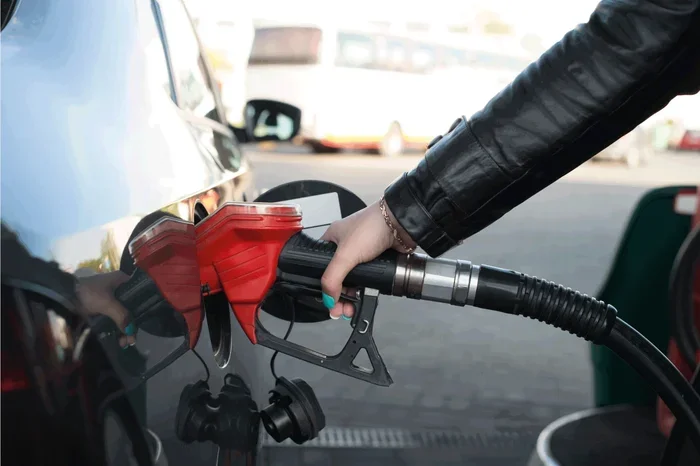
The GMC Yukon does not strictly require premium gas, but it performs best with it. The standard 5.3-liter V8 runs fine on regular unleaded, while the more powerful 6.2-liter V8 and the turbocharged 2.7-liter engine benefit from higher octane. Using premium fuel can improve engine smoothness, towing power, and overall fuel efficiency in demanding conditions.
The question of whether you need to fill your GMC Yukon with premium gas comes up a lot among truck and SUV owners. Maybe you just bought a used Yukon and the previous owner told you to always use premium. Or maybe you are trying to save money at the pump and wondering if regular gas will work. Either way, this topic matters because fuel costs add up fast, especially with a big vehicle like the Yukon.
So, does the GMC Yukon require premium gas? The short answer is no, not always. But the full answer depends on the engine, how you use the truck, and what the manufacturer recommends. In this article, we will break down everything you need to know about fuel types for the GMC Yukon. You will learn what the owner manual says, what happens when you use different grades of gas, and whether the extra cost of premium fuel is actually worth it.
Key Takeaways
- Premium is recommended, not required: Most GMC Yukon models can run on regular gas without engine damage.
- Engine type matters: The 6.2-liter V8 and turbocharged engines gain more from premium fuel than the base 5.3-liter V8.
- You may notice better performance: Premium gas can improve throttle response, towing capability, and engine smoothness.
- Fuel costs add up: Premium gas costs more per gallon, so your annual fuel bill will be higher if you always choose it.
- Check your owner manual: The manufacturer’s fuel recommendation is the best guide for your specific Yukon model year.
- Using regular gas won’t harm the engine: Modern GMC Yukons have knock sensors that adjust timing to prevent damage.
- Towing and heavy loads favor premium: If you frequently tow or carry heavy loads, premium fuel may offer noticeable benefits.
📑 Table of Contents
- What the GMC Yukon Manual Says About Fuel
- Premium vs Regular Gas: What Is the Difference?
- What Happens If You Use Regular Gas in a GMC Yukon?
- Premium Gas Benefits for the GMC Yukon
- Real-World Fuel Costs and Savings
- Common Mistakes People Make With GMC Yukon Fuel
- Expert Insights and Final Recommendations
What the GMC Yukon Manual Says About Fuel
Every GMC Yukon comes with an owner manual. This manual is your best source for fuel recommendations. The manufacturer tests the engine thoroughly and decides which fuel type works best. Most Yukon models list premium gas as “recommended” rather than “required.” This is an important distinction.
When a car says premium is “required,” you really should use it. But when it says premium is “recommended,” you have some flexibility. The Yukon falls into the recommended category for most engine options. Let us look at what this means for different Yukon models.
5.3-Liter V8 Engine Fuel Recommendation
The base GMC Yukon comes with a 5.3-liter V8 engine. This is a proven, reliable powerplant. For this engine, the manual recommends premium gas but does not require it. You can safely use regular unleaded gasoline with an octane rating of 87. The engine will run fine on regular fuel. You may not notice a huge difference in day-to-day driving.
However, using premium fuel with the 5.3-liter V8 can offer a few benefits. The engine may run slightly smoother. You might notice better throttle response during acceleration. And under heavy loads, premium fuel can help the engine perform at its best.
6.2-Liter V8 Engine Fuel Recommendation
The larger 6.2-liter V8 engine found in higher trim levels like the Denali benefits more from premium gas. This engine produces more horsepower and torque. It has a higher compression ratio, which means it is more sensitive to fuel quality. For this engine, premium fuel is strongly recommended.
You can still run regular gas in the 6.2-liter engine, but you may notice a difference. The engine might feel less responsive. Towing performance could take a slight hit. And in some cases, the engine computer may adjust timing to prevent knocking, which reduces power output.
2.7-Liter Turbocharged Engine Fuel Recommendation
The newer 2.7-liter turbocharged four-cylinder engine is a different story. This smaller engine uses a turbocharger to boost power. Turbocharged engines tend to run hotter and have higher compression. For this engine, premium gas is recommended to get the best performance and fuel economy.
Using regular gas in the turbocharged engine is generally safe, but it may not be ideal. The turbocharger puts extra stress on the engine, and higher octane fuel helps manage that stress. If you want the best balance of power and efficiency from this engine, premium fuel is the way to go.
Premium vs Regular Gas: What Is the Difference?
Not all gasoline is the same. The main difference between premium and regular gas comes down to octane rating. Regular gas typically has an octane rating of 87. Mid-grade gas is usually 89. Premium gas is typically 91 or 93 octane, depending on the state and station.
Octane rating measures a fuel’s resistance to engine knock. Engine knock, also called detonation, happens when the air-fuel mixture ignites too early in the combustion cycle. This can cause a knocking or pinging sound and, over time, can damage the engine. Higher octane fuel resists knock better, which is why high-performance engines need it.
But here is something many people do not realize. Premium gas does not contain more energy than regular gas. A gallon of premium and a gallon of regular contain roughly the same amount of energy. The difference is in how the fuel burns, not how much power it contains.
What Is Engine Knock?
Engine knock is a real concern for high-compression engines like those in the Yukon. When the air-fuel mixture ignites prematurely, it creates a shockwave that causes the knocking sound. Modern engines have knock sensors that detect this and adjust the timing to prevent damage. But these adjustments can reduce performance and fuel economy.
Using the recommended fuel grade helps the engine run as designed. The knock sensors do not need to intervene as often. This means smoother operation, better power delivery, and potentially improved fuel economy over time.
Does Higher Octane Mean Better Cleaning?
Some people believe premium gas cleans the engine better. This is partly true. Many premium fuels contain higher levels of detergent additives. These additives help keep fuel injectors and intake valves clean. But regular gas also contains detergents, just usually at lower levels.
If you use regular gas in your Yukon, you can still keep the engine clean. Top Tier gasoline brands, whether regular or premium, meet strict detergent standards. Choosing a Top Tier fuel, regardless of octane, is a smart move for engine health.
What Happens If You Use Regular Gas in a GMC Yukon?
Can you put regular gas in a GMC Yukon? Yes, you can. For most Yukon models, regular gas will not cause any immediate problems. The engine is designed to handle different fuel grades. But there are some things to keep in mind.
First, let us talk about what you might notice. If you switch from premium to regular gas, you may experience a few changes:
- Slight loss of power: The engine may feel a bit slower, especially during hard acceleration.
- Reduced towing performance: If you are hauling a trailer, the engine might struggle more on regular fuel.
- Potential engine knock: Under heavy load, you might hear a mild knocking or pinging sound.
- Slightly lower fuel economy: The engine computer may adjust timing, which can reduce miles per gallon.
These effects are usually mild. Most drivers will not notice a huge difference in everyday driving. But if you push the engine hard, such as when towing a heavy load or driving uphill, the difference becomes more apparent.
Will Regular Gas Damage Your Yukon Engine?
This is one of the most common questions people ask. The good news is that modern GMC Yukons are built to handle regular gas without damage. The engine control unit, or ECU, has knock sensors that constantly monitor for detonation. If the ECU detects knock, it adjusts the ignition timing to prevent damage.
So, using regular gas occasionally will not hurt your engine. Even running regular gas most of the time is generally safe for the base 5.3-liter V8. But if you own a Yukon with the 6.2-liter V8 or the turbocharged engine, consistently using regular gas may not be ideal over the long term.
The key takeaway here is that occasional use of regular gas is fine. Consistently using the wrong fuel grade for your specific engine is where problems can arise. Always check what your owner manual recommends for your exact model.
Premium Gas Benefits for the GMC Yukon
If premium gas is not required, why do so many Yukon owners choose it? There are real benefits to using premium fuel, especially in certain driving situations. Let us explore what you gain when you fill up with premium gas.
Better Engine Performance
Premium gas allows the engine to run at its optimal timing. The ECU does not need to pull timing to prevent knock. This means the engine delivers the full power and torque that the manufacturer designed it to produce. You will notice this most during acceleration and when passing on the highway.
For the 6.2-liter V8 engine in the Denali trim, premium fuel helps unlock the full 420 horsepower and 460 pound-feet of torque. The engine feels more responsive and eager when it has the right fuel.
Improved Towing Capability
If you use your Yukon for towing, premium gas can make a real difference. Towing puts a heavy load on the engine. It generates more heat and more cylinder pressure. Higher octane fuel handles these conditions better. You may notice smoother towing, less strain on the engine, and better control when climbing hills with a trailer.
The GMC Yukon can tow up to 8,400 pounds when properly equipped. Using premium fuel helps ensure the engine has the power and stability to handle that capacity safely.
Smoother Driving Experience
Even if you do not tow or haul, premium gas can improve your daily driving experience. The engine runs smoother at idle. Acceleration feels more refined. And the overall driving character of the Yukon feels more polished when it has the recommended fuel.
Some owners report a noticeable difference in cabin noise as well. With premium fuel, the engine tends to run quieter because there is less detonation and knock. This contributes to a more refined and comfortable ride.
Fuel Economy Considerations
Does premium gas improve fuel economy? The answer is maybe. In some cases, the engine runs more efficiently on premium fuel, which can lead to slightly better miles per gallon. But the difference is usually small, often less than one mile per gallon. Given that premium gas costs 30 to 50 cents more per gallon, the fuel economy gain may not offset the higher fuel cost.
However, in the 2.7-liter turbocharged engine, the fuel economy benefit can be more noticeable. This smaller engine relies on precise fuel management, and premium fuel helps it run at peak efficiency. If you are comparing fuel costs, the turbocharged engine on premium gas may actually be more economical than expected.
Real-World Fuel Costs and Savings
Let us talk numbers. Fuel costs are one of the biggest expenses of owning a GMC Yukon. The Yukon is not a small vehicle. It weighs over 5,500 pounds and has a large engine. So, what you pay at the pump really adds up over time.
Let us look at a simple comparison. Assume you drive 15,000 miles per year and get an average of 16 miles per gallon. Premium gas costs about $4.00 per gallon, while regular gas costs about $3.50 per gallon.
| Fuel Type | Price Per Gallon | Annual Gallons Needed | Annual Fuel Cost |
|---|---|---|---|
| Regular (87 octane) | $3.50 | 938 gallons | $3,283 |
| Premium (91 octane) | $4.00 | 938 gallons | $3,752 |
That is a difference of about $469 per year. Over five years, you would spend an extra $2,345 on premium fuel. That is a significant amount of money.
Of course, your actual mileage will vary. The 6.2-liter V8 might get slightly lower fuel economy than the 5.3-liter V8. And your driving habits, terrain, and load all affect fuel consumption. But the point is clear: using premium gas costs more, and that cost adds up.
When Premium Gas Is Worth the Extra Cost
So, when should you spend the extra money on premium fuel? Here are some situations where premium gas makes sense for the GMC Yukon:
- Frequent towing: If you regularly tow a trailer or boat, premium fuel helps the engine perform under stress.
- Hilly or mountainous terrain: Driving in mountains puts extra demand on the engine. Premium fuel helps maintain power on steep grades.
- Hot climates: High temperatures can increase the risk of engine knock. Premium fuel is more resistant to knock in hot conditions.
- Heavy payloads: If you regularly carry heavy cargo in the Yukon, premium fuel supports the extra load.
- High-performance driving: If you enjoy spirited driving or frequently push the engine hard, premium fuel delivers the best response.
When Regular Gas Is Fine
On the other hand, there are plenty of situations where regular gas works just fine:
- Daily commuting: If you mainly drive around town at moderate speeds, regular gas is perfectly adequate.
- Light loads: Driving solo or with a passenger and no heavy cargo does not demand premium fuel.
- Flat terrain: If you live in a flat area with no steep hills, regular gas will serve you well.
- Budget-conscious owners: Saving money on fuel is a valid reason to use regular gas, especially if you do not need the extra performance.
Common Mistakes People Make With GMC Yukon Fuel
There are a few mistakes that Yukon owners commonly make when it comes to fuel. Avoiding these can save you money and protect your engine.
Assuming All GMC Yukons Need Premium Gas
This is the biggest mistake. Not every Yukon needs premium fuel. The base models with the 5.3-liter V8 can run on regular gas without any issues. Always check your specific model and engine before deciding which fuel to use.
Ignoring the Owner Manual
The owner manual contains the manufacturer’s official fuel recommendation. Some people ignore it and rely on advice from friends or internet forums. While those sources can be helpful, the owner manual is the most accurate guide for your specific vehicle.
Mixing Fuel Grades Frequently
Some owners switch between regular and premium gas depending on price. This is generally fine, but doing it constantly is not ideal. The engine performs best when it runs on a consistent fuel grade. If you want to save money, use regular gas most of the time and switch to premium when you need extra performance.
Choosing the Wrong Gas Station
Not all gasoline is created equal. Some stations sell lower-quality fuel with fewer detergent additives. Over time, this can lead to carbon buildup in the engine. Always choose a Top Tier gasoline brand, whether you buy regular or premium fuel.
Expert Insights and Final Recommendations
So, what do the experts say about fuel for the GMC Yukon? Most automotive engineers and mechanics agree on a few key points.
First, if your owner manual says premium is recommended, use premium when you can. The engine is designed to take advantage of the higher octane fuel. You will get the best performance, the smoothest operation, and the longest engine life when you follow the manufacturer’s recommendation.
Second, if you are on a tight budget and your Yukon can run on regular gas, go ahead and use regular. Modern engines are smart enough to adapt. You will not destroy your engine by using regular gas occasionally or even most of the time.
Third, if you tow frequently or carry heavy loads, lean toward premium fuel. The extra cost is justified by the improved performance and engine protection under heavy stress.
Finally, do not let fuel grade be the only factor in your vehicle’s health. Regular maintenance, quality oil, clean air filters, and proper tire pressure all contribute to a well-running GMC Yukon. Fuel is just one piece of the puzzle.
At the end of the day, the decision comes down to your driving habits, your budget, and what you expect from your vehicle. The GMC Yukon is a capable and comfortable SUV. Whether you fill it up with regular or premium gas, it will get you where you need to go. But if you want the best experience from your Yukon, premium fuel is the way to go.
Use regular gas when it makes sense and you can save money. Use premium gas when you need the extra performance and protection. The choice is yours, and now you have the information to make it wisely.
Remember, your GMC Yukon is a significant investment. Taking care of it starts with the right fuel. Whether that is regular or premium depends on your engine, your driving style, and your priorities. Either way, keeping your tank full and your fuel clean will help your Yukon run strong for years to come.