How to Disable Air Suspension on a Jeep Grand Cherokee
Disabling the air suspension on a Jeep Grand Cherokee is a practical move for owners dealing with costly repairs, frequent failures, or off-road needs. This guide walks you through every method, from simple fuse removal to full conversion kits, so you can make an informed decision. Whether you want to save money or improve ride quality, you will find clear, actionable steps right here.
The Jeep Grand Cherokee is one of the most popular SUVs on the road today. It combines luxury, power, and off-road capability in one impressive package. However, one feature that divides owners is the air suspension system. While it offers a smooth, adjustable ride, it also brings a host of potential problems. This guide will show you exactly how to disable air suspension on a Jeep Grand Cherokee.
If you own a Jeep Grand Cherokee, you already know how capable and comfortable this vehicle is. The air suspension allows you to raise or lower the vehicle with the push of a button. It adjusts ride height automatically based on driving conditions. But here is the catch. The air suspension system is expensive to maintain. Compressors fail. Air springs leak. Sensors malfunction. For many owners, the cost of keeping this system running outweighs the benefits.
So why would someone want to turn it off? There are many reasons. Some owners want to save money on repairs. Others need a more reliable setup for off-road suspension adventures. Some simply want a simpler, more predictable driving experience. Whatever your reason, this article covers everything you need to know. You will learn the different methods, the pros and cons, and step-by-step instructions for each approach.
Key Takeaways
- Multiple Methods Available: You can disable air suspension using fuses, relays, control module disconnection, or full conversion kits.
- Cost Savings: Removing the air suspension eliminates expensive compressor and air spring repairs.
- Off-Road Benefits: A fixed suspension setup can improve durability and reliability on rough terrain.
- Warning Lights: Disabling the system may trigger dashboard warnings, which can be addressed with specific steps.
- Conversion Kits Exist: aftermarket coilover kits offer a clean, permanent replacement for the factory air system.
- Reversibility: Most methods are reversible, so you can restore the factory setup if needed.
- Model Matters: Different Jeep Grand Cherokee model years may require slightly different approaches.
📑 Table of Contents
- Why Disable the Air Suspension on a Jeep Grand Cherokee?
- Methods to Disable Air Suspension on a Jeep Grand Cherokee
- Pros and Cons of Disabling Air Suspension
- Step-by-Step Guide: Quick Fuse Removal Method
- What Happens After You Disable the Air Suspension?
- Expert Tips for a Successful Air Suspension Disable
Why Disable the Air Suspension on a Jeep Grand Cherokee?
The air suspension system in the Jeep Grand Cherokee is designed to provide a premium driving experience. It adjusts the vehicle’s ride height automatically. You can lower the car for highway driving or raise it for rough terrain. Sounds great, right? Well, there is more to the story.
Common Problems with the Air Suspension System
The factory air suspension is known for several recurring issues. These problems can affect vehicles from the WK and WK2 generations. Here are the most common ones:
- Air Spring Leaks: The rubber air bladders crack over time. This causes a slow loss of air pressure. You will notice the vehicle sitting low, especially on one corner.
- Compressor Failure: The air suspension compressor works hard to maintain proper pressure. Over time, it wears out. A failed compressor means the system cannot inflate the air springs.
- Sensor Malfunctions: The suspension height sensors tell the system how high or low the vehicle is. When they fail, the system cannot adjust properly.
- Costly Repairs: Replacing a single air spring can cost several hundred dollars. A new compressor can run over a thousand. Add in labor costs, and the bill adds up fast.
- Warning Lights: A failing system triggers the suspension warning light on the dashboard. This can be annoying and distracting while driving.
Who Should Consider Disabling the System?
Not every Jeep Grand Cherokee owner needs to disable the air suspension. But certain groups benefit greatly from doing so. If any of these situations sound familiar, you might want to consider it:
- You own a higher-mileage vehicle and want to avoid future repair costs.
- You use your Jeep primarily for off-roading where air suspension adds unnecessary complexity.
- You live in an area with rough roads and need a more durable setup.
- You are planning a suspension conversion to coilover springs for better performance.
- You want a simpler vehicle with fewer components that can fail.
The Jeep Grand Cherokee is a large, heavy vehicle. It weighs around five thousand pounds or more depending on the trim and configuration. The air suspension helps support this weight and provides a comfortable ride. But for owners who prioritize reliability over comfort, disabling it makes sense. Many drivers have successfully converted their vehicles to a traditional coil spring setup with excellent results.
Methods to Disable Air Suspension on a Jeep Grand Cherokee
There are several ways to turn off the air suspension. Each method has its own advantages and disadvantages. Some are temporary. Others are permanent. Let us explore each option in detail.
Method 1: Remove the Air Suspension Fuse
This is the simplest and quickest method. The air suspension system has a dedicated fuse in the fuse box. Removing it cuts power to the system. The compressor and air springs will no longer function.
Here is how to do it:
- Locate the fuse box. In most Jeep Grand Cherokee models, it is under the hood on the driver’s side.
- Open the fuse box cover. There is a diagram on the inside that labels each fuse.
- Find the fuse labeled “AIR SUSP” or “SUSPENSION.” Check your owner’s manual if you are unsure.
- Use a fuse puller or a pair of needle-nose pliers to remove the fuse.
- Start the vehicle and check the dashboard. The suspension warning light may appear. This is normal.
Quick Tip: This method is completely reversible. You can put the fuse back in at any time. However, the vehicle will sit at its lowest ride height with the fuse removed. Also, the dashboard warning light will stay on until you reinstall the fuse.
This approach works well for owners who want a temporary solution. Maybe you are planning a trip and want to avoid potential compressor failures on the road. Or perhaps you are still deciding whether to commit to a full conversion. Removing the fuse gives you flexibility without any permanent changes.
One thing to keep in mind. The Jeep Grand Cherokee is a spacious 7-seater vehicle that offers plenty of room for passengers and cargo. Removing the fuse does not affect the seating capacity or cargo space in any way. You still get all the utility of the vehicle. You just lose the ability to adjust ride height automatically.
Method 2: Disconnect the Air Suspension Control Module
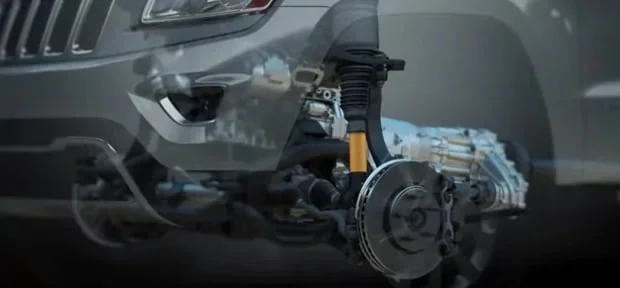
The suspension control module is the brain of the air suspension system. It receives signals from sensors and controls the compressor and valves. Disconnecting it effectively shuts down the entire system.
Here is how to do it:
- Locate the control module. It is typically found under the vehicle near the rear axle or under the hood.
- Disconnect the electrical connector from the module.
- Secure the connector away from any moving parts or metal surfaces.
- Start the vehicle. The system will not initialize without the module connected.
This method is more thorough than simply removing a fuse. It prevents the system from sending error codes or triggering warning lights in some cases. However, it requires more effort to access the module. You may need to lift the vehicle or get underneath it.
Expert Insight: Some owners prefer this method because it stops the system from trying to self-diagnose. Without the module connected, the vehicle does not check for air pressure or ride height. This means fewer dashboard warnings and less strain on the electrical system.
Method 3: Install a Suspension Conversion Kit
This is the most permanent and comprehensive solution. A suspension conversion kit replaces the factory air springs and compressor with traditional coilover springs. The kit includes everything you need for a clean, reliable setup.
Here is what the process typically involves:
- Purchase a quality conversion kit designed for your specific Jeep Grand Cherokee model year.
- Remove the air springs and compressor from the vehicle.
- Install the coilover springs in place of the air springs.
- Mount the new shocks and struts according to the kit instructions.
- Adjust the ride height to your preferred setting.
- Test drive the vehicle and make fine adjustments as needed.
Conversion kits range in price from a few hundred to over a thousand dollars. The cost is still significantly less than repeatedly repairing the factory air suspension. And the results are often better. Coilover springs provide consistent, predictable handling. They do not leak. They do not require a compressor. They simply work.
Quick Tip: Look for kits from reputable brands like Bilstein, Fox, or Rancho. These manufacturers have a proven track record in the off-road and suspension communities. Reading reviews and watching installation videos before you buy can save you a lot of headaches.
One important consideration. The Jeep Grand Cherokee offers powerful engine options ranging from smaller displacement engines to the robust HEMI V8. When you convert to a coilover setup, you change how the vehicle handles under load. The 1500cc to 2000cc cars in India segment shows how different engine sizes affect suspension tuning. Similarly, your Grand Cherokee’s engine weight and power delivery will influence how the new suspension performs. Choose a kit that matches your driving style and typical load conditions.
Method 4: Use a Suspension Delete Module or Tuner
For tech-savvy owners, an electronic suspension delete module can disable the air system at the software level. These devices plug into the vehicle’s OBD-II port and modify the suspension control settings.
Here is what you need to know:
- The module intercepts signals from the suspension control module.
- It tells the system that everything is functioning normally, even though the air components are disabled.
- This prevents dashboard warning lights from appearing.
- Some modules allow you to toggle the system on and off with the push of a button.
This method is elegant because it keeps your vehicle looking stock. There are no visible changes. The dashboard stays clean. But internally, the air suspension is effectively disabled. The downside is the cost of the module, which can range from $100 to $300 depending on the brand and features.
Common Mistake: Do not buy cheap, unverified modules from unknown sellers. Poorly designed modules can cause electrical issues or interfere with other vehicle systems. Stick with trusted brands and read user reviews carefully before purchasing.
Pros and Cons of Disabling Air Suspension
Every approach has its trade-offs. Here is a clear comparison to help you decide.
| Aspect | With Air Suspension | After Disabling |
|---|---|---|
| Ride Comfort | Excellent, adjustable | Good, fixed height |
| Maintenance Cost | High | Low |
| Reliability | Moderate | High |
| Off-Road Durability | Moderate | High |
| Ride Height Adjustment | Yes, automatic | No |
| Installation Complexity | Factory installed | Varies by method |
| Resale Value Impact | Neutral | Minimal |
| Dashboard Warnings | Possible if system fails | None with proper method |
The table makes it clear. Disabling the air suspension trades adjustable ride height for lower costs and better reliability. For many Jeep Grand Cherokee owners, this is a worthwhile trade. The vehicle is heavy, and the air suspension components add weight. Removing them can actually improve fuel efficiency slightly, though the difference is modest.
When you think about how much a vehicle weighs, it matters. The question of how heavy is too heavy for a car comes up often among SUV owners. The Jeep Grand Cherokee sits in a sweet spot where it is heavy enough to feel stable and safe on the highway, but the air suspension helps manage that weight effectively. When you disable it, the vehicle relies on traditional springs and shocks, which are simpler and lighter in terms of component count.
Step-by-Step Guide: Quick Fuse Removal Method
Since the fuse removal method is the most popular and accessible, let us walk through it in more detail. This section is for owners who want a fast, no-fuss solution.
What You Will Need:
- Owner’s manual or fuse box diagram
- Fuse puller tool (usually included in the fuse box)
- A small container to store the removed fuse
- Gloves (optional but recommended)
Step-by-Step Process:
- Turn off the vehicle. Make sure the engine is off and the key is removed from the ignition.
- Open the hood. Locate the fuse box on the driver’s side of the engine bay.
- Remove the fuse box cover. It usually clips on and can be pulled straight up.
- Find the air suspension fuse. Refer to the diagram printed on the inside of the cover or in your owner’s manual.
- Pull the fuse straight out. Use the fuse puller to avoid bending the prongs.
- Start the vehicle. The engine will run normally. The suspension warning light may illuminate on the dashboard.
- Test the vehicle. Drive at low speeds first. The vehicle should sit at its default ride height.
Important Note: With the fuse removed, the vehicle will not be able to raise or lower itself. If you need to load heavy cargo or tow a trailer, you should reinstall the fuse temporarily. The air suspension helps distribute weight evenly, so keep this in mind when hauling heavy loads.
What Happens After You Disable the Air Suspension?
Once you disable the system, you will notice some changes in how the vehicle behaves. Understanding these changes helps you set realistic expectations.
Ride Height
The vehicle will settle at its lowest ride height. This is the default position when the air suspension is not powered. For most Jeep Grand Cherokee models, this is a comfortable height for daily driving. You will not be able to raise the vehicle for steep inclines or rough terrain without the air system.
Dashboard Warnings
Depending on the method you choose, you may see a suspension warning light. The fuse removal method typically triggers this light. The control module disconnection method may or may not. The conversion kit method usually does not trigger warnings because the system is physically removed.
Ride Quality
With the air suspension disabled, the ride quality depends on the condition of the remaining suspension components. If your shocks and springs are in good shape, the ride will feel firm and responsive. If other suspension parts are worn, you may notice more road noise and body roll.
Electrical System
The air suspension compressor draws a significant amount of electrical current. Disabling it actually reduces the load on the electrical system. This can be beneficial for older vehicles with aging alternators or batteries.
Disabling the air suspension also means you no longer have the convenience of automatic leveling. When you load passengers or cargo, the vehicle will not raise itself to compensate. You will need to be mindful of this, especially when towing. The Jeep Grand Cherokee is a capable towing vehicle, and proper ride height matters for safe towing. Keep this in mind if you plan to haul trailers or boats regularly.
Expert Tips for a Successful Air Suspension Disable
Here are some expert recommendations to make the process smooth and stress-free:
- Document everything. Take photos before you disconnect or remove any components. This makes reinstallation easier if you ever change your mind.
- Keep the original parts. Store the air springs, compressor, and sensors in a safe place. If you ever want to restore the factory setup, having the original parts makes it much easier.
- Check for recalls. Some Jeep Grand Cherokee model years had recalls related to the air suspension system. Check with your dealer before making any changes.
- Consider a professional installation. If you are not comfortable working under the vehicle, a mechanic can install a conversion kit or disconnect the module for you.
- Test before you commit. Try the fuse removal method first. If you are happy with the results, you can always move to a more permanent solution later.
The Jeep Grand Cherokee has been a staple in the SUV market for decades. It has earned a reputation for combining luxury with rugged capability. The air suspension adds a layer of refinement that many owners appreciate. But for those who have dealt with the frustration of air suspension failures, disabling it is a relief. The vehicle becomes simpler, more predictable, and cheaper to maintain.
Whether you choose a temporary fuse removal or a full coilover conversion, the goal is the same. You want a reliable, enjoyable driving experience in one of the best SUVs on the market. With the right approach, you can achieve exactly that.
One final thought. The Jeep Grand Cherokee is versatile enough to serve many roles. It is a family hauler, a daily commuter, and a weekend adventurer all in one. The air suspension was designed to enhance that versatility. But when it becomes a liability rather than an asset, disabling it is a smart, practical choice. Trust your judgment, pick the method that fits your needs, and enjoy your Jeep Grand Cherokee with confidence.
Frequently Asked Questions
Can I disable the air suspension temporarily without any permanent changes?
Yes, removing the air suspension fuse is the easiest temporary method. You simply pull the fuse, and the system is disabled. You can reinstall the fuse at any time to restore full functionality. This approach is ideal for owners who are unsure about committing to a permanent change.
Will disabling the air suspension affect my Jeep Grand Cherokee’s warranty?
It depends on your warranty terms and how you disable the system. Removing a fuse is generally considered a non-invasive change. However, installing a conversion kit or disconnecting the control module may void certain warranty coverage. Always check with your dealer before making modifications.
How much does it cost to disable air suspension on a Jeep Grand Cherokee?
The cost varies by method. Fuse removal costs nothing. A suspension delete module runs between $100 and $300. A full coilover conversion kit can cost anywhere from $500 to $2,000 depending on the brand and quality. Compare these costs to the expense of repeated air suspension repairs, and the savings become clear.
Will my Jeep Grand Cherokee fail an inspection after disabling the air suspension?
In most regions, disabling the air suspension does not cause an inspection failure. However, laws vary by location. Some areas require all factory safety systems to remain intact. Check your local regulations before making any changes to the suspension system.
Can I re-enable the air suspension after disabling it?
Absolutely. All the methods described in this guide are reversible. You can reinstall the fuse, reconnect the control module, or even revert from a conversion kit back to the factory air suspension setup. Keeping your original parts makes this process much easier.
What is the best method for off-road use?
For serious off-roading, a coilover conversion kit is the best option. It provides consistent, reliable performance without the complexity and vulnerability of the air suspension system. Coilovers handle rough terrain better and do not have air lines or compressors that can get damaged on the trail.
=== CONCLUSION ===
Disabling the air suspension on a Jeep Grand Cherokee is a practical decision that many owners eventually make. The system offers comfort and convenience, but it comes with a long list of potential problems. Expensive repairs, warning lights, and reliability concerns push owners to seek simpler alternatives.
Whether you choose the quick fuse removal method, the electronic module approach, or a full coilover conversion, the goal is the same. You want a dependable, affordable, and enjoyable driving experience. Each method has its place, and the right choice depends on your budget, your driving habits, and your long-term plans for the vehicle.
The Jeep Grand Cherokee remains an outstanding SUV regardless of how you set up its suspension. It is spacious, powerful, and capable. Disabling the air suspension does not diminish those qualities. In many cases, it enhances them by removing a source of headaches and expense. Take your time, choose the method that fits your situation, and enjoy the drive.