Do You Have to Program TPMS Sensors Before Installing
Yes, in most cases you need to program TPMS sensors before installing them, especially if you are using aftermarket sensors. Programming ensures your car’s computer recognizes each sensor and reads accurate tire pressure data. Skipping this step can trigger warning lights and cause inaccurate readings on your dashboard.
This is a comprehensive guide about Do You Have to Program TPMS Sensors Before Installing?.
Key Takeaways
- Programming is usually required: Most vehicles need TPMS sensors programmed before they will communicate with the car’s computer.
- Aftermarket sensors need extra steps: Universal or aftermarket sensors almost always require manual programming or activation.
- OEM sensors may auto-learn: Factory sensors from the same brand often relearn automatically with a simple reset.
- You need the right tools: A TPMS activation tool or OBD scanner makes the job much easier and faster.
- Wrong installation causes problems: Skipping programming leads to warning lights, error codes, and inaccurate tire pressure readings.
- Battery life matters: TPMS sensors run on small batteries that last several years but need replacement eventually.
[FEATURED_IMAGE_PLACEHOLDER]
Do You Have to Program TPMS Sensors Before Installing?
If you have ever swapped out a tire sensor or bought a new set of wheels, you might have asked yourself this question. The short answer is yes, in most cases you do need to program TPMS sensors before installing them. But the full answer depends on a few things, like the type of sensor you are using and the make and model of your car.
TPMS stands for Tire Pressure Monitoring System. It is a safety feature in modern vehicles that keeps an eye on the air pressure inside your tires. When the pressure drops too low or rises too high, a light pops up on your dashboard. This system helps prevent blowouts, improves fuel economy, and keeps your tires wearing evenly.
Now, when you install new sensors, your car needs to know they are there. It needs to learn their unique IDs and start receiving data from them. That is where programming comes in. Without it, your car might show a tire pressure warning light even when your tires are perfectly fine.
In this article, we will walk through everything you need to know. We will cover when programming is required, how to do it, common mistakes, and tips to make the whole process smooth. Whether you are a DIYer or someone who just wants to understand what the mechanic is talking about, this guide has you covered.
What Is a TPMS Sensor and How Does It Work?
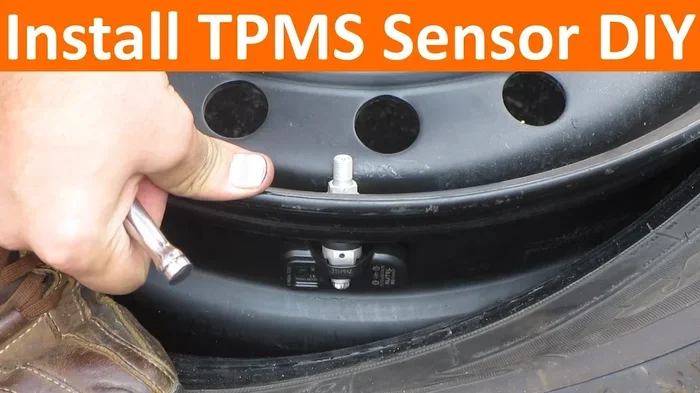
Before we dive into programming, let us quickly understand what a TPMS sensor actually is. Each tire has a small sensor attached to the valve stem. This sensor measures the air pressure inside the tire and sends that data wirelessly to your car’s computer.
The sensor is powered by a tiny battery that lasts several years, usually between five and ten years. Once the battery dies, the sensor needs to be replaced. When you replace it, the new sensor must be recognized by the car’s system.
How the Sensor Sends Data
Here is how the process works in simple terms:
- The sensor measures tire pressure every few seconds.
- It sends a radio signal with the pressure reading and its unique ID number.
- The car’s computer receives the signal and displays the data.
- If the pressure is outside the safe range, the dashboard warning light turns on.
Think of it like a tiny radio station inside each tire. Your car is the receiver. If the car does not know the station’s frequency, it cannot pick up the signal. That is exactly why sensor programming matters.
There are also wheel speed sensors used in indirect TPMS systems, but those work differently. We will cover that in the next section.
Types of TPMS Systems: Direct vs. Indirect
Not all TPMS systems are the same. Understanding the type your car uses is the first step in knowing whether programming is needed.
Direct TPMS
Direct TPMS uses a physical sensor inside each tire. These sensors are mounted on the valve stem and measure pressure directly. Most modern cars from brands like Toyota, Honda, Ford, and Chevrolet use direct TPMS.
With direct systems, programming is almost always required when you install new sensors. Each sensor has a unique ID that the car must learn. This process is called sensor relearning or sensor programming.
Indirect TPMS
Indirect TPMS does not use physical pressure sensors. Instead, it relies on the car’s ABS wheel speed sensors. When a tire has low pressure, its rolling radius changes, and the wheel spins at a different speed. The car’s computer detects this difference and triggers the warning light.
Indirect systems are simpler and cheaper. They are common in older or budget vehicles. With indirect TPMS, you usually do not need to program anything. A simple reset of the system after adjusting tire pressure is often all that is needed.
Which System Does Your Car Use?
You can check your owner’s manual to find out which type your car has. If you see a physical sensor on the valve stem, you have direct TPMS. If there is no visible sensor on the tire, you likely have indirect TPMS.
For most people reading this article, you probably have direct TPMS sensors, and that means programming is likely needed. This is especially true if you drive a 1500cc to 2000cc car in India, where direct TPMS is standard in most newer models.
Do You Have to Program TPMS Sensors Before Installing?
Now let us get to the heart of the question. The answer depends on two main factors: the type of sensor and the vehicle.
When Programming Is Required
You will need to program TPMS sensors before installing them in these situations:
- You are using aftermarket or universal TPMS sensors. These sensors do not come pre-programmed for your specific car.
- You are replacing a sensor with a different brand or model than the original.
- Your car requires a specific activation or relearn procedure for new sensors.
- You are installing sensors on a vehicle that has never had them before.
In all of these cases, the car’s computer does not know the new sensor’s ID. Programming teaches the system to recognize and accept the sensor.
When Programming May Not Be Needed
There are some cases where you can skip programming:
- You are replacing a sensor with the exact same OEM sensor from the same manufacturer.
- Your vehicle has an auto-relearn feature that detects new sensors automatically.
- You are using a OE (Original Equipment) replacement sensor that is already matched to your car.
Even in these cases, you will usually still need to run a relearn procedure. The sensor itself may already be programmed, but the car still needs to be told to look for it.
Programming vs. Relearning: What Is the Difference?
These two terms often get mixed up, but they are not the same thing.
- Programming means writing the sensor’s ID and settings into the car’s computer. This is done with a TPMS tool or scan tool.
- Relearning means teaching the car to recognize sensors that are already programmed. The car scans for the sensors and stores their IDs.
Think of programming as setting up a new email account. Relearning is just checking your inbox for new messages. Both steps matter, but they serve different purposes.
How to Program TPMS Sensors Before Installation
If you have decided to program your sensors yourself, here is a step-by-step guide. You will need a few tools and about 20 to 30 minutes.
What You Will Need
- A TPMS activation tool or programming tool (such as Autel MX, Launch, or similar).
- An OBD-II scanner if your vehicle requires it.
- The new TPMS sensors you want to install.
- Your vehicle’s owner manual for specific relearn procedures.
- A tire pressure gauge to set the correct pressure before starting.
Some people also use a 12V DC to 220V AC car power inverter to run their TPMS programming tools if they are working in a garage without easy access to a power outlet. This can be a handy backup option.
Step-by-Step Programming Process
Step 1: Set the correct tire pressure. Before you start, make sure all tires are inflated to the recommended pressure listed on your driver’s side door jamb.
Step 2: Connect the TPMS tool. Turn on your TPMS activation tool and follow the on-screen prompts. Select your vehicle make, model, and year.
Step 3: Enter sensor information. If you are using aftermarket sensors, you will need to enter the sensor ID manually. Some tools can auto-detect the sensor ID when you bring them close.
Step 4: Activate the sensor. The tool sends a signal to wake up the sensor. You should see a confirmation on the tool screen.
Step 5: Install the sensor. Now you can mount the sensor onto the valve stem and install the tire on the wheel.
Step 6: Run the relearn procedure. Start the car and use the TPMS tool or your vehicle’s onboard system to teach it to recognize the new sensor. Drive the car for a few minutes at speeds above 20 km/h if required.
Step 7: Check the dashboard. After the relearn, the warning light should turn off. If it stays on, you may need to repeat the process or check the sensor battery.
Using an OBD-II Scanner for Programming
Many modern vehicles allow you to program TPMS sensors through an OBD-II port. You simply plug the scanner into the port under your dashboard, select the TPMS menu, and follow the prompts. This method is often faster and more reliable than using a standalone activation tool.
Some scanners can also check the battery health of each sensor. This is a great feature because it tells you if a sensor is about to die before it causes a warning light.
Common TPMS Programming Mistakes to Avoid
Programming TPMS sensors is not difficult, but it is easy to make mistakes. Here are some common errors that people run into.
Skipping the Relearn Procedure
This is the most common mistake. People program the sensor but forget to tell the car to accept it. The result is a persistent warning light on the dashboard. Always complete the full relearn process after programming.
Using the Wrong Sensor Type
Not all TPMS sensors are the same. Some cars use frequency-specific sensors. Using the wrong frequency can cause the sensor to fail to communicate with the car. Always double-check compatibility before purchasing a sensor.
Forgetting to Set Tire Pressure First
If your tires are not at the correct pressure when you run the relearn, the system may not calibrate properly. Always set the pressure first, then do the programming.
Ignoring Sensor Battery Life
Even brand new sensors can have weak batteries if they have been sitting on a shelf for too long. Check the battery status before installing. A dead battery means the sensor will not work, no matter how well you program it.
Not Programming All Four Sensors
Some people only program the sensors they can see or reach. But your car expects data from all four sensors. If even one is missing, the system may not function correctly. Always program or relearn all sensors at once.
Mixing Direct and Indirect System Parts
This is a rare but serious mistake. Never try to use a direct TPMS sensor on a car with an indirect system, or vice versa. The systems work completely differently and are not interchangeable.
Tips for a Smooth TPMS Sensor Installation
Here are some practical tips to make your TPMS sensor installation and programming experience as easy as possible.
Keep Your Old Sensors Until the New Ones Are Working
Do not throw away your old sensors until you have confirmed the new ones are reading correctly. This gives you a fallback if anything goes wrong during programming.
Clean the Valve Stem Before Installation
Dirt and corrosion on the valve stem can affect the sensor seal and cause slow leaks. Use a small brush to clean the area before mounting the new sensor.
Use Thread Sealant or Tape
Applying a small amount of thread sealant or Teflon tape to the valve stem threads helps prevent air leaks. This is a simple step that many people skip.
Check for Recalls or Technical Bulletins
Some car manufacturers issue recalls or service bulletins related to TPMS sensors. Check online or with your dealer to see if your vehicle is affected. This can save you time and money.
Keep Your Car Clean During the Process
Working on your tires can sometimes lead to mess, especially if you are doing it in a garage. You might want to check out tips on removing unwanted things from car glass and other car cleaning advice to keep your workspace tidy and your car looking great.
Record the Sensor IDs
Write down the sensor ID numbers before you remove the old sensors. This makes programming much faster and reduces the chance of errors. Some TPMS tools even let you save the IDs for future reference.
How Often Do TPMS Sensors Need to Be Replaced?
TPMS sensors are built to last, but they are not permanent. The small battery inside each sensor typically lasts between five and ten years. After that, the sensor will stop transmitting and need to be replaced.
You may also need to replace sensors if they get damaged. Potholes, curbs, and road debris can all harm a sensor over time. If you notice a sensor is not reading on your dashboard, the battery may be dead or the sensor may be physically damaged.
When replacing sensors, remember that you will need to program or relearn the new ones. This is true even if you are replacing just one sensor. The car’s system needs to recognize every sensor individually.
Can You Program TPMS Sensors Yourself?
The short answer is yes. Many DIY enthusiasts program their own TPMS sensors at home. You do not need to be a mechanic to do it. However, you do need the right tools and a bit of patience.
Basic TPMS activation tools are affordable and easy to use. More advanced OBD-II scanners cost more but offer additional features like battery health checks and multi-vehicle support. If you work on multiple cars or plan to do this often, investing in a good tool pays off quickly.
If you are not comfortable doing it yourself, any qualified mechanic or tire shop can program the sensors for you. The cost is usually reasonable, especially if you have already purchased the sensors.
Conclusion
To answer the question directly: yes, you usually need to program TPMS sensors before installing them. Whether you are using aftermarket sensors or replacing OEM ones, taking the time to program and relearn ensures your tire pressure monitoring system works correctly.
Skipping this step can lead to warning lights, inaccurate readings, and even safety issues on the road. With the right tools and a little patience, the process is straightforward and well worth the effort.
Remember to set your tire pressure first, use compatible sensors, and always run the full relearn procedure. If you run into trouble, consult your vehicle’s manual or reach out to a professional. Your tires are the only part of your car that touches the road, so keeping the TPMS system in good shape is one of the best things you can do for safety and performance.
Frequently Asked Questions
Can I drive with the TPMS light on after installing new sensors?
You should not drive with the TPMS light on for long. It means the system has not recognized the new sensors or there is a pressure issue. Drive to a safe place and complete the relearn procedure. If the light stays on, check the sensor programming and tire pressure.
How long does it take to program a TPMS sensor?
Programming one sensor usually takes about 2 to 3 minutes. For all four sensors plus the relearn process, plan for 15 to 30 minutes total. The time varies depending on your vehicle and the tools you are using.
Do OEM TPMS sensors need programming when replaced?
OEM sensors from the same manufacturer often do not need full programming. However, you will still need to run a relearn procedure so the car recognizes the new sensor. Always check your owner manual for the specific process.
What happens if I install TPMS sensors without programming them?
The car will not recognize the sensors. You will likely see a persistent tire pressure warning light on the dashboard. The system will not display accurate pressure readings, which can affect your safety and fuel efficiency.
Can a universal TPMS sensor be programmed for any car?
Most universal TPMS sensors can be programmed to work with many different vehicles. You will need a TPMS activation tool that supports your sensor brand. Follow the tool’s instructions to match the sensor to your car’s system.
How do I know if my TPMS sensor battery is dying?
Most TPMS tools can check the battery voltage of each sensor. A warning light that stays on even after programming may indicate a weak battery. Typically, TPMS sensor batteries last 5 to 10 years before needing replacement.