Can You Jump a Hybrid Battery Everything You Should Know
Yes, you can jump a hybrid battery, but it requires different steps than a traditional car. Hybrid vehicles use both a high-voltage battery and a standard 12-volt battery, and each needs specific handling. This guide covers everything from safety precautions to step-by-step jump-start procedures so you can handle a dead hybrid battery with confidence.
So your hybrid car won’t start. You turn the key or press the button, and nothing happens. No dash lights, no engine hum, no sign of life. It’s frustrating, right? If you own a hybrid vehicle, this situation can feel even more confusing because hybrids work differently than regular cars.
Here’s the good news: you can jump a hybrid battery in most cases. But the process isn’t exactly the same as jump-starting a traditional gas-powered car. Hybrids have two battery systems, and knowing which one is dead makes all the difference. In this article, we’ll walk you through everything you need to know — from understanding how hybrid batteries work to step-by-step jump-start instructions and safety tips.
Whether you’re stranded in a parking lot or just want to be prepared, this guide has you covered. Let’s dive in and make sure you never have to wonder what to do when your hybrid battery dies.
Key Takeaways
- Hybrid batteries have two systems: a high-voltage traction battery and a 12-volt auxiliary battery that can be jumped.
- Always locate the 12-volt battery first before attempting any jump-start on a hybrid vehicle.
- Safety comes first — wear gloves, avoid contact with high-voltage cables, and follow manufacturer guidelines.
- You can use a portable jump starter as a safer alternative to traditional jump cables.
- Know when to call a professional if the hybrid battery shows warning signs like reduced range or dashboard alerts.
- Regular maintenance helps prevent hybrid battery failure and extends its lifespan significantly.
📑 Table of Contents
- Understanding How a Hybrid Battery System Works
- Can You Jump a Hybrid Battery Safely?
- Step-by-Step Guide to Jump-Starting a Hybrid Battery
- Warning Signs Your Hybrid Battery Needs Attention
- Common Mistakes People Make When Jump-Starting a Hybrid
- How to Maintain Your Hybrid Battery for Longevity
- Hybrid Battery Replacement: What to Expect
- Final Thoughts on Jumping a Hybrid Battery
Understanding How a Hybrid Battery System Works
Before you try to jump anything, it helps to understand what’s under the hood. Hybrid cars use two separate battery systems, and this is the key to everything.
The High-Voltage Traction Battery
The big battery in a hybrid is the high-voltage traction battery. This is what powers the electric motor and helps the gas engine save fuel. You’ll never need to jump this battery directly. It recharges itself through regenerative braking and the gas engine. This battery typically operates at 200 to 400 volts, which is extremely dangerous if you handle it incorrectly.
The high-voltage system uses bright orange cables to warn you. Never touch these cables or connectors. If you see orange, stay away. This is the most important safety rule when dealing with any hybrid vehicle maintenance task.
The 12-Volt Auxiliary Battery
The smaller battery is a standard 12-volt lead-acid battery. This is the battery that starts your car and powers the electronics — the lights, radio, computer systems, and more. When people say their hybrid won’t start, it’s almost always this 12-volt battery that’s dead.
You can jump this battery just like you would any regular car battery. The process is very similar, but there are a few extra precautions you need to take because of the high-voltage system nearby.
Quick Tip: Always check your owner’s manual first. Every hybrid model is slightly different, and the manual will tell you exactly where the 12-volt battery is located. In some models, it’s under the hood. In others, it’s in the trunk or under a rear seat. Knowing the location ahead of time saves a lot of hassle when you’re stuck in a parking lot at night.
Can You Jump a Hybrid Battery Safely?
The short answer is yes. You can safely jump a hybrid battery — specifically the 12-volt auxiliary battery. But there are important safety considerations that set hybrids apart from conventional vehicles.
Why Hybrid Jump-Starting Is Different
Regular cars have one battery and one alternator. Hybrids have a high-voltage system running alongside the standard electrical system. If you accidentally connect jump cables to the wrong components, you could damage the hybrid system or hurt yourself. The good news is that manufacturers design these vehicles with safety in mind, and following the right steps keeps you protected.
Here are the key safety rules to follow every single time:
- Never attempt to jump the high-voltage battery. Only jump the 12-volt auxiliary battery.
- Keep all metal objects away from the battery area. A stray wrench or jewelry piece can cause a short circuit.
- Wear insulated gloves. Even a small spark can hurt, and the hybrid system carries more voltage than you might expect.
- Make sure both vehicles are off. Don’t attempt a jump-start while either car is running or in drive.
- Follow the correct cable order. Positive first, then negative. Remove in the reverse order.
When Not to Jump-Start
There are situations where you should skip the jump-start and call for help. If you notice any of these signs, don’t risk it:
- The battery case is swollen or cracked.
- There is a burning smell near the battery.
- You see visible corrosion on the battery terminals.
- The hybrid dashboard shows a red warning light.
- You are unsure which battery is dead.
When in doubt, it’s always better to call roadside assistance or a professional. A hybrid battery repair can be expensive, and you don’t want to make things worse by taking shortcuts.
Step-by-Step Guide to Jump-Starting a Hybrid Battery
Now that you understand the basics, let’s walk through the actual process. Follow these steps carefully and you’ll have your hybrid running again in no time.
Step 1: Gather Your Equipment
You’ll need the following items before you start:
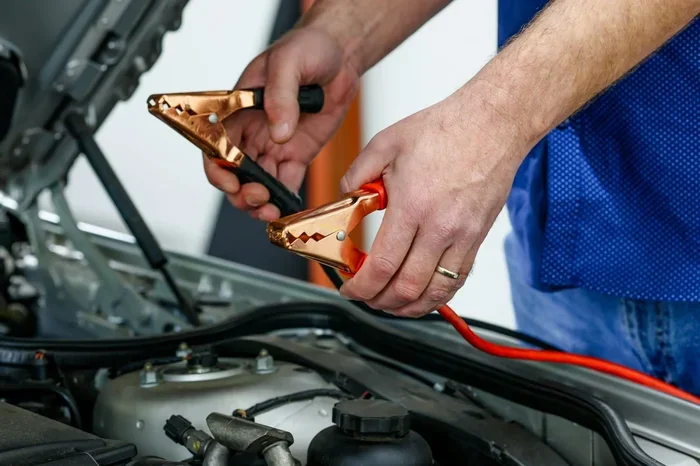
- A set of jump cables (also called booster cables)
- A working vehicle with a 12-volt battery
- Your hybrid’s owner manual
- Insulated gloves
- A flashlight (if it’s dark)
Some people also carry a portable jump starter pack. These small devices are a great alternative to needing another vehicle. They’re compact, easy to store in your trunk, and they work without needing another car. If you frequently drive a hybrid, a portable jump starter is one of the best investments you can make.
Step 2: Locate the 12-Volt Battery
Open your hood or trunk and find the 12-volt battery. It will have a negative (-) and positive (+) terminal. The terminals are usually covered with plastic caps. Remove them if needed so you can access the metal posts underneath.
Take a moment to inspect the battery. Look for any cracks, leaks, or heavy corrosion. If the battery looks damaged, do not attempt a jump-start. Call a professional instead.
Step 3: Position the Donor Vehicle
Park the working vehicle close to your hybrid, but make sure they don’t touch. Both vehicles should be in park (or neutral) with the engines off. Turn off all electronics in both cars — the radio, lights, air conditioning, and phone chargers.
This reduces the risk of electrical surges and ensures a clean power transfer between the batteries.
Step 4: Connect the Jump Cables
This is the most critical step. Follow this exact order:
- Connect the red clamp to the positive (+) terminal of the dead hybrid battery.
- Connect the other red clamp to the positive (+) terminal of the working vehicle’s battery.
- Connect the black clamp to the negative (-) terminal of the working vehicle’s battery.
- Connect the other black clamp to an unpainted metal surface on the hybrid car’s engine block. This is called grounding, and it helps prevent sparks near the battery.
Important: Never let the clamp ends touch each other once they’re connected to a battery. This creates a dangerous spark.
Step 5: Start the Working Vehicle First
Start the donor vehicle and let it run for about two to three minutes. This allows the working battery to send some charge to the dead hybrid battery. You’ll notice the hybrid dashboard lights come on or the radio might start working.
After a couple of minutes, try starting your hybrid. If it starts, great! If not, let the working vehicle run for another few minutes and try again. Sometimes a deeply discharged battery needs more time to accept a charge.
Step 6: Disconnect the Cables in Reverse Order
Once your hybrid is running, disconnect the cables in the opposite order you connected them:
- Remove the black clamp from the engine block of the hybrid.
- Remove the black clamp from the working vehicle’s negative terminal.
- Remove the red clamp from the working vehicle’s positive terminal.
- Remove the red clamp from the hybrid’s positive terminal.
Let your hybrid engine run for at least 15 to 20 minutes after a successful jump-start. This gives the 12-volt battery time to recharge. If you turn it off too soon, you might find yourself in the same situation again.
Using a Portable Jump Starter
If you have a portable jump starter, the process is even simpler. Attach the red clamp to positive and the black clamp to negative on your hybrid’s 12-volt battery. Turn on the jump starter, then start the hybrid. No second vehicle is needed. This is a much safer option because there’s no risk of cable misconnection between two vehicles.
Many hybrid owners prefer this method because it eliminates the need for another car and reduces the risk of electrical issues. You can find reliable portable jump starters at most auto parts stores for under $100.
Warning Signs Your Hybrid Battery Needs Attention
Jump-starting is a quick fix, but it doesn’t address the root cause of why your battery died. If your hybrid battery keeps dying, there’s an underlying issue you need to address. Here are the warning signs to watch for:
Reduced Electric Range
If your hybrid used to run 50 miles on electric power and now it barely makes it 20, the battery health is declining. A failing battery can’t hold a charge the way it used to, and this affects your fuel efficiency and overall performance.
Dashboard Warning Lights
Hybrids have specific warning lights for the battery system. If you see a red or yellow triangle, a battery icon, or a “check hybrid system” message on your dash, don’t ignore it. These alerts are your car telling you something needs attention.
Strange Noises
A healthy hybrid is relatively quiet. If you hear grinding, clicking, or whining sounds coming from the battery area, something is wrong. These noises can indicate internal battery damage or a failing cooling system.
Battery Not Holding a Charge
If you jump-start your hybrid and the 12-volt battery dies again within a day or two, the battery is likely failing and needs replacement. A healthy 12-volt battery should hold a charge for weeks, even when the car sits unused.
Swollen or Warped Battery Case
This is a serious issue. If the battery case looks bloated or deformed, the battery has overheated and may be leaking. Do not attempt to jump-start a swollen battery. Replace it immediately and have a professional handle the disposal.
If you notice any of these signs, consider having a professional run car diagnostics as soon as possible. Many auto parts stores offer free diagnostic testing, which can save you money on guesswork.
Common Mistakes People Make When Jump-Starting a Hybrid
Even with the best intentions, people make mistakes that can damage their hybrid or cause injury. Here are the most common errors and how to avoid them.
Connecting Cables to the Wrong Terminals
This is the number one mistake. Connecting positive to negative or mixing up the clamp order can fry your electrical system. Always double-check every connection before turning on either vehicle.
Ignoring the Hybrid Warning System
Hybrids have sophisticated computers that monitor the battery and electrical systems. If your car displays a warning about high-voltage components, stop immediately. The car is trying to protect you from a dangerous situation.
Jump-Starting in Wet Conditions
Water and electricity are a dangerous combination. If it’s raining or the battery area is wet, move both vehicles to a dry, sheltered location before attempting a jump-start. Standing water can conduct electricity and increase the risk of shock.
Using the Wrong Gauge Jump Cables
Not all jump cables are created equal. Thin cables have high resistance and may not deliver enough power to start a hybrid. Look for cables rated at least 4 gauge for reliable performance. If you’re unsure about your current cables, check out our guide on car weight limits and equipment safety for more practical vehicle tips.
Forgetting to Turn Off Accessories
It’s tempting to leave the headlights or radio on, but every accessory draws power from the battery. Turn everything off before attempting a jump-start. This ensures all available power goes toward cranking the engine.
Assuming One Jump-Start Fixes Everything
A jump-start gives you a temporary boost, not a permanent solution. If your battery keeps dying, you need to investigate why. The alternator, the battery itself, or a parasitic drain could all be culprits. Having a professional inspect the system is always a smart move after a jump-start.
How to Maintain Your Hybrid Battery for Longevity
The best way to avoid jump-starting your hybrid is to prevent battery problems in the first place. Regular maintenance goes a long way toward keeping your hybrid battery healthy and strong.
Drive Your Hybrid Regularly
Hybrid batteries thrive on use. If you let your car sit for weeks without driving, the 12-volt battery slowly loses its charge. Try to drive your hybrid at least a few times per week, even if it’s just a short trip around the block. Regular use keeps the battery charged and the internal chemistry healthy.
Keep the Battery Clean
Corrosion on battery terminals is a silent killer. Every time you pop the hood, take a look at the battery terminals. If you see white or greenish buildup, clean it off with a mixture of baking soda and water. A clean connection means better power flow and a longer battery life.
Monitor the Hybrid Battery Temperature
Hybrid batteries perform best within a specific temperature range. Extreme heat and extreme cold both shorten battery life. In hot climates, parking in the shade or a garage helps. In cold climates, a battery blanket or insulated cover can make a big difference.
Replace the 12-Volt Battery on Schedule
The 12-volt auxiliary battery typically lasts three to five years. Mark your calendar or set a phone reminder to have it tested annually after the three-year mark. Replacing a weak battery before it dies completely saves you from being stranded.
Get Professional Hybrid Maintenance
While many car maintenance tasks are DIY-friendly, hybrid work requires special training and equipment. Have a certified hybrid technician inspect your high-voltage system at least once a year. They can spot problems early before they become expensive repairs.
Expert Insight: Many hybrid owners don’t realize that the 12-volt battery and the high-voltage battery are completely separate systems. When the 12-volt battery dies, the car can’t wake up the high-voltage system. That’s why a dead 12-volt battery can make your entire hybrid seem dead, even though the traction battery is perfectly fine. Understanding this distinction helps you troubleshoot more effectively and avoid unnecessary panic.
For more information on vehicle weight and how it affects your car’s performance, check out our detailed article on what weight is too heavy for a car — it covers important topics about load limits and how excess weight impacts your vehicle’s systems, including battery performance.
Hybrid Battery Replacement: What to Expect
Despite your best maintenance efforts, hybrid batteries eventually wear out. When that happens, you have options. Here’s what you need to know about the replacement process.
How Much Does a Hybrid Battery Cost?
The cost varies widely depending on your vehicle make and model. A new OEM hybrid battery can range from $1,500 to $5,000 or more. Labor costs typically add another $500 to $1,500. That’s a significant investment, which is why many owners explore refurbished or rebuilt battery options.
Can You Replace Just the 12-Volt Battery?
Yes. The 12-volt auxiliary battery is a standard, off-the-shelf component. It costs between $50 and $200, and most people can swap it themselves with basic tools. If your hybrid won’t start, always check the 12-volt battery first before assuming the high-voltage system is the problem.
How Long Does a Hybrid Battery Last?
Most hybrid batteries are designed to last 80,000 to 100,000 miles, though many last well beyond that with proper care. The 12-volt auxiliary battery typically lasts three to five years. Your driving habits, climate, and maintenance routine all influence these numbers.
If you’re considering a used hybrid or wondering how battery health affects your purchase decision, it’s worth knowing that hybrid battery health is one of the most important factors in long-term ownership satisfaction.
Final Thoughts on Jumping a Hybrid Battery
So, can you jump a hybrid battery? Absolutely. The process is very similar to jump-starting a regular car, with a few extra safety precautions to keep in mind. The most important thing to remember is that you’re jumping the 12-volt auxiliary battery — never the high-voltage traction battery.
By following the steps outlined in this guide, you can handle a dead hybrid battery safely and confidently. Always prioritize safety, use the right equipment, and don’t hesitate to call a professional if something doesn’t feel right.
Regular maintenance and awareness of warning signs can help you avoid the jump-start situation altogether. Keep your battery clean, drive your hybrid regularly, and replace the 12-volt battery on schedule. These simple habits go a long way toward keeping your hybrid running smoothly for years to come.
Whether you’re a first-time hybrid owner or a seasoned pro, knowing how to jump a hybrid battery is an essential skill. It saves you time, money, and the stress of being stranded. Bookmark this guide, share it with fellow hybrid drivers, and drive with confidence knowing you’re prepared for whatever the road throws your way.
For additional car care tips and practical vehicle guides, explore our collection of articles designed to help you get the most out of your car ownership experience.
Frequently Asked Questions
Can you jump-start a hybrid car with a regular car?
Yes, you can jump-start a hybrid using a regular gasoline-powered car. The key is to connect the cables to the 12-volt auxiliary battery, not the high-voltage traction battery. Always follow the correct cable connection order and keep both vehicles off during the process.
Is it safe to jump a hybrid battery in the rain?
It’s best to avoid jump-starting in wet conditions. Water increases the risk of electrical shorts and shock. If you must jump-start in the rain, move both vehicles to a covered or dry area first. Never let the cable clamps touch wet surfaces while connected.
How long should I let my hybrid run after a jump-start?
Let your hybrid run for at least 15 to 20 minutes after a successful jump-start. This gives the 12-volt battery time to recharge from the alternator. If you turn the car off too soon, the battery may not have enough charge to restart the vehicle.
Can a dead hybrid battery be recharged instead of replaced?
Yes, in many cases a dead hybrid battery can be recharged using a specialized hybrid battery charger. However, if the battery cells are damaged or degraded, recharging may only provide a temporary fix. A professional diagnostic test can determine whether recharging or replacement is the better option.
What happens if you accidentally touch the high-voltage battery in a hybrid?
The high-voltage system in a hybrid carries 200 to 400 volts, which can be fatal. Always avoid touching orange cables or high-voltage components. If you accidentally contact these parts, seek medical attention immediately, even if you don’t feel pain right away. Electrical injuries can be deceptive.
Do hybrid batteries need special jump cables?
Standard jump cables work fine for jumping the 12-volt auxiliary battery in a hybrid. You don’t need special cables, but it’s wise to use heavy-gauge cables (4 gauge or lower) for reliable power transfer. Avoid thin, lightweight cables that may not deliver enough current to start the vehicle.
=== CONCLUSION ===
Jumping a hybrid battery is straightforward once you know the basics. The process centers on the 12-volt auxiliary battery, not the high-voltage system. By following the safety precautions, connecting cables in the right order, and respecting the hybrid’s unique design, you can get back on the road quickly and safely.
Remember to keep your hybrid well-maintained, watch for warning signs of battery trouble, and invest in a portable jump starter for emergencies. These habits keep your hybrid running strong and help you avoid unexpected breakdowns. Now that you know exactly how to handle a dead hybrid battery, you’re better prepared for whatever comes your way on the road ahead.