Can Skipping Oil Changes Cause Overheating and Damage
Skipping oil changes is one of the fastest ways to wreck your engine. Old oil loses its ability to lubricate and cool critical engine parts, which leads to heat buildup and overheating. Regular oil changes are the simplest and cheapest way to protect your vehicle from expensive engine damage.
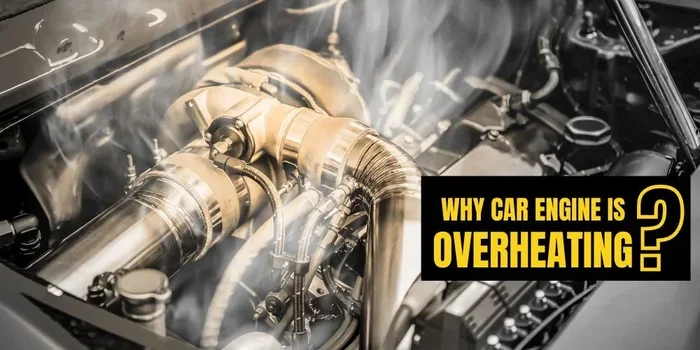
Can skipping oil changes cause overheating? The short answer is a loud and clear yes. Your engine relies on clean oil to keep everything running cool and smooth. When you skip oil changes, that protective layer of lubrication breaks down. The result? Heat builds up fast, and your engine can suffer serious harm.
Many car owners ignore their oil change schedule. Life gets busy, and it is easy to push that service date further and further out. But here is the truth: your engine does not forgive neglect. Dirty oil turns into sludge. Sludge blocks passages. And blocked passages mean parts that cannot get the lubrication they need.
In this article, we will cover exactly how skipping oil changes leads to overheating. We will look at the science behind it, the warning signs you should never ignore, and what happens when you push your luck too far. We will also share practical tips to keep your engine healthy for the long haul.
Key Takeaways
- Old oil breaks down: Over time, oil loses its viscosity and cooling ability, putting your engine at risk.
- Overheating is a real threat: Without proper lubrication, friction between metal parts generates extreme heat.
- Engine damage costs a fortune: Repairing a seized engine can cost thousands of dollars, far more than an oil change.
- Watch for warning signs: Strange noises, dark oil, and temperature gauge spikes all signal trouble.
- Stick to a schedule: Following your manufacturer’s oil change interval keeps your engine running smoothly.
- DIY oil changes save money: You can learn to change your oil at home with basic tools.
📑 Table of Contents
- How Oil Keeps Your Engine Cool
- What Happens When You Skip Oil Changes
- Warning Signs That Your Engine Is Overheating From Old Oil
- How Often Should You Change Your Oil?
- The Cost of Ignoring Oil Changes
- Can You Fix Overheating Damage From Skipped Oil Changes?
- Quick Tips to Prevent Overheating From Old Oil
- Expert Insights on Oil Change and Engine Health
- Common Mistakes People Make With Oil Changes
- Conclusion
How Oil Keeps Your Engine Cool
Most people think coolant is the only thing that keeps an engine from overheating. But oil plays a huge role too. In fact, oil is responsible for cooling many of the internal parts that coolant never touches.
The Lubrication System
Your engine has hundreds of moving parts. Pistons, crankshafts, camshafts, and valves all move at high speed. Without oil, these metal parts would grind against each other. Friction creates heat. And too much heat causes warping, scoring, and even seizing.
Clean oil flows through narrow passages and coats every surface. It reduces friction and carries heat away from hot spots. Think of oil as the lifeblood of your engine. Just like your body needs blood to function, your engine needs oil to survive.
Oil Viscosity and Heat Control
Oil viscosity refers to how thick or thin your oil is. New oil has the right viscosity to flow easily and protect engine parts. As oil ages, it breaks down. It gets thinner or thicker, depending on the type. This change in oil viscosity affects how well it can lubricate and cool.
When oil viscosity drops, it cannot form a proper protective film. When it gets too thick, it cannot flow freely. Either way, your engine parts start to overheat. This is why keeping up with your oil change schedule matters so much.
What Happens When You Skip Oil Changes
Skipping one oil change might not cause immediate disaster. But making a habit of it? That is a different story. Let us walk through what happens inside your engine when old oil goes unchecked.
Oil Breakdown and Contamination
Over time, oil collects dirt, metal particles, and combustion byproducts. These contaminants turn clean oil into a gritty mess. The additives in the oil that fight heat and wear get used up. The oil can no longer do its job.
As the oil degrades, it forms sludge. Sludge is a thick, dark substance that clogs oil passages. When oil cannot flow where it needs to go, parts start rubbing together without protection. This is the beginning of engine overheating.
Increased Friction and Heat Buildup
Without proper lubrication, metal surfaces grind against each other. This creates more friction than the engine was designed to handle. Friction generates heat. And when heat builds up faster than your cooling system can manage, temperatures spike.
Your coolant system works hard, but it cannot do it all alone. The oil system and the coolant system work together to regulate temperature. When one fails, the other gets overwhelmed. That is when things go wrong fast.
Engine Component Damage
Prolonged heat exposure damages engine components in serious ways. Bearings wear out. Cylinder walls get scored. The head gasket can blow. And in the worst case, the engine seizes completely.
A seized engine means the car stops dead. You will need a full engine replacement or a very expensive rebuild. We are talking thousands of dollars here. All because of oil that should have been changed weeks or months ago.
Warning Signs That Your Engine Is Overheating From Old Oil
Catching the signs early can save you from a major repair bill. Your car gives you clues when something is wrong. You just need to know what to look for.
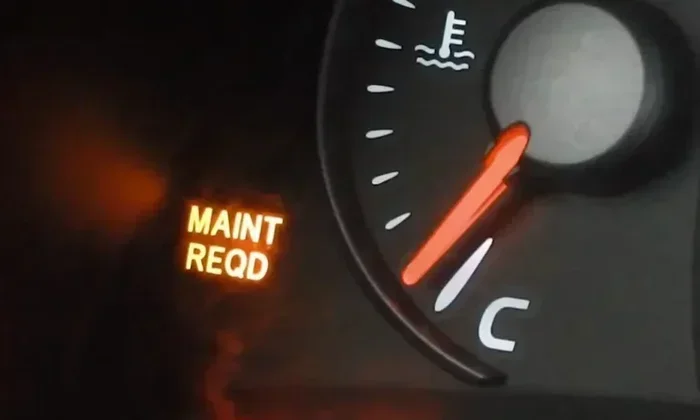
Temperature Gauge Spikes
Your dashboard temperature gauge is your first line of defense. If you notice the needle climbing into the red zone, pull over safely. This is a clear sign that your engine is running too hot. It could be old oil, low coolant, or both.
Strange Engine Noises
Clean oil keeps engine parts running quietly. When oil breaks down, you may hear knocking, ticking, or rumbling sounds. These noises mean metal parts are making contact without proper lubrication. Do not ignore them.
If you hear unusual sounds from your engine bay, it is a good idea to do your own car diagnostics right away. Catching the problem early can prevent a total breakdown.
Dark or Dirty Oil on the Dipstick
New oil is amber and translucent. Old oil turns dark brown or black. Pull out your dipstick and check the color. If it looks like coffee, your oil is long overdue for a change. Dark oil has lost much of its protective qualities.
Burning Oil Smell
A burning smell inside or outside the car is a red flag. Old oil can start to burn when it gets too hot. This smell means the oil has broken down and is no longer protecting your engine. Get it checked immediately.
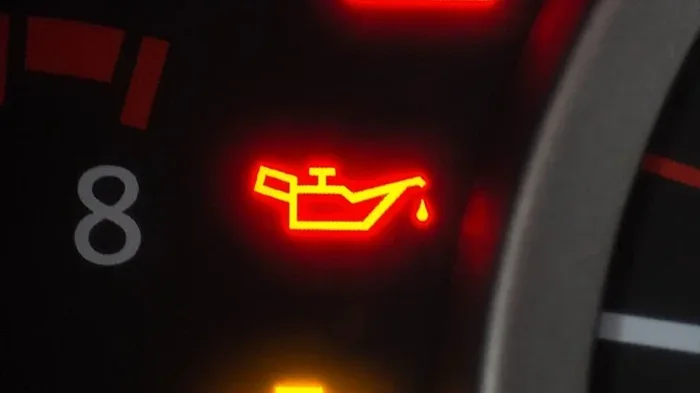
Oil Pressure Warning Light
If your oil pressure light comes on, do not keep driving. This light means the oil is not flowing properly. It could be too old, too low, or contaminated. Driving with low oil pressure will destroy your engine in a matter of minutes.
How Often Should You Change Your Oil?
The old rule of thumb was every 3,000 miles or three months. But modern engines and oils have changed things. Most cars today can go longer between oil changes. But the exact interval depends on several factors.
Manufacturer Recommendations
Check your owner’s manual. The manufacturer knows your engine best. They will give you a specific oil change interval based on your model and engine type. Some newer cars can go 7,500 to 10,000 miles between changes. But this is under ideal driving conditions.
Driving Conditions That Require More Frequent Changes
Not all driving is equal. Certain conditions put extra stress on your oil and engine. You may need to change your oil more often if you:
- Drive in stop-and-go traffic a lot
- Live in a very hot or very cold climate
- Tow heavy loads or trailers
- Drive on dusty or gravel roads
- Make short trips where the engine never fully warms up
Under severe driving conditions, sticking closer to the 5,000-mile mark is a smart move. It costs very little and adds years to your engine life.
Oil Type Matters
Not all oils are created equal. Conventional oil breaks down faster than synthetic oil. Full synthetic oil lasts longer and handles heat better. If you want to extend your oil change intervals, synthetic oil is worth the extra cost.
Also, always use the oil weight your manufacturer recommends. Using the wrong oil weight can affect lubrication and cooling performance. Check your owner’s manual or ask your mechanic.
The Cost of Ignoring Oil Changes
Let us talk numbers. An oil change typically costs between $35 and $75 for conventional oil. Synthetic oil changes run a bit more, around $65 to $125. That is a small price to pay for engine protection.
Now compare that to the cost of engine repair from overheating. A new engine can cost anywhere from $4,000 to $8,000. A head gasket replacement runs $1,000 to $2,000. And a seized engine might total your car entirely.
The math is simple. Regular oil changes cost a fraction of what engine repairs cost. Skipping them is like gambling with your car’s life. And most of the time, the house always wins.
If you are worried about the cost, remember that many quick-lube shops offer affordable options. You can also learn to handle basic maintenance yourself and save even more. But never skip the oil change entirely.
Can You Fix Overheating Damage From Skipped Oil Changes?
If your engine has already overheated from old oil, the damage might be reversible. It depends on how bad it is. Let us look at the possibilities.
Minor Damage
If you caught the problem early, the damage might be limited. You could need a new oil change, a flush of the cooling system, and maybe a replacement oil filter. The engine itself might be fine if you caught it before metal parts were damaged.
Moderate Damage
Moderate overheating can damage bearings and cylinder walls. You might need to replace the oil pump, have the engine flushed thoroughly, or replace damaged gaskets. This is expensive but not necessarily a total loss.
Severe Damage
In the worst case, the engine seizes or cracks. A seized engine usually needs a full replacement. At that point, the cost might exceed the value of the car. This is why prevention through regular maintenance is so important.
If you suspect your engine has been damaged from overheating, have a mechanic inspect it right away. The longer you wait, the worse the damage gets. And if you are dealing with a car that has been neglected for a long time, you might also want to check if there are other issues, like how far you can drive on empty, which is another common form of car neglect.
Quick Tips to Prevent Overheating From Old Oil
Prevention is always easier than repair. Here are some simple tips to keep your engine cool and healthy:
- Follow your oil change schedule. Set a reminder on your phone or calendar. Do not rely on memory alone.
- Check your oil level regularly. A quick dipstick check once a month can catch low oil before it becomes a problem.
- Use the right oil. Always match the oil type and weight to your manufacturer’s recommendation.
- Watch your temperature gauge. Keep an eye on it while driving. If it creeps up, pull over and check.
- Replace your oil filter. A clogged filter restricts oil flow. Always replace it with every oil change.
- Do not ignore warning lights. If your check engine light or oil pressure light comes on, address it immediately.
- Keep your cooling system in good shape. Flush and refill coolant according to your maintenance schedule.
Expert Insights on Oil Change and Engine Health
Automotive experts agree on one thing: oil changes are the single most important maintenance task for your car. ASE-certified mechanics consistently rank oil changes as the top way to extend engine life.
According to the Car Care Council, one in five cars on the road has low or dirty oil. This is a staggering number and explains why so many engines fail prematurely. The fix is simple and costs very little.
Mechanics also stress that modern engines run hotter than older ones. Tighter tolerances mean less room for error. Clean oil in a modern engine is even more critical than it was in older vehicles. If you drive a newer car, do not assume you can stretch your oil change interval further than recommended.
Some drivers wonder if they can do their own car diagnostics to check for early signs of engine stress. The answer is yes. Basic diagnostic tools are affordable and can alert you to temperature and pressure issues before they become serious problems.
Common Mistakes People Make With Oil Changes
Even well-meaning car owners make mistakes when it comes to oil changes. Here are the most common ones:
- Ignoring the oil change light: The light is there for a reason. Do not reset it and keep driving.
- Using the wrong oil: Not all oils are the same. Using the wrong type can cause poor lubrication and overheating.
- Overfilling the oil: Too much oil can foam and lose its lubricating ability. It can also damage seals.
- Never checking between changes: Oil levels drop over time. Check them regularly, not just at the change interval.
- Stretching intervals too far: Even if the oil looks fine, the additives break down over time. Stick to the recommended interval.
Avoiding these mistakes keeps your engine in good shape and your oil change routine on track.
Conclusion
Can skipping oil changes cause overheating and damage? Absolutely. It is one of the most preventable causes of engine failure. Old oil loses its ability to lubricate and cool. Friction builds up. Heat spikes. And before you know it, your engine is in serious trouble.
The good news is that staying on top of your oil changes is easy and affordable. It takes a small amount of time and money and saves you from thousands of dollars in repairs. Your engine works hard for you every day. Give it the care it deserves.
Set a schedule. Stick to it. And never ignore the warning signs. A little prevention goes a long way. Your future self and your wallet will thank you.
Remember, taking care of your car does not have to be complicated. A simple oil change done on time keeps everything running smoothly. Do not wait until it is too late. Your engine is counting on you.
Frequently Asked Questions
What are the first signs of engine overheating from old oil?
The first signs include a rising temperature gauge, unusual engine noises like knocking or ticking, dark or gritty oil on the dipstick, and a burning smell. If you notice any of these, stop driving and check your oil level and condition immediately.
How long can you drive with old oil before the engine overheats?
There is no set number of miles. It depends on the oil type, driving conditions, and how long the oil has been in the engine. But generally, going more than 1,000 miles past your scheduled oil change puts your engine at risk of overheating.
Can old oil cause overheating even if the oil level is full?
Yes, absolutely. Even full oil can break down over time and lose its lubricating and cooling properties. The oil’s additives wear out, and contaminants build up. This means the oil cannot protect your engine properly, even when the level looks fine.
Is synthetic oil better at preventing overheating?
Synthetic oil handles heat better and lasts longer than conventional oil. It maintains its viscosity over a wider temperature range. This makes it an excellent choice for preventing overheating, especially in hot climates or under heavy driving conditions.
What should I do if my car overheats and I have not changed the oil in a while?
Pull over safely and turn off the engine immediately. Let it cool for at least 30 minutes. Then check the oil level and condition. If the oil is dark, gritty, or low, you need an oil change right away. Have a mechanic inspect the engine for any damage before driving again.
Does skipping oil changes void a car warranty?
It can. Most manufacturers require proof of regular maintenance, including oil changes, to keep a warranty valid. If you skip oil changes and your engine fails, the manufacturer may deny your warranty claim. Always keep records of every oil change you perform or have done.