Can Check Engine Lights Clear Themselves on Their Own
Can check engine lights clear themselves? The short answer is yes, sometimes. A check engine light may turn off on its own if the issue was minor, like a loose gas cap. However, this does not mean the problem is fixed. Understanding why your check engine light comes on and when it clears itself can save you time, money, and stress.
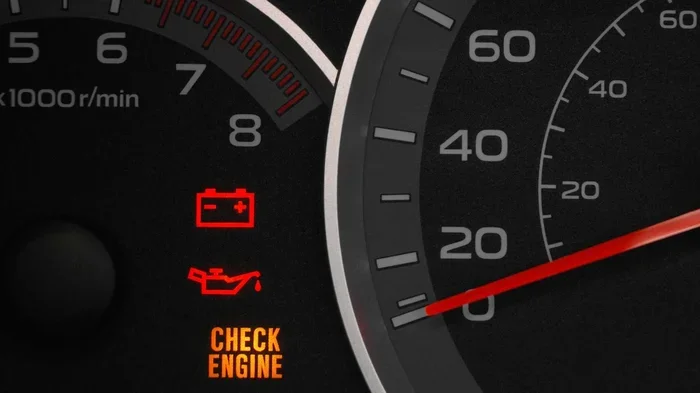
You are driving down the road, minding your own business, when suddenly a yellow or orange light pops up on your dashboard. It looks like an engine. Your heart sinks a little. What does it mean? And here is the big question: can check engine lights clear themselves on their own? You are not alone in wondering this. Millions of drivers face this moment every single day. The good news is that you do not need to panic right away. Let us walk through everything you need to know about your check engine light, why it comes on, and whether it can go away by itself.
The check engine light is part of your car’s onboard diagnostics system. This system has been monitoring your engine and emissions components since the 1990s. When something is off, the system stores a fault code and lights up your dashboard. Sometimes the issue is nothing serious. Other times, it is a sign that something needs immediate attention. The key is knowing the difference. In this article, we will cover exactly what triggers the light, when it clears on its own, and what you should do about it.
Key Takeaways
- Minor issues can trigger the light: A loose gas cap or temporary sensor glitch often causes the check engine light to turn on and off by itself.
- The light clearing does not mean the fix: Even if the check engine light goes away, the underlying problem may still exist and need attention.
- An OBD scanner is your best friend: Using an OBD-II scanner helps you read fault codes and understand what your car is telling you.
- Some issues are serious: Problems with the catalytic converter or engine misfire require immediate attention and should not be ignored.
- Prevention is key: Regular vehicle maintenance and prompt response to dashboard warning lights keep your car running smoothly.
📑 Table of Contents
- What Triggers a Check Engine Light?
- Can Check Engine Lights Clear Themselves on Their Own?
- What to Do When the Check Engine Light Comes On
- Driving Safety with the Check Engine Light On
- Preventing Future Check Engine Light Issues
- Common Mistakes People Make with the Check Engine Light
- When to See a Professional Mechanic
- Final Thoughts on Check Engine Lights
What Triggers a Check Engine Light?
Your car has dozens of sensors constantly monitoring performance. When any of these sensors detect a problem, they send a signal to the engine control unit. The engine control unit then stores a diagnostic trouble code and activates the check engine light. There are hundreds of possible reasons for this light to come on. Some are very minor. Others are quite serious. Let us look at the most common triggers.
Common Reasons the Light Comes On
- Loose or damaged gas cap: This is the number one reason. A loose gas cap lets fuel vapors escape, which messes with the emission system. It is an easy fix that costs nothing.
- Faulty oxygen sensor: The oxygen sensor measures unburned oxygen in your exhaust. When it fails, your fuel economy drops and emissions rise.
- Catalytic converter issues: A failing catalytic converter is expensive to replace. It is part of your exhaust system and helps reduce harmful emissions.
- Engine misfire: A misfire means one or more cylinders are not firing correctly. This can damage your engine over time if ignored.
- Mass airflow sensor failure: This sensor measures the air entering your engine. When it goes bad, your engine may run rough or stall.
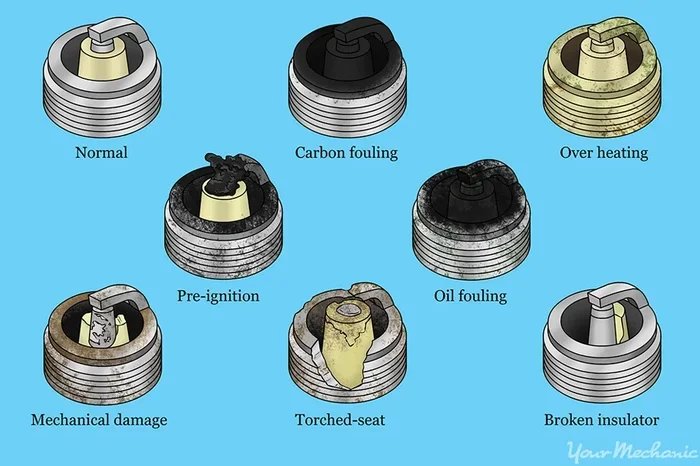
- Spark plug or ignition coil problems: Worn spark plugs or bad coils can cause rough idling and reduced power.
Minor vs. Serious Causes
Not all check engine light triggers are created equal. A loose gas cap is a minor issue. You can fix it yourself in seconds. A failing catalytic converter, on the other hand, is a serious problem. It can cost hundreds or even thousands of dollars to repair. The tricky part is that the light does not tell you how urgent the issue is. A steady light usually means the problem is not an emergency, but a flashing light means you should pull over and seek help right away.
If you are not sure what caused your light to come on, you might want to try doing your own car diagnostics with an OBD scanner. This can give you a head start before visiting a mechanic.
Can Check Engine Lights Clear Themselves on Their Own?
Now for the big question. Can check engine lights clear themselves? The answer is yes, sometimes. But it is not as simple as the light going away meaning everything is fine again. Let us break this down.
How the System Works
Your car’s onboard diagnostics system works in cycles. When a problem is detected, the system stores a fault code and turns on the light. If the same problem does not reoccur during several driving cycles, the system may turn the light off by itself. A driving cycle is a series of engine start-ups, idling periods, and trips at different speeds. It can take anywhere from a few days to a few weeks of normal driving for the system to run its full test again.
So if your light came on because of a one-time event, like a temporary sensor glitch or a slightly loose gas cap, the system might clear the fault code and turn off the light after a few successful driving cycles. This is the most common way a check engine light clears itself.
When the Light Goes Away on Its Own
There are a few situations where the light may turn off without any intervention from you:
- Intermittent issues: Some problems come and go depending on temperature, humidity, or driving conditions. A sensor might throw a code when cold but work fine when warm.
- Loose gas cap: If the light came on because your gas cap was loose, tightening it may cause the light to go away after a few days of driving.
- Temporary electrical glitches: Sometimes a brief wiring issue or voltage spike can trigger the light. Once the glitch passes, the light may turn off.
- Fuel quality issues: Bad fuel or a small amount of water in the tank can trigger the light. Once you fill up with good fuel, the issue may resolve.
But here is the important part. Just because the light is off does not mean the problem is gone. The fault code is still stored in your car’s computer. You can still retrieve it with an OBD scanner. And if the root cause was not fixed, the light will likely come back. This is a very common mistake people make. They see the light off and assume everything is fine. Then a few weeks later, the light comes back, often with a bigger problem.
What to Do When the Check Engine Light Comes On
So your check engine light just turned on. What should you do? The first thing is to stay calm. The second thing is to take action. Here is a step-by-step plan.
Step-by-Step Response Plan
- Check your gas cap: Pull over safely and make sure your gas cap is tight. If it was loose, tighten it and drive for a few days. See if the light goes away.
- Check for other warning lights: Are there other dashboard warning lights on? If you see a temperature warning or oil pressure light, pull over immediately.
- Note any symptoms: Is your car running rough? Is there a strange noise? Is your fuel economy dropping? These details help a mechanic diagnose the issue faster.
- Get the fault codes read: Visit an auto parts store or use your own OBD scanner to read the diagnostic trouble codes. This tells you what the car is trying to tell you.
- Decide on next steps: Based on the codes and symptoms, decide whether you can keep driving or need immediate service.
Tools You Need for Diagnostics
You do not need expensive tools to start diagnosing a check engine light. A basic OBD-II scanner costs under $30 and plugs right into your car’s diagnostic port. The port is usually located under the dashboard on the driver’s side. Once plugged in, the scanner reads the fault codes stored in your car’s computer. You can then look up what each code means.
Many modern OBD scanners connect to your phone via Bluetooth. You download an app, pair the scanner, and read codes right from your phone. This makes auto diagnostics much more accessible than it used to be. If you want to learn more about doing this yourself, check out our guide on can I do my own car diagnostics for a deeper dive into the tools and process.
Driving Safety with the Check Engine Light On
One of the biggest concerns drivers have is whether it is safe to keep driving with the check engine light on. The answer depends on what is causing the light and how your car is behaving.
When It Is Safe to Keep Driving
If the light is steady and your car is driving normally, you can usually keep going. A steady light means the issue is not an immediate emergency. You should still get it checked soon, but you do not need to pull over right this second. Just make sure you schedule a service appointment within a few days. If you need to drive a longer distance, be mindful of your car’s performance. Watch for any changes in how the engine feels or sounds.
When to Pull Over Immediately
There are situations where you should not keep driving. If the check engine light is flashing, this usually indicates a serious problem like an active engine misfire. A flashing light means you should reduce your speed and pull over safely as soon as possible. Continuing to drive with a flashing light can cause serious damage to your catalytic converter and other components.
Also, if you notice any of these symptoms along with the light, pull over and call for help:
- Strange noises from the engine or exhaust
- Loss of power or stalling
- Overheating temperature gauge
- Smoke or unusual smells from the engine bay
- Difficulty steering or braking
And if you are ever unsure about how far you can safely drive, remember that you should not push your luck. If you are low on fuel and the light is on, you might be tempted to drive 10 miles on empty, but adding a check engine light to the mix makes that a risky choice. Play it safe and get to a gas station or mechanic.
Preventing Future Check Engine Light Issues
The best way to deal with a check engine light is to prevent it from coming on in the first place. Regular maintenance goes a long way. Here are some tips to keep your car healthy and your dashboard warning lights off.
Regular Maintenance Tips
- Check your gas cap regularly: Make sure it clicks when you tighten it. Replace it if it is cracked or worn. A new gas cap costs just a few dollars.
- Keep up with oil changes: Fresh oil keeps your engine running smoothly. Skipping oil changes can lead to engine problems that trigger the light.
- Use quality fuel: Stick with reputable gas stations. Bad fuel can cause all sorts of issues, from rough running to trigger the check engine light.
- Replace spark plugs on schedule: Worn spark plugs can cause misfires. Check your owner’s manual for the recommended replacement interval.
- Inspect sensors and hoses: Over time, sensors and rubber hoses can degrade. Regular inspections catch small problems before they become big ones.
- Do not ignore small symptoms: If your car idles rough or uses more fuel than usual, get it checked. Catching problems early prevents the light from coming on.
Warning Signs to Watch For
Your car usually gives you hints before the check engine light comes on. Pay attention to these early warning signs:
- Slight decrease in fuel economy
- Mild roughness when idling
- Small rattles or unusual sounds
- Slight hesitation when accelerating
- Faint smell of fuel or exhaust
Addressing these small issues early can prevent the light from ever turning on. And if you have ever dealt with something like putting too much weight in your car, you know how small habits can affect your vehicle over time. The same principle applies here. Small maintenance efforts add up to big savings.
Common Mistakes People Make with the Check Engine Light
There are several mistakes drivers make when the check engine light appears. Avoiding these can save you money and headaches.
Mistake 1: Ignoring the Light
This is the biggest mistake. Some people see the light and just leave it on for months. They hope it goes away. Sometimes it does, but the underlying issue does not. What starts as a small sensor problem can turn into a major repair if left alone.
Mistake 2: Clearing the Code Without Fixing the Problem
Some people use a scanner to clear the fault code and turn off the light without actually fixing what caused it. The light stays off for a while, but the problem comes back. And sometimes it comes back worse than before.
Mistake 3: Assuming It Is Always Expensive
Many people assume a check engine light means a huge repair bill. In reality, the most common causes are inexpensive fixes. A loose gas cap, a faulty oxygen sensor, or a worn spark plug can all trigger the light. These are often easy and affordable repairs.
Mistake 4: Not Recording the Fault Codes
If you get the codes read at a store and do not write them down or save them, you lose valuable information. Write down the codes and what they mean. This helps your mechanic diagnose the issue faster and more accurately.
When to See a Professional Mechanic
There are times when DIY diagnostics are not enough. You should see a professional mechanic if:
- The check engine light is flashing
- Your car is running rough or stalling
- You have tried tightening the gas cap and the light stays on after a week of driving
- Multiple warning lights are on at the same time
- The fault code points to a major component like the catalytic converter or engine misfire
- You are not comfortable working on your car yourself
A professional mechanic has the tools and experience to diagnose and fix problems quickly. They can also perform a full inspection of your vehicle to make sure there are no hidden issues. If you are worried about costs, many shops offer free diagnostic scans. It is worth calling around and asking.
Remember, taking care of a small issue today can save you from a big repair tomorrow. Your car is a major investment, and keeping up with vehicle maintenance is the best way to protect that investment. Whether you choose to handle things yourself or visit a mechanic, the most important thing is to take action when the check engine light comes on.
Final Thoughts on Check Engine Lights
So, can check engine lights clear themselves? Yes, they can, but that does not mean you should just ignore them. The light might turn off because the issue was minor and resolved on its own. Or it might turn off temporarily, only to come back later with a bigger problem. Either way, the smart move is to get the codes read and understand what your car is trying to tell you.
Take care of small issues early. Keep up with regular maintenance. And never ignore a dashboard warning. Your car will thank you with better performance, better fuel economy, and a longer life. The next time that yellow light pops up, you will know exactly what to do.
Frequently Asked Questions
Is it safe to drive with the check engine light on?
If the light is steady and your car is driving normally, it is usually safe to drive for a short distance. However, you should get the issue diagnosed as soon as possible. If the light is flashing, do not keep driving. Pull over safely and seek professional help right away.
Can a loose gas cap cause the check engine light to come on?
Yes, a loose or damaged gas cap is one of the most common reasons for a check engine light to turn on. It allows fuel vapors to escape, which triggers the emission system warning. Tightening the cap or replacing it is usually a quick and free fix.
Will the check engine light turn off after fixing the problem?
Not always immediately. After the repair, your car needs to complete several driving cycles for the system to verify the fix. In some cases, you may need to use an OBD scanner to manually clear the fault codes. The light should turn off once the system confirms the issue is resolved.
How much does it cost to fix a check engine light issue?
The cost varies widely depending on the cause. A loose gas cap costs nothing to fix. A faulty oxygen sensor might cost $100 to $300. A catalytic converter replacement can range from $500 to $2,500. Getting the codes read early is the best way to avoid expensive repairs.
Can I clear the check engine light without fixing the problem?
You can clear the fault code with an OBD scanner, but the light will likely come back if the underlying issue is not resolved. The onboard diagnostics system will detect the same problem during the next driving cycle and reactivate the light. It is always better to fix the root cause.
How do I know if the check engine light is serious?
A steady light usually indicates a non-emergency issue, while a flashing light signals a serious problem like an active engine misfire. Other signs of severity include unusual noises, loss of power, smoke, or overheating. When in doubt, get your car inspected by a professional mechanic.