Can You Manually Release an Electronic Parking Brake
Yes, you can manually release an electronic parking brake in most vehicles using a simple release lever or cable located near the rear brakes. This guide walks you through the exact steps, safety tips, and common problems you may face when manually releasing an electronic parking brake. Whether your EPB system has failed or you need a temporary workaround, knowing this process can save you time and money.
You are standing in a parking lot. Your car’s electronic parking brake refuses to release. You press the button. Nothing happens. You wonder, can you manually release an electronic parking brake? The answer is yes. In most cases, you can. And knowing how to do it can save you from a lot of frustration and even keep you safe in tricky situations.
Electronic parking brakes, or EPB systems, have become standard in modern vehicles. They are convenient. They look sleek. But when they fail, many drivers feel stuck. The good news is that almost every car with an electronic parking brake has a manual backup. This guide will show you exactly how to use it. We will cover the steps, the tools you need, and what to do when things go wrong.
Whether you are dealing with a dead battery, a stuck parking brake cable, or a faulty brake actuator, this article has you covered. We will also share expert tips and common mistakes to avoid. So let us dive in and get you back on the road.
Key Takeaways
- Manual release is possible: Most vehicles with electronic parking brakes have a backup cable or lever for manual release.
- Location matters: The manual release mechanism is typically found under the trunk floor or near the rear brake calipers.
- Safety first: Always ensure your vehicle is on a flat surface and in park before attempting a manual release.
- Common issues include: Stuck cables, faulty actuators, and dead batteries that prevent normal EPB operation.
- Regular maintenance helps: Keeping your brake system clean and inspected prevents most parking brake problems.
- Know your vehicle: Always check your vehicle manual for model-specific release instructions.
- When in doubt, call a pro: If the manual release does not work, seek professional brake repair assistance immediately.
📑 Table of Contents
- What Is an Electronic Parking Brake and How Does It Work?
- Can You Manually Release an Electronic Parking Brake?
- Step-by-Step Guide to Manually Releasing an Electronic Parking Brake
- When Should You Manually Release Your Parking Brake?
- Common Problems with Electronic Parking Brakes and How to Fix Them
- Expert Tips for Electronic Parking Brake Maintenance
- Key Takeaways
- Conclusion
What Is an Electronic Parking Brake and How Does It Work?
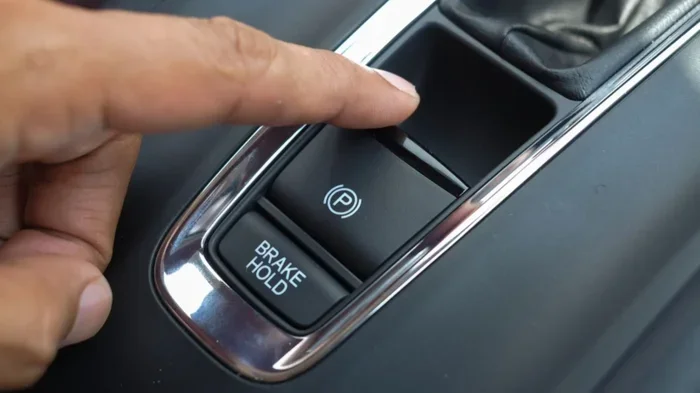
Before we talk about manual release, let us understand how the electronic parking brake works. Unlike traditional hand levers or foot pedals, an EPB uses an electric motor or actuator to engage the rear brakes. When you press the EPB button, a signal goes to the brake control module. That module activates the motor, which pulls the parking brake cable or applies the brake calipers directly.
Most modern vehicles use a caliper-integrated EPB system. This means the actuator sits right inside the rear brake caliper. There is no cable at all. Other older models still use a cable-pull design. Both types can fail. And both usually have a manual release option.
The EPB system does more than just park your car. It also performs auto-hold functions. This means your car stays stopped on a hill without you pressing the brake pedal. It is a great feature. But like all brake systems, it needs proper care and occasional attention.
Can You Manually Release an Electronic Parking Brake?
The short answer is yes. Almost every vehicle with an electronic parking brake includes a manual release mechanism. This is a safety feature. Car manufacturers know that electronic systems can fail. They build in a backup so you are never completely stranded.
The manual release method depends on your vehicle make and model. Some cars use a release lever hidden under the trunk trim. Others use a cable pull tool located near the rear wheels. A few vehicles even allow you to release the EPB by pulling a specific fuse or using a diagnostic tool.
It is important to note that manual release is a temporary solution. You should always get your electronic parking brake inspected and repaired properly. Using the manual release regularly can wear out the brake cable or other components faster than normal.
Common Reasons Your EPB May Need Manual Release
There are several reasons your electronic parking brake might not release normally. Here are the most common ones:
- Dead car battery: The EPB system needs electrical power to function. If your battery is dead or disconnected, the brake will not release electronically.
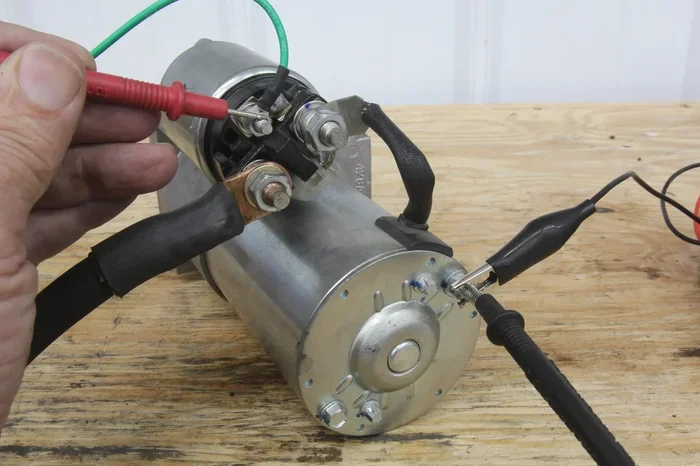
- Faulty brake actuator: The motor or actuator that engages the brake can wear out or fail over time.
- Stuck parking brake cable: In cable-based systems, the cable can rust, stretch, or get stuck inside the housing.
- Software glitch: Sometimes the brake control module simply needs a reset. A dead battery or jump start can cause this.
- Worn brake pads: If the rear brake pads are completely worn, the system may not engage or release properly.
- Blown fuse: A blown fuse in the EPB circuit can cut power to the system entirely.
If you are experiencing any of these issues, do not panic. You can still manually release the brake in most cases. Just follow the steps below.
Step-by-Step Guide to Manually Releasing an Electronic Parking Brake
Releasing an electronic parking brake manually is not as hard as it sounds. But you need to follow the right steps. Here is a clear guide you can follow right now.
Step 1: Park on a Flat Surface
First, make sure your car is parked on a flat, level surface. Turn the ignition off. Put the gear shift in Park (for automatic) or in neutral (for manual). This prevents the car from rolling while you work. Safety always comes first.
Step 2: Locate the Manual Release Mechanism
Now you need to find the manual release. Check your vehicle manual for the exact location. In most cars, you will find it in one of these places:
- Under the trunk floor: Many sedans and SUVs have a small access panel on the trunk floor near the rear seats. Remove the cover and you will see a release lever or cable pull tab.
- Behind a rear wheel well cover: Some vehicles hide the release mechanism behind a plastic panel near the rear wheels.
- Near the rear brake calipers: In certain models, you can access the parking brake cable release by removing a dust cap near the caliper.
If you are unsure where your manual release is, consult the vehicle manual. You can also search online for your specific make and model. Sites with car maintenance guides can be very helpful here.
Step 3: Access the Release Mechanism
Once you have located the panel or cover, remove it carefully. Use a flathead screwdriver or a trim removal tool. Be gentle so you do not damage the plastic clips or the surrounding area.
After removing the cover, you should see either a metal lever or a cable with a pull tab. This is your manual release for the electronic parking brake.
Step 4: Pull the Release Lever or Cable
Now comes the simple part. Pull the release lever upward or pull the cable tab firmly. You should feel some resistance. This is normal. The parking brake cable is under tension.
Pull steadily and firmly. Do not yank or use excessive force. If the cable does not move, it may be stuck or rusted. In that case, do not force it. Spray some brake cleaner or penetrating oil on the cable and wait a few minutes. Then try again.
Step 5: Verify the Brake Has Released
After pulling the release, check the dashboard warning light. The parking brake indicator on your instrument cluster should turn off. You can also try to rock the car gently. If it moves freely, the brake has released successfully.
If the light stays on or the car does not move, the brake caliper may still be engaged. Double-check that you pulled the correct release mechanism. Some vehicles have separate releases for left and right sides.
Step 6: Replace the Cover and Drive Safely
Once the EPB is released, put the cover back in place. Make sure all clips are secured. Drive carefully to a mechanic or brake repair shop to get the electronic parking brake system properly diagnosed and fixed.
Quick Tip: Keep a brake cleaner spray and a pair of gloves in your trunk. These simple tools can make a big difference when dealing with parking brake issues on the side of the road.
When Should You Manually Release Your Parking Brake?
There are specific situations where you might need to use the manual release for your electronic parking brake. Knowing these situations can help you stay prepared.
Dead battery situations: If your car battery dies and you need to move the car, you can use the manual release. This is especially helpful if you need to push the car or tow it. Just remember that without power, other systems like power steering and power brakes may also be affected.
After a jump start: Sometimes a jump start does not restore full EPB function immediately. The brake control module may need a few minutes to reset. If the parking brake light stays on after a jump start, try the manual release.
Emergency situations: If the EPB button fails while you are driving or parking, the manual release gives you a backup. This is rare, but it happens. Being prepared can make a big difference in an emergency.
Maintenance and repairs: When you are doing brake maintenance or replacing rear brake pads, you often need to release the parking brake manually. This allows you to remove the calipers and access the brake components safely.
Knowing when to use manual release is just as important as knowing how. Always treat the manual release as a temporary solution. Get your EPB system checked as soon as possible after using it.
Common Problems with Electronic Parking Brakes and How to Fix Them
Electronic parking brakes are reliable, but they are not perfect. Here are some common problems and what you can do about them.
| Problem | Possible Cause | Solution |
|---|---|---|
| EPB will not engage | Worn brake pads, faulty actuator | Replace brake pads or repair actuator |
| EPB will not release | Dead battery, stuck cable, software glitch | Use manual release, reset system, or replace battery |
| Warning light stays on | Sensor failure, low brake fluid | Check sensors and fluid levels |
| EPB makes grinding noise | Debris in caliper, worn components | Clean caliper or replace worn parts |
| EPB works intermittently | Wiring issue, corroded connector | Inspect wiring and clean connectors |
If you notice any of these problems, do not ignore them. A failing parking brake is a safety hazard. Have your vehicle inspected by a qualified mechanic as soon as possible.
How to Prevent EPB Problems
Prevention is always better than repair. Here are some simple steps to keep your electronic parking brake working smoothly:
- Use the EPB regularly: Do not leave your car in neutral without engaging the brake. Regular use keeps the system lubricated and functional.
- Keep the battery healthy: A weak battery can cause EPB malfunctions. Have your battery tested regularly, especially before winter.
- Check brake fluid levels: Low brake fluid can affect the entire brake system, including the electronic parking brake.
- Listen for warning signs: If you hear clicking, grinding, or buzzing when using the EPB, get it checked early.
- Follow the maintenance schedule: Your vehicle manual includes recommended service intervals for the brake system. Stick to them.
Expert Tips for Electronic Parking Brake Maintenance
Keeping your parking brake in top shape does not require a mechanic for every small task. Here are some expert tips you can follow at home.
Inspect the rear brake area regularly: Pop the trunk and look at the rear brake calipers and cables. Look for rust, dirt, or damage. Clean any debris with a soft brush and brake cleaner. This simple habit can extend the life of your EPB system significantly.
Do not ignore the warning light: If the parking brake warning light comes on, do not just ignore it. It could be a minor sensor issue, or it could signal a serious brake system problem. Have it checked promptly.
Keep your vehicle weight in check: Overloading your car puts extra stress on the brake system, including the parking brake. If you are unsure about your vehicle’s weight limits, check your vehicle manual or search for guidelines specific to your model. You can even learn more about how weight affects your car in our article on can I put too much weight in my car.
Perform diagnostic checks: If your EPB is acting up, you can run basic diagnostics yourself. Many auto parts stores offer free car diagnostic scans. You can also invest in a basic OBD2 scanner to check for error codes related to the parking brake system. Learning more about car diagnostics is easy and can save you money. Check out our guide on can I do my own car diagnostics for more tips.
Keep the release mechanism lubricated: The parking brake cable and release lever can seize up over time. Apply a small amount of white lithium grease or cable lubricant once or twice a year. This keeps the manual release working smoothly when you need it most.
Do not modify the EPB system: Some drivers try to bypass or disable the electronic parking brake. This is a bad idea. The EPB is a safety feature. Modifying it can void your warranty and create dangerous driving conditions.
Key Takeaways
- Manual release is possible in almost all vehicles: Every car with an electronic parking brake includes a backup release mechanism.
- Know where your release is: Check your vehicle manual to locate the manual release lever or cable before you need it.
- Follow the steps carefully: Park safely, locate the release, pull firmly, and verify the brake is disengaged.
- Manual release is temporary: Always follow up with proper brake repair or EPB service from a qualified mechanic.
- Prevention is key: Regular maintenance, healthy battery, and routine inspections keep your electronic parking brake reliable.
- Do not ignore warning signs: Unusual noises, warning lights, or inconsistent operation mean it is time for a professional check.
- Stay prepared: Keep basic tools like brake cleaner and gloves in your trunk for emergency parking brake situations.
Conclusion
Knowing how to manually release an electronic parking brake is a valuable skill for every car owner. It gives you confidence. It keeps you safe. And it can save you from an expensive tow truck call. The process is straightforward. Most vehicles make it easy to access the manual release mechanism. You just need to know where to look and what to do.
Remember that the manual release is a backup, not a permanent fix. If your EPB system is giving you trouble, get it properly diagnosed and repaired. Regular brake maintenance goes a long way in preventing problems before they start. Keep your brake system clean, your battery healthy, and your parking brake well-lubricated.
Take a few minutes today to check your vehicle manual and locate your manual release mechanism. You will be glad you did if you ever find yourself in a situation where the electronic parking brake will not cooperate. Stay safe, stay prepared, and keep your car running strong.
Frequently Asked Questions
Can you manually release an electronic parking brake on any car?
Almost all vehicles with an electronic parking brake include a manual release mechanism. However, the location and method vary by make and model. Always check your vehicle manual for specific instructions. If you cannot find the release, consult a mechanic or search online for your car’s specific EPB release procedure.
What happens if you pull the electronic parking brake cable manually?
Pulling the parking brake cable manually disengages the brake. This allows the rear wheels to move freely. Be careful when doing this. Make sure the car is in park or in gear. Also, do not use the manual release while driving at high speeds. It is meant for emergency or temporary situations only.
Why does my electronic parking brake not release normally?
There are several reasons. A dead battery is the most common cause. Other reasons include a faulty brake actuator, a stuck parking brake cable, or a software glitch in the brake control module. If the normal release does not work, try the manual release and then visit a mechanic for proper diagnosis.
Is it safe to drive with a manually released electronic parking brake?
It is safe for a short distance if you are heading to a repair shop. However, driving long distances with the EPB manually released can cause damage to the rear brake pads and rotors. The parking brake is not designed for regular driving use. Get the system repaired as soon as possible.
How much does it cost to repair an electronic parking brake?
The cost varies depending on the problem. A simple EPB reset or cable adjustment may cost between $100 and $200. Replacing a brake actuator or caliper-integrated EPB unit can range from $300 to $800 or more. Always get a detailed quote from your mechanic before proceeding with parking brake repair.
Can a low battery cause the electronic parking brake to fail?
Yes, absolutely. The electronic parking brake relies on electrical power to operate. A low or dead battery can prevent the EPB from engaging or releasing. If your battery is weak, the parking brake system may behave erratically. Keeping your battery in good condition is essential for reliable EPB function.