Can a Dead Battery Cause the Steering Wheel to Lock Up
Yes, a dead battery can cause your steering wheel to lock up, but it is not the only reason this happens. When your car battery dies, the electrical systems that assist steering and ignition can fail, leaving you stranded with a locked wheel. Understanding why this occurs and how to fix it can save you time, money, and a lot of frustration on the road.
Have you ever turned the key in your ignition and found that your steering wheel is completely stuck? It is a scary moment. You might wonder, can a dead battery cause the steering wheel to lock up? The short answer is yes. But the full story is a bit more interesting than that. Let us walk through everything you need to know about this frustrating car problem.
Your car is a complex machine. Hundreds of parts work together every time you turn the key. When one part fails, it can create a chain reaction. A dead battery is one of the most common reasons drivers get stuck. But understanding why the steering wheel locks up can help you stay calm and fix the problem fast.
Whether you are dealing with a car that will not start or a wheel that feels like it is welded to the floor, this guide has you covered. We will look at the reasons behind this issue, how to fix it, and how to stop it from happening again.
Key Takeaways
- A dead battery can trigger the steering column lock: This is a built-in anti-theft feature that engages when the ignition loses power.
- Power steering assist fails without electrical power: Both electric and hydraulic systems depend on a working battery to function properly.
- You can usually unlock a steering wheel manually: Simple techniques like wiggling the wheel while turning the key often work.
- Battery corrosion and loose terminals are common culprits: Regular maintenance can prevent most battery-related lockups.
- Knowing how to do your own car diagnostics helps: You can quickly identify whether the battery or another part is to blame.
- Prevention is easy and affordable: Regular battery checks and proper storage go a long way.
📑 Table of Contents
- How the Steering Wheel Lock Mechanism Works
- Can a Dead Battery Actually Lock Your Steering Wheel?
- Signs Your Battery Is Causing Steering Problems
- How to Fix a Locked Steering Wheel from a Dead Battery
- Preventing Battery-Related Steering Problems
- Common Mistakes People Make With a Locked Steering Wheel
- When to Call a Professional
- Final Thoughts
How the Steering Wheel Lock Mechanism Works
Most modern cars have a steering column lock. This is a safety feature. It was designed to prevent theft. When you turn off the engine and remove the key, a small pin drops into place. This locks the steering column so that no one can turn the wheel without the key.
This mechanism is simple but effective. It does not need much power to stay engaged. However, when the battery dies, the entire electrical system shuts down. That can cause the lock to engage unexpectedly or make it harder to release.
The Role of the Ignition Switch
The ignition switch is the bridge between your battery and the starter motor. When you turn the key, the switch sends power to the starter. It also disengages the steering lock. If the battery is dead, the switch cannot complete this circuit. The result? Your wheel stays locked even if you try to turn the key.
Sometimes the ignition switch itself wears out over time. This can make the problem worse. A failing switch might not send the right signal to unlock the steering column. That is why it is important to check both the battery and the switch when you have a locked wheel.
Electric vs. Hydraulic Power Steering
Not all cars steer the same way. There are two main types of power steering systems. Electric power steering uses a motor to assist you. Hydraulic power steering uses pressurized fluid. Both systems need energy to work, and that energy comes from the battery.
When the battery dies, electric power steering stops working immediately. You will still be able to turn the wheel, but it will feel very heavy. Hydraulic systems use a pump that is powered by the engine. If the battery is too weak to start the car, the pump does not work either. Either way, you lose steering assist.
Can a Dead Battery Actually Lock Your Steering Wheel?
Here is where things get a little tricky. A completely dead battery will not mechanically lock the steering wheel. What it does is prevent the electrical unlock mechanism from working. So the lock was already there. The battery just cannot release it.
Think of it like this. The steering lock is like a door latch. The battery is like the electricity that powers the lock release. If the power goes out, the latch stays in place. You cannot open the door. The same thing happens with your steering column.
There are also other situations where a weak battery causes steering problems. A battery that is low on charge but not completely dead might still power the lights and radio. But it might not have enough juice to run the power steering assist. This can make the wheel feel stiff and hard to turn.
What Happens When the Battery Is Weak but Not Dead
A weak battery can cause strange problems. Your car might start but run poorly. The power steering might feel heavy at low speeds. Lights might flicker. These are all signs that your battery is struggling.
If you notice these symptoms, it is a good idea to do your own car diagnostics early. A simple voltage check with a multimeter can tell you a lot. A healthy battery should read around 12.6 volts when the car is off. Anything below 12 volts means trouble is coming.
Many people ignore these warning signs. They keep driving until the battery dies completely. By then, they might find themselves with a locked steering wheel and no way to start the car. Catching the problem early can save you from a big headache.
Signs Your Battery Is Causing Steering Problems
Not all steering problems come from a dead battery. But there are some clear signs that point to a battery issue. Learning to recognize these signs can help you fix the problem before it leaves you stranded.
- Dashboard lights dim or flicker: This is one of the first signs of a weak battery. If your lights look dimmer than usual, pay attention.
- Slow cranking when starting: A healthy battery starts the engine quickly. A weak one cranks slowly or sputters.
- Steering feels heavy or stiff: If the wheel suddenly becomes hard to turn, the battery might not be powering the assist system.
- Warning lights on the dash: Many modern cars have a battery or charging system warning light. Do not ignore it.
- Electrical accessories stop working: Power windows, radio, or heated seats acting up can point to a battery problem.
- The car will not start at all: This is the most obvious sign. If you hear a click but no crank, the battery is likely dead.
If you notice several of these signs at once, your battery is probably the problem. A quick check can confirm it. And the fix is usually simple and affordable.
How to Check Your Battery Voltage
You do not need to be a mechanic to check your battery. A basic multimeter costs under $20 at any auto parts store. Here is how to use it.
- Turn off the car and all accessories.
- Set the multimeter to DC voltage.
- Touch the red probe to the positive terminal.
- Touch the black probe to the negative terminal.
- Read the display. You want 12.6 volts or higher.
If the reading is below 12 volts, your battery needs charging or replacing. If it is below 11 volts, the battery is likely too weak to start the car reliably. This is the kind of problem that can lead to a locked steering wheel.
How to Fix a Locked Steering Wheel from a Dead Battery
So you are standing there with a dead battery and a locked steering wheel. What do you do? Stay calm. There are several things you can try before calling for help.
Step 1: Wiggle the Steering Wheel
This is the simplest fix and it works most of the time. While you try to turn the key, wiggle the steering wheel left and right. The lock pin is inside the column. Moving the wheel can release it. Try this gently. You do not need to force anything.
Many people do not know this trick. They panic and think something is broken. A little movement of the wheel can release the lock and get you back on the road.
Step 2: Try the Key in Different Positions
Sometimes the key does not turn all the way. Try gently wiggling the key while turning it. If the key is worn or damaged, it might not make proper contact with the ignition switch. A spare key can help you rule out this problem.
If the key turns but the car still does not start, the battery is likely the issue. You might need a jump start or a new battery.
Step 3: Jump Start the Car
A jump start can give your dead battery enough power to release the steering lock and start the engine. You will need jumper cables and another vehicle or a portable jump starter.
Connect the cables in the right order. Red to positive on both batteries. Black to negative on the good battery and to an unpainted metal surface on your car. Start the working car first, then try starting yours.
Once the car starts, let it run for a while. The alternator will recharge the battery. If the battery is old or damaged, it might not hold a charge. In that case, you will need a replacement.
Step 4: Check the Battery Terminals
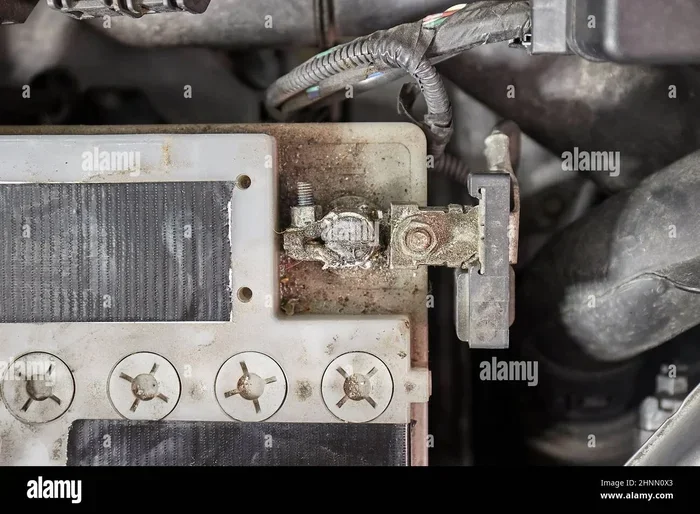
Corroded or loose battery terminals can cause all kinds of problems. White or greenish buildup on the terminals can block the electrical connection. This can prevent the car from starting and the steering lock from releasing.
You can clean the terminals with a wire brush and a baking soda solution. Simply disconnect the cables, scrub the terminals, and reconnect them. This simple maintenance step can solve many battery problems.
If the terminals are badly corroded, it might be time to replace the battery. Most car batteries last between three and five years. If yours is older, a new one is a smart investment.
Step 5: Replace the Battery
If jump starting does not work, the battery might be completely dead. A new battery solves this problem for good. Make sure you buy the right size and type for your car. You can find this information in your owner’s manual.
Installing a new battery is straightforward. Disconnect the negative terminal first, then the positive. Remove the old battery. Place the new one in the tray. Connect the positive terminal first, then the negative. That is it.
Just remember that after installing a new battery, you might need to reset some car systems. The radio, clock, and power windows may need reprogramming. Check your owner’s manual for specific instructions.
Preventing Battery-Related Steering Problems
The best way to deal with a locked steering wheel is to prevent it from happening in the first place. Good battery maintenance can keep your car running smoothly and your steering working properly.
Regular Battery Inspections
Get your battery checked at least twice a year. Most auto parts stores will test it for free. They can tell you if the battery is holding a charge and if the terminals are clean.
During winter, battery problems become more common. Cold weather reduces battery capacity. If your battery is already weak, a cold morning can be the final straw. Keep an eye on it as the temperature drops.
Keep the Battery Clean and Tight
Make sure the battery terminals are clean and tight. Loose connections can cause intermittent electrical problems. Corrosion can block the current flow. A quick cleaning every few months can prevent these issues.
You can also apply a thin layer of petroleum jelly or terminal protectant to the terminals. This helps prevent future corrosion and keeps the connection strong.
Avoid Short Trips When Possible
Short trips do not give the battery enough time to fully recharge. If you only drive five or ten minutes at a time, the battery can slowly lose its charge over time. Try to combine errands into longer trips when you can.
If you must take short trips frequently, consider using a battery maintainer. This device keeps the battery charged when the car is not in use. It is a small investment that can extend the life of your battery significantly.
Turn Off Accessories Before Shutting Down
Before you turn off the engine, make sure all accessories are off. Lights, radio, heated seats, and phone chargers all draw power. If you leave them on, they can drain the battery overnight.
This is a simple habit that can save you from a dead battery. It takes just a few seconds and can prevent a lot of trouble down the road.
Replace Old Batteries Before They Fail
Do not wait for the battery to die completely. If your battery is more than three years old, have it tested regularly. A proactive replacement is always cheaper and less stressful than a sudden failure.
A dead battery can also affect other parts of your car. The alternator works harder when the battery is weak. Over time, this can lead to alternator failure too. Keeping your battery in good shape protects the entire electrical system.
Common Mistakes People Make With a Locked Steering Wheel
When faced with a locked steering wheel, many drivers make mistakes that make the problem worse. Here are a few to avoid.
- Forcing the key: If the key will not turn, do not force it. You might break the key inside the ignition. That creates an even bigger problem.
- Yanking the steering wheel: Aggressive pulling can damage the steering column. Be gentle when trying to release the lock.
- Ignoring the problem: A locked wheel might seem minor, but it can leave you stranded. Address it quickly.
- Assuming it is always the battery: Sometimes the problem is a bad ignition switch or a damaged key. Get a proper diagnosis before replacing parts.
- Driving with a dead battery: If you get a jump start, do not turn the car off again until the battery is recharged. Turning it off might leave you unable to restart it.
Avoiding these mistakes can save you time and money. It also keeps you safe on the road.
When to Call a Professional
Most steering lock issues can be fixed at home. But some situations require a professional. If you have tried everything and the wheel still will not unlock, it is time to call a mechanic.
Also, if the steering wheel is hard to turn even after the battery is replaced, there might be a deeper problem. The steering rack, power steering pump, or other components could be damaged. A trained technician can diagnose and fix these issues properly.
If you find yourself frequently dealing with battery problems, a professional inspection is worth the cost. There might be an underlying electrical issue that is draining your battery. Fixing that issue can prevent repeat lockups and keep your car reliable.
Final Thoughts
So, can a dead battery cause the steering wheel to lock up? Yes, it can. But now you know why it happens and what to do about it. A dead battery prevents the electrical unlock mechanism from working, which leaves the steering column lock engaged. This can make your car impossible to drive.
The good news is that this is a fixable problem. With a little knowledge and some basic tools, you can unlock the steering wheel and get back on the road. Regular battery maintenance can prevent most of these issues from happening in the first place.
Remember to check your battery voltage regularly. Keep the terminals clean. Replace old batteries before they fail. And if you ever find yourself with a locked wheel, stay calm and try the simple fixes we covered. A little preparation goes a long way in keeping your car running smoothly.
Take care of your battery, and it will take care of you. Your steering wheel will stay responsive, your car will start every time, and you will avoid the frustration of being stranded with a dead battery and a locked wheel.
Frequently Asked Questions
Can a dead battery cause the steering wheel to lock up while driving?
No, a dead battery typically causes the steering wheel to lock up when the car is off or during startup. While driving, the alternator provides power to the electrical systems. However, if the battery dies while driving, you might lose power steering assist, making the wheel very hard to turn. Pull over safely and get the battery checked.
How do I know if my steering wheel lock is caused by a dead battery?
If the steering wheel is locked and the car will not start, the battery is likely the cause. Check the dashboard for dim lights or warning indicators. Use a multimeter to test the battery voltage. A reading below 12 volts usually confirms a dead or weak battery.
Can I unlock a steering wheel without starting the car?
Yes, you can. Try wiggling the steering wheel left and right while gently turning the key in the ignition. This releases the lock pin inside the steering column. You do not need to start the car to unlock the wheel. Once unlocked, you can address the battery issue separately.
Is it safe to drive with a locked steering wheel?
No, it is not safe. A locked steering wheel means you cannot steer the car. This is extremely dangerous, especially at higher speeds. Always unlock the steering wheel and confirm the battery is working before driving.
How long does it take to replace a car battery?
Replacing a car battery usually takes about 15 to 30 minutes. You will need a wrench to loosen the terminal connections and a new battery that matches your car’s specifications. If you are not comfortable doing it yourself, a mechanic can do it quickly and affordably.
Can a key fob battery cause the steering wheel to lock up?
A dead key fob battery can prevent a push-button start car from recognizing the key. This might make the steering lock engage because the car cannot start. Replacing the key fob battery is a simple fix that can resolve this issue without any need for professional help.
=== CONCLUSION ===
A dead battery can definitely cause the steering wheel to lock up, and now you know exactly how to handle it. From understanding the lock mechanism to trying simple fixes at home, you are equipped to deal with this problem confidently. Keep your battery maintained, watch for warning signs, and never ignore the symptoms of a weak battery. Your car will thank you with reliable starts and smooth steering every time you hit the road.