Can a Body Shop Fix a Bent Bumper Quickly and Affordably
Yes, a body shop can fix a bent bumper in most cases, and the process is often faster and cheaper than you think. Depending on the damage severity, repairs can range from simple paintless dent removal to full bumper replacement. This guide covers everything you need to know about bent bumper repair, including costs, timelines, and how to choose the right shop.
You are driving along, minding your own business, and then it happens. A pothole, a parking lot mishap, or a runaway shopping cart sends a jolt through your car. You pull over and see it. Your bumper is bent. The first thought that hits your mind is usually the same. Can a body shop fix a bent bumper?
The short answer is yes. In most cases, a professional body shop can fix a bent bumper quickly and affordably. But the full answer depends on several factors. The type of damage, your vehicle model, the repair method, and the shop you choose all play a role. Let us walk through everything you need to know about bent bumper repair so you can make the best decision for your car and your wallet.
Bumpers take a lot of abuse. They are the first line of defense for your vehicle. Whether it is a minor fender bender or a rough encounter with a curb, bumpers absorb the impact. Over time, that wear adds up. Understanding how bumper damage works helps you make smarter choices about repair and maintenance.
Key Takeaways
- Most bent bumpers can be repaired by a professional body shop without full replacement.
- Paintless dent repair is a fast, affordable option for minor to moderate bends.
- Cost ranges from $150 to $1,500 depending on damage severity and vehicle type.
- Repair time varies from 1 to 5 days for most standard bumper repairs.
- Always get multiple quotes before committing to any bumper repair work.
- Insurance may cover the cost if the damage resulted from a collision or accident.
- DIY fixes are risky and can lead to more expensive problems down the road.
📑 Table of Contents
- What Causes a Bent Bumper?
- How Body Shops Fix Bent Bumpers
- How Much Does Bent Bumper Repair Cost?
- Repair vs. Replace: Which Is Better?
- How to Choose the Right Body Shop
- Can You Fix a Bent Bumper Yourself?
- How Long Does Bumper Repair Take?
- Dealing with Insurance for Bumper Repair
- Preventing Future Bumper Damage
- When a Bent Bumper Means Bigger Problems
- The Role of Bumper Covers and Materials
- What to Expect During the Repair Process
- Final Thoughts on Bent Bumper Repair
- Conclusion
What Causes a Bent Bumper?
Before diving into repairs, it helps to understand what causes a bent bumper in the first place. Knowledge is power, and knowing the cause can influence your repair approach.
Low-Speed Collisions
Minor parking lot accidents are the number one cause of bent bumpers. A slow bump into a pole, another vehicle, or a concrete barrier can leave your bumper looking worse for wear. These low-speed collisions often cause bumper dents and misalignment without cracking the bumper cover.
Potholes and Road Hazards
Rough roads and potholes are sneaky bumper killers. Hitting a deep pothole at speed can bend a front or rear bumper. It can also knock your wheels out of alignment. If you have ever driven through a construction zone, you know this risk firsthand. Bumper alignment issues from road hazards are extremely common.
Weather and Environmental Damage
Extreme weather can also contribute to bumper damage. Heavy snow, ice buildup, and even prolonged sun exposure can weaken bumper materials over time. A minor bump that would have bounced off a healthy bumper might cause a dent on a weathered one.
Weight and Load Stress
Carrying too much weight puts stress on your entire vehicle, including the bumpers. If you have ever wondered about overloading, the answer is yes, excess weight can contribute to structural stress that leads to bumper issues. Over time, this stress can cause a bumper to sag or bend.
How Body Shops Fix Bent Bumpers
Body shops use several methods to fix a bent bumper. The method depends on the severity of the damage, the material of the bumper, and your budget. Let us look at the most common techniques.
Paintless Dent Repair
Paintless dent repair, or PDR, is the gold standard for minor to moderate bumper dents. Technicians use specialized tools to gently push the dent out from behind the bumper. No filler, no sanding, and no repainting are needed. This method is fast, usually taking just a few hours, and it preserves your original paint.
PDR works best when the paint is still intact. If your bumper has a scratch or crack in the paint, PDR alone may not be enough. But for clean dents and bends, it is an excellent option.
Traditional Bumper Repair
For more serious damage, traditional repair methods come into play. This process involves sanding down the damaged area, applying filler, reshaping the bumper, and then repainting. It takes longer than PDR, usually one to three days, but it handles more extensive damage effectively.
Bumper Replacement
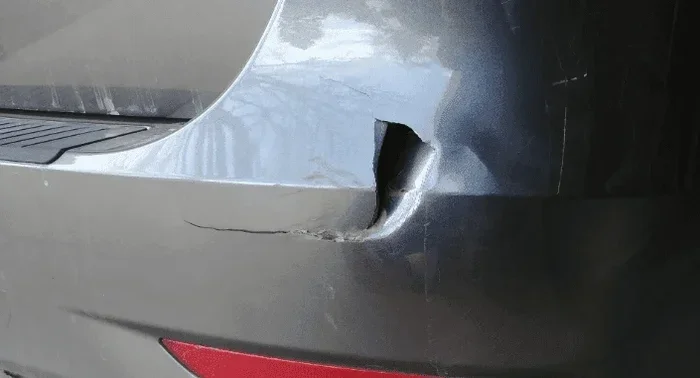
In severe cases, a bumper may need full replacement. This is more common when the bumper is cracked, the reinforcement bar is damaged, or the mounting points are broken. Replacement costs more than repair, but it ensures your vehicle is safe and structurally sound.
Heat and Suction Techniques
Some shops use heat guns and suction tools to reshape plastic bumpers. This approach works well for plastic bumper covers, which are common on modern vehicles. The technician heats the damaged area to make the plastic flexible, then carefully pulls or pushes it back into shape.
How Much Does Bent Bumper Repair Cost?
Cost is always a big factor when dealing with car repairs. Nobody wants surprise bills. Here is a realistic breakdown of what you can expect for bumper repair cost at a professional body shop.
Cost Breakdown by Repair Type
- Paintless Dent Repair: $100 to $400. Best for minor dents and small bends.
- Traditional Bumper Repair: $300 to $800. Covers moderate damage requiring filler and paint.
- Bumper Replacement: $800 to $2,000. Needed for severe damage or cracked bumpers.
- Full Respray and Alignment: $500 to $1,500. For major damage affecting paint and structure.
Factors That Affect Cost
Several factors influence the final cost of your bumper repair. The make and model of your vehicle matters. Luxury cars and rare models cost more to repair because of specialized parts. The extent of the damage is another big factor. A small dent costs far less than a bent bumper with cracked paint and exposed foam.
Your location also plays a role. Labor rates vary by region. Shops in major cities tend to charge more than rural shops. Finally, whether you file an insurance claim can affect your out-of-pocket cost. Many insurance policies cover bumper repair with a minimal deductible.
Repair vs. Replace: Which Is Better?
One of the most common questions we get is whether to repair or replace a bent bumper. The answer depends on the damage. Here is a simple comparison to help you decide.
| Factor | Repair | Replace |
|---|---|---|
| Damage Level | Minor to moderate | Severe or cracked |
| Cost | $100 to $800 | $800 to $2,000 |
| Time | 1 to 3 days | 2 to 5 days |
| Resale Value | Maintained | Like new |
| Structural Integrity | Good for minor damage | Full restoration |
| Paint Matching | May need touch-up | New bumper, perfect match |
As a general rule, repair is the better choice when the bumper is bent but not cracked. Replacement makes more sense when the structural integrity is compromised. A good body shop will assess your bumper and give you a clear recommendation.
How to Choose the Right Body Shop
Not all body shops are created equal. Choosing the right one for your bumper fix can save you time, money, and headaches. Here are some tips to guide your decision.
Check Reviews and Reputation
Start by reading online reviews. Look for shops with consistently high ratings and positive feedback about bumper work specifically. Word of mouth from friends and family is also valuable. A shop with a strong reputation is more likely to deliver quality results.
Ask About Warranty
A reputable body shop stands behind its work. Ask if they offer a warranty on repairs. Good warranties typically cover the repair for six months to a year. This gives you peace of mind if something goes wrong after you pick up your car.
Get Multiple Quotes
Always get at least three quotes before committing. Comparing prices helps you find a fair rate. Be wary of quotes that are significantly lower than others. They may use cheaper parts or cut corners on the repair process.
Verify Certifications
Look for shops with certified technicians. Certifications from organizations like I-CAR or ASE indicate that the shop meets industry standards. A certified shop is more likely to use proper techniques and quality materials for your car body repair.
Ask About Their Process
A good shop will walk you through their repair process step by step. They should explain what methods they will use, how long it will take, and what the total cost will be. Transparency is a great sign of a trustworthy shop.
Can You Fix a Bent Bumper Yourself?
The internet is full of DIY bumper repair videos, and it is tempting to try. But before you grab your tools, let us talk about the risks. DIY bumper repair can work for very minor dents, but it comes with significant downsides.
First, you need the right tools. Professional-grade equipment like heat guns, suction cups, and PDR tools are not cheap. Second, improper repair can make the damage worse. A botched DIY fix can lead to cracked paint, uneven surfaces, and structural weakness. Third, most DIY repairs do not last. The bumper may bend again after a minor impact.
If the damage is minor and you have experience, a DIY approach might be worth trying. But for most situations, a professional body shop is the smarter choice. You can always do your own car diagnostics to check for hidden damage, but leave the actual repair to the experts.
Also, keep in mind that some body shop work goes beyond just the bumper. For example, if you have installed aftermarket parts or need related body work, some tasks like installing splash guards are straightforward enough to handle on your own, but complex body alignment should be left to professionals.
How Long Does Bumper Repair Take?
Time is another important consideration. Nobody wants to be without their car for weeks. The good news is that most bumper repair jobs are relatively quick.
Minor dent repairs using PDR can often be completed in a single day. Traditional repairs with filler and paint typically take one to three days. Full bumper replacement may take two to five days, depending on parts availability and the extent of the damage.
Some shops offer same-day service for simple repairs. Others may need to order parts, which can add time. Always ask your shop for a realistic timeline before you leave your vehicle. Planning ahead helps you arrange alternative transportation if needed.
Dealing with Insurance for Bumper Repair
If your bent bumper resulted from an accident, you might be wondering about insurance. The good news is that most auto insurance policies cover bumper repair, especially if you have collision coverage.
Start by contacting your insurance company. They will assign an adjuster to assess the damage. The adjuster will determine whether the cost of repair exceeds your deductible. If it does, filing a claim makes sense. If the repair cost is close to your deductible, paying out of pocket might be the better option.
Keep in mind that filing a claim can affect your future premiums. Weigh the cost of the repair against the potential premium increase. Many body shops also help with insurance paperwork, making the process smoother for you.
Preventing Future Bumper Damage
Once your bumper is fixed, you probably want to avoid dealing with this again. Here are some practical tips to protect your bumpers from future damage.
- Park carefully: Choose spots away from heavy traffic and shopping cart areas.
- Drive cautiously: Slow down for potholes and rough road surfaces.
- Use bumper guards: Aftermarket bumper guards add an extra layer of protection.
- Avoid overloading: Stay within your vehicle’s weight limits to reduce stress on bumpers.
- Maintain your vehicle: Regular check-ups help catch minor issues before they become major problems.
Taking these simple precautions can extend the life of your bumpers and save you money on future repairs. A little prevention goes a long way.
When a Bent Bumper Means Bigger Problems
Sometimes a bent bumper is more than just a cosmetic issue. The bumper is connected to your vehicle’s frame and safety systems. A severe bend can affect the alignment of your headlights, the function of your parking sensors, and even the structural integrity of the front or rear end of your car.
If you notice any of the following signs after an impact, get your vehicle inspected immediately. Misaligned headlights, difficulty parking, unusual noises when turning, or visible gaps between the bumper and the body panels all point to deeper damage. Ignoring these signs can lead to more expensive repairs down the road.
In some cases, a bent bumper might be a symptom of a larger problem. For instance, a heavy impact from hitting a deer or a large animal can cause extensive front-end damage that goes far beyond the bumper. These situations require thorough collision repair and professional assessment. A body shop with experience in structural repairs can identify hidden damage that might not be visible at first glance.
The Role of Bumper Covers and Materials
Modern bumpers are made from a combination of materials, including plastic, aluminum, and steel. The outer bumper cover is typically made of plastic, which is designed to absorb impact and protect the underlying structure. Understanding your bumper material helps set expectations for the repair process.
Plastic bumper covers are the easiest to repair. They respond well to PDR, heat reshaping, and traditional filler methods. Aluminum bumpers are lighter but harder to reshape once bent. Steel bumpers are the strongest but also the most expensive to repair or replace. Your body shop will know which techniques work best for your specific bumper material.
The bumper cover also plays a role in aerodynamics and fuel efficiency. A properly repaired bumper maintains these benefits. A poorly repaired bumper can create drag, reduce fuel economy, and even cause wind noise at highway speeds. This is another reason why professional repair is so important.
What to Expect During the Repair Process
Knowing what happens during the repair process can ease your worries. Here is a step-by-step look at what a typical bumper repair entails.
- Inspection: The technician examines the bumper for dents, cracks, and misalignment.
- Damage Assessment: They determine whether repair or replacement is the best option.
- Repair Method Selection: Based on the assessment, they choose the appropriate technique.
- Repair Work: The technician performs the repair, whether it is PDR, filler application, or replacement.
- Quality Check: The finished work is inspected for smoothness, alignment, and paint quality.
- Final Touches: Any paint matching, polishing, or alignment adjustments are completed.
A good shop will keep you informed at every step. You should never feel left in the dark about what is happening with your vehicle.
Final Thoughts on Bent Bumper Repair
A bent bumper is a common problem, and it is almost always fixable. Whether you need a quick PDR fix or a full bumper replacement, a professional body shop has the tools, skills, and experience to get the job done right. The key is to act quickly. Ignoring a bent bumper can lead to rust, further structural damage, and safety issues.
Take the time to find a reputable shop, get multiple quotes, and understand your repair options. With the right approach, your bumper can look and function like new again. Do not let a bent bumper linger and turn into a bigger problem. Address it now and drive with confidence.
Conclusion
So, can a body shop fix a bent bumper? Absolutely. From minor dents to severe bends, professional body shops have the expertise and equipment to handle the job. The cost is usually reasonable, the timeline is manageable, and the results are long-lasting. Whether you choose paintless dent repair, traditional repair, or full replacement depends on your specific situation. The most important step is to get a professional assessment and act quickly. Your bumper protects your vehicle and your safety. Give it the care it deserves.
Frequently Asked Questions
How long does it take a body shop to fix a bent bumper?
Most bent bumper repairs take between one and three days. Minor dents fixed with paintless dent repair can often be completed in a single day. Full bumper replacements may take up to five days, depending on parts availability and the complexity of the work.
Is it cheaper to repair or replace a bent bumper?
Repair is almost always cheaper than replacement. Simple dent repairs can cost as little as $100 to $400. Full bumper replacement typically runs between $800 and $2,000. A body shop can tell you which option makes the most sense for your specific damage.
Will insurance cover the cost of a bent bumper repair?
Yes, most auto insurance policies cover bumper repair if the damage resulted from a collision or accident. Collision coverage typically pays for the repair minus your deductible. Check with your insurance provider to understand your specific coverage and any out-of-pocket costs.
Can I drive with a bent bumper?
You can usually drive with a bent bumper for short distances, but it is not recommended for long periods. A bent bumper can affect aerodynamics, headlight alignment, and parking sensor function. It is best to get it repaired as soon as possible to avoid further issues.
Does paintless dent repair last?
Yes, paintless dent repair is a permanent solution when done correctly by a skilled technician. The repair restores the bumper to its original shape without adding filler or altering the paint. Properly done PDR can last the lifetime of the vehicle.
What should I look for in a body shop for bumper repair?
Look for a shop with good reviews, certified technicians, and a solid warranty on their work. Ask about their specific experience with bumper repairs and the methods they use. Getting multiple quotes helps ensure you find a fair price and quality service.
=== CONCLUSION ===
A bent bumper does not have to be a stressful experience. With the right knowledge and the right body shop, you can get your car back to looking and running its best. Remember to assess the damage carefully, get professional advice, and act quickly. A little attention now saves you from bigger headaches later. Your car deserves the best care, and now you have the information to make smart decisions about bumper repair and maintenance.