Cabin Air Filter vs Engine Air Filter What Sets Them Apart
The cabin air filter cleans the air you breathe inside the car, while the engine air filter protects the engine from dust and debris. Both filters play vital roles in vehicle maintenance, but they serve completely different purposes. Understanding the difference helps you keep your car running smoothly and your cabin air fresh.
Key Takeaways
- Different Jobs: The cabin air filter cleans interior air, while the engine air filter protects the combustion chamber.
- Different Locations: Cabin filters sit behind the glovebox, while engine filters attach to the air intake system.
- Different Replacement Schedules: Cabin filters typically need replacement every 12,000 to 15,000 miles, while engine filters last 15,000 to 30,000 miles.
- Different Costs: Cabin filters generally cost less than engine filters, but both are affordable maintenance items.
- Both Matter: Ignoring either filter can lead to poor air quality, reduced engine performance, and costly repairs.
- Easy DIY Replacements: Most drivers can swap both filters at home with basic tools.
📑 Table of Contents
- Cabin Air Filter vs Engine Air Filter What Sets Them Apart
- What Is a Cabin Air Filter?
- What Is an Engine Air Filter?
- Key Differences Between Cabin and Engine Air Filters
- Signs Your Cabin Air Filter Needs Replacement
- Signs Your Engine Air Filter Needs Replacement
- Can You Use the Same Filter for Both?
- How Often Should You Replace Each Filter?
- Quick Tips for Air Filter Maintenance
- Common Mistakes People Make With Air Filters
- Expert Insights on Air Filter Maintenance
- How to Replace Your Cabin Air Filter at Home
- How to Replace Your Engine Air Filter at Home
- Final Thoughts
Cabin Air Filter vs Engine Air Filter What Sets Them Apart
Your car has two air filters, and they do completely different jobs. Many drivers confuse the cabin air filter with the engine air filter. But these two components serve separate purposes that keep your vehicle running well and your breathing air clean.
If you have ever wondered why your car smells musty or why the engine feels sluggish, a dirty filter might be the culprit. Let us break down exactly what each filter does, where it lives, and how to keep them in top shape.
Knowing the difference between these two filters is one of the simplest ways to take better care of your car. It saves money, improves performance, and keeps everyone inside the cabin breathing easier. This guide covers everything you need to know about air filtration in modern vehicles.
Cars today have complex systems that rely on clean air. Whether you drive a sedan, SUV, or truck, both filters matter. Let us dive into the details and clear up any confusion once and for all.
What Is a Cabin Air Filter?
The cabin air filter cleans the air that enters the passenger compartment. It traps dust, pollen, mold spores, and other airborne particles before they reach your lungs. Think of it as a personal air purifier for your car’s interior.
Most modern vehicles come equipped with a cabin filter. Older cars from the early 2000s and before often did not have one. But today, nearly every new vehicle includes this important component as part of the vehicle maintenance system.
Where Is the Cabin Air Filter Located?
The cabin filter typically sits behind the glovebox or under the dashboard on the passenger side. Some vehicles hide it behind the lower dashboard on the driver side. Checking your owner manual will tell you exactly where yours is located.
Accessing the filter is usually straightforward. In many cars, you simply remove the glovebox and slide the filter out. This makes air filter replacement a quick and easy DIY task for most drivers.
What Does the Cabin Air Filter Remove?
The cabin filter captures a wide range of contaminants:
- Pollen and allergens that cause sneezing and itchy eyes
- Dust and dirt particles from road surfaces
- Mold spores and bacteria that thrive in moist environments
- Exhaust fumes and smog from surrounding traffic
- Leaves, bugs, and debris that enter through the vents
- Smoke and odor particles from the environment
Many cabin filters use activated carbon layers to absorb odors and harmful gases. This makes the cabin air quality much better for everyone inside the vehicle. If you suffer from allergies, a clean cabin filter makes a noticeable difference during allergy season.
What Is an Engine Air Filter?
The engine air filter protects the engine from harmful particles. Your engine needs a precise mix of air and fuel to run efficiently. Dirty air entering the combustion chamber can cause serious damage over time.
The engine filter sits in the airbox, which connects to the throttle body through the engine air intake system. Its job is to block dust, dirt, sand, and other debris from reaching the engine cylinders.
Why Does the Engine Need a Clean Filter?
Clean air is essential for proper combustion. When the engine pulls in air, it mixes that air with fuel to create the explosions that power your car. If that air contains particles, those particles can scratch cylinder walls, clog fuel injectors, and wear out internal components.
A dirty air filter restricts airflow to the engine. This creates an imbalance in the air-fuel mixture. The result is reduced engine performance, lower fuel efficiency, and increased emissions. Over time, a neglected engine filter can lead to expensive repairs.
Types of Engine Air Filters
Not all engine filters are the same. Here are the common types you will encounter:
- Paper filters: The most common type. Affordable and disposable. You replace them entirely when they get dirty.
- Foam filters: Often used in off-road vehicles. They can be washed and reused with proper oil treatment.
- Cotton gauze filters: Popular among car enthusiasts. They offer high airflow and are washable and reusable.
- HEPA filters: High-efficiency filters that trap extremely small particles. Some premium vehicles use these for superior air filtration.
Each type has its pros and cons. Paper filters are the go-to choice for most daily drivers because they are cheap and effective. High-performance filters cost more but can improve airflow and engine protection over time.
Key Differences Between Cabin and Engine Air Filters
Now that you know what each filter does, let us compare them side by side. Understanding these differences helps you prioritize maintenance and spot problems early.
Comparison Table
| Feature | Cabin Air Filter | Engine Air Filter |
|---|---|---|
| Primary Purpose | Cleans air inside the cabin | Protects the engine from debris |
| Location | Behind glovebox or under dashboard | In the airbox near the engine |
| What It Filters | Pollen, dust, mold, odors, smog | Dust, dirt, sand, debris, particles |
| Replacement Interval | Every 12,000 to 15,000 miles | Every 15,000 to 30,000 miles |
| Average Cost | $15 to $50 | $20 to $50 |
| DIY Difficulty | Easy | Easy to moderate |
| Signs of a Dirty Filter | Weak airflow, bad smells, allergies | Reduced acceleration, black smoke, check engine light |
| Impact on Health | Directly affects breathing air | Minimal direct health impact |
| Impact on Vehicle | Affects comfort and air quality | Affects engine performance and longevity |
Different Replacement Schedules
The cabin filter and engine filter do not need to be replaced at the same time. Most manufacturers recommend changing the cabin filter once a year or every 12,000 to 15,000 miles. The engine filter lasts longer, typically 15,000 to 30,000 miles depending on driving conditions.
If you drive in dusty areas or on unpaved roads, you may need to replace both filters more often. Air filter replacement frequency depends on your environment, driving habits, and the type of filter you use.
Different Filter Media
Cabin filters often use a combination of paper and activated carbon layers. The carbon absorbs odors and gaseous pollutants. Engine filters use thicker paper or foam materials designed to handle high volumes of air and trap larger particles.
The particulate matter each filter targets is different. Cabin filters focus on microscopic allergens and fine dust. Engine filters target larger particles like sand, dirt, and road debris that could scratch engine internals.
Signs Your Cabin Air Filter Needs Replacement
Your car gives you clues when the cabin filter is getting dirty. Watch for these warning signs:
- Reduced airflow from vents: If the air coming through your vents feels weak, a clogged filter might be blocking it.
- Unpleasant odors: A musty or moldy smell when you turn on the AC is a classic sign of a dirty cabin filter.
- Increased allergy symptoms: If you or your passengers start sneezing or coughing inside the car, the filter may not be doing its job.
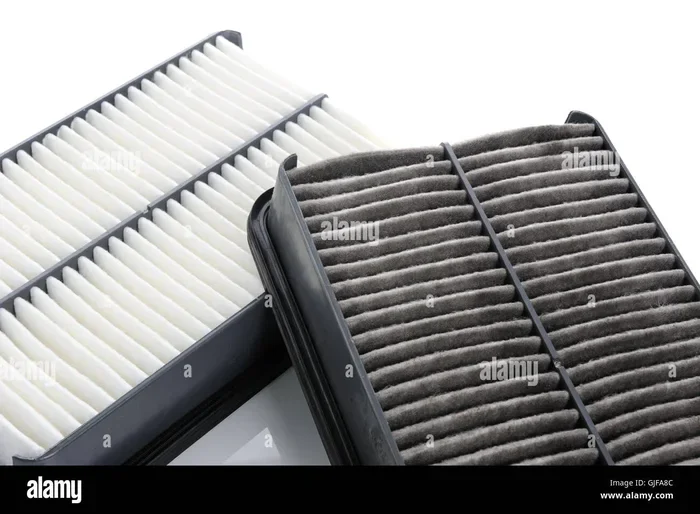
- Visible debris on the filter: When you remove the filter and see dark spots or buildup, it is time for a new one.
- Whistling sounds from vents: Restricted airflow can cause unusual noises as air tries to push through a dirty filter.
Replacing a cabin filter is one of the easiest and cheapest car maintenance tasks. Most people can do it in under 10 minutes. You simply buy the correct filter for your vehicle, open the housing, swap out the old one, and snap the cover back on.
For those who keep their cars long-term, staying on top of cabin filter changes is especially important. Proper maintenance keeps your car comfortable and healthy. And if you ever face financial challenges, keeping your vehicle well-maintained helps you keep your car in good standing for any situation that comes your way.
Signs Your Engine Air Filter Needs Replacement
The engine air filter shows different warning signs when it needs attention. Here is what to watch for:
- Black smoke or sooty exhaust: A restricted filter can cause incomplete combustion, leading to dark exhaust fumes.
- Reduced acceleration: If your car feels sluggish when you press the gas pedal, dirty air might be starving the engine.
- Check engine light: Some vehicles trigger the check engine light when the engine air filter becomes severely clogged.
- Fuel economy drops: A dirty filter forces the engine to work harder, using more fuel than necessary.
- Visible dirt on the filter: When you remove the filter and it looks dark and dirty, replace it immediately.
- Unusual engine sounds: Restricted airflow can cause the engine to run rough or make popping noises.
Ignoring a dirty engine filter can lead to serious problems. Over time, reduced airflow causes the engine to burn fuel inefficiently. This not only wastes money at the pump but also increases harmful emissions. Regular engine protection through timely filter changes is one of the best investments you can make.
During routine oil changes or service visits, ask your mechanic to inspect the engine air filter. Most shops will check it at no extra charge. This simple habit keeps your engine healthy and extends its lifespan significantly.
Can You Use the Same Filter for Both?
The short answer is no. Cabin filters and engine filters are designed differently and serve different purposes. Using the wrong filter in the wrong spot will not work and could damage your vehicle.
Cabin filters are designed to capture fine particles like pollen and bacteria. Engine filters are built to handle high airflow volumes and trap larger debris. Each filter is engineered for its specific environment and function.
Some drivers wonder if aftermarket filters are worth the investment. Upgraded cabin filters with HEPA or activated carbon layers can improve cabin air quality significantly. High-flow engine filters can boost performance and fuel efficiency in some applications.
Just be sure to choose filters that meet your vehicle specifications. Aftermarket parts should match or exceed OEM standards. When in doubt, check with your dealership or a trusted mechanic.
Beyond filters, keeping your car in top condition includes other small but important tasks. For example, maintaining proper window visibility through clean windows and even legal window tinting contributes to overall driving safety and comfort.
How Often Should You Replace Each Filter?
Replacement frequency depends on several factors, including your driving environment, vehicle type, and filter quality. Here is a general guideline:
- Normal driving conditions: Replace the cabin filter every 12,000 to 15,000 miles. Replace the engine filter every 15,000 to 30,000 miles.
- Dusty or rural roads: Replace both filters 25 to 50 percent sooner than normal intervals.
- City driving with heavy traffic: Replace the cabin filter more frequently due to exposure to exhaust and smog.
- Allergy season: Consider replacing the cabin filter at the start of spring and fall when pollen counts peak.
- After long road trips: If you drove through dusty or unpaved areas, inspect both filters when you return home.
Your owner manual is the best resource for specific replacement intervals. It will list the recommended schedule for your exact make and model. Following these guidelines keeps your vehicle running at its best and prevents unexpected breakdowns.
Quick Tips for Air Filter Maintenance
Here are some practical tips to keep both filters in great shape:
- Check filters during oil changes: This is the easiest time to inspect both filters without scheduling a separate visit.
- Keep spare filters in your trunk: Having a replacement filter on hand means you can swap it immediately if needed.
- Do not wash paper filters: Paper cabin and engine filters should never be washed. Use a new filter instead.
- Mark your calendar: Set a reminder on your phone for your next filter replacement date.
- Buy quality filters: Cheap filters may not capture particles as effectively. Invest in reputable brands for better air filtration.
- Inspect before long trips: A quick visual check before a road trip can prevent filter-related issues on the road.
These small habits add up to big savings over time. Clean filters mean better performance, lower fuel costs, and a more comfortable driving experience for everyone in the car.
Common Mistakes People Make With Air Filters
Avoid these common errors to get the most out of your filters:
- Ignoring the cabin filter entirely: Many drivers forget this filter exists. Without regular replacement, it becomes a breeding ground for mold and bacteria.
- Waiting too long to replace the engine filter: A severely clogged engine filter can cause permanent engine damage. Do not wait until performance drops significantly.
- Installing the filter backwards: Some filters have a specific airflow direction. Installing them wrong reduces their effectiveness.
- Using the wrong size filter: A filter that is too small will not seal properly. A filter that is too large may not fit. Always match the filter to your vehicle specifications.
- Skipping inspections: Even if you do not replace a filter on schedule, periodic inspections help you catch problems early.
These mistakes are easy to avoid with a little awareness. Taking 10 minutes every few months to check your filters can save you hundreds of dollars in repairs down the road.
Expert Insights on Air Filter Maintenance
Automotive experts agree that air filter maintenance is one of the most overlooked aspects of car care. A study by the Car Care Council found that nearly 20 percent of vehicles on the road have dirty or clogged engine air filters. This simple oversight costs drivers money in reduced fuel economy and potential engine repairs.
Mechanics also point out that cabin filters affect more than just air quality. A clogged cabin filter puts extra strain on the blower motor, which can lead to costly electrical repairs. Keeping the cabin filter clean protects not just your lungs but also your vehicle’s heating and cooling system.
When it comes to engine protection, the consensus is clear. Clean air is just as important as clean oil for engine longevity. Treating both filters as essential maintenance items rather than optional extras is the best approach for any vehicle owner.
Regular filter maintenance also supports overall car maintenance health. Clean filters work alongside other systems like the fuel system, spark plugs, and oxygen sensors to keep your engine running efficiently. One neglected filter can cascade into problems with other components.
How to Replace Your Cabin Air Filter at Home
Replacing the cabin filter is one of the easiest maintenance tasks you can do yourself. Here is a simple step-by-step guide:
- Find the filter housing: Check your owner manual. Most cabin filters are located behind the glovebox.
- Remove the glovebox: Unclip or unscrew the glovebox to access the filter compartment.
- Remove the old filter: Slide out the dirty filter and note which direction it faces.
- Insert the new filter: Place the new filter in the same orientation as the old one.
- Replace the glovebox: Snap or screw the glovebox back into place.
- Test the airflow: Turn on the fan to make sure air flows freely through the vents.
Total time: about 10 minutes. Total cost: usually under $30 for the filter. This simple swap makes a noticeable difference in air quality inside your car.
How to Replace Your Engine Air Filter at Home
Replacing the engine air filter is also a straightforward DIY job. Here is how to do it:
- Locate the airbox: It is usually a rectangular plastic box near the top of the engine.
- Open the airbox: Unclip or unscrew the latches that hold the airbox cover in place.
- Remove the old filter: Take out the dirty filter and inspect the airbox for any debris.
- Clean the airbox: Wipe out any dust or dirt inside the airbox with a dry cloth.
- Insert the new filter: Place the new filter in the airbox, ensuring it sits flush and seals properly.
- Close the airbox: Secure the cover and make sure all clips or screws are tight.
Total time: about 15 minutes. Total cost: typically $20 to $50 for a quality replacement filter. This quick job helps protect your engine and keeps it running strong.
Final Thoughts
The difference between a cabin air filter and an engine air filter comes down to purpose and location. The cabin filter cleans the air you breathe inside the car. The engine filter protects the engine from harmful particles that enter through the air intake system.
Both filters require regular attention. Ignoring either one leads to problems, from poor air quality inside the cabin to reduced engine performance and higher fuel costs. Simple, consistent maintenance keeps both filters working at their best.
Make it a habit to check your filters regularly. Replace them on schedule. Your car, your lungs, and your wallet will all thank you. Taking care of these small components is one of the best ways to ensure your vehicle stays reliable and efficient for years to come.
Remember, good car maintenance starts with the basics. Clean air filters are a small investment that pays big dividends. Whether you handle the replacements yourself or visit a mechanic, staying on top of this simple task is one of the smartest things any car owner can do.
Frequently Asked Questions
How do I know which air filter my car needs?
Check your owner manual for the specific filter type and size recommended for your vehicle. You can also look up your vehicle on the manufacturer website or at your local auto parts store. Cabin filters and engine filters have different part numbers, so make sure you order the correct one.
Can a dirty engine air filter cause a check engine light?
Yes, in some cases. A severely clogged engine air filter can trigger sensors that detect airflow issues. This may cause the check engine light to illuminate. However, many other problems can also trigger this light, so a proper diagnosis is always recommended.
Is it okay to wash and reuse an engine air filter?
It depends on the filter type. Paper filters should never be washed and must be replaced. Foam and cotton gauze filters can be washed with special cleaning solutions and re-oiled for reuse. Always check the manufacturer guidelines before attempting to clean any filter.
What happens if I never replace my cabin air filter?
Over time, the cabin filter becomes clogged with dust, pollen, and debris. This reduces airflow, creates musty odors, and can lead to mold growth inside the ventilation system. In severe cases, a clogged cabin filter can strain the blower motor and cause it to fail prematurely.
Are expensive air filters worth the extra cost?
Premium filters often use better materials and capture smaller particles more effectively. If you have allergies or drive in areas with poor air quality, investing in a higher-quality filter can make a real difference. However, even a basic OEM filter provides adequate protection for most drivers.
Can I replace the air filter myself if I am not mechanical?
Absolutely. Both cabin and engine air filter replacements are among the easiest DIY car maintenance tasks. No special tools are needed, and most vehicles have easily accessible filter housings. If you can open a glovebox and unscrew a few clips, you can replace your own filters.
=== CONCLUSION ===
The cabin air filter vs engine air filter debate comes down to understanding two distinct roles. The cabin filter keeps the air inside your car clean and fresh. The engine filter keeps the air entering your engine free of harmful particles. Both are essential for a well-maintained vehicle.
Regular replacement of both filters is one of the simplest and most cost-effective maintenance tasks you can perform. Do not let these small components be overlooked. A few dollars and a few minutes of your time can save you from costly repairs, poor performance, and unhealthy air quality inside your car.
Start today. Check your filters, replace them if needed, and enjoy the benefits of clean air and a well-running engine. Your car will thank you for it.