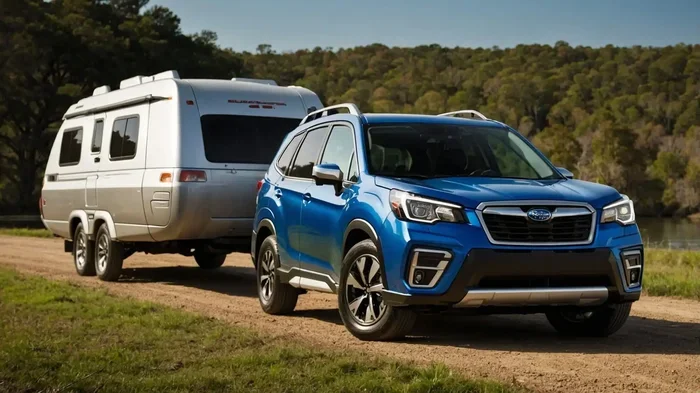
Can a Subaru Forester Tow Everything You Need to Know
The Subaru Forester can tow, but its capacity depends on the model year and trim. Most Foresters handle between 1,000 and 2,000 pounds of towing weight. Whether you are hauling a small trailer, a boat, or camping gear, understanding your Forester’s limits is essential. This guide covers everything from towing capacity and equipment to safety tips and common mistakes.
So, can a Subaru Forester tow? The short answer is yes. But the real answer is a bit more nuanced. Your Forester’s towing ability depends on the model year, engine type, trim level, and a few other factors that many drivers overlook. Whether you are planning a weekend camping trip with a small trailer or hauling gear for a day at the lake, knowing your Forester’s limits is the first step toward a safe and successful trip.
Many Subaru owners assume their Forester can handle anything because of the brand’s reputation for reliability. But towing is a different beast. It puts extra strain on your engine, transmission, brakes, and suspension. If you exceed the maximum towing weight, you risk serious damage to your vehicle and endanger everyone on the road.
In this guide, we will walk you through everything you need to know about Subaru Forester towing capacity. We will cover the numbers, the equipment you need, safety tips, and common mistakes to avoid. By the end, you will know exactly what your Forester can tow and how to do it safely.
Key Takeaways
- Towing Capacity Varies: Different Forester models and years have different towing limits, typically ranging from 1,000 to 2,000 pounds.
- Proper Equipment Matters: A quality tow hitch, wiring harness, and towing mirrors make a big difference in safety and convenience.
- Weight Distribution Is Critical: Overloading your Forester can damage the engine, transmission, and brakes.
- Regular Maintenance Helps: Towing puts extra stress on your vehicle, so routine checks are a must.
- Know the Rules: Towing regulations vary by state, so always check local laws before hitting the road.
- Fuel Economy Drops When Towing: Expect lower MPG when you pull a trailer, so plan your fuel stops accordingly.
📑 Table of Contents
Understanding Subaru Forester Towing Capacity
The towing capacity of a Subaru Forester varies by model year and configuration. Older models tend to have lower limits, while newer ones may offer slightly more. Here is a general breakdown of what you can expect.
Towing Capacity by Model Year
Most Subaru Foresters from 2013 onward have a towing capacity of around 1,500 pounds. Some newer models with the right tow package can reach up to 2,000 pounds. Older models, particularly those from before 2013, may only handle 1,000 pounds or less.
Always check your owner’s manual for the exact number. The towing capacity is listed there along with important details like gross vehicle weight rating (GVWR) and payload capacity. These numbers work together to tell you how much weight your Forester can safely handle.
For reference, 1,500 pounds is enough to tow a small utility trailer, a couple of kayaks, or a modest camping setup. But if you are planning to haul a larger boat or a heavy load, you may need to reconsider your vehicle choice. Exceeding the towing limit is one of the fastest ways to cause mechanical failure.
Engine and Drivetrain Considerations
The Subaru Forester comes with a 2.5-liter four-cylinder engine in most trims. This engine produces about 182 horsepower, which is decent for daily driving but modest for heavy towing. The all-wheel-drive system helps with traction, which is a big plus when towing on uneven terrain.
However, the engine was not designed for heavy-duty towing. It works hard under load, especially on hot days or steep inclines. If you plan to tow frequently, keep an eye on your temperature gauge and give your engine regular breaks during long hauls.
The continuously variable transmission (CVT) also plays a role. CVTs are known for smooth power delivery, but they can struggle under sustained heavy loads. Towing near your Forester’s limit for long periods may cause the transmission to overheat.
What Can a Subaru Forester Tow?
Now that you know the numbers, let us talk about what you can actually tow with a Forester. The answer depends on your specific model and how you distribute the weight.
Small Trailers and Utility Trailers
A Subaru Forester can easily tow small utility trailers. Think of trailers used for hauling lawn equipment, small furniture, or garden supplies. These typically weigh between 500 and 1,200 pounds, well within the Forester’s range.
When loading your trailer, make sure the weight is distributed evenly. Too much weight on the tongue can cause the Forester to sag at the rear. Too little weight on the tongue can make the trailer sway. A good rule of thumb is to keep about 60 percent of the trailer weight behind the axle and 40 percent in front.
Boats and Personal Watercraft
Small boats, jet skis, and personal watercraft are common loads for Forester owners. A jon boat or a small aluminum fishing boat usually falls within the towing range. However, remember that the boat itself, plus the trailer, plus any gear you carry all add up to your total towing weight.
If you are new to towing a boat, practice in an empty parking lot before hitting the highway. Backing up a trailer takes practice, and it is much easier to learn in a safe, open space.
Camping Gear and Travel Trailers
Camping enthusiasts will be happy to know that a Forester can handle lightweight camping trailers. Pop-up campers and small teardrop trailers typically weigh under 1,500 pounds, making them a good match for the Forester.
But be careful with larger travel trailers. A full-size travel trailer can easily exceed 3,000 pounds, which is well beyond what a Forester should attempt. Overloading your vehicle is not worth the risk. If you need to tow heavier loads, consider a larger SUV or truck.
Towing Equipment You Will Need
Towing with a Subaru Forester requires the right equipment. You cannot just attach a trailer and go. Here is what you need to do it safely.
Tow Hitch and Receiver
The first thing you need is a proper tow hitch. Most Foresters use a Class I or Class II receiver hitch, depending on the model. A Class I hitch is rated for lighter loads, while a Class II can handle more weight.
Make sure the hitch is compatible with your specific Forester model year. Aftermarket hitches are widely available and relatively affordable. A quality hitch from a reputable brand will last for years and provide a secure connection between your Forester and the trailer.
Wiring Harness and Lights
Your trailer needs functioning brake lights and turn signals. A wiring harness connects your Forester’s electrical system to the trailer lights. Most aftermarket hitches come with a wiring harness included, but you can also purchase one separately.
Test your trailer lights before every trip. A burnt-out bulb is a safety hazard and can also result in a traffic ticket. Keep spare bulbs in your glove box so you can replace them on the road.
Towing Mirrors
Standard side mirrors may not give you enough visibility when towing a trailer. Towing mirrors extend outward to give you a clear view of the trailer and the road behind you.
Clip-on towing mirrors are an affordable option that attach to your existing mirrors. They are easy to install and remove when you are not towing. If you tow frequently, consider investing in permanent towing mirrors for better visibility and convenience.
Weight Distribution and Sway Control
If you are towing near your Forester’s limit, a weight distribution hitch can help. It distributes the trailer weight more evenly across all four wheels, improving stability and handling.
A sway control system is also a good idea, especially for longer trailers. Wind gusts and passing trucks can cause a trailer to sway. A sway control device helps keep the trailer steady and reduces the risk of a dangerous jackknife situation.
Safety Tips for Towing With a Subaru Forester
Towing changes the way your vehicle drives. The added weight affects braking, acceleration, and cornering. Here are some essential safety tips to keep in mind.
Check Your Weight Before You Leave
Always weigh your trailer and cargo before hitting the road. Many truck stops and weigh stations have scales you can use. If you are unsure about the weight, err on the side of caution and reduce your load.
Remember that your Forester has a payload capacity in addition to a towing capacity. The payload includes the weight of passengers, cargo inside the vehicle, and any equipment on the roof. If you fill your Forester with people and gear, you have less capacity left for towing.
One common mistake is focusing only on the towing weight and ignoring the payload. Both numbers matter. If you are close to either limit, you are pushing your vehicle too hard.
Drive at Safe Speeds
When towing, slow down. The recommended highway speed for towing is typically 55 to 60 mph. Going faster increases wind resistance, puts more strain on your engine, and makes it harder to stop.
Give yourself extra following distance. A loaded trailer takes longer to stop than your Forester alone. Brake gently and avoid sudden stops whenever possible.
Practice Defensive Driving
Towing requires more attention and anticipation. Watch for road conditions, weather changes, and other drivers. Bridges, overpasses, and low-clearance areas are hazards you should check before your trip.
Avoid towing in extreme weather when possible. High winds, heavy rain, and icy roads all make towing more dangerous. If conditions deteriorate, pull over safely and wait for better weather.
Maintain Your Vehicle Regularly
Towing puts extra stress on your Forester’s systems. Check your oil, coolant, and transmission fluid more frequently when you tow regularly. Inspect your brakes, tires, and suspension before every trip.
If you are comfortable doing basic maintenance yourself, you can learn to perform basic car diagnostics at home to catch potential issues early. Checking tire pressure, brake pad thickness, and fluid levels takes only a few minutes but can prevent costly repairs down the road.
Common Towing Mistakes to Avoid
Even experienced towers make mistakes. Here are some common errors that Forester owners should avoid.
Exceeding the Towing Limit
This is the biggest mistake drivers make. Your Forester has a set towing limit for a reason. Exceeding it can damage your engine, transmission, and brakes. It can also void your warranty.
If you need to tow heavier loads, consider renting a larger vehicle or using a different tow vehicle. Trying to push your Forester beyond its limits is never worth the risk.
Ignoring the Tongue Weight
Tongue weight is the downward force the trailer puts on the hitch. Too much tongue weight can make the Forester’s rear sag and reduce front-wheel traction. Too little tongue weight can cause the trailer to sway.
The ideal tongue weight is typically 10 to 15 percent of the total trailer weight. Use a tongue weight scale to check this before you drive.
Neglecting Tire Maintenance
Both your Forester’s tires and your trailer’s tires need attention. Underinflated tires are a leading cause of blowouts. Check tire pressure before every trip and replace worn tires immediately.
Also, make sure your trailer tires are rated for the weight you are towing. Trailer tires wear out faster than regular tires, so inspect them regularly and replace them as needed.
Forgetting to Account for Fuel Weight
Fuel adds weight to your vehicle, and towing reduces your fuel economy. When towing, you will burn more gas and may need to stop more often. Plan your route with fuel stops in mind, especially on long trips.
Keep your fuel tank at least a quarter full when towing. Running low on fuel under load can stress your fuel pump and leave you stranded. If you are curious about how far you can go on a nearly empty tank, check out our guide on driving on empty for some helpful context.
Overloading the Vehicle Itself
Sometimes drivers focus so much on the trailer weight that they forget about the weight inside the Forester itself. Passengers, gear, roof racks, and cargo all add up. If your Forester is already carrying a heavy load, you have less capacity for towing.
If you are carrying a lot of weight in your vehicle and wondering about limits, our article on putting too much weight in your car explains the risks and limits you should know about.
Towing Regulations and Legal Considerations
Towing laws vary by state and country. Before you tow, make sure you understand the regulations that apply to your route.
Speed Limits for Towing Vehicles
Many states have lower speed limits for vehicles towing trailers. Some highways restrict towing vehicles to 55 mph, while others allow 60 or 65 mph. Check the speed limits along your route and obey them.
Towing Mirror Requirements
Most states require towing mirrors that provide a clear view of the road behind the trailer. If your vehicle’s stock mirrors do not provide adequate visibility, you must install towing mirrors before you tow.
Trailer Registration and Insurance
Depending on where you live, your trailer may need to be registered and insured separately from your Forester. Check with your local Department of Motor Vehicles to find out what is required in your area.
Braking Requirements
Some states require trailers over a certain weight to have their own braking system. Even if your trailer is under that weight, having electric brakes can improve stopping power and safety.
Maximizing Your Subaru Forester’s Towing Performance
Want to get the most out of your Forester when towing? Here are some tips to improve performance and safety.
Use the Right Gear
When towing uphill, use a lower gear to give your engine more power. On flat roads, maintain a steady speed in the highest gear possible. Avoid shifting abruptly and let the transmission do its work.
Keep Your Forester Cool
Towing generates extra heat. Monitor your temperature gauge, especially on hot days or during long climbs. If the temperature starts to rise, pull over safely and let the engine cool down for a few minutes.
Upgrade When Necessary
If you find yourself towing frequently or near your Forester’s limit, consider upgrading your towing equipment. A better hitch, improved wiring, and higher-quality towing mirrors can all make a difference.
Some owners also install a transmission cooler to help manage heat during long towing sessions. This is especially helpful if you live in a hot climate or do a lot of mountain driving.
Final Thoughts
The Subaru Forester is a capable and reliable vehicle that can handle light to moderate towing. With a towing capacity of 1,000 to 2,000 pounds depending on your model, it is well-suited for small trailers, boats, camping gear, and utility loads.
The key to safe and successful towing is knowing your limits. Respect the towing capacity, use the right equipment, and practice good driving habits. Your Forester will reward you with years of dependable service, both on and off the road.
Before every towing trip, take a few minutes to check your equipment, weigh your load, and review your route. A little preparation goes a long way toward preventing problems and ensuring a smooth, enjoyable journey.
Remember, towing is a responsibility. Your Forester can do the job, but only if you treat it within its limits. Stay safe, stay informed, and enjoy the freedom that comes with knowing you can tow with confidence.
Frequently Asked Questions
What is the maximum towing capacity of a Subaru Forester?
Most Subaru Foresters can tow between 1,000 and 2,000 pounds depending on the model year and trim. Newer models with a tow package tend to have higher limits. Always check your owner’s manual for the exact number for your specific vehicle.
Can a Subaru Forester tow a boat?
Yes, a Forester can tow a small boat and trailer, as long as the combined weight stays within the vehicle’s towing limit. A jon boat or small aluminum fishing boat typically falls within the Forester’s range. Just make sure you account for the weight of the boat, trailer, and any gear you are carrying.
Do I need a special hitch for my Subaru Forester?
Yes, you need a tow hitch rated for your Forester’s towing capacity. Most Foresters use a Class I or Class II receiver hitch. Make sure the hitch is compatible with your specific model year and is installed correctly for safe towing.
Does towing affect my Subaru Forester’s fuel economy?
Yes, towing reduces fuel economy significantly. The added weight and wind resistance cause your Forester to burn more gas. Plan for more frequent fuel stops and budget for higher fuel costs when towing regularly.
Is it safe to tow with a Subaru Forester on the highway?
Yes, towing with a Forester on the highway is safe as long as you stay within the towing limit, use proper equipment, and drive at safe speeds. Keep your following distance longer, brake gently, and monitor your vehicle’s temperature throughout the trip.
Can I tow a travel trailer with a Subaru Forester?
You can tow a small, lightweight travel trailer with a Forester, but a full-size travel trailer is likely too heavy. Pop-up campers and teardrop trailers are a better match for the Forester’s towing capacity. Always weigh your trailer before towing to make sure it is within limits.