How Do I Know If My Air Filter Needs Changing?
Knowing how do I know if my air filter needs changing is essential for keeping your home’s air clean and your HVAC system running efficiently. A dirty filter can spike energy bills, reduce airflow, and even cause costly repairs — so catching the signs early saves you money and keeps your family breathing easier. In this guide, we’ll walk you through the simple visual checks, performance clues, and time-based rules that make it easy to spot when it’s time for a filter replacement.
Key Takeaways
- Check monthly during heavy use: Inspect your filter every 30 days for best results.
- Dirty filters raise energy bills: Restricted airflow forces your system to work harder.
- Replace every 30 to 90 days: Your timeline depends on pets, allergies, and home size.
- Use the light test: If no light passes through, the filter needs replacing.
- Dust around vents is a red flag: It signals a clogged filter blocking proper airflow.
- A clean filter protects your HVAC: It improves air quality and extends system life.
- Set a recurring reminder: Never miss a replacement with a simple calendar alert.
📑 Table of Contents
- Why Your Air Filter Matters More Than You Think
- Signs Your Air Filter Needs Changing
- How Often Should You Replace Your Air Filter?
- Engine Air Filter vs Cabin Air Filter
- Step-by-Step: How to Check Your Air Filter
- What Happens If You Ignore a Dirty Air Filter?
- How Much Does Air Filter Replacement Cost?
- Final Thoughts on Air Filter Maintenance
Why Your Air Filter Matters More Than You Think
Your car’s air filter works silently behind the scenes. It keeps dust, dirt, and debris out of your engine. Without it, your engine would inhale all kinds of nasty particles on every drive. A clean air filter helps your engine breathe easy. A dirty one chokes it out.
Many car owners forget about their air filter until something goes wrong. That is a big mistake. A clogged air filter can hurt your fuel economy, your engine life, and even your daily driving comfort. The good news is that checking and replacing your air filter is one of the easiest car maintenance tasks you can do at home.
Think of it like changing the batteries in your smoke detector. You do not think about it until the alarm goes off. By then, it might already be too late. This guide will show you exactly how to spot the warning signs and stay ahead of the problem.
Signs Your Air Filter Needs Changing
Your car talks to you. It just uses clues instead of words. Here are the most common air filter symptoms that tell you it is time for a change.
1. Reduced Fuel Economy
Have you noticed you are visiting the gas station more often? A dirty air filter restricts airflow to your engine. When your engine gets less air, it burns more fuel to compensate. This can drop your miles per gallon by a noticeable amount over time.
If your fuel economy has dropped and you cannot figure out why, check your air filter first. It costs almost nothing to replace and could save you real money at the pump.
2. Poor Acceleration and Sluggish Performance
Press the gas pedal and feel a delay? That is not normal. A clogged air filter limits the oxygen your engine needs to burn fuel efficiently. The result is slow, hesitant acceleration. Your car may feel sluggish, especially when you try to speed up on the highway or climb a hill.
This is one of the most overlooked air filter symptoms. Many drivers assume the problem is the fuel system or the transmission. Often, it is simply a dirty air filter that needs swapping out.
3. Dark or Dirty Appearance
Pop the hood and look at your air filter. A clean one looks white or light gray. A dirty one turns dark brown or black. You can see the buildup of dust and debris with your own eyes. If it looks grimy, it is time for a replacement.
This is the simplest visual check you can do. No tools needed. Just pull it out and take a look. If light cannot pass through the filter easily, neither can the air your engine needs.
4. Unusual Engine Sounds or Misfires
A restricted air filter can cause your engine to run rich. That means too much fuel and not enough air. You might hear popping sounds, rough idling, or even misfires. These are not just annoying. They can cause real damage if left unchecked.
If you notice strange noises coming from under the hood, do not ignore them. A quick inspection of your air filter could save you from expensive repairs down the road.
5. Check Engine Light Comes On
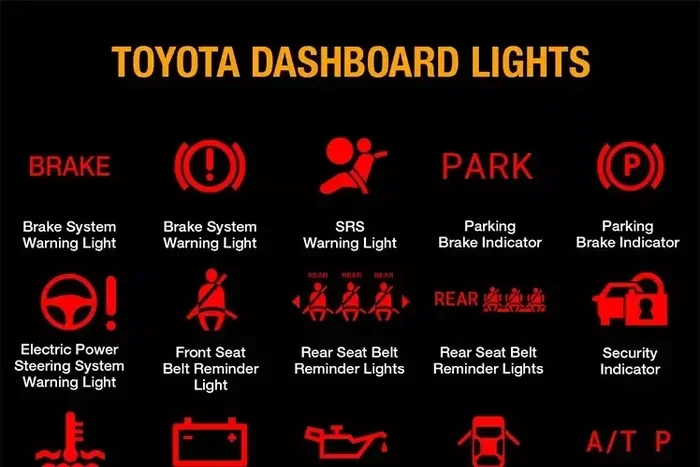
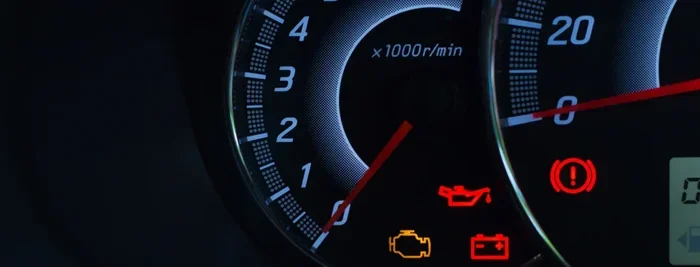
Modern cars have sensors that monitor the air-fuel mixture. When your air filter gets too dirty, the sensors detect the imbalance. This can trigger your check engine light. While the light can mean many things, a clogged air filter is one of the simplest causes to rule out.
If you see that little orange light on your dash, do not panic. Start with the basics. Check your air filter before you spend money on diagnostics. You might be surprised how often this solves the problem.
How Often Should You Replace Your Air Filter?
The general rule is to replace your engine air filter every 12,000 to 15,000 miles. However, this can vary based on your driving conditions and vehicle type.
Driving Conditions That Speed Up Filter Clogging
Not all driving is equal. Some conditions wear out your air filter faster than others. Here are factors that mean you should check and replace more often:
- Driving on dirt roads or gravel paths
- Living in a dry, dusty climate
- Heavy stop-and-go city driving
- Frequent short trips where the engine does not fully warm up
- Driving in areas with a lot of pollen or pollution
If you drive in any of these conditions, consider checking your air filter every 6,000 miles instead of waiting for the full interval. A little extra attention goes a long way.
The DIY Factor
One of the great things about air filter replacement is that you can do it yourself. It is one of the easiest DIY car maintenance tasks there is. You do not need a mechanic. You do not need special tools. Just a few minutes and a new filter.
Many drivers also ask about can I do my own car diagnostics. The truth is, checking your air filter is one of the most basic diagnostic steps you can take. It gives you a direct look at a part that directly impacts your engine’s health.
Engine Air Filter vs Cabin Air Filter
Most people do not realize there are actually two different air filters in your car. Understanding the difference helps you take better care of your vehicle.
Engine Air Filter
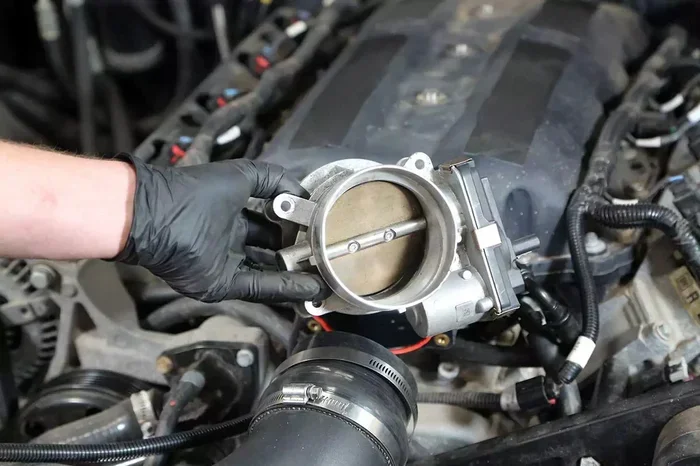
The engine air filter sits in the engine bay. Its job is to clean the air that enters the engine for combustion. A dirty engine air filter causes the problems we already talked about: poor fuel economy, bad acceleration, and rough idling. This is the one most people think of when they hear the term.
Cabin Air Filter
The cabin air filter cleans the air that enters your car’s interior through the vents. It traps pollen, dust, and even bacteria. A clogged cabin air filter can reduce airflow from your vents and make the air inside your car smell musty or stale. It can also make your allergies worse on bad air quality days.
Both filters matter. Both need regular attention. Check your owner’s manual to find out where each one is located in your specific vehicle.
Quick Comparison
| Feature | Engine Air Filter | Cabin Air Filter |
|---|---|---|
| Location | Engine bay | Under the dashboard or behind the glove box |
| Purpose | Filters air for engine combustion | Filters air entering the cabin |
| Replacement Interval | Every 12,000 to 15,000 miles | Every 15,000 to 25,000 miles |
| Signs of Failure | Reduced fuel economy, poor acceleration | Weak airflow, musty smells |
| DIY Difficulty | Very easy | Easy to moderate |
| Cost | $10 to $25 | $15 to $35 |
Knowing the difference between these two air filters helps you stay on top of your vehicle maintenance schedule. You do not want to replace one and forget about the other.
Step-by-Step: How to Check Your Air Filter
Checking your air filter is quick and easy. You can do it in under five minutes. Here is exactly how to do it.
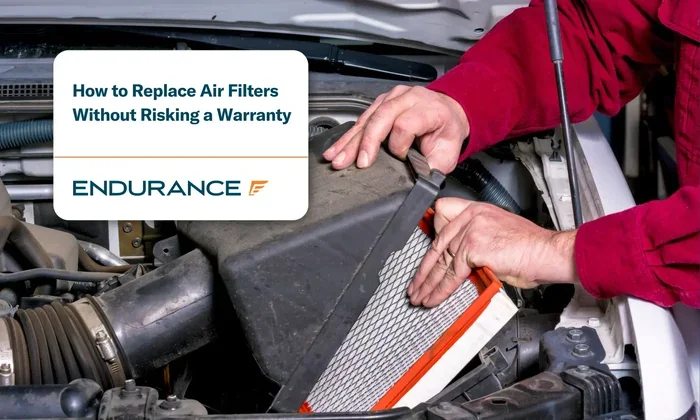
- Find the air filter housing. Open your hood and look for a black plastic box near the top of the engine. There is usually a large intake tube connected to it.
- Release the clips or screws. Most housings have metal clips or wing nuts. No tools are needed for most models. Just lift and pull.
- Remove the filter. Pull the old air filter straight out. Look at it closely in good light.
- Inspect the filter. Hold it up to a light source. If you cannot see light passing through, the filter is too dirty and needs replacing.
- Compare with a new filter. If you have a spare, hold them side by side. The color difference will be obvious.
- Install the new filter. Make sure it sits snugly in the housing. Close the lid and secure the clips or screws.
That is it. You just saved yourself a trip to the shop. Many people are surprised how simple this is. It is one of the best starting points for anyone who wants to get into DIY car maintenance.
Quick Tips for Air Filter Inspection
- Check your air filter on a bright day or under a garage light
- Tap the filter gently against a hard surface to shake off loose dirt before inspecting
- Always use the correct filter size for your vehicle model
- Keep a spare air filter in your trunk for emergencies
- Take a photo of the old filter so you can compare the condition over time
What Happens If You Ignore a Dirty Air Filter?
It is tempting to just ignore a dirty air filter. Maybe you are busy. Maybe you do not notice any major symptoms yet. But ignoring it has real consequences.
A severely clogged air filter can cause your engine to run too rich. This means the fuel mixture has too much fuel and not enough air. Over time, this can lead to carbon buildup on your spark plugs and inside your engine cylinders. That kind of buildup leads to bigger problems and bigger repair bills.
In extreme cases, a completely blocked air filter can cause your engine to stall. Imagine being stranded on the side of the road because you skipped a $25 part replacement. That is a painful lesson.
A dirty air filter also increases your vehicle’s emissions. It is not great for the environment either. Keeping your filter clean is one small step that makes a real difference.
Think about it this way. You would not run a vacuum cleaner with a full dust bag. Your car’s engine works the same way. It needs clean air to do its job properly.
Some drivers also wonder about other maintenance questions like can I install splash guards myself or whether they can safely drive 10 miles on empty. These are all part of the same mindset: taking charge of your vehicle’s health through regular, simple checks. The air filter is one of the easiest places to start.
How Much Does Air Filter Replacement Cost?
One of the best things about replacing your air filter is how affordable it is. A standard engine air filter costs between $10 and $25 for the part alone. Cabin air filters run a bit more, typically $15 to $35.
If you take it to a mechanic, you will pay for labor on top of that. Most shops charge between $25 and $50 for the full service. But since this is such a simple job, doing it yourself saves you that labor cost entirely.
Compared to the cost of fixing engine damage caused by a neglected air filter, this is a no-brainer. Prevention is always cheaper than repair.
Final Thoughts on Air Filter Maintenance
Your air filter is one of the simplest but most important parts of your vehicle. It protects your engine, improves your fuel economy, and keeps your car running smoothly. Checking it regularly takes just a few minutes. Replacing it when needed costs very little.
Do not wait for symptoms to get bad before you act. Make it a habit to check your air filter every few oil changes. Set a reminder on your phone if you need to. A little consistency goes a long way in avoiding bigger problems later.
Whether you are a seasoned car owner or just starting out, understanding your air filter is a key part of being a responsible driver. Keep it clean. Keep it simple. And keep your engine breathing easy for miles to come.
Frequently Asked Questions
What is How Do I Know If My Air Filter Needs Changing??
How Do I Know If My Air Filter Needs Changing? is an important topic with many practical applications and benefits.
How can How Do I Know If My Air Filter Needs Changing? help me?
Understanding How Do I Know If My Air Filter Needs Changing? can improve your knowledge and provide practical solutions.