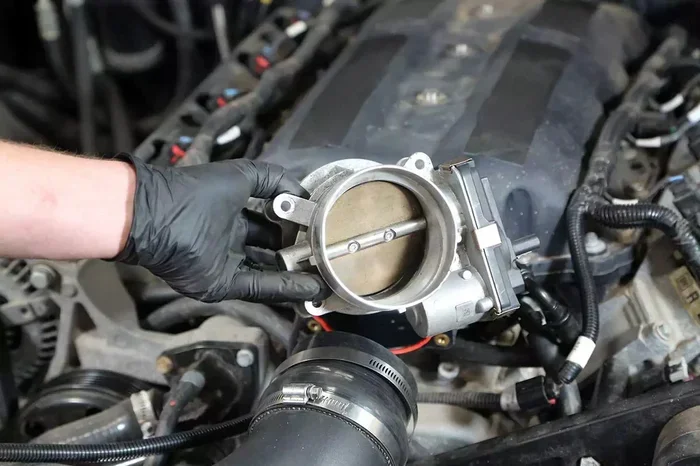
Can I Replace My Throttle Body Myself Without a Mechanic
Yes, you can replace your throttle body yourself if you have basic tools and a little patience. A throttle body replacement is one of the most manageable DIY car repair projects for beginners. This guide walks you through every step, from spotting warning signs to completing the swap safely.
Have you ever noticed your car idling rough or hesitating when you press the gas? These annoying symptoms often point to a failing throttle body. Many car owners assume they need to visit a mechanic and pay hundreds of dollars for a simple fix. But here is the good news: you can handle this repair yourself.
Replacing a throttle body is one of the most straightforward DIY car repair jobs out there. You do not need years of experience or expensive equipment. With a basic wrench set, a little patience, and this guide, you can save serious money and learn something new about your vehicle. Let us walk through everything you need to know.
Key Takeaways
- A faulty throttle body causes poor engine performance, stalling, and rough idling.
- You only need basic hand tools and about 30 to 60 minutes to complete the job.
- Always disconnect the battery before starting any work on your fuel injection system.
- Cleaning your old throttle body first can sometimes solve the problem without a replacement.
- Common mistakes include forgetting to reset the throttle position sensor and overtightening bolts.
- Call a professional if you feel unsure about any step of the process.
📑 Table of Contents
- What Is a Throttle Body and Why Does It Matter
- Signs Your Throttle Body Is Failing
- Tools and Parts You Will Need
- Step-by-Step Throttle Body Replacement
- Common Mistakes to Avoid
- When to Call a Professional Instead
- Maintenance Tips to Keep Your Throttle Body Healthy
- Final Thoughts on DIY Throttle Body Replacement
What Is a Throttle Body and Why Does It Matter
The throttle body sits between your air filter and engine intake manifold. It controls how much air flows into the engine. Think of it like the “breathing valve” for your car. When you press the gas pedal, the throttle body opens wider to let more air in. When you lift your foot, it closes back down.
Inside a modern fuel injection system, the throttle body works closely with the throttle position sensor and the mass airflow sensor. These components talk to your car’s computer. Together, they determine the right fuel-to-air mixture for smooth running. If the throttle body gets dirty or fails, your engine cannot breathe properly. The result is poor engine performance and a host of driving problems.
How the Throttle Body Works
In older cars with a carburetor, air and fuel mix before entering the engine. Modern vehicles use electronic electronic throttle control instead. A small motor opens and closes a butterfly valve inside the throttle body. Your car’s computer, or ECU, controls this motor based on sensor readings. This system is more precise and efficient than older designs. But it also means more parts that can fail over time.
The throttle body itself is a simple metal tube with a rotating valve. A spring keeps it closed when you are not pressing the accelerator. An electric motor or cable opens it when you step on the gas. Over thousands of miles, carbon buildup can gunk up the valve and bore. This buildup restricts airflow and causes all kinds of issues. Sometimes a thorough throttle body cleaning fixes the problem. Other times, you need a full throttle body replacement.
Signs Your Throttle Body Is Failing
Knowing the warning signs helps you catch problems early. Ignoring them can lead to bigger repairs down the road. Here are the most common symptoms of a bad throttle body:
- Rough or unstable idle. Your engine shakes or RPMs fluctuate while parked.
- Engine hesitation or stumbling. The car feels sluggish when you first press the gas.
- Stalling at idle or low speeds. The engine dies unexpectedly, especially at stoplights.
- Check engine light stays on. The engine light often triggers when the throttle position sensor sends wrong data.
- Poor fuel economy. A stuck or dirty throttle body wastes gas by disrupting the air-fuel ratio.
- Acceleration problems. The car struggles to pick up speed or responds slowly.
- Uneven engine performance. Some cylinders get too much or too little air, causing misfires.
If you notice any of these signs, do not ignore them. Many people wonder if they should try to diagnose the issue themselves. You absolutely can. Checking your car diagnostics at home with an OBD2 scanner can confirm whether the throttle body is the culprit. If you are not sure where to start, check out our guide on Can I Do My Own Car Diagnostics for a full walkthrough. The sooner you address the problem, the less damage it can cause to your engine.
Tools and Parts You Will Need
Before you start, gather everything you need. Having the right tools makes the job faster and prevents frustration. Here is what you will want on hand:
- New throttle body specific to your vehicle make and model. Check your owner’s manual or ask at an auto parts store.
- Socket set and wrenches. A standard wrench set with metric and standard sizes covers most jobs.
- Screwdrivers. Both flathead and Phillips head varieties are useful.
- Clean rags or paper towels. You will need these for wiping down surfaces.
- Throttle body cleaner spray. This special solvent safely dissolves carbon deposits without damaging sensitive parts.
- Safety glasses and gloves. Protect your hands and eyes from debris and chemicals.
- Battery terminal wrench. Needed to disconnect the negative battery cable safely.
You do not need anything fancy or expensive. Most of these tools sit in any home garage already. A basic hand tool set is all you need for this project. The real investment is the new throttle body part itself. Prices vary depending on your vehicle, but most replacements run between $50 and $250 for the part alone. Compare that to a mechanic’s bill, which often starts at $300 or more for labor.
Also, make sure you have your vehicle’s service manual handy. It contains specific torque specs and diagrams for your exact model. If you are working on a truck or SUV, you might also want to check whether your vehicle has a payload limit. Loading too much weight during a repair can cause issues. Our article on Can I Put Too Much Weight In My Car explains more about weight limits and how they affect your vehicle.
Step-by-Step Throttle Body Replacement
Now for the part you have been waiting for. Here is the full process for swapping out your throttle body at home. Follow each step carefully and do not rush. Safety always comes first.
Step 1: Disconnect the Battery
Always start by disconnecting the negative battery terminal. Use your battery terminal wrench to loosen the cable clamp. Pull it off the battery post and tuck it away so it cannot accidentally touch the terminal again. This step prevents electrical shorts and protects your car’s computer. It is a simple habit that every DIY car repair enthusiast should follow.
Step 2: Locate the Throttle Body
Open your hood and find the air intake duct. Follow it from the air filter housing toward the engine. The throttle body is the metal tube connected to the intake manifold. It will have electrical connectors and vacuum lines attached to it. If you are unsure, refer to your vehicle’s service manual for the exact location.
Step 3: Disconnect Electrical Connectors
Carefully unplug the electrical connectors attached to the throttle body. There is usually a throttle position sensor connector and sometimes a mass airflow sensor connector. Press the locking tab and pull gently. Do not yank on the wires. Label each connector with tape if you are worried about forgetting which one goes where.
Step 4: Remove the Old Throttle Body
Use your socket set to remove the mounting bolts. There are typically four to six bolts holding the throttle body in place. Keep track of every bolt and washer. Once all bolts are out, gently wiggle the throttle body free. It may stick slightly due to carbon buildup. Do not force it or damage the intake manifold gasket surface.
Step 5: Clean the Intake Manifold Surface
Before installing the new part, clean the mating surface on the intake manifold. Use a clean rag and a small amount of throttle body cleaner. Remove any old gasket material or carbon deposits. A smooth, clean surface ensures a proper seal with the new throttle body. This step is easy to skip but makes a big difference in preventing vacuum leaks.
Step 6: Install the New Throttle Body
Place the new throttle body onto the intake manifold. Align it carefully with the mounting holes. Insert and hand-tighten each bolt. Then use your wrench to tighten them to the proper torque specification from your service manual. Overtightening can crack the manifold or warp the throttle body. Snug and even is the goal here.
Step 7: Reconnect Electrical Connectors
Plug all the electrical connectors back in. Make sure each one clicks into place firmly. Double-check that nothing is loose or hanging near moving engine parts. This is also a great time to inspect your connectors for corrosion or damage.
Step 8: Reconnect the Battery
Reattach the negative battery cable and tighten the clamp. Make sure it is secure. You are now ready to start the engine and test your work.
Some vehicles require a throttle body relearn procedure after replacement. This resets the ECU so it can properly calibrate the new throttle body. The procedure varies by vehicle. Check your service manual or search online for your specific make and model. In many cases, you simply turn the key to the “on” position for a few seconds without starting the engine, then start it and let it idle for a few minutes.
Common Mistakes to Avoid
Even simple repairs can go wrong if you skip steps or take shortcuts. Here are the most common mistakes people make when replacing a throttle body:
- Forgetting to reset the throttle position sensor. This causes rough idle and poor acceleration until the ECU relearns the new part.
- Overtightening mounting bolts. This can crack the intake manifold or damage the throttle body bore.
- Not cleaning the mating surface. Old gasket material and carbon buildup cause vacuum leaks and poor sealing.
- Using the wrong throttle body part. Always verify compatibility with your vehicle year, make, and model before purchasing.
- Skipping the battery disconnect. This risks electrical damage to your car’s sensitive computer systems.
- Rushing the relearn procedure. Let the engine idle properly after installation. Do not drive aggressively right away.
Avoiding these mistakes saves you from repeat trips to the parts store and wasted time. Patience and attention to detail are your best friends in any DIY car repair project.
When to Call a Professional Instead
Not every repair is a good candidate for the home garage. While a throttle body replacement is manageable for most beginners, there are situations where you should call a professional. Here are some signs that this job is beyond your skill level:
- You are uncomfortable working around electrical connectors near the engine. Modern vehicles have sensitive electronics that can be damaged by mishandling.
- Your service manual does not have clear instructions for your model. Some vehicles have tricky access or unique mounting setups.
- The throttle body is severely corroded or stuck. Forcing a stuck part can damage the intake manifold.
- You have already replaced the throttle body and still have symptoms. The problem might be a faulty sensor, vacuum leak, or issue elsewhere in the fuel injection system.
- You do not have the basic tools needed. There is no shame in admitting you need the right equipment for the job.
Sometimes the best decision is to let an experienced mechanic handle the work. A professional has specialized tools, diagnostic equipment, and years of experience. If you decide to visit a shop, get a written estimate first and ask questions about the repair process. A reputable mechanic will walk you through every step and explain what needs to be done.
Also, keep in mind that some repairs require more than just mechanical skill. For instance, if you are dealing with legal issues related to your vehicle, such as repossession or bankruptcy, those are entirely different topics. You can learn more about your rights in our articles on Can I Get My Car Back After Repossession and Can I File Bankruptcy And Keep My Car. These resources can help if your vehicle situation goes beyond simple maintenance.
Maintenance Tips to Keep Your Throttle Body Healthy
Replacing your throttle body is a big job, but keeping it healthy after the replacement is easy. Follow these simple maintenance tips to extend the life of your new part:
- Clean your throttle body every 30,000 to 50,000 miles. Regular cleaning prevents carbon buildup that causes sticking and poor performance.
- Replace your air filter on schedule. A clean air filter prevents dust and debris from entering the throttle body and intake system.
- Use quality fuel. Lower-quality fuel can leave more carbon deposits in the engine, including the throttle body.
- Address engine warning lights promptly. Ignoring the check engine light can lead to problems that stress the throttle body and other components.
- Avoid excessive idling. Prolonged idling contributes to carbon buildup inside the throttle body bore.
These habits take very little time but pay off big in the long run. A well-maintained throttle body means smoother idling, better acceleration, and improved fuel economy. Your engine will thank you with reliable performance mile after mile.
Final Thoughts on DIY Throttle Body Replacement
Replacing your own throttle body is a rewarding and practical DIY car repair project. It saves you money, teaches you more about your vehicle, and builds confidence for future repairs. With the right tools, a clear guide, and a little patience, you can complete the job in under an hour.
Remember to take your time, follow each step carefully, and do not skip the safety precautions. If something feels wrong or you are unsure about any part of the process, it is perfectly okay to seek professional help. There is no shame in knowing your limits. The most important thing is that your car runs safely and reliably.
Whether you are a seasoned home mechanic or a complete beginner, the throttle body replacement is a great project to tackle. It is one of those repairs that pays for itself the very first time you do it. So grab your wrench set, clear some space in the garage, and get to work. Your car will run better, and you will feel proud knowing you did it yourself.
Frequently Asked Questions
How long does it take to replace a throttle body yourself?
Most people complete the job in 30 to 60 minutes. The actual time depends on your vehicle model, how accessible the throttle body is, and your experience level. If everything goes smoothly, you can be done in under an hour.
Can a dirty throttle body be cleaned instead of replaced?
Yes, in many cases a dirty throttle body can be cleaned with a special throttle body cleaner spray. Spray the cleaner inside the bore and on the butterfly valve, then wipe away the carbon deposits with a clean rag. Cleaning works well for mild buildup but cannot fix a mechanically damaged or worn throttle body.
Do I need to reprogram the ECU after a throttle body replacement?
Some vehicles require a throttle body relearn procedure, but not a full ECU reprogram. The relearn process allows the computer to recalibrate the new throttle body. Check your vehicle’s service manual for the specific procedure for your make and model.
What happens if I drive with a bad throttle body?
Driving with a bad throttle body can cause rough idling, stalling, poor acceleration, and reduced fuel economy. In severe cases, the engine may stall completely while driving, which can be dangerous. It is best to address throttle body issues as soon as you notice symptoms.
How much does a throttle body replacement cost at a mechanic?
A mechanic typically charges between $300 and $600 for a throttle body replacement, including parts and labor. The part itself costs $50 to $250, while labor makes up the rest of the bill. Doing it yourself eliminates the labor cost entirely.
Is throttle body replacement hard for beginners?
No, it is one of the easier engine components to replace. The process involves basic bolt removal, electrical connector disconnection, and gasket surface cleaning. Beginners should follow a detailed guide and take their time. If you can change a tire, you can likely handle this repair.
=== CONCLUSION ===
Replacing your own throttle body is one of the most satisfying DIY car repair jobs you can do at home. It costs a fraction of what a mechanic would charge, and you walk away with new skills and a better understanding of your vehicle. From recognizing the warning signs to completing the swap step by step, this guide has covered everything you need to know. Remember to gather your tools, follow safety precautions, and take your time with each step. Your engine performance depends on a properly functioning throttle body, and now you have the knowledge to keep it running at its best. Get out there, grab your wrench set, and give it a try. You might be surprised at how capable you really are.