How Long Can You Drive With A Bad Clutch?
Driving with a bad clutch might seem tempting, but it can lead to expensive repairs and dangerous situations. A worn clutch can cause gear shifting problems, slipping clutch issues, and even complete transmission failure. This guide covers the clutch lifespan, warning signs, and how far you can push it before needing clutch replacement.
Your clutch is one of the most hardworking parts of your car. Every time you shift gears, the clutch engages and disengages. Over time, this constant use causes wear. The big question many drivers face is: how long can you keep driving when the clutch starts going bad?
The honest answer is that it depends. A slightly worn clutch might give you a few more weeks of safe driving. A severely damaged clutch could leave you stranded in minutes. Understanding the clutch lifespan and the warning signs helps you make smart decisions. You will learn what to watch for, how far you can safely drive, and when to stop and get help.
Many drivers push their clutch pedal too far, hoping the problem will fix itself. That rarely works. A slipping clutch will only get worse over time. The sooner you address the issue, the less money you spend on clutch replacement. This guide gives you all the details you need to handle a bad clutch with confidence.
Key Takeaways
- Warning Signs Matter: Recognizing early clutch failure symptoms can save you from a costly clutch repair.
- Distance Is Limited: You can usually drive a short distance with a bad clutch, but it varies by severity.
- DIY Diagnostics Help: You can do your own car diagnostics to check for clutch problems before visiting a mechanic.
- Weight Affects Wear: Carrying extra load worsens clutch damage, so check if you are putting too much weight in your car.
- Preventive Maintenance Works: Regular clutch maintenance extends the life of your clutch plate and friction material.
- Safety Comes First: Ignoring a bad clutch can lead to breakdowns in dangerous locations.
📑 Table of Contents
- What Does a Clutch Do and Why Does It Wear Out?
- How Long Can You Actually Drive With a Bad Clutch?
- Warning Signs Your Clutch Is Going Bad
- Can You Fix a Bad Clutch Yourself?
- How Much Does Clutch Repair and Replacement Cost?
- Tips to Extend Your Clutch Life
- What Happens If You Ignore a Bad Clutch?
- Conclusion
What Does a Clutch Do and Why Does It Wear Out?
The clutch connects your engine to your manual transmission. When you press the clutch pedal, it disconnects the engine from the wheels. This lets you shift gears smoothly. When you release the pedal, the clutch re-engages and power flows to the wheels.
Over time, the friction material on the clutch plate wears down. Think of it like a brake pad. Every time you engage the clutch, a tiny bit of material wears away. Eventually, there is not enough friction left to transfer power properly.
Common Causes of Clutch Wear
Several habits speed up clutch wear. Knowing these causes helps you avoid premature damage.
- Riding the Clutch: Keeping your foot on the clutch pedal partially pressed while driving causes constant friction.
- Aggressive Shifting: Slamming the gears in and out puts extra stress on the clutch plate.
- Heavy Load Towing: Pulling heavy loads makes the clutch work harder. If you carry extra weight, check whether you are putting too much weight in your car.
- Burning the Clutch: Holding the clutch partially engaged on hills wears the friction material fast.
- Poor Driving Habits: Starting on steep hills without proper technique damages the clutch quickly.
How Long Can You Actually Drive With a Bad Clutch?
This is the question everyone wants answered, and the answer is not simple. The distance you can drive depends on how bad the damage is. A minor issue might let you drive for weeks. A serious problem could mean you cannot drive at all.
Minor Clutch Wear
If your clutch is just starting to slip, you might have some time. You could drive anywhere from a few hundred to a few thousand miles. The key is to avoid heavy loads and aggressive driving. During this phase, you might notice the engine revving higher than normal without a corresponding increase in speed. This is a classic slipping clutch sign.
Moderate Clutch Damage
With moderate damage, expect to drive only a short distance. Maybe 50 to 100 miles at most. You will likely struggle with gear shifting problems. The clutch might not disengage fully, making it hard to shift into gear. At this stage, you should plan for clutch repair or replacement soon.
Severe Clutch Failure
Severe damage means you should not drive at all. A completely failed clutch will leave you stuck. The car might not move at all, or it might grind every time you try to shift. In this case, you need a tow truck and a trip to the mechanic. Driving in this condition can destroy your manual transmission entirely.
Warning Signs Your Clutch Is Going Bad
Catching the warning signs early gives you the best chance to address the problem before it becomes a major expense. Here are the most common clutch failure symptoms to watch for.
Slipping Clutch
A slipping clutch is the most common sign of wear. You press the accelerator, but the engine revs without the car speeding up proportionally. This happens because the friction material on the clutch plate has worn thin. The clutch cannot grip the flywheel properly. If you ignore this, the slipping will get worse until the clutch fails completely.
Difficulty Shifting Gears
If you struggle to shift into gear or hear grinding noises, your clutch pedal might not be disengaging fully. This could point to a problem with the clutch master cylinder or clutch slave cylinder. Both are part of the hydraulic system that controls clutch engagement. A leak in either component will cause shifting issues.
Burning Smell
A burning smell coming from the area near the transmission is a red flag. This usually means the friction material is overheating. It happens when the clutch slips or when you ride the clutch pedal too much. A burning smell should never be ignored. Pull over safely and check the situation.
Spongy or Hard Clutch Pedal
The clutch pedal should feel firm and consistent. If it feels spongy, like it sinks to the floor, you might have air in the hydraulic system. If it feels hard and difficult to press, the clutch slave cylinder or throwout bearing could be failing. Both issues affect how the clutch disengages.
Clutch Chatter
Clutch chatter is a vibrating or shuddering feeling when you release the clutch pedal. This often happens when you start from a stop. It can be caused by a worn clutch plate, oil contamination on the friction surface, or a bent flywheel. Chatter is more than just annoying. It signals that the clutch components are not working together properly.
Can You Fix a Bad Clutch Yourself?
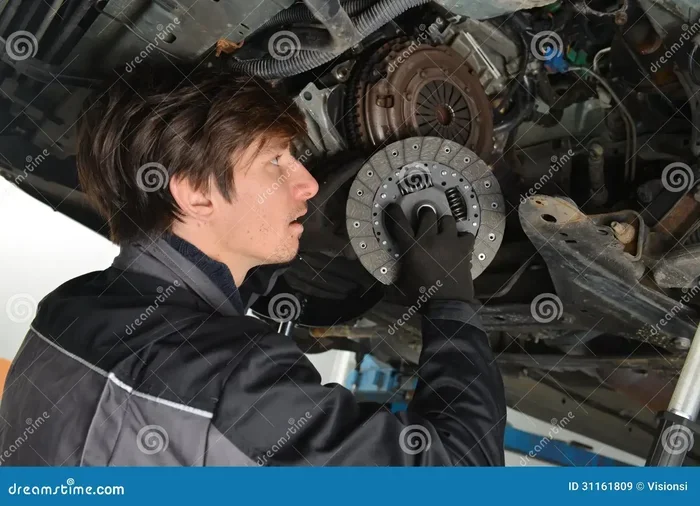
Some car owners wonder if they can handle clutch repair on their own. The answer depends on your mechanical skills and tools. A clutch replacement is one of the more involved repairs on a vehicle. It requires lifting the car, removing the transmission, and replacing the clutch components.
If you are handy and have a garage with proper tools, you can save a lot of money by doing it yourself. However, this is not a beginner project. You need to understand the hydraulic clutch system, know how to bleed the lines, and be comfortable working underneath the car. If you want to check whether the problem is really the clutch before committing to a repair, you can start with DIY car diagnostics to narrow down the issue.
Tools You Will Need
- Jack and jack stands or a lift
- Socket set and wrenches
- Transmission jack
- Clutch alignment tool
- Brake cleaner and a torque wrench
- New clutch kit (plate, pressure plate, and throwout bearing)
- Hydraulic fluid (if bleeding the system)
When to Call a Professional
If you are not confident in your abilities, call a professional. A botched clutch repair can lead to worse damage. You could end up needing a full manual transmission replacement instead of just a clutch job. The cost difference is significant. A professional mechanic can also check for related issues like a worn flywheel or a failing clutch master cylinder while they are at it.
How Much Does Clutch Repair and Replacement Cost?
The cost of fixing a bad clutch varies widely. Several factors determine the final price. Understanding these costs helps you decide whether to repair or replace and whether to do it yourself or hire a pro.
Clutch Repair Costs
Minor clutch repairs, like replacing the clutch slave cylinder or bleeding the hydraulic system, can cost between $150 and $400. These are relatively simple fixes that can extend the life of your current clutch. If the throwout bearing is the problem, expect to pay around $200 to $500 for parts and labor.
Clutch Replacement Costs
A full clutch replacement is much more expensive. The average cost ranges from $1,200 to $2,500, depending on your vehicle. Luxury cars and performance vehicles can cost even more. The clutch kit itself costs $200 to $600, and labor makes up the bulk of the expense since the transmission must be removed.
Cost Comparison Table
- Clutch Slave Cylinder Replacement: $150 – $400
- Throwout Bearing Replacement: $200 – $500
- Full Clutch Kit Replacement: $1,200 – $2,500
- Flywheel Resurfacing or Replacement: $200 – $600 (additional)
- Manual Transmission Replacement: $1,500 – $4,000+
As you can see, addressing clutch problems early saves a lot of money. A $300 repair today can prevent a $2,500 replacement tomorrow. That is a strong argument for not ignoring the warning signs.
Tips to Extend Your Clutch Life
Good habits keep your clutch healthy and extend its lifespan. Most clutch maintenance comes down to how you drive. Here are practical tips to get the most miles out of your clutch.
- Avoid Riding the Clutch: Keep your foot completely off the clutch pedal when you are not shifting. Even slight pressure causes wear.
- Use the Handbrake on Hills: Instead of holding the car on a hill with the clutch, use the handbrake. This prevents unnecessary clutch slip.
- Shift Smoothly: Avoid slamming the gears in. Smooth, deliberate shifts reduce stress on the clutch plate and friction material.
- Do Not Rest Your Foot on the Pedal: Many drivers rest their foot on the clutch pedal while driving. This partial engagement causes heat and wear.
- Check Clutch Fluid Regularly: Low hydraulic fluid affects clutch engagement. Top off the fluid and check for leaks in the clutch master cylinder and lines.
- Avoid Overloading Your Vehicle: Extra weight puts more strain on the clutch. Make sure you are not carrying too much weight in your car.
What Happens If You Ignore a Bad Clutch?
Ignoring a bad clutch is a risky move. The problem does not fix itself. It only gets worse. Here is what can happen if you keep driving on a failing clutch.
First, the slipping clutch will continue to degrade the friction material. Eventually, the clutch plate will wear through completely. At that point, the metal parts grind against each other. This damages the flywheel and the pressure plate. What started as a $1,200 repair becomes a $3,000+ repair.
Second, a failing clutch can leave you stranded. Imagine the clutch giving out on a highway or a dark road. You lose the ability to shift gears or move the car. This is not just inconvenient. It is dangerous. A breakdown in a bad spot can lead to accidents or expensive towing fees.
Third, ignoring the problem can damage other components. The throwout bearing, clutch master cylinder, and clutch slave cylinder all work together. When one fails, the others absorb extra stress. You might end up needing multiple repairs at once.
Finally, driving with a bad clutch reduces fuel efficiency. A slipping clutch wastes engine power. You burn more gas without going faster. Over time, this adds up at the pump.
The bottom line is clear. A bad clutch needs attention. The longer you wait, the more expensive and dangerous it becomes. Whether you plan to handle car maintenance yourself or visit a mechanic, addressing clutch problems promptly is always the right call.
Conclusion
So, how long can you drive with a bad clutch? The real answer is: not as long as you want. A bad clutch is a ticking clock. The severity of the damage determines how many miles you have left. A slightly worn clutch might give you a few hundred miles. A severely damaged one could fail at any moment.
The smartest approach is to learn the warning signs and act quickly. A slipping clutch, grinding gears, burning smells, and a spongy clutch pedal all demand attention. Addressing these issues early saves money, prevents dangerous breakdowns, and keeps your manual transmission healthy.
Do not let a bad clutch become a big expense. Whether you catch it early and need a simple clutch repair or you have been ignoring it and need a full clutch replacement, the key is to take action now. Your wallet, your safety, and your car will all thank you.
Remember, your clutch is the bridge between your engine and your wheels. Treat it well, and it will serve you for thousands of miles. Ignore it, and you will be paying for it in more ways than one.
Frequently Asked Questions
Can I drive 50 miles with a slipping clutch?
In most cases, yes, you can drive a short distance with a slipping clutch. However, every mile you drive makes the damage worse. The friction material continues to wear down. If you must drive a short distance, do so gently and avoid hills or heavy loads. Plan to get the clutch repaired or replaced as soon as possible.
How do I know if my clutch or transmission is the problem?
A slipping clutch usually causes the engine to rev without a matching increase in speed. Transmission problems often cause grinding noises or difficulty staying in gear. You can start with DIY car diagnostics to narrow down the issue. If you are unsure, a professional mechanic can run proper tests to identify the root cause.
What is the average clutch lifespan for a manual car?
A typical clutch lifespan ranges from 50,000 to 100,000 miles. However, driving habits play a huge role. Drivers who ride the clutch, tow heavy loads, or shift aggressively may need clutch replacement at 30,000 miles or less. Smooth driving and good habits can push the lifespan toward the higher end of that range.
Can a bad clutch damage the flywheel?
Yes, a severely worn or slipping clutch can damage the flywheel. The friction material from the worn clutch plate can score or warp the flywheel surface. In this case, the flywheel must be resurfaced or replaced during the clutch repair. This adds to the overall cost, which is another reason to address clutch problems early.
Is it safe to drive with a clutch that will not disengage?
No, it is not safe. If the clutch pedal will not disengage, you cannot shift gears properly. You may hear grinding noises, and the car might lurch or stall unexpectedly. This situation can be dangerous, especially in traffic. You should have the car towed to a mechanic for proper clutch repair.
How long does a clutch replacement take at a shop?
A professional clutch replacement typically takes between 4 and 8 hours, depending on the vehicle. The process involves lifting the car, removing the transmission, replacing the clutch kit, and reinstalling everything. Some vehicles with awkward engine layouts may take longer. Always get a quote before authorizing the work.