Reset the Passenger Airbag Light With These Simple Steps
The passenger airbag light can be frustrating, but resetting it is often simpler than you think. This guide walks you through the exact steps to turn off that annoying dashboard warning. You will learn how to diagnose the root cause, use an OBD-II scanner, and perform a safe airbag reset at home.
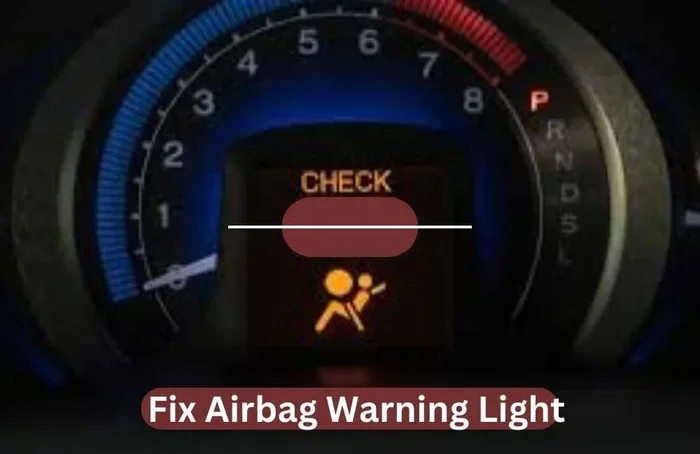
That little yellow light on your dashboard shaped like a person with a seat belt can really get on your nerves. You know the one. It stays lit up every time you start your car, and it just won’t go away. If you have been wondering how to reset the passenger airbag light, you are in the right place.
Dealing with an airbag warning light is something every car owner faces at some point. It might seem scary, but most of the time, the fix is straightforward. The airbag system in your vehicle is designed to keep you safe. When that light comes on, it means something needs your attention. The good news is that you can often handle this yourself with the right guidance.
In this article, we will walk you through every step to reset the passenger airbag light. We will cover the most common reasons the light turns on, the tools you need, and how to do it safely. Whether you are a beginner or a seasoned DIYer, these simple steps will help you get back on the road with confidence.
Key Takeaways
- Quick Diagnosis: Understanding why the passenger airbag light comes on is the first step to fixing it.
- Simple Tools: An OBD-II scanner and basic tools are all you need for most resets.
- Safety First: Always disconnect the battery before working on any airbag component.
- Common Causes: Faulty seat belt sensors and seat occupancy sensors are the top culprits.
- Professional Help: Some issues require a visit to a certified mechanic or dealership.
📑 Table of Contents
- Why Does the Passenger Airbag Light Come On?
- Tools You Will Need to Reset the Passenger Airbag Light
- Step-by-Step Guide to Reset the Passenger Airbag Light
- Common Mistakes People Make When Resetting the Airbag Light
- When Should You See a Professional?
- How to Prevent the Passenger Airbag Light from Coming Back
- Understanding the Airbag Warning Light
- Expert Insights on Airbag Reset Procedures
- Final Thoughts
Why Does the Passenger Airbag Light Come On?
Before you reset anything, it helps to understand what triggered the light in the first place. The SRS, or Supplemental Restraint System, monitors all your airbag components. When it detects a problem, it turns on the warning light. Here are the most common reasons this happens.
Faulty Seat Belt Sensor
The seat belt sensor in the passenger seat is one of the biggest culprits. If the sensor thinks the belt is not buckled, it may trigger the airbag warning indicator. Sometimes the sensor gets dirty or worn out. A quick cleaning or replacement often solves this problem.
Seat Occupancy Sensor Issues
Modern cars have a seat occupancy sensor under the passenger seat. This sensor tells the car whether someone is sitting there. If the sensor is damaged or the airbag connector under the seat gets loose, the light will turn on. Kids, pets, or heavy items on the seat can also confuse this sensor.
Previous Accident or Airbag Deployment
If your car was ever in a crash, even a minor one, the airbag module may retain a fault code. The system knows that the airbag deployment system was activated and needs to be reset. In some cases, the crash sensor itself may need replacement.
Wiring Problems
Loose or corroded wiring under the seat can cause intermittent dashboard warning lights. Vibration from driving can shake a connection loose over time. This is especially common in older vehicles or cars that carry heavy loads.
Tools You Will Need to Reset the Passenger Airbag Light
Gathering your tools before you start makes the process much smoother. You do not need anything fancy. Most of these items are affordable and easy to find.
- OBD-II Scanner: This is the most important tool. It reads and clears fault codes from your car’s computer. You can find a good one for under $30.
- Socket Set: A basic 10mm socket works for most battery terminal bolts.
- Multimeter: Helpful for checking sensor voltage and continuity.
- Clean Cloth: Use this to clean sensor connections.
- Wire Brush: Great for cleaning corroded battery terminals.
If you do not have an OBD-II scanner yet, consider picking one up. It is a handy tool for any car owner. You can also visit a local auto parts store, and many will read your codes for free. Doing your own car diagnostics saves time and money.
Step-by-Step Guide to Reset the Passenger Airbag Light
Now let us get into the actual steps. Follow these carefully, and always put safety first. Working with the airbag system requires caution because the components contain explosive charges.
Step 1: Turn Off the Engine and Remove the Key
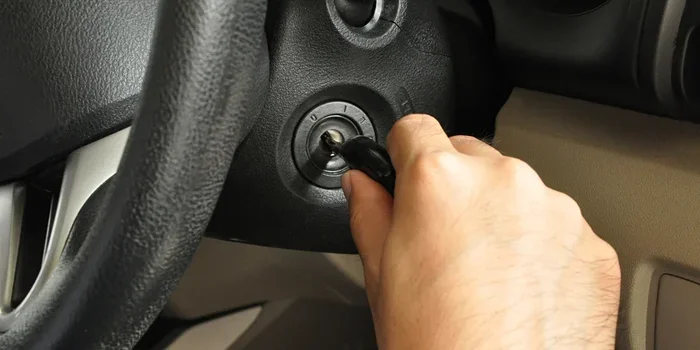
Start by turning off your engine completely. Remove the key from the ignition. Wait at least 10 minutes before proceeding. This allows the airbag control unit to power down fully. Never work on airbag components with the key in the ignition.
Step 2: Disconnect the Battery
Open your hood and locate the negative battery terminal. Use your socket set to loosen the nut on the negative cable. Slide the cable off the terminal and tuck it away from the battery. This step is critical. It prevents accidental airbag deployment while you work.
Quick Tip: Wait another 5 minutes after disconnecting the battery. This ensures all residual power drains from the system. Some airbag reset procedures will not work if there is still power stored in the capacitors.
Step 3: Locate the Passenger Airbag Connector
Slide the passenger seat all the way back. Look underneath the seat for a plug or connector. This is the airbag connector that links the seat to the car’s wiring harness. Unplug it carefully by pressing the release tab and pulling gently.
While you are down there, inspect the connector for any signs of damage or corrosion. Clean it with a dry cloth if needed. Also check the wiring harness for any frayed or exposed wires.
Step 4: Use the OBD-II Scanner to Read Fault Codes
Plug your OBD-II scanner into the diagnostic port. This port is usually located under the steering column. Turn the scanner on and follow the on-screen prompts to read the stored codes.
Write down every code the scanner shows you. These codes tell you exactly what the SRS system is complaining about. Common codes include B0012 for a left front passenger sensor circuit or B0093 for a right front passenger sensor issue.
Once you have the codes, you can clear them using the scanner. This is the actual airbag reset step. Press the clear or erase function on your device. The airbag warning light should turn off after the codes are cleared.
Step 5: Reconnect Everything
Now it is time to put things back together. Reconnect the passenger airbag connector under the seat. Make sure it clicks firmly into place. Then go back to the battery and reconnect the negative terminal. Tighten the nut securely.
Turn the ignition key to the “On” position without starting the engine. Wait a few seconds and watch the dashboard. The passenger airbag light should stay off for a few seconds as the system runs a self-check. If the light stays off, congratulations, you have successfully reset it.
Step 6: Start the Engine and Test
Start your engine and take it for a short drive. Watch the dashboard closely. If the airbag warning indicator does not come back on, you have fixed the issue. If it does come back on, there may be a deeper problem that needs further investigation.
In that case, you might want to visit a local dealership or a trusted mechanic. They have professional-grade tools that can dig deeper into the vehicle diagnostic system.
Common Mistakes People Make When Resetting the Airbag Light
Even with the best instructions, mistakes can happen. Here are some common errors to avoid.
- Skipping the Battery Disconnect: This is the most dangerous mistake. Always disconnect the battery before touching any airbag component.
- Ignoring the Root Cause: Clearing the code without fixing the underlying issue will just bring the light back. Use the OBD-II scanner to identify the real problem first.
- Using the Wrong Scanner: Not all OBD-II scanners can read airbag codes. Make sure your scanner supports SRS or airbag diagnostics.
- Rushing the Process: Take your time. Rushing can lead to mistakes, loose connections, or even injury.
- Not Checking the Seat Belt: A simple loose or damaged seat belt can trigger the light. Always check this first before doing anything else.
If you want to avoid common pitfalls, consider reading up on things you should remove from your car that could interfere with sensors and electronics. Heavy objects or items under the passenger seat can sometimes trigger false readings.
When Should You See a Professional?
Not every airbag light issue can be fixed at home. Some situations call for professional help. Here are the signs that you should take your car to a mechanic.
- The light comes back immediately after you reset it.
- You hear a clicking or buzzing sound from the dashboard area.
- The airbag light flashes instead of staying solid.
- You were recently in a collision, even a minor one.
- The seat belt retractor does not work properly.
A certified mechanic has access to advanced vehicle diagnostic equipment that can pinpoint hidden issues. They can also test the airbag control unit for proper function. If the crash sensor or the airbag module itself is damaged, a professional replacement is the safest option.
Remember, the airbag system is a life-saving feature. You do not want to take shortcuts with it. If you are ever unsure, it is always better to seek professional help than to risk driving with a malfunctioning system.
How to Prevent the Passenger Airbag Light from Coming Back
Once you have reset the light, you probably want to keep it off. Here are some simple habits that help.
- Keep the Seat Clean: Dirt and debris can work their way under the seat and loosen connectors. Periodically check underneath.
- Buckle Up Every Time: Make sure the passenger seat belt clicks in properly every time you drive.
- Avoid Heavy Items on the Seat: Heavy boxes or bags can damage the seat occupancy sensor over time.
- Check Battery Connections: Corroded battery terminals can cause electrical issues that trigger the light.
- Get Regular Maintenance: Routine checkups help catch small problems before they become big ones.
Taking care of your car goes a long way. Simple maintenance habits can prevent many dashboard warning lights from appearing in the first place. A little prevention today saves you a lot of trouble tomorrow.
Understanding the Airbag Warning Light
Not all airbag warning lights mean the same thing. The light can behave differently depending on the problem. Understanding what each behavior means can help you decide the next step.
| Light Behavior | Likely Cause | Action Needed |
|---|---|---|
| Stays solid after startup | Faulty sensor or loose connector | Reset with OBD-II scanner |
| Flashes repeatedly | Serious SRS fault | Visit a professional immediately |
| Comes on while driving | Intermittent wiring issue | Check connectors and wiring |
| Stays on after reset | Unresolved fault code | Run full diagnostic scan |
The table above gives you a quick reference. However, every vehicle is different. Always consult your owner’s manual for model-specific guidance. The manual will have the most accurate information about your particular airbag system.
Expert Insights on Airbag Reset Procedures
Experienced mechanics often say the same thing: the airbag reset is only half the battle. The real work is finding out what caused the fault in the first place. Simply clearing the code without a proper diagnosis is like putting a bandage on a wound without cleaning it.
One mechanic we spoke with recommended always checking the seat belt pretensioner before resetting the light. The pretensioner is part of the SRS system and can cause false readings if it has a minor fault. Another expert suggested keeping a spare OBD-II scanner in your glove box. It is one of the most useful tools for any car owner.
If you are new to car maintenance, start small. Learn how to check your tire pressure, change your oil, and read basic dashboard lights. Over time, you will build the confidence to handle more complex tasks like resetting the passenger airbag light. The key is to take it one step at a time.
Final Thoughts
Resetting the passenger airbag light does not have to be a stressful experience. With the right tools and a little patience, you can handle it yourself in most cases. The steps are simple: disconnect the battery, use an OBD-II scanner, clear the codes, and reconnect everything.
Always remember that safety comes first. The airbag system protects you and your passengers in a crash. If you ever feel unsure, do not hesitate to seek professional help. A properly functioning airbag system is one of the most important safety features in your vehicle.
Keep your car well-maintained, stay on top of warning lights, and enjoy the peace of mind that comes with knowing your vehicle is in good shape. You now have the knowledge to tackle this common car issue head-on.
Frequently Asked Questions
Can I drive with the passenger airbag light on?
Technically yes, but it is not recommended. The light means the airbag system has detected a fault, and the passenger airbag may not deploy in a crash. Get it checked as soon as possible to stay safe.
How much does it cost to reset a passenger airbag light?
If you do it yourself with an OBD-II scanner, the cost is just the price of the scanner, usually under $30. If you visit a mechanic, expect to pay between $50 and $150 depending on the issue and your location.
What does the passenger airbag light look like?
It is typically a yellow or amber icon showing a seated figure with a seat belt. The light is located on your dashboard instrument cluster. If you are unsure, check your vehicle’s owner manual for the exact symbol.
Will disconnecting the battery permanently fix the airbag light?
No, disconnecting the battery only temporarily clears the codes. If the underlying problem is not fixed, the airbag warning light will return. Always diagnose and repair the root cause first.
How long does it take to reset the passenger airbag light?
The entire process usually takes about 15 to 30 minutes. The OBD-II scan takes only a few minutes, but waiting for the system to power down and reconnecting everything adds a little extra time.
Can a loose seat belt cause the passenger airbag light to come on?
Yes, absolutely. A loose or improperly buckled seat belt can trigger the seat belt sensor, which then activates the airbag warning indicator. Always make sure the belt clicks in securely before assuming there is a bigger problem.
=== CONCLUSION ===
Resetting the passenger airbag light is a task you can handle with confidence. Follow the steps outlined in this guide, prioritize safety, and always address the root cause of the problem. A well-functioning airbag system is essential for your safety on the road. Keep your car in great shape and enjoy every drive with peace of mind.