Does A Cat-Back Exhaust Include The Catalytic Converter?
No, a cat-back exhaust does not include the catalytic converter. This exhaust system starts from behind the converter and extends to the tailpipe, replacing only the rear section of your exhaust. Understanding this distinction helps you choose the right upgrade without affecting emissions compliance.
Does A Cat-Back Exhaust Include The Catalytic Converter?
If you have ever walked past a car that rumbles with a deep, aggressive tone, chances are it has a cat-back exhaust system. Many car enthusiasts love the look and sound of these upgrades. But here is the question that confuses a lot of people: does a cat-back exhaust include the catalytic converter? The short answer is no, and understanding why matters more than you might think.
Whether you are planning an exhaust upgrade for better performance or just curious about how your vehicle’s system works, this guide breaks it all down. You will learn exactly what a cat-back exhaust includes, why the catalytic converter sits outside of it, and how all the pieces fit together. By the end, you will feel confident talking about exhaust systems with anyone at the shop or in the parking lot.
A cat-back exhaust is one of the most popular upgrades for drivers who want a deeper sound and a slight boost in performance. But knowing what is — and what is not — part of this system helps you make smarter buying decisions. Let us dive in and clear up the confusion once and for all.
Key Takeaways
- A cat-back exhaust includes the catalytic converter as its starting point.
- The system replaces everything from the catalytic converter backward.
- Your catalytic converter stays intact with a standard cat-back setup.
- Cat-back does not mean removing the catalytic converter.
- Always confirm what parts are included before purchasing.
- Different exhaust types serve different performance and legal needs.
- Check local laws before modifying your exhaust system.
📑 Table of Contents
- What Exactly Is a Cat-Back Exhaust System?
- Does a Cat-Back Exhaust Include the Catalytic Converter?
- Components of a Cat-Back Exhaust System
- Benefits of Installing a Cat-Back Exhaust
- How to Choose the Right Cat-Back Exhaust for Your Vehicle
- Common Mistakes People Make With Cat-Back Exhausts
- Quick Comparison: Stock Exhaust vs. Cat-Back Exhaust
- Key Takeaways
What Exactly Is a Cat-Back Exhaust System?
A cat-back exhaust refers to the portion of the exhaust system that starts behind the catalytic converter and runs all the way to the rear of the vehicle. The name itself tells you everything. “Cat” stands for catalytic converter, and “back” means everything that comes after it. So when you buy a cat-back exhaust kit, you are getting every component from that point onward.
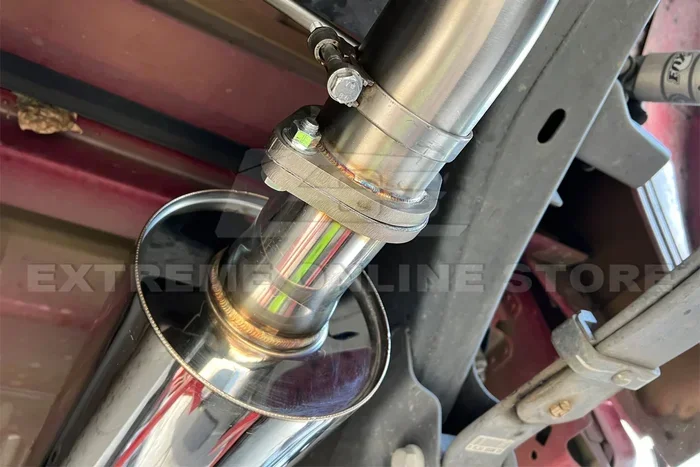
This typically includes the exhaust tubing, the muffler, the resonance chamber, and the exhaust tip. Some systems also include intermediate pipes and hangers. The goal is to improve the flow of exhaust gases out of the vehicle, which can lead to a more aggressive sound and, in some cases, a small gain in horsepower.
Why Do People Upgrade to a Cat-Back Exhaust?
There are several reasons drivers choose to install a cat-back exhaust. For many, it is all about the sound. A quality cat-back exhaust gives the vehicle a deeper, more muscular rumble that turns heads. Others care about performance. By replacing restrictive factory exhaust components, a cat-back exhaust can help the engine breathe better.
Some people also upgrade for aesthetic reasons. A sleek exhaust tip adds a finished look to the rear of the car. And then there is the weight factor. Aftermarket cat-back exhaust systems often use lighter materials like stainless steel or aluminized steel, which can shave a few pounds off the vehicle.
Does a Cat-Back Exhaust Include the Catalytic Converter?
This is the big question, and the answer is a clear no. A cat-back exhaust does not include the catalytic converter. The catalytic converter is part of the front-hose exhaust or mid-pipe section of the system. When you purchase a cat-back exhaust, the system starts right where the catalytic converter ends.
Think of it this way. The catalytic converter sits near the engine, close to the exhaust manifold. Its job is to reduce harmful exhaust emissions by converting toxic gases into less harmful ones. The cat-back exhaust picks up after that point and carries the cleaned gases out through the rear of the car.
So if you are replacing your cat-back exhaust, you do not need to worry about removing or replacing the catalytic converter. They are separate parts of the same overall exhaust system. This is an important distinction because catalytic converters are expensive components, and you do not want to accidentally include or exclude them when shopping for parts.
What About High-Flow Catalytic Converters?
Some car enthusiasts wonder if they should pair their new cat-back exhaust with a high-flow catalytic converter. A high-flow cat can improve exhaust flow even further, which complements a cat-back exhaust nicely. However, this is a separate purchase and not included in any standard cat-back exhaust kit.
If you live in a state with strict emissions testing, you need to be careful here. Replacing your factory catalytic converter with a high-flow unit may not pass inspection in some areas. Always check your local regulations before making changes to your exhaust system.
Components of a Cat-Back Exhaust System
Now that you know a cat-back exhaust does not include the catalytic converter, let us look at what it actually contains. Each component plays a specific role in directing exhaust gases away from the engine and out the rear of the car.
The Exhaust Tubing
The exhaust tubing is the backbone of any cat-back exhaust system. It carries the exhaust gases from the catalytic converter to the muffler and then to the exhaust tip. The diameter of the tubing matters a lot. A larger diameter allows more gas to flow, which can improve performance. But too large a diameter can cause a loss of low-end torque.
Most cat-back exhaust kits use tubing made from stainless steel or aluminized steel. Stainless steel lasts longer and resists rust better, but it costs more. Aluminized steel is a budget-friendly option that still offers decent durability.
The Muffler
The muffler is probably the most recognizable part of the cat-back exhaust system. Its main job is to reduce the noise created by the exhaust gases rushing through the system. Inside the muffler, you will find chambers and baffles that bounce the sound waves around, effectively dampening the noise.
When you upgrade to a performance cat-back exhaust, the muffler is often designed to be less restrictive. This means more exhaust flow and a louder, more aggressive sound. Some mufflers are designed to be barely louder than stock, while others give you that deep, throaty rumble that every car enthusiast loves.
The Resonance Chamber
Not all cat-back exhaust systems include a resonance chamber, but many do. This component works alongside the muffler to fine-tune the sound of the exhaust system. It helps cancel out unwanted frequencies while keeping the pleasant, sporty tones intact.
Think of the resonance chamber as a sound engineer for your car. It shapes the exhaust note so it sounds good at all speeds, whether you are idling in traffic or cruising on the highway. A well-designed resonance chamber makes a huge difference in the overall sound quality of a cat-back exhaust.
The Exhaust Tip
The exhaust tip is the final piece of the cat-back exhaust system. It is the visible part that sits at the rear of the vehicle. While it does not affect exhaust flow as much as the other components, it plays a big role in the overall look of the car.
Exhaust tips come in many shapes and sizes. You can find rounded tips, angled tips, and even double-wall designs. The material and finish also vary, with chrome, stainless steel, and black-coated options being the most popular. A well-chosen exhaust tip gives the rear of the vehicle a polished, finished appearance.
Benefits of Installing a Cat-Back Exhaust
Upgrading to a cat-back exhaust offers several real-world benefits. Let us look at what you can expect when you make the switch.
Improved Sound
This is the number one reason most people buy a cat-back exhaust. The sound difference is dramatic. A stock exhaust often sounds muffled and boring. A cat-back exhaust opens up the exhaust note and gives the vehicle a much more aggressive and refined tone.
Many drivers report that their car sounds like a completely different vehicle after a cat-back exhaust installation. The deeper rumble at idle and the satisfying growl under acceleration make every drive more enjoyable.
Better Exhaust Flow
Factory exhaust systems are designed with cost and noise regulations in mind, not performance. The piping is often narrower than it needs to be, and the muffler has too many restrictions. A cat-back exhaust removes these bottlenecks and allows exhaust gases to exit the engine more efficiently.
Better exhaust flow means the engine does not have to work as hard to push out gases. This can translate to a small but noticeable improvement in horsepower and throttle response. While the gains are usually modest, they are real and felt during everyday driving.
Weight Reduction
Aftermarket cat-back exhaust systems often weigh less than factory setups. Stainless steel exhaust tubing is lighter than the rubber and steel used in stock systems. Some cat-back exhaust kits can reduce rear-end weight by 10 to 20 pounds, which may seem small but helps with the overall power-to-weight ratio of the vehicle.
Enhanced Appearance
Let us not forget the visual appeal. A polished exhaust tip and sleek exhaust tubing give the rear of the car a custom, upgraded look. Even parked at a store, a vehicle with a quality cat-back exhaust turns heads and draws attention.
How to Choose the Right Cat-Back Exhaust for Your Vehicle
Not all cat-back exhaust systems are created equal. Choosing the right one for your vehicle requires some thought. Here are the key factors to consider.
Material Quality
The material you choose affects both durability and price. Stainless steel is the best option for longevity and rust resistance. It costs more upfront but lasts for years. Aluminized steel is a good middle ground. It is affordable and performs well, but it may corrode faster than stainless steel.
Some budget cat-back exhaust systems use mild steel, which is the least durable. It will rust over time, especially in areas that get a lot of snow and road salt. If you want your exhaust system to last, stainless steel is the way to go.
Sound Level
Think about how loud you want your vehicle to be. Some cat-back exhaust systems are designed for a subtle upgrade, while others are built to be loud and bold. If you drive in the city every day, a quieter system might be more practical. If you hit the open road often, you might prefer something with more bark.
Reading reviews and watching sound clips online can help you decide. Every vehicle sounds different with the same cat-back exhaust, so what works for one car might not work for another.
Fit and Compatibility
Make sure the cat-back exhaust you choose is designed for your specific make, model, and year. Exhaust systems vary in mounting points, pipe diameter, and connection types. A system that does not fit properly can cause leaks, rattles, and even damage to the vehicle.
If you are unsure, check with the manufacturer or a trusted mechanic. They can confirm whether a particular cat-back exhaust kit will work with your vehicle. This is especially important if your car has a hybrid powertrain, since the exhaust setup can differ from a standard gasoline engine. For instance, hybrid vehicles switch to gas at a specific point, and their exhaust systems may be configured differently than you expect.
Budget Considerations
Cat-back exhaust systems range from around $300 to over $1,500. The price depends on the material, brand, and design. Set a budget before you shop so you do not get overwhelmed by the options.
Remember that installation costs are separate from the part price. Some shops charge $100 to $300 for a cat-back exhaust install, depending on the complexity of the job. If you are handy with tools, you can save money by doing it yourself, but professional installation ensures a proper fit and seal.
Common Mistakes People Make With Cat-Back Exhausts
Even experienced car enthusiasts sometimes make mistakes when shopping for or installing a cat-back exhaust. Here are a few to avoid.
Assuming the Catalytic Converter Is Included
This is the most common mistake. Many people assume that a cat-back exhaust includes the catalytic converter because of the name. It does not. The catalytic converter is a separate component that sits between the engine and the cat-back exhaust system.
Choosing the Wrong Pipe Diameter
Pipe diameter has a big impact on performance. Too small, and the exhaust gases cannot flow freely. Too large, and you lose low-end torque. Most vehicles perform best with a cat-back exhaust that uses the manufacturer-recommended pipe diameter.
Ignoring Local Laws
Some cat-back exhaust systems are louder than what is legal on public roads. Before you install a new exhaust system, check your local noise ordinances and emissions laws. You do not want to get pulled over or fail an inspection because of an overly loud exhaust tip.
Skipping Professional Installation
While DIY installation is possible, it is not always the best choice. A cat-back exhaust needs to be properly mounted and sealed to prevent leaks and vibrations. If you are not confident in your welding or bolting skills, it is worth paying a professional to do the job right.
Quick Comparison: Stock Exhaust vs. Cat-Back Exhaust
| Feature | Stock Exhaust | Cat-Back Exhaust |
|---|---|---|
| Catalytic Converter Included | Yes | No |
| Sound Level | Quiet and muted | Deeper and more aggressive |
| Exhaust Flow | Restrictive by design | Free-flowing for better performance |
| Material Quality | Basic steel and rubber | Stainless steel or aluminized steel |
| Weight | Heavier due to dampening materials | Lighter with fewer restrictions |
| Cost | Included with the vehicle | $300 to $1,500+ for the kit |
| Appearance | Standard factory look | Custom look with polished tips |
As you can see from the table above, a cat-back exhaust offers clear advantages over a stock setup in terms of sound, flow, and appearance. The catalytic converter remains the same in both systems, which is why it is not part of the cat-back exhaust package.
Key Takeaways
A cat-back exhaust is a fantastic upgrade for any driver who wants better sound, improved flow, and a custom look. Remember these key points:
- A cat-back exhaust does not include the catalytic converter. It starts behind it.
- The system includes the exhaust tubing, muffler, resonance chamber, and exhaust tip.
- Upgrading to a cat-back exhaust can improve sound, performance, and appearance.
- Choose the right material, pipe diameter, and sound level for your vehicle.
- Always check local laws before installing a new exhaust system.
A cat-back exhaust is a worthwhile investment for anyone who cares about how their vehicle sounds and performs. Just remember that the catalytic converter is a separate piece of the puzzle, and it stays right where it is. Focus your money and attention on the cat-back portion of the system, and you will be happy with the results.
Whether you are a weekend cruiser or a daily commuter, a quality cat-back exhaust transforms the driving experience. The deeper tone, the improved response, and the custom look all add up to a vehicle that feels and sounds better than it did straight from the factory. So go ahead, explore your options, and find the perfect cat-back exhaust for your ride. Your ears — and your engine — will thank you.
Frequently Asked Questions
Does A Cat-Back Exhaust Include The Catalytic Converter?
No, a cat-back exhaust does not include the catalytic converter. The term “cat-back” refers specifically to the components located behind the catalytic converter, starting from the rear pipe and extending to the tailpipe. The catalytic converter sits before this section and is part of the mid-pipe or front exhaust system.
What Parts Are Included in a Cat-Back Exhaust System?
A cat-back exhaust typically includes the rear muffler, exhaust pipes, resonators, and the tailpipe. These parts work together to improve exhaust flow and enhance the sound of your vehicle. Since the catalytic converter is located ahead of this section, it is not part of the cat-back setup.
Can I Install a Cat-Back Exhaust Without Replacing the Catalytic Converter?
Yes, you can install a cat-back exhaust while keeping your original catalytic converter in place. The cat-back system connects to the existing mid-pipe right after the converter. This is a common upgrade for car owners who want better sound and flow without removing emissions equipment.
Is It Legal to Remove the Catalytic Converter When Installing a Cat-Back Exhaust?
Removing the catalytic converter is illegal in most places and violates federal emissions laws. A cat-back exhaust does not require you to remove the converter, so you can stay compliant with the law. Always check local regulations before making any changes to your exhaust system.
How Can I Tell If My Cat-Back Exhaust Has a Catalytic Converter?
It does not. By definition, a cat-back exhaust starts behind the catalytic converter, so the converter is never included. If you need to replace the catalytic converter, you will need to look at the mid-pipe or full exhaust system instead. Understanding this distinction helps you choose the right parts for your vehicle.
What Is the Difference Between a Cat-Back Exhaust and a Full Exhaust System?
A full exhaust system includes the catalytic converter, mid-pipe, and cat-back components, while a cat-back system only covers the rear portion. The full system replaces everything from the engine bay back, including emissions parts. Choosing between the two depends on whether you need to replace the converter or just want a performance upgrade behind it.