How Many Labor Hours to Replace Your Serpentine Belt
Replacing a serpentine belt typically takes between 0.5 and 1.5 labor hours, depending on your vehicle model, engine layout, and belt routing complexity. Most drivers spend between $100 and $250 for professional serpentine belt replacement, though DIY enthusiasts can save significantly. Understanding the process helps you make informed decisions about your car maintenance and avoid unexpected breakdowns.
Your car’s serpentine belt plays a huge role in keeping everything running smoothly. This single long belt drives multiple accessories at once, including your alternator, power steering pump, water pump, and air conditioning compressor. When it breaks, you are in for a rough ride. So how many labor hours does it really take to replace a serpentine belt? The answer might surprise you.
In this guide, we walk through everything you need to know about serpentine belt replacement labor hours. We cover the average time, what affects the duration, how much it costs, and whether you should try a DIY approach. Whether you are a seasoned gearhead or a complete beginner, this article has practical advice you can use right away.
The serpentine belt is one of those parts that people often overlook until something goes wrong. Unlike oil changes or tire rotations, belt replacement does not come up in regular maintenance schedules. But ignoring it can lead to serious engine problems. A broken serpentine belt can cause your engine to overheat, kill your power steering, and drain your battery. That is why understanding the replacement process matters so much.
Key Takeaways
- Average Labor Time: Most serpentine belt replacements take 30 minutes to 1.5 hours for a trained mechanic.
- Cost Range: Expect to pay $100 to $250 at a shop, or $30 to $80 if you DIY with your own parts.
- Vehicle Matters: Some engines have tight spaces that make belt access harder, increasing labor time.
- DIY Friendly: If you have basic tools, replacing a serpentine belt is one of the easier maintenance jobs you can do at home.
- Warning Signs: Squealing noises, visible cracks, and power steering issues signal a worn belt that needs immediate attention.
- Replacement Interval: Most serpentine belts last between 50,000 and 100,000 miles before needing replacement.
📑 Table of Contents
- What Is a Serpentine Belt and Why Does It Matter?
- How Long Does Serpentine Belt Replacement Take?
- Factors That Affect Serpentine Belt Replacement Labor Hours
- Serpentine Belt Replacement Cost Breakdown
- DIY vs Professional Serpentine Belt Replacement
- Signs Your Serpentine Belt Needs Replacement
- How to Replace a Serpentine Belt Step by Step
- Serpentine Belt Lifespan and Maintenance Tips
- Common Mistakes to Avoid During Serpentine Belt Replacement
- Expert Insights on Serpentine Belt Replacement
- Conclusion
What Is a Serpentine Belt and Why Does It Matter?
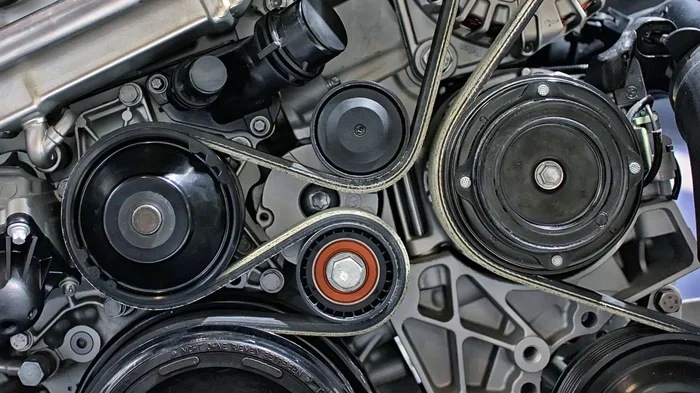
The serpentine belt is a single continuous belt that winds through multiple pulleys in your engine bay. It gets its name from its snake-like path, or “serpentine” routing, around various accessories. Unlike older cars that used multiple V-belts for each accessory, modern vehicles rely on just one belt to do all the work.
What Does a Serpentine Belt Do?
This belt powers several critical components in your vehicle. Here is a quick list of what it drives:
- Alternator: Charges your battery and powers electrical systems while the engine runs.
- Power Steering Pump: Provides hydraulic assistance for easy steering.
- Water Pump: Circulates coolant to keep your engine from overheating.
- Air Conditioning Compressor: Powers your AC system to keep you cool.
- Other Accessories: May include the air compressor for braking systems in some vehicles.
Without a working serpentine belt, all of these systems stop functioning. Your car might still crank and run briefly, but you will lose power steering, your engine will overheat quickly, and your battery will not recharge. This is why timely serpentine belt replacement matters so much.
How Long Does Serpentine Belt Replacement Take?
The short answer is that most serpentine belt replacements take between 30 minutes and 1.5 labor hours. But this is just an average. The real time depends on several factors we will explore below. A simple, straightforward job on an accessible engine can take as little as 20 to 30 minutes.
For most standard sedans and trucks, a mechanic familiar with the vehicle can complete the job in under an hour. This includes removing the old belt, inspecting all pulleys and tensioners, installing the new belt, and checking that everything sits correctly. The serpentine belt labor time is generally one of the shorter jobs in auto repair.
However, some vehicles are not so straightforward. Engines with tight engine bays, complex routing paths, or protective covers that are hard to remove can push the time closer to two hours or more. The key is knowing what you are working with before you start.
Factors That Affect Serpentine Belt Replacement Labor Hours
Not every serpentine belt replacement is the same. Several factors can increase or decrease the labor time significantly. Let us break them down.
Engine Layout and Design
Some engines have the serpentine belt easily accessible right on top. Others hide it behind covers, brackets, or other components. Transverse-mounted engines in front-wheel-drive cars often have more room than longitudinally-mounted engines in rear-wheel-drive vehicles. The layout directly impacts how quickly a mechanic can reach the belt.
For example, many four-cylinder engines have a very straightforward belt path. V6 and V8 engines sometimes have tighter spaces that require removing additional components to access the belt. If you drive a hybrid vehicle, the belt setup might differ from a conventional gas engine, which can affect how quickly the replacement goes. Understanding how hybrid systems interact with engine accessories can give you extra insight into your specific vehicle.
Belt Routing Complexity
The routing path of the serpentine belt varies widely between makes and models. Some vehicles have a simple three-pulley setup. Others route the belt around five or more pulleys in a complex path. The more complex the routing, the more time it takes to properly seat and tension the new belt.
Always refer to your vehicle-specific serpentine belt diagram before starting. Many repair manuals and online resources provide these diagrams for free. Having the diagram in front of you saves time and prevents mistakes during installation.
Condition of Belt Tensioner and Pulleys
When a serpentine belt wears out, it often takes the tensioner and idler pulleys down with it. If the tensioner is stiff or the pulleys show signs of wear, a mechanic may need to replace those parts too. This adds time to the job but is essential for long-term reliability.
A seized tensioner pulley can make belt removal difficult and time-consuming. In such cases, the mechanic may need to apply penetrating oil, use special tools, or even replace the tensioner assembly before the new belt can go on. Always ask your mechanic to inspect these components during a serpentine belt replacement.
Access to the Belt
Some vehicles require removing engine covers, air intake ducts, or even the alternator bracket to get to the belt. Each additional component that needs removal adds time to the job. Newer vehicles with engine covers made of plastic often have quick-release clips, but older models might use bolts that need more effort to remove.
Mechanic Experience and Shop Equipment
A seasoned mechanic who has replaced hundreds of serpentine belts will work much faster than someone doing it for the first time. Similarly, shops with the right tools, such as serpentine belt tensioner tools and belt routing guides, can complete the job more efficiently.
Serpentine Belt Replacement Cost Breakdown
Understanding the cost helps you decide between professional service and a DIY approach. Here is a typical breakdown of what you can expect.
Parts Cost
Serpentine belt parts are relatively affordable. A quality replacement belt usually costs between $20 and $60, depending on the brand and vehicle model. Premium brands like Gates, Continental, and Dayco may cost a bit more but often offer better durability and a longer lifespan.
Labor Cost
Labor rates vary by region and shop type. Here is a quick comparison:
- Independent Mechanic: $80 to $130 per hour. Total serpentine belt labor cost typically runs $50 to $150.
- Dealership: $100 to $180 per hour. Total cost can range from $100 to $250 or more.
- Quick Lube Shop: $70 to $120 per hour. Often the most affordable option for this straightforward job.
If you visit a local Chevrolet dealership or any brand-specific shop, the labor rate may be higher, but the technicians will have specialized knowledge of your vehicle’s belt system. This can be worth the extra cost for complex engine layouts.
Total Cost Estimate
For most vehicles, the total serpentine belt replacement cost falls between $100 and $200 when done professionally. If you choose the DIY route, your only expense is the belt itself, which brings the total down to $20 to $60. That is a significant savings, and the job is well within reach for most car owners.
DIY vs Professional Serpentine Belt Replacement
Deciding whether to replace your serpentine belt yourself or pay for professional service depends on your comfort level, tools, and the complexity of your vehicle. Both options have clear advantages.
When DIY Makes Sense
Replacing a serpentine belt is one of the most beginner-friendly maintenance jobs you can tackle. If you can use a wrench and follow a diagram, you can likely do it yourself. Here are reasons to go the DIY route:
- Cost Savings: You pay only for the parts, not the labor markup.
- Convenience: You can work on your own schedule without waiting for a shop appointment.
- Learning Experience: You gain valuable knowledge about your vehicle’s engine bay.
- No Waiting: You can complete the job in an afternoon and get back on the road.
Most DIYers can finish the job in under an hour with the right tools. A basic socket set, a serpentine belt tool (or a long breaker bar), and the vehicle repair manual are all you need. Many modern vehicles also have a belt routing diagram printed on a sticker under the hood, which makes the process even easier.
When to Hire a Professional
There are situations where professional service is the better choice. If your engine bay is very tight, the belt routing is complex, or the tensioner is stuck, a professional mechanic has the experience and tools to handle it safely. Additionally, if you are uncomfortable working under the hood, there is no shame in letting an expert handle the job.
Many drivers also use apps to find reliable mechanics or book appointments directly from their phones. You can even download apps that help you manage car maintenance schedules and track when your next serpentine belt replacement is due.
Quick Tips for a Successful Serpentine Belt Replacement
Whether you go DIY or hire a pro, these tips will help ensure a smooth process:
- Take a photo of the old belt routing before you remove it. This is your best reference for installing the new belt.
- Inspect all pulleys for wear, noise, or play. Replace any damaged components along with the belt.
- Check the tensioner spring tension. A weak tensioner will cause the new belt to slip prematurely.
- Use the correct belt for your specific vehicle. Belts look similar but have different lengths and rib counts.
- Test the belt after installation by starting the engine and listening for any squealing or chirping noises.
Signs Your Serpentine Belt Needs Replacement
Knowing the warning signs of a failing serpentine belt can save you from a sudden breakdown. Catch these symptoms early and you can schedule a serpentine belt replacement before it becomes an emergency.
Squealing or Chirping Noises
A high-pitched squeal when you start the engine or turn the steering wheel is one of the most common signs of a worn serpentine belt. The noise usually comes from the belt slipping on a pulley. It may get louder when you turn on the AC or power steering. If you hear this sound, get the belt inspected right away.
Visible Cracks and Wear
A healthy serpentine belt should look smooth and flexible with no deep cracks. Run your hand along the ribbed side of the belt. If you feel deep grooves, fraying, or missing chunks of rubber, it is time for a replacement. Cracks that run perpendicular to the belt’s ribs are especially concerning.
Battery Warning Light
Since the serpentine belt drives the alternator, a worn or broken belt will cause your battery light to illuminate on the dashboard. If this happens, pull over safely and check the belt. A broken belt means the alternator is no longer charging the battery, and you will eventually stall.
Power Steering Failure
If your steering suddenly becomes very stiff, the serpentine belt may have broken or slipped off the power steering pump pulley. This is a serious safety concern, especially at low speeds or when parking. Stop driving and have the vehicle towed to a repair shop.
Engine Overheating
The serpentine belt drives the water pump in many vehicles. If the belt breaks, coolant stops circulating, and the engine temperature rises rapidly. If your temperature gauge spikes, pull over immediately and turn off the engine. Continuing to drive with an overheating engine can cause catastrophic damage.
How to Replace a Serpentine Belt Step by Step
For those who want to tackle this job at home, here is a simplified step-by-step guide. Always consult your vehicle-specific repair manual for exact procedures.
Step 1: Gather Your Tools. You will need a socket set, a serpentine belt tool or long breaker bar, the replacement belt, and gloves and safety glasses.
Step 2: Locate the Belt. Open the hood and find the serpentine belt. It is the long ribbed belt that wraps around multiple pulleys at the front of the engine.
Step 3: Document the Routing. Take a clear photo of the belt path. If there is a routing diagram sticker under the hood, use that as your reference.
Step 4: Release the Tensioner. Use your serpentine belt tool or breaker bar to rotate the tensioner pulley. This releases the spring tension and allows you to slide the belt off the pulleys.
Step 5: Remove the Old Belt. Carefully slide the belt off the pulleys. Take note of which pulleys the belt was seated on and the direction of ribbing.
Step 6: Inspect Components. Check the tensioner, idler pulleys, and all accessory pulleys for wear, noise, or excessive play. Replace any faulty components.
Step 7: Install the New Belt. Following your photo or routing diagram, seat the new belt onto each pulley. Use the tensioner tool to create slack and guide the belt into place.
Step 8: Release the Tensioner. Slowly let the tensioner spring back into position. The belt should be snug and properly seated on all pulleys.
Step 9: Test the Installation. Start the engine and let it idle. Listen for any unusual noises. Check that the belt is tracking correctly on all pulleys and that all accessories are working.
Serpentine Belt Lifespan and Maintenance Tips
Most serpentine belts are designed to last between 50,000 and 100,000 miles. However, this range can vary based on driving conditions, climate, and the quality of the belt you install. Extreme heat, exposure to oil or coolant leaks, and frequent short trips can all shorten the belt’s lifespan.
Regular inspection is the best way to extend the life of your serpentine belt. During every oil change or routine service, ask your mechanic to visually inspect the belt for cracks, glazing, and wear. Catching a worn belt early gives you time to plan the replacement without the stress of a sudden failure.
Some drivers also use serpentine belt inspection lights or mirrors to get a better view of hard-to-see areas of the belt. These inexpensive tools can help you spot early signs of wear that you might otherwise miss.
Common Mistakes to Avoid During Serpentine Belt Replacement
Even experienced car owners can make mistakes when replacing a serpentine belt. Here are the most common errors to avoid:
- Using the wrong belt: Belts may look similar but differ in length, rib count, or material. Always match the part number to your vehicle.
- Skipping tensioner inspection: A worn tensioner will damage a new belt quickly. Always check the tensioner before installing a new belt.
- Incorrect routing: Even one pulley off can cause the belt to slip, chirp, or damage accessories. Double-check your routing diagram.
- Over-tightening or under-tightening: Both conditions lead to premature belt wear or accessory failure. Follow the manufacturer’s tension specifications.
- Ignoring pulley alignment: Misaligned pulleys cause the belt to wear unevenly and can lead to premature failure.
Expert Insights on Serpentine Belt Replacement
Automotive technicians agree that serpentine belt replacement is one of the simplest and most cost-effective maintenance tasks you can perform. According to industry experts, most serpentine belt failures are preventable with regular inspection and timely replacement. Waiting too long to replace a worn belt increases the risk of sudden failure, which can leave you stranded and potentially damage other engine components.
Experienced mechanics also recommend keeping a spare serpentine belt in your trunk, especially for long road trips. A spare belt can get you to the nearest repair shop if your belt fails unexpectedly. It is a small investment that can save you a lot of hassle.
When shopping for a replacement belt, look for brands that offer lifetime warranties or extended mileage guarantees. Brands like Gates, Continental, and Bando are well-regarded in the automotive community for their durability and consistent quality. Investing in a high-quality serpentine belt pays off in the long run by reducing the frequency of replacements and minimizing the risk of unexpected failures.
For those interested in understanding more about how different vehicle types handle engine maintenance, exploring resources on various car models can provide helpful context. For instance, learning about vehicle cargo and storage capabilities can help you understand how different vehicle designs prioritize space and accessibility, which also affects engine bay layout and belt replacement complexity.
Conclusion
Replacing a serpentine belt is a straightforward maintenance task that most drivers can complete in under two labor hours. Whether you choose a professional shop or a DIY approach, understanding the process empowers you to make smart decisions about your vehicle care. The average serpentine belt replacement takes about 30 minutes to 1.5 hours, costs between $100 and $250 at a shop, and requires only basic tools if you do it yourself.
Pay attention to the warning signs of a failing belt, stick to recommended replacement intervals, and never ignore unusual noises or warning lights on your dashboard. Your serpentine belt keeps your engine accessories running, and taking care of it promptly saves you from costly repairs and inconvenient breakdowns down the road.
With the right knowledge and a little preparation, serpentine belt replacement is one of the easiest and most rewarding maintenance jobs you can handle. Grab your tools, find your routing diagram, and get the job done with confidence.
Frequently Asked Questions
How many labor hours does it take to replace a serpentine belt?
Most serpentine belt replacements take between 0.5 and 1.5 labor hours. The exact time depends on your vehicle model, engine layout, and how accessible the belt is. Simple jobs on engines with easy belt access can be done in 30 minutes or less.
How much does it cost to replace a serpentine belt?
The total cost typically ranges from $100 to $250 when done at a shop. Parts cost between $20 and $60, and the rest goes toward labor. DIY replacement brings the cost down to just the price of the belt, which is $20 to $80 depending on the brand.
Can I drive with a broken serpentine belt?
You should not drive with a broken serpentine belt. Without it, your alternator stops charging the battery, the water pump stops circulating coolant, and power steering fails. Continuing to drive can cause severe engine damage and leave you stranded.
How often should a serpentine belt be replaced?
Most serpentine belts need replacement between 50,000 and 100,000 miles. Check your owner’s manual for the specific recommendation for your vehicle. Regular inspections can help you catch wear early and avoid sudden failure.
Is serpentine belt replacement a good DIY job?
Yes, serpentine belt replacement is one of the most beginner-friendly DIY maintenance jobs. It requires only basic tools, a routing diagram, and about an hour of your time. If you are comfortable using a wrench and following instructions, you can definitely do it yourself.
What happens if I don’t replace a worn serpentine belt?
A worn serpentine belt can snap unexpectedly, causing power steering failure, engine overheating, and battery drain. Ignoring a worn belt increases the risk of sudden breakdown and can lead to expensive damage to other engine components like the water pump and alternator.