Find Out How Many Quarts of Oil Your V6 Engine Holds
Knowing how many quarts of oil your V6 engine holds is essential for proper maintenance and engine longevity. Most V6 engines require between 4 and 6 quarts of oil, but the exact amount depends on your specific make, model, and engine size. This guide walks you through everything you need to know about V6 engine oil capacity, from checking your oil level to choosing the right oil type and completing a successful oil change.
If you own a car with a V6 engine, you have probably wondered at some point, “How many quarts of oil does my V6 engine hold?” It is a simple question, but the answer matters a lot. Getting the right amount of oil in your engine keeps everything running smoothly. Too little oil means trouble. Too much oil can cause problems too. In this guide, we will walk you through everything you need to know about V6 engine oil capacity, from finding the exact number to changing your oil like a pro.
Your V6 engine is a powerful machine. It has six cylinders working together to deliver smooth performance. But all that power needs proper lubrication. Fresh oil reduces friction, cools engine parts, and prevents wear. Knowing your oil capacity is the first step toward keeping your engine healthy. Whether you are a beginner or a seasoned car owner, this guide has you covered. We will break everything down into simple, easy-to-follow steps.
Key Takeaways
- Standard V6 Capacity: Most V6 engines hold between 4 and 6 quarts of oil, but always check your owner’s manual for the exact number.
- Oil Type Matters: Using the correct oil viscosity and type (synthetic vs. conventional) protects your engine and improves performance.
- Check Your Manual: Your vehicle’s owner manual is the most reliable source for oil capacity and oil change intervals.
- DIY Oil Changes Are Easy: With the right tools and a little patience, you can change your V6 engine oil at home and save money.
- Don’t Overfill: Adding too much oil can cause serious engine damage, so always measure carefully and use a dipstick to verify levels.
- Regular Changes Extend Engine Life: Sticking to your oil change schedule prevents buildup and keeps your V6 running smoothly for years.
📑 Table of Contents
Understanding V6 Engine Oil Capacity
The amount of oil your V6 engine holds depends on several factors. The engine size, the model of your vehicle, and whether you have an oil filter change all play a role. Most V6 engines fall in a common range, but there are always exceptions. Let us break this down so you know exactly what to expect.
What Affects Oil Capacity?
Several things determine how much oil your V6 engine needs. The engine design is the biggest factor. A smaller V6, like a 2.5-liter, usually holds less oil than a larger 3.5-liter or 3.6-liter V6. The oil filter type also matters. Some filters hold more oil than others, which slightly changes the total engine oil fill amount.
Your driving conditions matter too. If you drive in extreme heat or cold, your oil may break down faster. This does not change the capacity, but it does affect how often you need to refill. Also, whether your car has an oil level sensor or a traditional dipstick changes how you check your levels.
Common V6 Oil Capacities by Vehicle Type
Different vehicles have different needs. Here is a general look at common V6 engine oil capacities across popular vehicle types.
- Compact V6 Sedans: Usually hold around 4 to 4.5 quarts. Models like the Honda Accord V6 or Toyota Camry V6 often fall in this range.
- Mid-Size V6 SUVs: These typically need 5 to 6 quarts. Think of vehicles like the Ford Explorer V6 or Chevy Traverse.
- Performance V6 Engines: Sports cars and trucks with upgraded V6 engines may hold 6 to 7 quarts or more.
- Trucks with V6 Engines: Heavy-duty V6 trucks often require 6 quarts or more, especially if they have larger oil pans.
The best way to find your exact number is to open your owner’s manual. Look for the “Lubrication” or “Capacities” section. It will list the oil capacity with and without the filter. This is the most accurate information for your specific vehicle.
How to Check Your V6 Engine Oil Level
Checking your oil level is something every car owner should do regularly. It takes just a few minutes and can save you from expensive repairs. A simple oil level check tells you whether your engine has the right amount of oil. Let us walk through the process step by step.
Step-by-Step Oil Check Process
- Park on a level surface. Make sure your car is sitting flat. This gives you the most accurate reading.
- Turn off the engine and wait a few minutes. Let the oil settle back into the oil pan. Checking oil right after driving gives a false reading.
- Open the hood and locate the dipstick. It usually has a bright-colored handle. Pull it out carefully.
- Wipe the dipstick clean with a rag or paper towel. This removes any old oil so you get a fresh reading.
- Reinsert the dipstick fully, then pull it out again. Look at the oil marks on the stick. There are usually two lines or holes.
- Compare the oil level to the marks. If the oil is between the two lines, you are good. If it is below the lower line, you need to add oil.
If you want to take your car maintenance to the next level, learning how to do your own car diagnostics is a great skill. Checking your oil is one of the easiest diagnostic steps you can take at home. It gives you real insight into your engine’s health.
When to Check Your Oil
You should check your oil at least once a month. The best time is when the engine is cool, usually in the morning before you start the car. Some manufacturers recommend checking the oil after the engine has warmed up and been turned off for a few minutes. Check your manual for the specific recommendation for your vehicle. Making this a habit helps you catch oil leaks or consumption issues early.
Choosing the Right Oil for Your V6 Engine
Picking the right oil for your V6 engine is just as important as knowing the capacity. The wrong oil can reduce performance, lower fuel economy, and even damage your engine over time. Let us look at what you need to know about oil viscosity, oil types, and how to make the best choice.
Understanding Oil Viscosity
Oil viscosity refers to how thick or thin your oil is at different temperatures. You will see numbers like 5W-30 or 0W-20 on oil bottles. The first number (with the W for winter) tells you how the oil flows in cold temperatures. The second number tells you how it performs at engine operating temperature.
Most modern V6 engines use 5W-30 oil. Some newer engines require 0W-20. Always check your owner’s manual for the recommended oil viscosity. Using the wrong weight oil can lead to poor lubrication and increased engine wear.
Synthetic vs. Conventional Oil
You will find two main types of engine oil on store shelves: synthetic and conventional. Each has its pros and cons.
- Conventional Oil: This is the standard, budget-friendly option. It works well for most engines and is great for normal driving conditions. It needs to be changed more frequently, usually every 3,000 to 5,000 miles.
- Synthetic Oil: This is a lab-engineered oil that offers superior protection. It lasts longer, performs better in extreme temperatures, and reduces engine deposits. Synthetic oil can go 7,500 to 10,000 miles between changes.
- Synthetic Blend: This is a mix of conventional and synthetic oil. It offers better protection than conventional oil at a lower price than full synthetic.
If you are unsure which type to use, synthetic blend is a solid middle ground. It gives you extra protection without the full synthetic price tag. And remember, using high-quality oil is one of the best things you can do for your engine’s longevity.
Can I Use a Different Oil Weight?
Some car owners wonder if they can switch to a different oil weight for better performance or fuel economy. The short answer is: stick with what your manufacturer recommends. The V6 engine in your car was designed and tested with a specific oil weight. Switching to a different weight without consulting a mechanic can void your warranty or cause engine problems. If you are considering a change, talk to a trusted mechanic first.
Also, keep in mind that using the wrong fuel octane can affect your engine’s overall health. If you are curious about fuel choices, you might want to read about whether you can put 88 octane in your car to understand how fuel and oil interact in your engine.
How to Change Your V6 Engine Oil
Changing your own engine oil is one of the most rewarding DIY maintenance tasks you can do. It saves you money and gives you a better understanding of your vehicle. Let us walk through the entire process of an oil change procedure for a V6 engine.
What You Will Need
- The correct type and amount of oil (check your manual for the exact number of quarts)
- A new oil filter (check your manual for the correct part number)
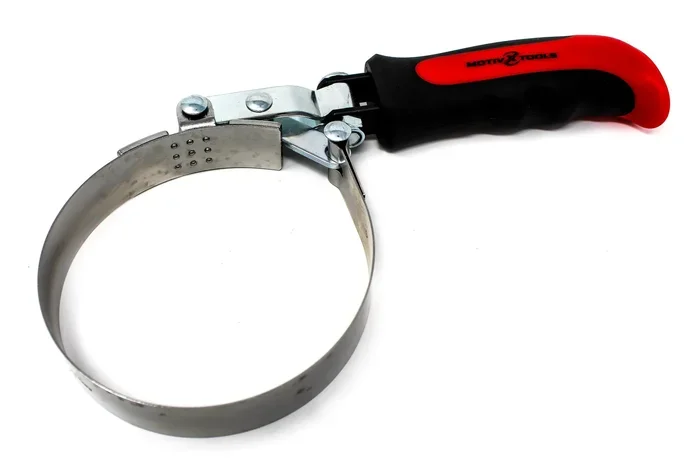
- An oil filter wrench
- A socket wrench and the correct socket
- A drain pan to catch the old oil
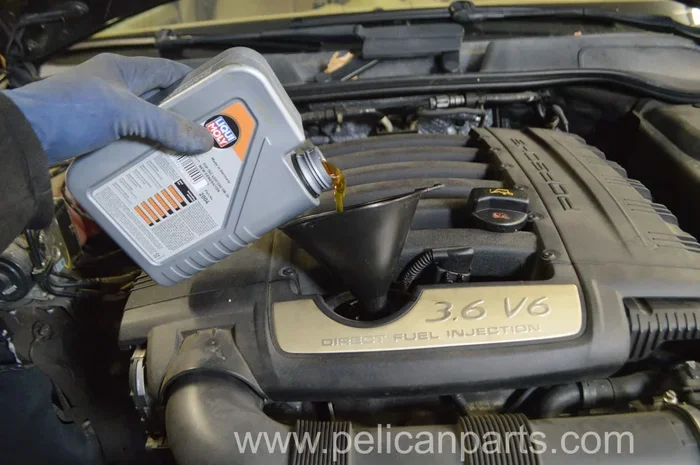
- A funnel for pouring in new oil
- Clean rags or paper towels
- A jack and jack stands or ramps (if needed to access the drain plug)
- Disposable gloves and safety glasses
Step-by-Step Oil Change Guide
Follow these steps carefully to change your V6 engine oil safely and effectively.
- Warm up the engine for 2 to 3 minutes. This loosens the old oil so it drains out more easily. Do not let the engine get too hot, or you risk burns.
- Lift the vehicle safely. Use a jack and jack stands or drive onto ramps. Never work under a car supported only by a jack.
- Locate the oil drain plug. It is usually at the bottom of the oil pan. Place your drain pan directly underneath.
- Remove the drain plug with your socket wrench. Let the old oil drain completely. This takes about 10 to 15 minutes.
- Replace the drain plug washer and reinstall the plug. Tighten it snugly but do not overtighten, or you can strip the threads.
- Locate the oil filter. Use your oil filter wrench to remove the old filter. Be careful, as it may still contain oil.
- Prepare the new oil filter. Apply a thin layer of fresh oil to the rubber gasket on the new filter. This ensures a proper seal.
- Install the new oil filter by hand. Tighten it until it is snug, then give it about three-quarter turns. Do not overtighten.
- Pour in the new oil using a funnel. Add about three-quarters of your total oil capacity first. You will add the rest after checking the level.
- Start the engine and let it run for 30 seconds. Then turn it off and wait a few minutes for the oil to settle.
- Check the oil level with the dipstick. Add more oil if needed until the level is between the two marks.
- Check for leaks. Look under the car around the drain plug and oil filter. If you see any drips, tighten the connections slightly.
Proper engine maintenance like regular oil changes keeps your V6 engine running strong for hundreds of thousands of miles. It is one of the simplest and most impactful things you can do for your vehicle.
Common Oil Capacity Mistakes to Avoid
Even experienced car owners make mistakes when it comes to oil. Avoiding these common errors helps protect your engine and keeps your oil change schedule on track.
Overfilling the Engine
One of the most common mistakes is adding too much oil. Overfilling causes the oil to foam, which reduces its ability to lubricate properly. Excess oil can also get into the combustion chamber and cause blue smoke from your exhaust. Always add oil gradually and check the dipstick frequently during the process.
If you are concerned about weight limits and how much your car can safely carry, you might find it helpful to read about how much weight you can put in your car. Understanding your vehicle’s limits applies to more than just cargo, it also relates to fluid capacities and overall vehicle health.
Using the Wrong Oil Filter
Not all oil filters are the same. Using a filter that does not fit your V6 engine properly can lead to leaks or poor filtration. Always use the filter recommended by your vehicle manufacturer. You can find the correct part number in your owner’s manual or by asking at your local auto parts store.
Skipping Oil Changes
It is tempting to push off an oil change, especially when your schedule is busy. But skipping oil changes is one of the fastest ways to damage your engine. Old oil breaks down and loses its lubricating properties. This leads to increased friction, heat buildup, and eventually engine wear. Set a reminder on your phone or use a car maintenance app to stay on top of your oil change schedule.
Ignoring Oil Leaks
If you notice oil spots under your car or a drop in your oil level between changes, do not ignore it. Oil leaks can start small but quickly become serious. A small leak today can turn into a major engine problem tomorrow. Have any leaks inspected by a professional as soon as possible.
Expert Tips for V6 Engine Oil Maintenance
Here are some pro tips that will help you get the most out of your V6 engine oil and keep your engine in top shape.
Keep a Maintenance Log
Write down every oil change, including the date, mileage, oil type, and amount used. This record helps you track your engine maintenance history and makes it easier to spot patterns or potential issues. A simple notebook or a spreadsheet works great for this.
Monitor Your Oil Between Changes
Do not wait until your next scheduled oil change to check your oil. Make it a habit to check it once a month. If you notice the level dropping quickly, it could indicate a leak or excessive oil consumption. Catching these issues early saves you money and protects your engine.
Recycle Your Old Oil Properly
Used engine oil is hazardous waste and should never be poured down the drain or thrown in the trash. Most auto parts stores and service centers accept used oil for recycling. Some even offer free collection containers. Recycling old oil is an easy way to be environmentally responsible.
Consider Your Driving Habits
How you drive affects how often you need to change your oil. If you frequently drive in stop-and-go traffic, tow heavy loads, or drive in extreme temperatures, you may need to change your oil more often than the standard recommendation. These are called “severe driving conditions” and they put extra stress on your engine.
Want to learn more about keeping your car running at its best? Understanding the basics of engine oil capacity and maintenance gives you confidence as a car owner. It also helps you communicate more effectively with your mechanic. And if you are interested in how technology is changing car maintenance, check out whether you can download an app to start your car and explore how modern tools can complement your maintenance routine.
Conclusion
Knowing how many quarts of oil your V6 engine holds is one of the most important pieces of knowledge any car owner can have. Most V6 engines need between 4 and 6 quarts, but always confirm the exact number for your specific vehicle. Use your owner’s manual as your primary guide, and never guess when it comes to engine oil capacity.
Changing your oil regularly and using the right type of oil keeps your V6 engine running strong for years to come. Whether you do it yourself or visit a mechanic, staying on top of your oil change schedule is one of the best investments you can make in your vehicle. Follow the tips in this guide, avoid common mistakes, and your V6 engine will reward you with reliable performance mile after mile.
Take a few minutes today to check your owner’s manual and find your exact oil capacity. Your engine will thank you for it. And remember, proper engine maintenance starts with the basics, and knowing your oil capacity is the perfect place to start.
Frequently Asked Questions
How do I find the exact oil capacity for my V6 engine?
The best way is to check your vehicle’s owner manual. Look for the “Lubrication” or “Capacities” section. It will list the exact number of quarts your engine holds, both with and without the oil filter. You can also check the manufacturer’s website or call your local dealership for confirmation.
Can I use a different oil type than what my V6 engine recommends?
It is strongly recommended to use the oil type and viscosity specified by your manufacturer. Switching to a different oil without professional advice can affect engine performance and potentially void your warranty. If you are unsure, consult a trusted mechanic before making any changes.
How often should I change the oil in my V6 engine?
Most manufacturers recommend changing V6 engine oil every 5,000 to 7,500 miles for conventional oil and every 7,500 to 10,000 miles for synthetic oil. However, always follow the specific interval listed in your owner’s manual. Driving in severe conditions may require more frequent changes.
What happens if I overfill my V6 engine with oil?
Overfilling causes the oil to foam, which reduces its lubricating ability. Excess oil can enter the combustion chamber, causing blue smoke, reduced fuel economy, and potential engine damage. If you overfill, drain the excess oil carefully until the level is correct on the dipstick.
Do I need to change the oil filter every time I change the oil?
Yes, you should always replace the oil filter with every oil change. The old filter contains contaminants and used oil that can contaminate your fresh oil. A new filter ensures proper filtration and helps your new oil last longer.
Is synthetic oil worth the extra cost for my V6 engine?
Synthetic oil offers superior protection, better performance in extreme temperatures, and longer intervals between changes. While it costs more upfront, it can save you money over time by reducing engine wear and extending the time between oil changes. It is especially beneficial for high-performance V6 engines.