What Is the Most Popular Car Color and Why It Matters
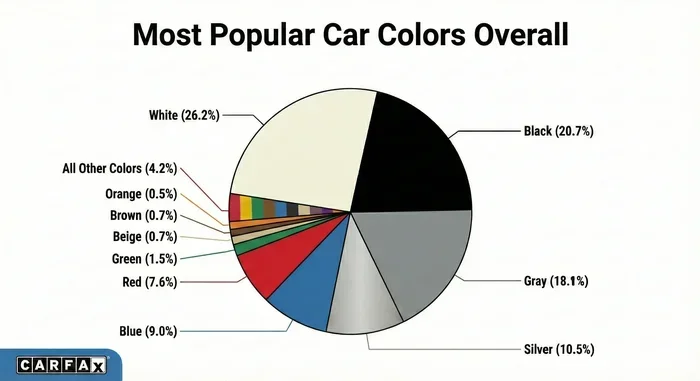
White is the most popular car color in the world, dominating global sales year after year. Understanding car color trends helps you make smarter choices about vehicle color choice, resale value, and even safety. This guide covers why car color popularity shifts, how it affects your wallet, and what the future holds for automotive paint colors.
Have you ever walked through a parking lot and noticed that most cars look the same? That is no accident. The most popular car color has been consistent for years, and it shapes the way we buy, sell, and even perceive vehicles on the road.
Choosing a car color might seem like a purely personal decision. But there is more to it than just picking something that looks good. Your color choice affects resale value, vehicle maintenance, safety on the road, and even how much attention your car attracts. Whether you are buying a new sedan or a used SUV, understanding car color trends gives you an edge.
This article breaks down everything you need to know about the most popular car color worldwide. We will explore the data, the reasons behind the trends, and how to pick the right shade for your lifestyle. Let us dive in.
Key Takeaways
- White dominates globally: It has been the most popular car color for over a decade across most major markets.
- Color affects resale value: Neutral colors like white, black, and silver tend to hold value better than bold or niche shades.
- Safety plays a role: Lighter car colors are more visible on the road, which can reduce accident risk.
- Regional preferences vary: Silver leads in some countries while white reigns in others, showing how climate and culture influence choice.
- Trends are shifting: Matte finishes, matte black, and two-tone designs are gaining popularity among younger buyers.
- Maintenance matters: Some colors show dirt and scratches more easily than others, affecting long-term care effort.
- The future is bold: Eco-friendly paints and custom finishes are reshaping what drivers choose for their next vehicle.
📑 Table of Contents
- The Most Popular Car Color Worldwide
- Car Color Trends Over the Years
- Why Car Color Matters More Than You Think
- Comparing the Top Car Colors
- How to Choose the Right Car Color for You
- The Future of Car Color Trends
- Common Mistakes People Make When Choosing a Car Color
- Expert Insights on Car Color Selection
- Key Takeaways
- Conclusion
The Most Popular Car Color Worldwide
If you had to guess the most popular car color globally, what would you say? Most people guess black or red. But the answer might surprise you. White has held the top spot for more than a decade, and it shows no signs of slowing down.
White Dominates the Charts
According to major automotive paint suppliers like Axalta and PPG, white consistently ranks as the most popular car color worldwide. In North America, Europe, Asia, and most other regions, white vehicles make up the largest share of sales. Some years, white accounts for nearly 40 percent of all cars produced globally.
Why is this the case? Several factors come into play:
- Clean appearance: White cars look fresh and well-maintained longer than darker shades.
- Heat reflection: In hot climates, white reflects sunlight, keeping the interior cooler.
- Easy to match: White paint is simpler to touch up or match during repairs.
- Broad appeal: White suits almost every car type, from compact sedans to large trucks.
- Resale friendliness: Neutral buyers tend to prefer white, making it easier to sell later.
The numbers back this up. Every year, industry reports confirm that white leads the global car color market share. It is not just a trend. It is a long-term preference driven by practicality and aesthetics.
Why White Leads the Pack
Beyond the practical benefits, white has a psychological edge. Studies on color psychology in cars suggest that white evokes feelings of cleanliness, simplicity, and modernity. Automakers know this, which is why many base models come in white as the default option.
White also photographs well. In the age of social media and online car listings, a clean white car looks great in photos. This small detail actually influences buying decisions more than most people realize.
Car Color Trends Over the Years
The history of car color popularity is fascinating. What was popular in the 1970s is very different from what dominates today. Let us take a quick look at how vehicle color preferences have evolved.
How Preferences Have Shifted
In the mid-20th century, black and dark blue cars ruled the roads. Cars were seen as luxury items, and dark colors reflected that status. By the 1980s and 1990s, earth tones and metallics gained popularity. Silver and beige became household favorites.
Then came the 2000s. As manufacturing technology improved, automakers offered more paint options than ever. White surged in popularity, especially in growing markets like China and India. Today, the global car color demand landscape looks like this:
- White: The undisputed leader in most markets.
- Black: A close second, especially for premium and luxury vehicles.
- Gray: Gaining ground steadily, particularly in Europe.
- Silver: Still popular in certain regions but declining overall.
- Blue and Red: Popular for sporty and compact models.
- Green and Yellow: Niche choices, mostly for electric vehicles.
These shifts show how car color statistics change with culture, economy, and technology. What feels timeless today might feel dated in another decade.
The Rise and Fall of Colors
Some colors rise and fall quickly. Silver, for example, was the most common car color in many countries during the 2000s. Today, it has dropped significantly. Gray has taken much of its place, especially among buyers who want something subtle but different from white.
Bold colors like red and yellow have always had a smaller share of the market. But they spike during certain eras. Think about how red cars surged in popularity during muscle car decades. Today, electric vehicle brands like Tesla and Rivian are pushing green and blue into the mainstream, slowly shifting automotive paint color trends.
Why Car Color Matters More Than You Think
You might think car color is just cosmetic. But it has real-world implications. From car resale value to safety, the color you choose affects your experience as a car owner in ways you might not expect.
Resale Value and Color
If you plan to sell or trade in your car someday, color matters. Neutral colors like white, black, and silver tend to hold their value better than unusual shades. Why? Because they appeal to the broadest range of buyers.
Here is a simple breakdown of how car color affects resale value:
- White cars: Easy to sell. Broad appeal across age groups and regions.
- Black cars: Premium feel. Popular for luxury models but shows dirt easily.
- Gray cars: Increasingly popular. A safe choice for resale.
- Red and blue cars: Fun but may limit your buyer pool.
- Bright or custom colors: Harder to sell. Niche appeal only.
Choosing a popular car paint color does not guarantee a high resale price. Condition, mileage, and maintenance matter more. But color is the first thing buyers notice, and a neutral shade removes one potential obstacle.
Color Psychology in Cars
Color psychology plays a bigger role in car buying than most people think. Studies show that drivers associate certain colors with specific traits:
- White: Clean, modern, trustworthy.
- Black: Sophisticated, powerful, premium.
- Silver: Tech-forward, futuristic, calm.
- Red: Energetic, bold, attention-grabbing.
- Blue: Calm, reliable, trustworthy.
- Green: Eco-friendly, natural, fresh.
Automakers use these associations when designing models. A family SUV often comes in white or beige. A sports car leans toward red or black. Understanding car color meaning helps you pick a shade that matches your personality and how you want to be perceived.
Safety and Visibility
Here is something many people overlook. Car color affects safety. Lighter colors like white and silver are more visible on the road, especially at night or in poor weather. Studies have shown that white cars are involved in fewer daytime accidents compared to darker vehicles.
This does not mean you should avoid black or red cars. But it is worth knowing that visibility plays a role in road safety. If you live in an area with heavy fog or rain, a lighter vehicle exterior color might be the smarter choice.
Comparing the Top Car Colors
Let us look at how the top car paint popularity choices stack up against each other. Each color has strengths and weaknesses. The best choice depends on your priorities.
White vs Black vs Silver vs Gray
The four most common car color options are white, black, silver, and gray. Here is how they compare:
| Factor | White | Black | Silver | Gray |
|---|---|---|---|---|
| Global Popularity | #1 | #2 | #3-4 | #3-4 |
| Heat Reflection | Excellent | Poor | Good | Good |
| Dirt Visibility | Low | High | Medium | Medium |
| Scratch Visibility | Low | High | Medium | Medium |
| Resale Appeal | Very High | High | Good | Growing |
| Maintenance Effort | Low | High | Medium | Medium |
| Modern Aesthetic | Clean | Premium | Futuristic | Sophisticated |
As you can see, each color has trade-offs. White wins on popularity and maintenance ease. Black wins on premium appeal but demands more care. Silver and gray sit in the middle, offering balanced advantages.
Which Color Is Best for You?
Your lifestyle should guide your vehicle color choice. Here are some quick scenarios:
- Hot climate: Go with white or silver. They keep the car cooler.
- Family car: White is practical and hides minor dirt well.
- Luxury feel: Black gives a premium look, but be ready for more cleaning.
- Urban driving: Gray blends well and hides city grime.
- Resale focus: Stick with white or silver for the broadest buyer appeal.
There is no single best car color. The right choice depends on your priorities, environment, and personal taste.
How to Choose the Right Car Color for You
With so many options available, picking a color can feel overwhelming. Here are some practical steps to help you decide.
Factors to Consider
Before you commit to a shade, think about these factors:
- Climate: Hot sunny areas favor lighter colors. Cooler regions give you more freedom.
- Usage: Daily commuter cars benefit from low-maintenance colors like white or gray.
- Personal style: Do you prefer classic and clean, or bold and eye-catching?
- Budget: Some specialty colors cost extra. Standard colors are usually included.
- Long-term plans: If you keep cars for years, a neutral shade saves headaches.
Quick Tips for Picking Your Color
Still not sure? Try these tips:
- Look at the car in different lighting. Colors change dramatically in sunlight versus shade.
- Check how the color looks on similar models. A white sedan and a white truck look very different.
- Ask the dealer about available finishes. Matte, satin, and metallic options change the look significantly.
- Consider how the color pairs with your lifestyle. A muddy off-road vehicle looks better in gray than white.
- Think about resale. If you plan to trade in within five years, stick with neutral automotive paint colors.
These small steps make a big difference. The right color is one you will still love five years from now.
The Future of Car Color Trends
What will the most popular car color be in five or ten years? The automotive industry is evolving fast, and color trends are shifting along with it.
Emerging Colors and Technologies
Several trends are shaping the future of car color popularity:
- Matte finishes: Matte black and matte gray are gaining traction, especially among younger buyers and custom car enthusiasts.
- Two-tone designs: Manufacturers are offering split-color options that let buyers customize their look without going full bold.
- Eco-friendly paints: Water-based and low-VOC paints are becoming standard, appealing to environmentally conscious buyers.
- Chromatic and color-shifting paints: These futuristic finishes are making their way into concept cars and limited editions.
- Electric vehicle colors: Green, blue, and unique metallics are trending among EV buyers who want their car to reflect their values.
While white will likely remain the most popular car color for years to come, these emerging trends show that drivers are becoming more adventurous with their choices. The era of one-size-fits-all car colors is slowly fading.
What This Means for Buyers
If you are shopping for a new car right now, you have more options than ever. You do not have to settle for white just because it is the safest choice. You can find a shade that fits your personality while still maintaining strong car resale value.
The key is balance. Pick a color you love, but also consider long-term practicality. A bold color that you adore will bring you joy every time you walk to your car in the parking lot. That emotional connection matters more than any statistic.
At the same time, do not underestimate the power of neutral shades. White, black, gray, and silver have stood the test of time for good reason. They work, they sell well, and they age gracefully.
Common Mistakes People Make When Choosing a Car Color
Even experienced car buyers make mistakes with color selection. Here are the most common ones to avoid:
- Picking based on one photo: Online images often have color filters. Always see the car in person before deciding.
- Ignoring climate: A black car in Arizona will be an oven in summer. Think about where you live.
- Following trends blindly: That trendy matte finish might not age well. Consider timeless options alongside bold choices.
- Overlooking maintenance costs: Darker colors and specialty finishes often require more frequent washing and detailing.
- Choosing for others: Pick a color you love, not one your neighbor would prefer. You are the one driving it every day.
Avoiding these mistakes helps you make a confident, informed decision. The right car color should feel like a natural extension of who you are.
Expert Insights on Car Color Selection
We spoke with automotive color experts to get their take on car color trends for the coming years. Here is what they had to say:
“White remains the safest bet for most buyers,” says a senior color designer at a major automaker. “But we are seeing a shift toward more personalized finishes. Buyers want their cars to stand out without being too extreme.”
Another expert in automotive paint technology added that water-based and ceramic coatings are changing the game. “These finishes not only look better but also protect the car longer. Buyers are starting to see color as an investment, not just a preference.”
These insights reinforce a simple truth: the most popular car color is the one that fits your life best. Trends come and go, but personal satisfaction lasts forever.
Key Takeaways
- White is the most popular car color worldwide: It leads in nearly every major market due to practicality, aesthetics, and broad appeal.
- Car color affects resale value: Neutral shades like white, black, and gray tend to sell faster and hold value better than bold colors.
- Safety and visibility matter: Lighter colors are more visible on the road, which can reduce accident risk in certain conditions.
- Regional preferences exist: Silver leads in some countries while white dominates others, shaped by climate, culture, and local trends.
- Maintenance effort varies by color: Darker shades show dirt and scratches more easily, requiring more frequent care.
- Emerging trends are expanding options: Matte finishes, two-tone designs, and eco-friendly paints are giving buyers more choices than ever.
- Personal preference matters most: The best car color is the one you love and that fits your lifestyle and environment.
Conclusion
The most popular car color in the world is white, and for good reason. It is practical, visually appealing, and holds its value over time. But popularity does not mean it is the right choice for everyone. Your ideal car color depends on your climate, lifestyle, budget, and personal taste.
Car color trends are always evolving, but the fundamentals remain the same. Choose a shade that makes you happy, suits your daily needs, and aligns with your long-term plans. Whether you go with the safe bet of white or a bold statement color, the right choice is the one that feels right to you.
Next time you are in the market for a car, do not rush the color decision. Take your time. Look at the options in different lights. Think about how it will look in five years. The most popular car color is a great starting point, but your perfect color is the one that matches your life.
So go ahead. Explore your options. Find the shade that makes you smile every time you turn the key. That is what car color choice is really all about.
Frequently Asked Questions
What is the most popular car color in 2024?
White remains the most popular car color globally in 2024, continuing its streak of leading global vehicle sales for over a decade. Industry reports from major paint suppliers consistently show white at the top of car color statistics across most regions.
Does car color really affect resale value?
Yes, car color does affect resale value. Neutral colors like white, black, and gray tend to sell faster and hold their value better than bold or unusual shades. The most common car color options appeal to the broadest range of buyers, which helps when it is time to sell.
Is black or white better for hot climates?
White is better for hot climates because it reflects sunlight and keeps the interior cooler. Black absorbs heat, making the car significantly warmer in sunny conditions. If you live in a hot area, lighter vehicle exterior colors like white or silver are the smarter choice.
What are the safest car colors for visibility?
Lighter colors like white, silver, and light gray are the safest for visibility. Studies show that white cars are more visible on the road, especially at dawn, dusk, and in poor weather conditions. This increased visibility can help reduce accident risk.
Are matte car finishes more expensive?
Yes, matte finishes typically cost more than standard metallic or solid paints. They require special application techniques and often cost more to repair or touch up. However, matte finishes like matte black are gaining popularity and are worth the extra cost for many buyers who want a unique look.
What car colors are trending for electric vehicles?
Electric vehicles are trending toward bold and eco-conscious colors like green, blue, and unique metallics. Brands are also offering special two-tone and chromatic finishes that set EVs apart from traditional vehicles. These automotive paint colors reflect the innovative and forward-thinking nature of the EV market.
=== CONCLUSION ===
The most popular car color tells us a lot about what drivers value: practicality, simplicity, and broad appeal. White has earned its top spot through decades of consistent preference, and it shows no sign of losing its crown anytime soon. But the world of car color trends is expanding, with new finishes, bolder choices, and eco-friendly options reshaping what drivers expect from their vehicles.
Whether you choose white, black, gray, or something completely different, the key is to make an informed decision. Consider your climate, your lifestyle, your budget, and your long-term plans. The right car color is not just about following the crowd. It is about finding a shade that works for you and makes you happy every time you get behind the wheel.