What Did the GR86 Used to Be Called Before Its Name Changed
The GR86 used to be called the Toyota 86, the Scion FR-S, and the Toyota GT86 in different markets around the world. This affordable sports car has a rich automotive history that spans over a decade of name changes and rebranding. If you have ever wondered what the GR86 was called before, you are about to get the full story.
If you are a car enthusiast who has been following the Toyota GR86, you might have noticed something interesting. The car did not always go by that name. In fact, it has had several different names over the years. From the Toyota 86 to the Scion FR-S, this affordable sports car has quite a story to tell. So what did the GR86 used to be called? Let us dive right in.
The GR86 is a rear-wheel drive coupe that has won the hearts of driving fans around the world. But before it became the GR86, it went through a few identity changes. Each name tells a part of the story about how Toyota approached the affordable sports car market. Understanding this history helps you appreciate the car even more. Whether you are a longtime fan or just getting into JDM cars, this guide covers everything you need to know.
Key Takeaways
- The GR86 was originally called the Toyota 86: The car launched in 2012 under the Toyota 86 name in most global markets.
- In North America it was the Scion FR-S: Toyota sold the car through its Scion brand from 2012 to 2016.
- The Toyota GT86 was the European name: Many markets in Europe and Asia knew the car as the Toyota GT86.
- The name changed when Scion was discontinued: Toyota folded Scion into its main brand in 2016, leading to the Toyota 86 name.
- The GR86 arrived in 2022 as the successor: Toyota launched the GR86 as part of its GR performance lineup.
- The car shares its platform with the Subaru BRZ: Both cars are built on the same rear-wheel drive sports car architecture.
- The name change reflects Toyota’s GR strategy: GR stands for Gazoo Racing, Toyota’s motorsport and performance division.
📑 Table of Contents
- The Toyota 86: The Original Name
- Scion FR-S: The American Version
- The Toyota GT86: The European Name
- Why Toyota Changed the Name to GR86
- How the GR86 Differs from Its Predecessors
- The Legacy of the GR86’s Previous Names
- Quick Tips for GR86 Buyers
- Common Mistakes People Make When Buying a GR86
- Expert Insights on the GR86 Name Change
- Key Takeaways
The Toyota 86: The Original Name
The Toyota 86 was the very first name this car carried. It launched in 2012 as a joint project between Toyota and Subaru. The goal was simple. Create a lightweight, rear-wheel drive sports car that was fun to drive and easy on the wallet. The name “86” came from the Toyota Corolla Levin AE86, a legendary JDM car from the 1980s. Toyota wanted to honor that heritage.
Why the Name Toyota 86?
The number 86 has deep roots in Toyota’s automotive history. The AE86 Corolla Levin was a lightweight drift car that became famous through the anime and manga series Initial D. By naming the new car the 86, Toyota was paying homage to that legacy. It also signaled that this was an affordable sports car meant for everyday driving enjoyment, not just track days.
The Toyota 86 came with a boxer engine from Subaru. This flat-four engine was mounted low and behind the front wheels. It helped keep the center of gravity down, which made the car handle beautifully. The car was available with either a manual transmission or an automatic. Most car enthusiasts preferred the manual for the purest driving experience.
Key Features of the Toyota 86
- 2.0-liter flat-four boxer engine producing around 200 horsepower
- Rear-wheel drive layout for balanced handling
- Lightweight body weighing around 2,700 pounds
- Manual transmission as the preferred option for enthusiasts
- Low starting price making it one of the most affordable sports cars on the market
- Slim, sleek coupe design with a sporty stance
The Toyota 86 was a hit in Japan, Europe, and Australia. It gave drivers a sports car that was genuinely fun to drift and carve through corners. But in North America, things were about to get a different name.
Scion FR-S: The American Version
In the United States and Canada, the Toyota 86 did not go by that name. Instead, it was sold as the Scion FR-S. Scion was Toyota’s youth-focused brand that launched in 2003. The idea was to attract younger buyers who wanted affordable, stylish cars with a bit of edge. The FR-S fit perfectly into that strategy.
What Does FR-S Stand For?
The name FR-S stands for Front-engine, Rear-wheel drive, Sportscar. It is a simple but effective way to describe the car’s layout and purpose. The Scion FR-S shared everything with the Toyota 86 under the skin. Same boxer engine, same rear-wheel drive platform, same driving feel. The differences were mostly cosmetic.
Scion added its own front bumper, side skirts, and rear diffuser to the FR-S. These tweaks gave it a slightly more aggressive look compared to the standard Toyota 86. Inside, the car was stripped down and focused on the driver. The seats were supportive, the steering felt tight, and everything was designed for performance driving.
The Scion FR-S Years
The Scion FR-S was sold from 2012 to 2016. During those years, it became a favorite among car enthusiasts in North America. It was a common sight at drift car events and car meets. The car’s manual transmission and rear-wheel drive layout made it a natural choice for people who loved to drive.
However, the Scion brand did not last forever. By 2016, Toyota decided to fold Scion back into its main brand. This meant the FR-S needed a new name. The car was rebranded as the Toyota 86 in North America, bringing it back in line with the global naming scheme.
The Toyota GT86: The European Name
In many parts of the world, the car was never called the Toyota 86 or the Scion FR-S. In Europe, the Middle East, and parts of Asia, it was known as the Toyota GT86. The GT stands for Grand Touring, which tells you a lot about what Toyota intended this car to be. A sporty coupe that could handle long road trips and spirited weekend drives alike.
How the GT86 Differed
The Toyota GT86 was mechanically identical to the 86 and FR-S. Same engine, same drivetrain, same manual transmission options. The differences were mostly in trim levels and available packages. In some markets, Toyota offered special editions with upgraded sport suspension, different wheels, and unique interior trim.
The GT86 name was popular in Europe because it sounded more premium. The “GT” prefix gave it a sense of sophistication that matched European buyers’ expectations. It also helped distinguish the car from other affordable sports cars in the same segment.
Comparing the Names Across Markets
| Market | Name | Years |
|---|---|---|
| Japan, Australia, Global | Toyota 86 | 2012-present |
| North America | Scion FR-S | 2012-2016 |
| North America (post-Scion) | Toyota 86 | 2017-2020 |
| Europe, Middle East, Asia | Toyota GT86 | 2012-2020 |
| Global (new generation) | Toyota GR86 | 2022-present |
As you can see, the car had quite a few names depending on where you lived. But they all referred to the same wonderful rear-wheel drive sports car. The name change from Scion FR-S to Toyota 86 was a big moment for North American fans. It brought the car back into the Toyota family.
Why Toyota Changed the Name to GR86
The biggest name change came in 2022 when Toyota launched the second-generation model as the GR86. This was not just a new name. It represented a complete shift in how Toyota positioned this affordable sports car. The “GR” stands for Gazoo Racing, Toyota’s performance division that is deeply involved in motorsport and JDM cars.
The GR Brand Strategy
Toyota created the GR brand to organize its performance lineup. The GR Supra, GR86, GR Corolla, and GR Yaris all carry the GR badge. This strategy helped Toyota build a clear identity around its sports cars and performance vehicles. The GR86 sits below the GR Supra in the lineup, but it is no less important. It is the entry point into Toyota’s performance world.
By calling the car the GR86, Toyota was making a statement. This was not just a rear-wheel drive coupe for casual driving. It was a proper performance car with drift car DNA and motorsport pedigree. The GR badge promised a more engaging, more driver-focused experience.
What Changed Under the Skin?
The GR86 received several upgrades compared to its predecessors. The boxer engine was tuned for more power, producing around 228 horsepower. The sport suspension was recalibrated for sharper handling. The car also got a more aggressive exterior design with larger air intakes and a more sculpted body. Inside, the manual transmission shifter felt more precise, and the seats offered better lateral support.
Toyota also worked closely with Subaru on the second generation. The Subaru BRZ is the twin of the GR86, sharing the same platform and drivetrain. Together, these two sports cars continue to offer an affordable rear-wheel drive experience that is rare in today’s market.
How the GR86 Differs from Its Predecessors
While the GR86 carries the spirit of the Toyota 86, Scion FR-S, and Toyota GT86, it is not just a rebadge. There are real differences that set the new GR86 apart. Let us break down the key differences.
Engine and Performance
The GR86 has a slightly more powerful engine than the previous models. The boxer engine now produces 228 horsepower compared to 200 in the first generation. This might not sound like a huge jump, but it makes a noticeable difference on the road. The car feels more responsive and eager to rev. The manual transmission has shorter throws and a more mechanical feel.
Design and Styling
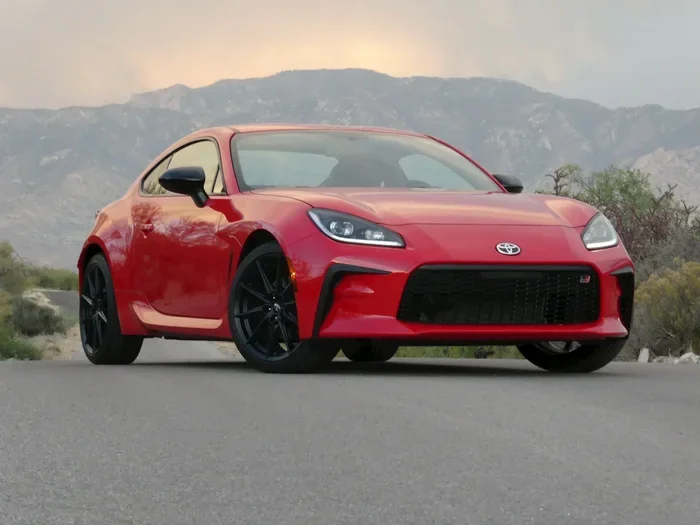
The GR86 looks more aggressive than the old Toyota 86 or Scion FR-S. The front end features a larger grille and sharper headlights. The body lines are more sculpted, giving the car a more muscular appearance. The rear has a wider stance and a more pronounced diffuser. Overall, the GR86 looks like a car that means business.
Technology and Features
Inside, the GR86 has a more modern infotainment system with a larger touchscreen. It supports Apple CarPlay and Android Auto, which the older models lacked. The driver assistance features have also been improved. However, Toyota kept the car focused on the driving experience. The interior is not about luxury. It is about keeping the driver connected to the road.
Comparison: GR86 vs. Previous Generations
| Feature | Toyota 86 / Scion FR-S | Toyota GR86 |
|---|---|---|
| Engine Power | 200 horsepower | 228 horsepower |
| Engine Type | 2.0L flat-four boxer | 2.0L flat-four boxer (tuned) |
| Transmission | 6-speed manual or automatic | 6-speed manual or automatic |
| Drivetrain | Rear-wheel drive | Rear-wheel drive |
| Weight | ~2,700 lbs | ~2,800 lbs |
| 0-60 mph | ~6.2 seconds | ~5.8 seconds |
| Infotainment | Basic system | 9-inch touchscreen with CarPlay |
| Suspension | Standard sport setup | Recalibrated sport suspension |
| Starting Price | ~$25,000 (at launch) | ~$29,000 (at launch) |
As you can see, the GR86 is a refined evolution of what came before. It keeps the core values of the original car. Lightweight, rear-wheel drive, fun to drive. But it adds more power, better technology, and a more premium feel.
The Legacy of the GR86’s Previous Names
The Toyota 86, Scion FR-S, and Toyota GT86 all left their mark on the automotive history of affordable sports cars. Each name represented a different era and a different approach to the performance car market. Together, they tell the story of how Toyota evolved its rear-wheel drive coupe from a niche JDM car into a global performance icon.
Today, the GR86 stands on the shoulders of all those previous names. It honors the AE86 heritage. It carries the drift car DNA that made the original so popular. And it represents Toyota’s commitment to keeping affordable, fun-to-drive sports cars alive in an era of SUVs and performance sedans.
If you are thinking about buying one, it does not matter what name it used to go by. What matters is the experience. The GR86 delivers that experience in spades. It is a sports car that rewards skilled drivers, invites JDM car culture into your garage, and reminds you why rear-wheel drive cars are so special.
Quick Tips for GR86 Buyers
- Go for the manual transmission if you want the purest driving experience. The GR86 manual is one of the best in the sports car segment.
- Check for the Subaru BRZ twin before buying. Both cars share the same platform, so test drive both to see which one feels right for you.
- Look for the Performance Package if available. It often includes upgraded sport suspension, Brembo brakes, and a mechanical limited-slip differential.
- Join online forums and communities. The GR86 and Toyota 86 community is passionate and full of helpful tips for new owners.
- Consider insurance costs before buying. Sports cars can have higher premiums, so get quotes early in the process.
Common Mistakes People Make When Buying a GR86
- Skipping the test drive. The GR86 is a driver’s car. You need to feel it on the road before committing.
- Ignoring the Subaru BRZ. These twins share a platform, but they feel different. Comparing them side by side is essential.
- Overlooking maintenance costs. Even affordable sports cars need regular care. Budget for oil changes, tires, and brake pads.
- Not researching the previous names. Understanding the automotive history helps you appreciate what you are buying and avoid confusion when shopping for used models.
- Buying without a clear purpose. Decide if you want a daily driver, a weekend toy, or a drift car. This affects which trim and options make sense.
Expert Insights on the GR86 Name Change
According to automotive analysts, the name change from Scion FR-S to Toyota GR86 was a smart move. It aligned the car with Toyota’s broader performance strategy. The GR brand gives the car more credibility in the sports car market. It also connects the GR86 to Toyota’s motorsport success, which adds emotional value for buyers.
Car reviewers consistently praise the GR86 for keeping things simple. In a world of complicated performance sedans and turbocharged performance cars, the GR86 stays true to its roots. It is a naturally aspirated rear-wheel drive coupe with a manual transmission and a boxer engine. That combination is becoming increasingly rare, which makes the GR86 even more special.
For car enthusiasts who grew up with the Scion FR-S or Toyota 86, the GR86 represents a full-circle moment. Toyota took the lessons learned from the first generation and refined them into something even better. The GR86 is not just a new name. It is a new chapter in the story of one of the best affordable sports cars ever made.
Key Takeaways
- The GR86 used to be called the Toyota 86: The original name launched in 2012 and was used globally except in North America and Europe.
- The Scion FR-S was the North American name: Toyota sold the car through its Scion brand from 2012 to 2016 before reverting to the Toyota 86 name.
- The Toyota GT86 was the European name: Many markets outside Japan and North America knew the car as the GT86.
- The GR86 launched in 2022 as part of Toyota’s GR lineup: The GR stands for Gazoo Racing, Toyota’s performance and motorsport division.
- The GR86 shares its platform with the Subaru BRZ: Both are rear-wheel drive coupe models built on the same architecture.
- The GR86 has more power and better technology: Compared to its predecessors, the new GR86 offers a refined driving experience with modern features.
- The name change reflects Toyota’s commitment to sports cars: The GR badge signals a performance-focused identity that honors the car’s JDM heritage.
Frequently Asked Questions
What was the GR86 called before it was renamed?
The GR86 was previously called the Toyota 86 in most global markets, the Scion FR-S in North America from 2012 to 2016, and the Toyota GT86 in Europe and parts of Asia. Each name represented the same core rear-wheel drive sports car with a boxer engine and manual transmission options.
Why did Toyota change the name from Scion FR-S to GR86?
Toyota discontinued the Scion brand in 2016 and folded it back into the main Toyota lineup. The car was renamed Toyota 86 in North America. Then in 2022, Toyota launched the second-generation model as the GR86 to align it with the Gazoo Racing performance brand and signal its place in Toyota’s motorsport and performance car strategy.
Is the GR86 the same car as the Toyota 86?
Yes and no. The GR86 is the direct successor to the Toyota 86 and Scion FR-S. It shares the same rear-wheel drive layout and boxer engine concept, but it has been updated with more power, better technology, a more refined sport suspension, and a more aggressive design. It is an evolution, not a completely different car.
What does GR stand for in GR86?
GR stands for Gazoo Racing, which is Toyota’s performance division and motorsport brand. The GR badge appears on Toyota’s most performance-oriented vehicles, including the GR Supra, GR Corolla, GR Yaris, and of course, the GR86. It signals that the car is built with racing DNA and a focus on driver engagement.
How does the GR86 compare to the Subaru BRZ?
The GR86 and the Subaru BRZ are twin sports cars built on the same platform. They share the same boxer engine, rear-wheel drive layout, and overall dimensions. The differences are mostly in branding, styling details, and minor tuning variations. Both are excellent affordable sports cars for enthusiasts who love to drive.
Can you still find a Scion FR-S for sale today?
Yes, you can find used Scion FR-S models on the used car market. Since the car was produced from 2012 to 2016, there are plenty of examples available. The Scion FR-S holds its value well among JDM cars and sports car enthusiasts. Just make sure to get a thorough inspection before buying a used model.
=== CONCLUSION ===
The GR86 has been through a lot of names. From the Toyota 86 to the Scion FR-S and the Toyota GT86, each name told a different part of the story. But at its core, the car has always been the same thing. A lightweight, rear-wheel drive coupe with a boxer engine and a manual transmission that puts the driver at the center of the experience.
Today, the GR86 carries the torch for Toyota’s affordable sports car legacy. It honors the AE86 heritage, embraces the JDM car culture, and delivers a driving experience that is hard to find in this price range. Whether you call it what it used to be or what it is now, the GR86 is a sports car that deserves your attention. If you have ever been curious about what the GR86 used to be called, now you know the full story. And more importantly, you know why the car itself is worth celebrating.