Can I Sue a Car Dealership Heres What You Need to Know
Yes, you can sue a car dealership if you feel you have been wronged. Whether it is fraud, a defective vehicle, or a breach of contract, consumer protection laws give you options. Understanding your rights as a car buyer is the first step toward getting fair treatment or compensation.
Buying a car is one of the biggest purchases most people ever make. When something goes wrong, the frustration can feel overwhelming. You trust the car dealership to sell you a reliable vehicle. But what happens when that trust is broken? Can you take legal action? The short answer is yes. But the process is not always simple.
This guide walks you through everything you need to know about suing a car dealership. We cover your rights, common reasons to file a claim, how to build a strong case, and what to expect during the legal process. Whether you bought a new or used vehicle, this information can help you make informed decisions.
Key Takeaways
- You have legal grounds to sue: Dealerships can be held accountable for fraud, misrepresentation, and defective vehicles.
- Lemon laws protect you: Most states have specific laws that cover defective new vehicles.
- Documentation is everything: Keep all contracts, receipts, and communication records before taking legal action.
- Arbitration may come first: Many purchase agreements require arbitration before you can file a lawsuit.
- Hiring a lawyer boosts your chances: A specialized auto dealer complaints attorney understands the legal landscape.
- Act quickly: Statutes of limitations apply, so do not delay if you plan to pursue legal action.
📑 Table of Contents
Understanding Your Rights as a Car Buyer
Before you decide to take legal action, it helps to understand what rights you have. Every state has laws designed to protect consumers. These laws apply to car purchases just as much as any other transaction. Knowing your rights gives you confidence and clarity.
Consumer Protection Laws
Consumer protection laws exist to prevent unfair business practices. These laws apply to car dealerships just like any other seller. Dealerships must be honest about the condition of a vehicle. They cannot hide known problems or lie about the vehicle history.
For example, if a dealer sells you a car with a hidden engine problem and tells you it runs perfectly, that is a violation. You have the right to seek remedies. These can include a refund, replacement, or monetary compensation.
State Lemon Laws
Most states have lemon laws that specifically protect new car buyers. A lemon is a vehicle with serious defects that the dealer or manufacturer cannot fix within a reasonable number of attempts. Lemon laws vary by state, but they generally cover vehicles that are under warranty.
Under these laws, if your new car has a defect that affects safety, value, or use, the dealer must either replace it or refund your money. The key is that the defect must be covered under the warranty and must persist after multiple repair attempts.
Common Reasons to Sue a Car Dealership
Not every bad car purchase warrants a lawsuit. But certain situations give you strong legal grounds. Here are the most common reasons buyers pursue legal action against a dealership.
Fraud and Misrepresentation
Fraud is one of the strongest reasons to sue a dealership. Fraud happens when a dealer intentionally deceives you. This can include lying about the vehicle history, odometer reading, or previous accidents.
Common examples of dealership fraud include:
- Claiming a car has never been in an accident when it was
- Rolling back the odometer to show lower mileage
- Selling a car as new when it was actually used
- Hiding flood or frame damage
- Misrepresenting the trim level or features
If you can prove the dealer knowingly lied, you have a strong case. Vehicle fraud claims can result in significant compensation.
Defective Vehicles and Warranty Issues
Even honest dealerships sometimes sell vehicles with defects. When a defect falls under the manufacturer warranty, the dealer is responsible for honoring that warranty. If they fail to do so, you may have grounds to sue.
Common warranty disputes include:
- Refusing to cover repairs that should be under warranty
- Delaying repairs for unreasonable periods
- Using used or refurbished parts instead of new ones
- Claiming a warranty does not apply when it should
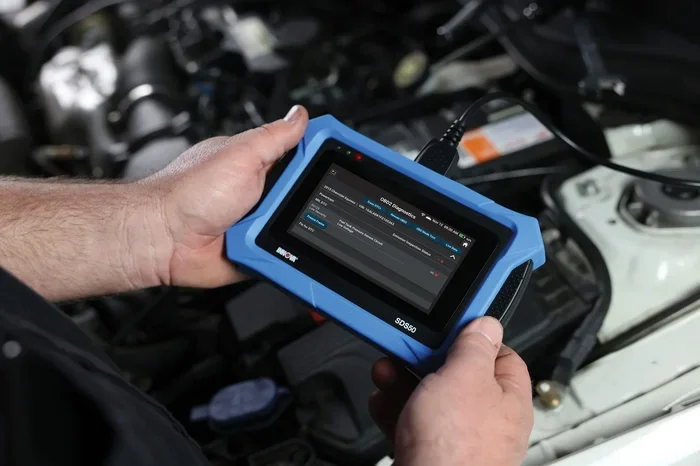
Before taking legal action, it is wise to check whether you can do your own car diagnostics to document the issue. This can strengthen your case significantly.
Breach of Contract
When you buy a car, you enter into a contract with the dealership. This contract outlines what each party agrees to do. If the dealership fails to fulfill their end of the deal, that is a breach of contract.
Examples of breach of contract include:
- Promising features or accessories that were never installed
- Failing to deliver the vehicle on the agreed date
- Changing the agreed-upon price or terms
- Selling a vehicle that does not match the description
Breach of contract cases are common in car buying disputes. The remedy usually involves compensation for the losses you suffered.
How to Build a Strong Case Against a Dealership
Winning a lawsuit requires preparation. You cannot simply walk into a courtroom and explain what happened. You need evidence. The stronger your evidence, the better your chances of a favorable outcome.
Gather All Documentation
Start by collecting every document related to your purchase. This includes:
- The purchase contract or bill of sale
- Warranty documents
- All repair orders and receipts
- Email and text communications with the dealer
- Any advertisements or brochures that made promises
- Your payment records and financing documents
Organize these documents chronologically. Make copies and store them safely. Digital copies are especially useful because they cannot be lost or damaged.
Get Professional Assessments
Sometimes the dealership will argue that the problem is not their fault. Having an independent mechanic inspect the vehicle can counter that claim. A professional assessment provides objective evidence of the defect.
If you suspect the vehicle has hidden issues, consider having a full inspection done before you proceed. You can also look into whether the dealer performed proper inspections before selling. A local Chevrolet dealership, for instance, may follow different standards than a smaller independent lot, and understanding the dealership type can help frame your complaint.
Keep a Detailed Record
Throughout the entire process, keep a written record of everything. Document every phone call, every visit to the dealership, and every promise that was made or broken. Include dates, names, and details of conversations.
This record-keeping serves as supporting evidence if the dispute escalates to legal action. It also helps your attorney understand the full picture of your experience.
The Legal Process: What to Expect
Filing a lawsuit is a serious step. It is important to understand what the process looks like before you begin. Knowing what to expect can reduce anxiety and help you feel more prepared.
Review Your Purchase Agreement
Before filing anything, review your purchase agreement carefully. Many contracts include an arbitration clause. This clause requires you to go through arbitration before you can file a lawsuit.
Arbitration is a form of alternative dispute resolution. A neutral third party listens to both sides and makes a decision. It is usually faster and less expensive than going to court. However, arbitration decisions are often final and binding.
Filing a Complaint
If arbitration is not required or does not resolve the issue, you can file a formal complaint. This involves submitting a legal document that outlines your case, the damages you suffered, and the relief you are seeking.
The complaint is filed in the appropriate court, usually in the county where the dealership is located. You will need to pay a filing fee, which varies by jurisdiction.
Discovery and Trial
Once the complaint is filed, the discovery process begins. Both sides exchange evidence and information. This phase can take several months. Your attorney will help you prepare for depositions and hearings.
If the case does not settle during discovery, it goes to trial. At trial, both sides present their evidence and arguments. A judge or jury decides the outcome. Trials can be lengthy and expensive, which is why many cases settle before reaching this stage.
When Should You Hire a Lawyer?
Not every dispute requires a lawyer. Small claims court can handle cases under a certain dollar amount without legal representation. However, for more complex or high-value cases, hiring a lawyer is strongly recommended.
Consider hiring an attorney if:
- The amount in dispute is significant
- The dealership has refused to cooperate
- You suspect fraud or intentional misrepresentation
- The case involves complex legal issues
- You have already tried informal resolution without success
Choosing the Right Attorney
Not all lawyers are experienced in consumer protection or auto dealer disputes. Look for an attorney who specializes in lemon law or consumer rights. Many offer free initial consultations.
Ask about their experience with cases similar to yours. Find out how they charge for their services. Some work on contingency, meaning they only get paid if you win. This can reduce your financial risk significantly.
It is also a good idea to check reviews and ratings. A well-reviewed attorney with experience in auto dealer complaints will give you the best chance of a successful outcome.
How Different Dealerships Handle Disputes
Not all dealerships respond to disputes the same way. Large, established dealerships often have dedicated customer service departments and legal teams. Smaller or independent dealerships may handle disputes differently.
For example, a local Chevrolet dealership that carries a wide range of vehicles may have more resources to address complaints quickly. They often have structured processes for handling warranty claims and customer grievances. On the other hand, a smaller lot may not have the same infrastructure, which can make resolving disputes more challenging.
Understanding the type of dealership you are dealing with can help you choose the right approach. Large dealers may be more willing to settle to protect their reputation. Smaller dealers might require more formal legal action to get their attention.
Regardless of the dealership type, your approach should remain firm but professional. Always start with a formal written complaint before escalating to legal action. This gives the dealership a chance to resolve the issue without going to court.
Key Mistakes to Avoid
There are several common mistakes that car buyers make when considering legal action. Avoiding these mistakes can protect your case and your wallet.
- Missing deadlines: Statutes of limitations apply to consumer claims. If you wait too long, you may lose your right to sue.
- Destroying evidence: Never alter or throw away documents, repair records, or the vehicle itself.
- Skipping arbitration: If your contract requires arbitration, skipping it can get your case dismissed.
- Talking to the dealer without a lawyer: Anything you say can be used against you. Let your attorney handle communications.
- Expecting a quick resolution: Legal processes take time. Patience is essential.
By avoiding these mistakes, you position yourself for a stronger and more successful outcome.
Conclusion
Suing a car dealership is a real option when your rights as a consumer have been violated. Whether you are dealing with fraud, a defective vehicle, or a breach of contract, the law provides avenues for recourse. The key is preparation. Gather your documents, understand your rights, and consider professional legal advice before taking action.
Every case is different. What works for one buyer may not work for another. But with the right approach and the right information, you can hold a dealership accountable. Do not let a bad car purchase go unanswered. Your rights matter, and the legal system is designed to protect you.
Start by reviewing your purchase agreement and documenting everything. If the dealership will not make things right, consult with a consumer protection attorney. You deserve fair treatment, and you have the power to pursue it.
Frequently Asked Questions
Can I sue a car dealership for selling me a car with hidden damage?
Yes, if the dealership knowingly concealed damage or misrepresented the vehicle condition, you can sue for fraud. Gather all documentation, including any inspection records and communications, to support your claim.
How long do I have to sue a car dealership?
The time limit depends on your state and the type of claim. Most consumer protection and fraud claims have statutes of limitations ranging from one to four years. Consult a lawyer as soon as possible to ensure you do not miss your deadline.
Do I need a lawyer to sue a car dealership?
You do not legally need a lawyer, but having one significantly improves your chances. An attorney experienced in consumer rights or lemon law understands the legal procedures and can negotiate more effectively on your behalf.
What damages can I recover when suing a car dealership?
You may be entitled to recover the purchase price, repair costs, towing expenses, rental car costs, and in some cases, punitive damages for fraud. The specific damages depend on the nature of your claim and your state laws.
What is the difference between arbitration and litigation?
Arbitration is a private process where a neutral third party decides your case, while litigation is a public court process. Arbitration is usually faster and less expensive, but the decision is often final and binding. Check your purchase agreement to see which process applies to your situation.
Can I sue a dealership for a used car with undisclosed problems?
Yes, if the dealership knew about the problems and did not disclose them, you may have a fraud claim. Used car dealerships have a duty to be honest about the condition of their vehicles. Keep all records and get independent inspections to strengthen your case.