Do Maseratis Hold Their Value Here Is What Experts Say
Do Maseratis hold their value? The short answer is no, not compared to top luxury brands like Porsche or BMW. Maserati depreciation is steep, with most models losing 50% or more of their value within five years. However, certain limited-edition models and well-maintained cars can defy the odds and retain value better than expected.
When you think about luxury car brands, names like Porsche, Ferrari, and BMW often come to mind. But what about Maserati? This Italian automaker has a rich history filled with stunning designs and powerful engines. Yet one question keeps popping up among car enthusiasts and buyers alike: do Maseratis hold their value?
The answer might surprise you. While Maseratis are undeniably beautiful and exciting to drive, they are not known for strong luxury car resale value. In fact, Maserati depreciation ranks among the steepest in the luxury vehicle market. But there is more to the story than just a number on a spreadsheet. Let us break it all down.
If you are considering buying a Maserati or already own one, understanding how these cars lose value is essential. This guide covers everything from Maserati models and their resale rates to the real cost of ownership. By the end, you will have a clear picture of whether a Maserati makes sense for your wallet and your goals.
Key Takeaways
- Maserati depreciation is significant: Most Maserati models lose around 50-60% of their value within the first five years of ownership.
- Not all Maseratis depreciate equally: Limited-edition models and rare trims tend to hold value better than standard versions.
- Maintenance costs impact resale: High Maserati maintenance cost and repair expenses can lower the overall ownership value proposition.
- Luxury car resale value varies by brand: Maseratis depreciate faster than Porsche, BMW, and Mercedes-Benz equivalents.
- Proper care helps: Regular servicing, low mileage, and keeping records can slow down Maserati depreciation.
- Pre-owned Maseratis offer savings: Buying a used Maserati lets you avoid the steepest depreciation hit while still enjoying the luxury experience.
- Exotic car ownership has hidden costs: Insurance, parts, and specialized servicing add to the total cost of owning a Maserati.
📑 Table of Contents
What Makes a Car’s Value Drop?
Understanding Depreciation in the Luxury Car World
Every car loses value over time. This process is called car depreciation. But not all cars depreciate at the same rate. A Toyota might hold 60% of its value after five years. A brand-new Maserati? Not so much. Most Italian sports cars lose about 50% to 60% of their original price within the first five years.
Several factors drive this steep drop:
- Brand prestige: Maserati is a luxury name, but it does not carry the same cachet as Ferrari or Lamborghini.
- Model popularity: Lower demand for Maseratis compared to BMW or Mercedes means fewer buyers in the used market.
- Production volume: Maserati builds far fewer cars than mass-market brands, which affects parts availability and perceived exclusivity.
- Reliability concerns: Maserati reliability has historically lagged behind competitors, which scares off used car buyers.
- Rapid model cycles: Frequent design changes make older models feel outdated quickly.
The car depreciation rate for Maseratis is a real concern. If you buy a new Maserati for $100,000, you might only get $40,000 to $50,000 back five years later. That is a massive loss. Understanding this upfront helps you make smarter decisions.
How Brand Prestige Affects Resale
Brand reputation plays a huge role in car value retention. Think about it. When you see a used Porsche 911 on the road, it still turns heads. The same cannot always be said for a used Maserati Ghibli. Porsche has built a reputation for durability and performance. Maserati, while glamorous, has struggled with consistency.
This gap in brand perception directly impacts luxury car resale value. Buyers in the used market want reliability, low maintenance costs, and proven track records. Maserati often falls short in these areas compared to luxury car brands like Lexus or Mercedes-Benz.
How Maseratis Compare to Other Luxury Brands
Maserati vs. Porsche
Maserati vs Porsche is a common comparison, and the results are clear. Porsche consistently ranks at the top for luxury car resale value. A used Porsche 911 can retain 60% to 70% of its value after five years. A Maserati GranTurismo? Often closer to 40%.
Porsche’s engineering excellence and strong brand loyalty give it a massive advantage. When you buy a Porsche, you know the car will perform and hold up over time. Maseratis, while thrilling, do not inspire the same confidence in long-term ownership.
Maserati vs. BMW and Mercedes-Benz
BMW and Mercedes-Benz dominate the luxury vehicle market. Their cars depreciate faster than Porsche but slower than Maserati. A used BMW 5 Series or Mercedes E-Class holds value reasonably well. Maserati models like the Ghibli and Quattroporte struggle to compete.
One reason is reliability. BMW and Mercedes have vast dealer networks and proven parts availability. Maserati’s network is smaller, and repairs can be more expensive and harder to schedule. This makes potential buyers hesitate when shopping the used market.
Maserati vs. Lexus
Lexus, Toyota’s luxury division, is the king of car value retention. Lexus vehicles routinely top depreciation charts. A used Lexus LS holds its value remarkably well. Maserati, by contrast, loses value at a much faster clip. The difference comes down to reliability, brand trust, and ownership experience.
Maserati Models and Their Resale Rates
Ghibli Depreciation
The Maserati Ghibli is the brand’s entry-level luxury sedan. It offers a sleek design and a powerful Maserati engine at a relatively accessible price point. However, the Ghibli depreciates quickly. New Ghiblis often lose 55% to 60% of their value within five years. This makes it one of the steepest Maserati depreciation examples among the lineup.
The Ghibli faces stiff competition from the BMW 5 Series and Mercedes E-Class. While it offers a more exotic feel, buyers in the used market often choose the German alternatives for better reliability and lower maintenance costs.
Quattroporte Resale Performance
The Maserati Quattroporte is a full-size luxury sedan with Italian flair. It is spacious, comfortable, and impressive. But its luxury car resale value is not strong. The Quattroporte loses value at a similar rate to the Ghibli, often dropping below $40,000 within five years of a $100,000+ purchase price.
Still, the Quattroporte has its fans. Owners who keep their cars for longer periods and maintain them well may see slightly better results. The key is low mileage and consistent servicing.
Levante SUV Value Retention
The Maserati Levante is the brand’s foray into the luxury SUV segment. As an Italian sports car in SUV form, it is unique. But does it hold value better than the sedans? Not really. The Levante suffers from similar Maserati depreciation issues. Used Levante prices drop significantly, making them attractive deals for buyers who want a Maserati without the new-car sticker shock.
The Levante does benefit from the SUV market’s overall strength. SUVs tend to hold value better than sedans across all brands. But Maserati still lags behind competitors like the Porsche Cayenne and Mercedes GLE.
MC20 and Limited-Edition Models
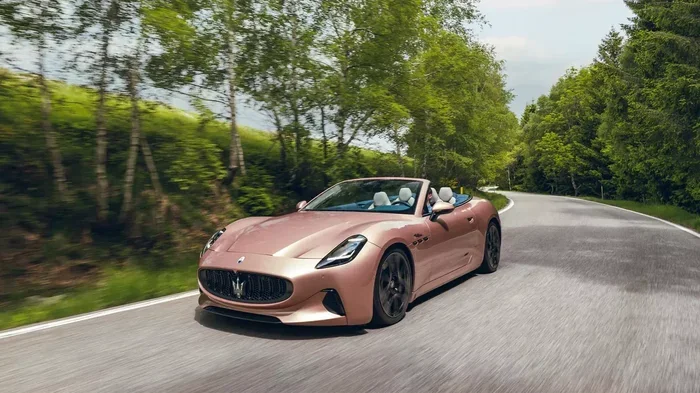
Not all Maseratis depreciate the same way. The MC20, Maserati’s supercar, and other limited-edition models can hold value surprisingly well. Scarcity and performance appeal to a niche buyer pool. If you find a well-maintained MC20 with low mileage, it may retain 50% or more of its value over five years.
Limited-edition Maseratis often become collectible over time. This is one area where do Maseratis hold their value gets a qualified yes. Rarity and performance can offset the brand’s general depreciation trend.
Comparison Table: Maserati Models and Depreciation
| Model | Original Price Range | 5-Year Value Retention | Depreciation Rate |
|---|---|---|---|
| Ghibli | $75,000 – $110,000 | 40-45% | 55-60% |
| Quattroporte | $100,000 – $140,000 | 38-44% | 56-62% |
| Levante | $80,000 – $130,000 | 42-48% | 52-58% |
| GranTurismo | $120,000 – $160,000 | 40-50% | 50-60% |
| MC20 | $210,000+ | 50-60% | 40-50% |
Keep in mind that these numbers vary based on mileage, condition, and market demand. The table gives a general picture of Maserati depreciation across the lineup.
The Real Cost of Owning a Maserati
Maintenance and Repair Expenses
Owning a Maserati is not just about the purchase price. The Maserati maintenance cost is a major factor that affects long-term value. Oil changes, brake pads, and tires cost more than they would on a German luxury car. And when something major breaks, the repair bills can be staggering.
Here are some common ownership costs to consider:
- Oil changes: Expect to pay $300 to $500 per service, depending on the model.
- Brake replacements: High-performance brakes on Maseratis can cost $1,000 or more per axle.
- Tires: Custom-fit performance tires run higher than standard sizes.
- Engine repairs: The Maserati engine is powerful but complex. Major repairs can easily exceed $5,000.
- Electronics and sensors: Modern Maseratis have advanced tech that can be expensive to fix.
These costs make exotic car ownership more expensive than most people expect. When resale value is already low, high maintenance costs compound the financial impact.
Insurance and Ownership Fees
Insurance for a Maserati is another significant expense. Luxury and sports cars cost more to insure. Maseratis sit in a category that insurers view as higher risk. Premiums can be 30% to 50% higher than for a BMW or Mercedes in the same price range.
Registration fees, taxes, and specialty servicing also add up. Owning a Maserati requires a commitment beyond just driving it. These hidden costs are part of why do Maseratis hold their value gets a negative answer for most buyers.
Parts Availability and Service Network
Maserati has fewer dealers and service centers than BMW, Mercedes, or Porsche. This limited service network can make routine maintenance inconvenient. Parts may take longer to arrive, and not every mechanic is qualified to work on a Maserati.
For pre-owned Maserati buyers, this is an even bigger concern. Finding a qualified technician for an older model can be challenging. This scarcity of service options directly impacts the car’s appeal in the used market.
Tips to Keep Your Maserati’s Value High
Stick to the Maintenance Schedule
Regular maintenance is the single best way to slow Maserati depreciation. Follow the factory service schedule to the letter. Keep all records in a binder or digital folder. When it is time to sell, proof of diligent care makes a huge difference to buyers.
Use genuine Maserati parts whenever possible. Aftermarket parts may save money upfront but can raise red flags for future buyers. A full service history from a certified Maserati dealer is the gold standard.
Keep Mileage Low
Mileage matters enormously for car value retention. A Maserati with 30,000 miles after five years will sell for much more than one with 80,000 miles. If you can, drive your Maserati sparingly and keep it as a weekend cruiser rather than a daily driver.
Low-mileage Maseratis are rare and desirable. This scarcity works in your favor when it is time to sell or trade in.
Store It Properly
How you store your Maserati affects its condition over time. Keep it in a garage or covered parking area. Extreme heat, cold, and moisture can damage paint, interiors, and mechanical components.
For long-term storage, use a quality car cover and consider a battery tender. Taking these simple steps preserves the car’s appearance and mechanical health, which translates to better resale value.
Address Issues Promptly
Do not ignore warning lights or unusual sounds. Small problems become big, expensive repairs if left unchecked. A well-maintained Maserati with no hidden issues will always sell for more than one with a troubled history.
Build a relationship with a trusted Maserati specialist. Having a go-to expert for repairs and diagnostics saves money and keeps your car in top shape.
Consider Optional Equipment and Packages
Maseratis with popular options tend to hold value slightly better. Features like premium audio, advanced driver assistance, and special interior trim can make a used Maserati more appealing. When buying new, choose options that the used market values.
However, do not overspend on options expecting them to boost resale significantly. Some add-ons have minimal impact on luxury car resale value. Focus on the basics: maintenance, low mileage, and clean condition.
Is a Maserati Worth the Investment?
The Emotional vs. Financial Perspective
If you are asking do Maseratis hold their value purely as a financial investment, the answer is no. You will almost certainly lose money. But Maseratis are not bought as investments. They are bought for the experience. The roar of the engine, the Italian craftsmanship, the head-turning style.
For many owners, the joy of driving a Maserati outweighs the financial loss. If you understand and accept the depreciation, a Maserati can be a rewarding purchase. Just go in with realistic expectations.
Who Should Buy a Maserati?
A Maserati is a great fit for someone who:
- Loves Italian design and wants something different from the German luxury crowd.
- Plans to keep the car for a short period and enjoys the new-car experience.
- Has the budget to absorb depreciation and high maintenance costs.
- Values driving pleasure and emotional connection over financial return.
- Considers a pre-owned Maserati to avoid the steepest depreciation hit.
On the other hand, if you want a luxury car that holds value, look at Porsche, Lexus, or Mercedes-AMG. These brands offer a better balance of performance and car value retention.
The Bottom Line on Maserati Value
Do Maseratis hold their value? The honest answer is mostly no. Maserati depreciation is steep, and the costs of ownership are high. But for the right buyer, a Maserati is about passion, not profit. These cars deliver an experience that few other brands can match.
If you buy smart, maintain well, and drive with care, you can minimize losses and maximize enjoyment. The key is knowing what you are getting into before you sign on the dotted line.
Expert Insights on Maserati Value
Industry experts consistently rank Maserati near the bottom for luxury car resale value. According to automotive analysts, the brand struggles with brand recognition compared to German rivals. Many buyers in the used market simply do not know enough about Maserati to justify a premium over a BMW or Mercedes.
Experts also point to the brand’s inconsistent quality control. While Maserati has improved in recent years, its reputation for reliability still lags. This perception affects buyer confidence in the used market and drives down Maserati depreciation recovery.
However, some specialists note that the newest Maserati models show promise. Improved reliability, modern technology, and fresh designs could help shift perceptions. If Maserati continues on this trajectory, future models may hold value better than their predecessors.
For now, the advice from experts is clear. If you want a Maserati, buy it for the experience. If you want a car that holds value, look elsewhere. Both choices are valid, but they serve different priorities.
Key Takeaways
- Maserati depreciation is steep: Most models lose 50-60% of their value within five years, placing them below most luxury competitors.
- Limited editions and supercars fare better: Models like the MC20 and rare trims can retain value closer to 50% or more over five years.
- Maintenance costs erode ownership value: High repair bills, expensive insurance, and limited service networks add up quickly.
- Brand perception matters: Maserati lacks the reliability reputation and brand loyalty that Porsche, Lexus, and Mercedes enjoy.
- Proper care slows depreciation: Regular maintenance, low mileage, and clean storage help preserve value as much as possible.
- Pre-owned Maseratis offer a smarter entry: Buying used lets you enjoy the Maserati experience while avoiding the steepest first-year depreciation.
- Buy for the experience, not the investment: Maseratis deliver emotional and driving rewards that go beyond what any resale number can capture.
Frequently Asked Questions
Do Maseratis hold their value compared to Porsche?
No, Maseratis depreciate significantly faster than Porsche. A used Porsche 911 can retain 60-70% of its value after five years, while most Maseratis hold only 40-50%. Porsche’s stronger brand reputation and reliability give it a clear edge in luxury car resale value.
What is the average Maserati depreciation rate?
Most Maserati models lose about 50-60% of their value within the first five years. This rate is higher than BMW, Mercedes, and Lexus equivalents. The exact depreciation depends on the model, mileage, condition, and market demand at the time of sale.
Is buying a pre-owned Maserati a good idea?
Yes, buying a pre-owned Maserati is a smart way to avoid the steepest depreciation. You get to enjoy the car at a significantly lower price while someone else absorbs the initial value loss. Just make sure to get a full service history and have the car inspected by a Maserati specialist.
Why do Maseratis depreciate so fast?
Maseratis depreciate quickly due to lower brand recognition, reliability concerns, high maintenance costs, and limited service networks. These factors reduce demand in the used market, which drives prices down faster than for more established luxury brands.
Which Maserati model holds its value the best?
The MC20 and other limited-edition Maseratis tend to hold value better than standard models. Scarcity and high performance appeal to a niche buyer pool. Among mainstream models, the Levante SUV retains value slightly better than the Ghibli and Quattroporte sedans.
Can you reduce Maserati depreciation?
You cannot stop depreciation, but you can slow it down. Stick to the maintenance schedule, keep mileage low, store the car properly, and address issues promptly. A well-documented service history and clean condition make a meaningful difference in resale price.
=== CONCLUSION ===
Do Maseratis hold their value? The data is clear: Maseratis depreciate faster than most luxury competitors. Steep Maserati depreciation, high maintenance costs, and brand perception challenges all work against strong luxury car resale value. If you are looking for a car that holds its worth, a Maserati is not the best choice.
But Maseratis are not just about numbers. They are about passion, style, and the thrill of driving an Italian sports car. If you understand the financial realities and still want to pull the trigger, go for it with your eyes open. Buy smart, maintain well, and enjoy every mile.
The world of luxury vehicle market offers many options. Maserati may not be the smartest financial move, but it can be one of the most emotionally rewarding. Just remember to factor in the full cost of ownership before you buy. And if you do decide to sell, proper care and low mileage will help you get the best possible return. At the end of the day, the best car is the one that brings you joy, and for many enthusiasts, a Maserati does exactly that.