Can a Dealership See If You Cleared Codes on Your Car
Yes, a dealership can often see if you cleared codes on your car. Modern vehicles store fault code history in the onboard computer, and even after you reset the check engine light, trained technicians can retrieve past diagnostic trouble codes using advanced scanning tools. Understanding how this works helps you make informed decisions about car diagnostics and repairs.
This is a comprehensive guide about Can a Dealership See If You Cleared Codes?.
Key Takeaways
- Dealerships can access deleted codes: Advanced diagnostic tools store fault code history even after a reset.
- OBD-II systems keep a record: Your car’s computer logs past trouble codes that don’t disappear with a simple reset.
- Clearing codes doesn’t fix the problem: The underlying issue remains, and the light will likely return.
- DIY code clearing has risks: Resetting codes yourself may hide serious issues and fail emissions inspections.
- Dealership service centers use professional-grade tools: These tools reveal much more than consumer-grade scanners.
- Transparency matters: Being honest with your dealership about code clearing builds trust and ensures proper repairs.
[FEATURED_IMAGE_PLACEHOLDER]
Can a dealership see if you cleared codes on your car? This is a question many vehicle owners ask, especially when they want to hide a check engine light before a service visit or a state inspection. The short answer is yes, in most cases. But the full story is more nuanced and important than you might think.
Modern cars are essentially computers on wheels. They constantly monitor dozens of systems and store information about anything that goes wrong. When a problem is detected, your car creates a diagnostic trouble code, also known as a DTC. These codes trigger the check engine light and alert you that something needs attention. Many car owners try to clear these codes using an OBD scanner or by disconnecting the battery. But does this really erase the evidence? Let us dive deep into how this works and what your dealership can actually see.
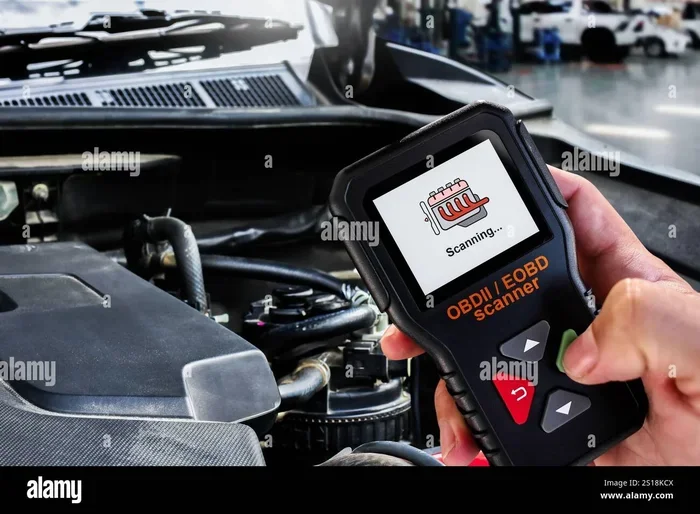
When you visit a dealership for service, the technician plugs a diagnostic tool into your car’s OBD-II port. This port is usually located under your dashboard on the driver’s side. The tool communicates with your car’s onboard computer systems, including the powertrain control module or PCM. The PCM controls your engine, transmission, and emission systems. It stores a wealth of data that goes far beyond a simple check engine light warning.
The technician can pull current codes, which are active problems detected right now. But they can also access pending codes, which are issues that have been noticed but haven’t triggered the check engine light yet. More importantly, they can access permanent codes or history codes. These are codes that were stored in the past and may have been cleared by the driver. This is where the answer to our main question becomes critical.
Your car’s onboard diagnostics system is designed to be thorough. It doesn’t simply forget about problems once you reset the light. The system categorizes codes into different types, and each type behaves differently after a reset. Understanding these categories helps explain why dealerships can still see cleared codes.
Current codes are active problems right now. If the check engine light is on, there’s a current code stored. A dealership technician will see these immediately when they hook up their scanner. These codes point to real-time issues that need attention.
Pending codes are like early warnings. The system noticed something unusual but hasn’t confirmed the problem enough to turn on the check engine light yet. If the condition doesn’t happen again after a few drive cycles, the pending code may clear on its own. But if it does become confirmed, it becomes a current code.
History codes are past problems that were once active but have since been resolved or cleared. This is where your efforts to hide a problem might backfire. Many dealership diagnostic tools can access this history. Even if you cleared a code using a handheld code reader, the history often remains stored in the PCM memory.
Permanent codes are the most stubborn. These are emissions-related codes that cannot be cleared by simply resetting the system. They stay stored until the underlying problem is fixed and the system completes a series of successful drive cycles. No matter what you do, permanent codes will show up when a dealership hooks up their professional scanner.
Now let us talk about what actually happens when you clear codes. Many people think hitting the “erase” button on a scanner or pulling a fuse makes the problem go away. It doesn’t. The problem still exists. You just turned off the warning light.
When you clear codes, you reset the check engine light. The current code disappears from the active display. But here is the catch. The underlying fault still exists in your vehicle. The system will detect it again during the next drive cycle and turn the light right back on. In some cases, it may take a few days of driving before the light returns.
Some car owners clear codes before a state inspection or before selling their car. They hope the absence of the check engine light will fool the buyer or the inspector. But modern inspection procedures often include a thorough scan of the vehicle’s computer. Inspectors can look at history data and pending codes. This means a cleared code might still raise a red flag.
If you visit a dealership after clearing codes, the service advisor will plug in their professional diagnostic equipment. These tools are far more advanced than the consumer scanners you buy at an auto parts store. A dealership-grade scanner can access deep data streams, including stored history, freeze frame data, and pending codes.
Freeze frame data is a snapshot of your vehicle’s operating conditions at the exact moment a fault code was triggered. It includes information like engine RPM, vehicle speed, coolant temperature, and fuel trim values. Even if you cleared the code, freeze frame data may still be accessible through the dealership’s advanced tools. This gives the technician a clear picture of what was happening when the problem occurred.
Dealership technicians are trained to read this data. They know what to look for. If you cleared a code before your appointment, they will likely notice inconsistencies. For example, the freeze frame data might show a misfire event, but there are no current codes present. This tells the technician that someone recently cleared the codes.
Many dealerships also have access to your vehicle’s service history through manufacturer databases. If you previously visited another dealership or repair shop, those records may show what codes were stored and what repairs were done. This creates a complete picture of your vehicle’s maintenance and repair timeline.
Let us compare what different tools can reveal about cleared codes. This table breaks down the capabilities of various scanning devices.
| Tool Type | Current Codes | Pending Codes | History Codes | Freeze Frame Data | Permanent Codes |
|—|—|—|—|—|—|
| Consumer Code Reader | Yes | No | No | No | No |
| Mid-Range OBD Scanner | Yes | Yes | Yes | Limited | Limited |
| Dealership Professional Tool | Yes | Yes | Yes | Yes | Yes |
| Manufacturer Software | Yes | Yes | Yes | Yes | Yes |
As you can see, consumer-grade tools are limited. They mostly read current codes and maybe some pending codes. But dealership tools go much deeper. They access the full history and data that can reveal whether codes were recently cleared.
This brings us to a common question: should you clear codes before visiting a dealership? The honest answer is no. Here is why.
First, clearing codes hides symptoms, not causes. The technician needs to see the codes to properly diagnose the problem. If you clear them before the visit, the technician may have to run additional tests to figure out what is wrong. This costs you more time and money.
Second, clearing codes can trigger a diagnostic reset. Some vehicles require a specific procedure to reset the readiness monitors after codes are cleared. If these monitors are not ready, your vehicle may fail an emissions test or inspection. This is a common mistake that car owners make.
Third, honesty builds trust with your service provider. If the dealership discovers that codes were cleared, it may raise questions about the vehicle’s history. Being upfront saves you from awkward conversations and potential distrust.
If you want to clear codes yourself, you need to understand the risks. Many people buy an OBD-II scanner or use a smartphone app to reset their check engine light. While this is technically possible, it comes with downsides.
The biggest risk is masking a serious problem. Your check engine light came on for a reason. It could be something minor like a loose gas cap. But it could also be a serious issue like a failing catalytic converter or engine misfire. Clearing the code without fixing the problem means you drive with an unresolved issue. Over time, this can lead to more expensive damage.
Another risk is failing an emissions test. Most states require vehicles to pass an emissions inspection before registration renewal. If your check engine light is on, your vehicle automatically fails. But even if you clear the light, the emissions testing equipment may detect incomplete readiness monitors or stored history codes. This means your vehicle still fails, and you wasted time.
There is also the risk of losing important data. When you clear codes, you may also erase freeze frame data and pending codes that could help diagnose intermittent problems. These details are valuable to any technician trying to solve a tricky issue.
If you need to clear codes, here are some tips to do it the right way. First, make sure you have already documented the codes. Write them down or take a photo of the scanner display. This way, you have a record of what the problem was, even after clearing it.
Second, fix the underlying issue before clearing codes. Once the repair is complete, clearing the codes allows the system to run through its drive cycles and reset the readiness monitors. This is the proper way to clear codes.
Third, use a quality scanner. A cheap code reader might only clear current codes. A better scanner will reset all systems properly and help you verify that the repair was successful.
Fourth, drive the vehicle through several complete drive cycles after clearing codes. This allows the onboard diagnostics system to recheck all monitored systems. If the repair was successful, the check engine light should stay off.
If you have already cleared codes and need to visit a dealership, here is how to handle the situation. Be honest with the service advisor. Tell them what you did and why. This transparency helps the technician understand the vehicle’s history and avoids confusion during the diagnostic process.
You should also be prepared for the technician to run additional tests. Since the codes are no longer present, they may need to perform road tests, visual inspections, or use specialized tools to pinpoint the original issue. This is normal and part of the diagnostic process.
Keep in mind that dealerships track everything. Your visit will be recorded in the manufacturer’s database along with any codes found, repairs performed, and parts replaced. This creates a permanent record of your vehicle’s health. Future buyers or service providers can access this information, which adds value to your car.
There are several myths about clearing codes that every car owner should know. Let us bust a few of the most common ones.
Myth one: clearing codes turns off the check engine light forever. This is false. If the problem is not fixed, the light will come back. The system detects the fault again during the next drive cycle.
Myth two: disconnecting the battery erases all codes. This is partially true for current codes, but history codes and permanent codes often survive a battery disconnect. The PCM has backup power sources that preserve stored data.
Myth three: clearing codes passes emissions tests. This is misleading. Even if the light is off, incomplete readiness monitors or stored history can cause a fail.
Myth four: dealerships cannot tell if codes were cleared. This is the biggest myth of all. As we have covered, professional diagnostic tools reveal code history and other data that shows recent clearing.
Now let us look at some practical scenarios where code clearing comes up. Imagine you are selling your car. You know the check engine light is on, and you want to make a good first impression. You clear the codes before the sale. The buyer takes the car for a test drive, and the light comes back on. They take it to a dealership for a pre-purchase inspection. The dealership finds history codes and freeze frame data that show the problem existed before the sale. This could cost you the deal or lead to a dispute.
Another scenario: you are preparing for a state inspection. The check engine light came on last week, and you cleared it over the weekend. You arrive at the inspection station, and the technician plugs in their scanner. They see that the readiness monitors are incomplete and that history codes exist. Your vehicle fails the inspection. You now have to fix the problem and wait for the monitors to reset before you can pass.
A third scenario: you took your car to an independent mechanic last month. They found a code and replaced a sensor. But the check engine light stayed on. You decide to clear the codes yourself before visiting the dealership for a second opinion. The dealership technician finds no current codes but sees freeze frame data from a previous event. They also notice the recent repair was not completed correctly. This gives the technician valuable context, but it also raises questions about your repair history.
Each of these scenarios shows why understanding how dealerships see cleared codes matters. Being informed helps you make better decisions about your vehicle’s maintenance and repair.
The best approach is always to address the root cause of any check engine light. Do not try to hide the problem. Instead, get a proper diagnosis, complete the repair, and then clear the codes if needed. This ensures your vehicle runs properly, passes inspections, and maintains its value.
If you are not sure where to start with a check engine light, consider visiting a local dealership or trusted repair shop. They can connect to your vehicle’s OBD-II system and read the codes for you. Many places offer free code reads at the parts store, but a dealership provides a much deeper analysis.
For those who like to handle car issues themselves, investing in a quality OBD-II scanner is a smart move. A mid-range scanner that reads history codes and freeze frame data gives you more information than a basic code reader. This helps you understand the severity of the problem before deciding on a repair approach.
Regular maintenance goes a long way in preventing check engine lights in the first place. Follow your vehicle’s service schedule, change fluids on time, and address small issues before they become big problems. A well-maintained vehicle is less likely to store fault codes and more likely to pass inspections with ease.
Remember, your car’s onboard diagnostics system is there to protect you and your vehicle. It alerts you to problems early so you can fix them before they become expensive. Working with your system rather than against it saves money, time, and stress in the long run.
When you visit a dealership, whether for routine service or a major repair, understanding what they can see gives you an advantage. You know that cleared codes are not truly gone. You know that history data tells a story about your vehicle. And you know that honesty is always the best policy.
The automotive world can feel overwhelming, especially when technical terms like DTCs, PCM, and OBD-II come into play. But you do not need to be a mechanic to understand the basics. A little knowledge goes a long way in making smart decisions about your car.
So the next time you see that check engine light, do not panic. Do not rush to clear it. Instead, take a deep breath, get the codes read, and address the problem. Your vehicle, your wallet, and your future self will thank you.
Frequently Asked Questions
Can a dealership tell if I cleared codes before my appointment?
Yes, in most cases. Dealership diagnostic tools can access code history, freeze frame data, and pending codes that remain stored even after you clear current codes. Professional-grade scanners reveal much more than consumer tools.
Will clearing codes delete the check engine light permanently?
No. Clearing codes turns off the check engine light temporarily. If the underlying problem is not fixed, the system will detect the fault again during the next drive cycle, and the light will return.
Can I pass an emissions test after clearing codes?
It is unlikely. Clearing codes often leaves readiness monitors incomplete. Most states require all monitors to be ready for a passing emissions test. Additionally, history codes may still be detected during inspection.
What is the difference between current codes and history codes?
Current codes are active problems detected right now, and they usually trigger the check engine light. History codes are past problems that were once active but have been cleared. Dealership tools can access both types.
Does disconnecting the battery clear all stored codes?
Not always. Disconnecting the battery may clear current codes, but history codes and permanent codes often remain stored in the powertrain control module. The PCM has backup power that preserves this data.
Should I clear codes before selling my car?
No. Clearing codes before selling your car can backfire. A buyer’s pre-purchase inspection may reveal history codes and freeze frame data that show the problem existed before the sale, which could hurt the deal or lead to disputes.
=== CONCLUSION ===
So can a dealership see if you cleared codes? The answer is a clear yes. Modern vehicles store extensive data in their onboard computers, and dealership diagnostic tools can access code history, freeze frame data, and permanent codes that survive a simple reset. Clearing codes does not fix the underlying problem, and it can create complications during inspections, sales, and service visits. The best approach is always to diagnose and repair the issue properly, then clear codes if needed as part of the final step. Being honest with your dealership and understanding how your car’s diagnostic system works puts you in a much stronger position as a vehicle owner. Take care of your car, and your car will take care of you.