Can a 17-Year-Old Get Car Insurance in Their Own Name
Yes, a 17-year-old can get car insurance in their name, but it comes with challenges. Most insurers require a parent or guardian on the policy. Teen driver insurance costs more due to lack of experience. This guide covers everything you need to know about getting car insurance at 17, including costs, tips, and steps.
Turning 17 is a big deal. You can get a job, drive more freely, and start thinking about adult responsibilities. One of those responsibilities is car insurance. But can a 17-year-old get car insurance in their own name? The short answer is yes. The full answer is a bit more complicated.
Getting teen driver insurance at 17 is possible. However, most insurance companies want a parent or guardian involved. This article breaks down everything you need to know. We will cover costs, requirements, tips, and steps to get covered. Whether you are a 17-year-old driver or a parent helping your teen, this guide has you covered.
Car insurance for young drivers can feel overwhelming. There are rules, costs, and options to consider. Let us walk through it all together in plain, simple language. No jargon. No confusion. Just clear answers to your questions about insurance for teenagers.
Key Takeaways
- 17-year-olds can get car insurance: But most policies require a parent or co-signer.
- Teen insurance is expensive: Rates are higher due to limited driving experience.
- Adding a teen to a parent’s policy: Is often cheaper than a standalone plan.
- Good student discounts: Can significantly lower insurance costs for young drivers.
- Independent policies are possible: With the right documentation and parental consent.
- Comparing quotes is essential: Different insurers offer varying rates for young drivers.
- Start early: Building a driving record at 17 helps lower future premiums.
📑 Table of Contents
Understanding Car Insurance for 17-Year-Olds
Before diving into the details, let us understand the basics. Car insurance is a contract between you and an insurance company. The company agrees to pay for damages or injuries in exchange for a premium. For a 17-year-old, this contract usually needs a parent or legal guardian.
Insurance companies view young drivers as high risk. Statistics show that drivers under 18 get into more accidents. This means teenage car insurance rates are higher than rates for older drivers. But that does not mean you cannot get affordable coverage.
Why Insurance Companies Care About Age
Insurance companies use many factors to set rates. Age is one of the biggest ones. Here is why age matters so much:
- Lack of experience: New drivers have not built skills yet.
- Higher accident rates: Teens are more likely to be in crashes.
- Risky behavior: Statistics show teens are more prone to distracted driving.
- Claims history: Young drivers have less history, making them unpredictable.
Understanding this helps you know why rates are what they are. It also helps you find ways to bring those costs down.
Can You Get Your Own Policy at 17?
The big question many teens ask is whether they can buy a policy entirely on their own. The answer depends on a few things. Let us break it down.
Requirements for a Minor to Get Insurance
In most states, a 17-year-old is considered a minor. Insurance companies usually require the following for a teen to get their own policy:
- Parental consent: A parent or guardian must sign the policy.
- A registered vehicle: The car must be titled in the teen’s name or co-titled.
- A valid learner’s permit or license: You need legal permission to drive.
- A co-signer: Many insurers want an adult on the policy.
Some companies allow a 17-year-old to be the named insured. But the parent or guardian must still be listed on the policy. This is standard practice across most insurers. It protects both the teen and the company.
Standalone Policy vs. Being Added to a Parent’s Policy
There are two main paths for a 17-year-old to get covered:
- Standalone policy: The teen has their own insurance plan. This is rare at 17 and usually more expensive.
- Added to a parent’s policy: The teen is listed on the parent’s existing plan. This is the most common option.
Being added to a parent’s policy is almost always cheaper. It also simplifies the process. The parent handles the paperwork, and the teen is covered under the family plan.
If the teen wants full independence, they can explore an independent car insurance policy. But this path requires more effort and usually costs more. A parent’s guidance is essential either way.
How Much Does Teen Car Insurance Cost?
Cost is a major concern for most families. Teen driver insurance is not cheap. But understanding what drives the price helps you plan ahead.
Average Costs for 17-Year-Old Drivers
On average, adding a 17-year-old to a parent’s policy increases the premium by 50% to 100%. The exact cost depends on several factors:
- Location: Rates vary by state and city.
- Vehicle type: A safe sedan costs less to insure than a sports car.
- Driving record: A clean record keeps costs lower.
- Coverage level: Full coverage costs more than minimum liability.
- Deductible choice: A higher deductible lowers the monthly premium.
For a standalone policy, costs can be even higher. A 17-year-old buying their own plan might pay $200 to $400 per month. That is a big jump from an adult rate. But there are ways to bring this down.
Factors That Lower Insurance Costs
Not all hope is lost. Several strategies can reduce the cost of car insurance for young drivers:
- Good student discount: Maintaining a B average or higher can save hundreds per year.
- Defensive driving course: Completing a certified course shows responsibility.
- Safe vehicle choice: Choosing a car with good safety ratings lowers risk.
- Telematics programs: Some insurers offer discounts based on safe driving habits tracked via an app.
- Bundling policies: Adding the teen to a family auto and home policy can save money.
Every little bit helps. Over time, these savings add up. And as the teen gains experience, rates will naturally decrease.
Steps to Get Car Insurance as a 17-Year-Old
If you are ready to get covered, here is the step-by-step process. Follow these steps to make it as smooth as possible.
Step 1: Gather Your Documents
Before you start shopping for quotes, gather the necessary documents. You will need:
- A valid learner’s permit or driver’s license.
- Proof of identity (birth certificate or state ID).
- Vehicle information (make, model, year, and VIN).
- Parent or guardian identification.
Having these ready saves time and prevents delays. It also shows insurers that you are serious about getting covered.
Step 2: Compare Quotes from Multiple Insurers
Do not just go with the first company you find. Different insurers have different rates for young drivers. Use online comparison tools to get quotes from at least three companies. Look at coverage options, deductibles, and discounts.
Some companies specialize in young driver insurance. They may offer better rates or unique discounts. Always read the fine print before signing anything.
Step 3: Choose the Right Coverage Level
Most states require minimum liability coverage. But for a new driver, minimum coverage may not be enough. Consider these options:
- Liability coverage: Pays for damage you cause to others.
- Collision coverage: Pays for damage to your own car in an accident.
- Comprehensive coverage: Covers theft, weather damage, and other non-collision events.
- Uninsured motorist coverage: Protects you if the other driver has no insurance.
Full coverage costs more but provides better protection. For a 17-year-old with a newer car, full coverage is often worth the extra cost.
Step 4: Ask About Available Discounts
Do not be afraid to ask about discounts. Many insurers offer deals that can significantly lower your premium. Common discounts for teens include:
- Good student discount
- Safe driver discount
- Defensive driving course discount
- Multi-car discount
- Bundling discount (auto + home)
These discounts can make a big difference. They help keep teenage car insurance rates more manageable for families.
Step 5: Review and Sign the Policy
Once you have chosen a policy, review all the details carefully. Make sure you understand the coverage limits, deductibles, and exclusions. A parent or guardian should review the policy with you. This is a great learning moment about financial responsibility.
After signing, keep a copy of your insurance card in the vehicle at all times. You never know when you might need it.
Tips for New Teen Drivers
Getting insurance is just the first step. As a new driver, you want to stay safe and keep your costs low. Here are some practical tips.
Build a Clean Driving Record
Your driving record directly affects your insurance rates. A clean record means lower premiums over time. Avoid tickets, accidents, and violations at all costs. Every infraction stays on your record and increases your risk profile.
Consider taking a defensive driving course even before you get your license. Many states allow teens to take these courses to earn discounts. Plus, the skills you learn can save your life.
Learn Basic Car Maintenance
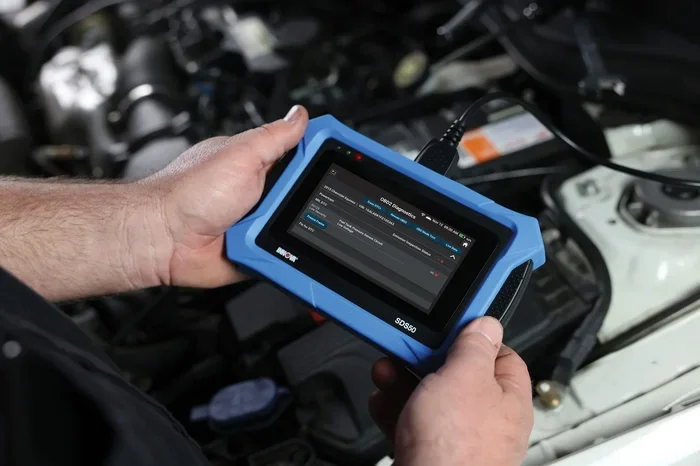
Knowing your car helps you stay safe and avoid costly repairs. You can do your own car diagnostics with simple tools and apps available today. Learning basics like checking tire pressure, oil levels, and brake pads goes a long way.
These skills also show insurers that you take vehicle ownership seriously. Some companies offer discounts for proactive car care.
Use Technology Wisely
Modern cars come with helpful features. Some vehicles allow you to download an app to start your car remotely. These apps can also track driving habits and provide feedback.
Insurance companies love this data. Safe driving scores from these apps can unlock significant discounts. Ask your insurer if they offer a telematics or usage-based program.
Avoid Common Mistakes
New drivers often make avoidable mistakes that increase insurance costs. Here are some to watch out for:
- Skipping coverage: Never drive without insurance. It is illegal and risky.
- Choosing only minimum coverage: This can leave you financially exposed.
- Not comparing quotes: The first quote is rarely the best one.
- Ignoring discounts: Many teens leave money on the table by not asking.
- Driving without a permit: Always follow your state’s graduated licensing laws.
Avoiding these mistakes keeps you legal, safe, and saving money.
Common Questions About Insurance for 17-Year-Olds
Many teens and parents have similar questions about getting insurance at this age. Here are answers to the most common ones.
Can a 17-year-old get car insurance without a parent?
In most cases, no. A parent or guardian must be involved in the policy. However, some states allow minors to own a vehicle outright. In those cases, the teen can be the primary policyholder with a parent as a co-signer. Check your state’s specific laws for exact requirements.
What is the cheapest way for a 17-year-old to get insured?
The cheapest option is usually being added to a parent’s existing policy. This leverages the parent’s good driving record and multi-car discounts. Good student discounts and defensive driving courses also help lower costs significantly.
Does a 17-year-old need full coverage insurance?
Full coverage is not legally required in most states. However, if the vehicle has a loan or lease, the lender will require it. Even without a loan, full coverage protects the teen from high out-of-pocket costs after an accident. It is usually worth the extra expense for young drivers.
How can a teen lower their insurance rates?
Teens can lower rates by maintaining good grades, completing driver’s education, choosing a safe vehicle, and avoiding traffic violations. Telematics programs and bundling with family policies also help. Over time, a clean driving record is the best way to keep rates low.
What happens if a 17-year-old gets into an accident without insurance?
Driving without insurance is illegal in most states. Consequences can include fines, license suspension, and even vehicle impoundment. The teen would also be personally liable for all damages and medical costs. This is a serious financial risk that no young driver should take.
Can a 17-year-old get non-owner car insurance?
Yes, in some cases. Non-owner insurance provides liability coverage for someone who does not own a car but drives occasionally. This can be useful for a teen who frequently drives a friend’s or family member’s car. However, availability depends on the insurer and state laws.
Conclusion
So, can a 17-year-old get car insurance in their own name? Yes, they can. But it usually requires a parent or guardian on the policy. The process involves gathering documents, comparing quotes, choosing coverage, and taking advantage of available discounts.
Teen driver insurance does not have to break the bank. With the right approach, young drivers can find affordable coverage that keeps them safe on the road. Start early, build a clean record, and make smart choices about your policy.
Insurance is one of the first financial responsibilities many young adults handle. Learning about it at 17 sets a strong foundation for the future. Take the time to understand your options, ask questions, and make informed decisions. Your future self will thank you for it.
Whether you are a teen ready to hit the road or a parent helping your child navigate this milestone, the key is preparation. Get the right coverage, stay safe, and enjoy the journey of becoming a responsible driver. Car insurance for young drivers is more accessible than you think, and with the right strategy, it can be surprisingly affordable.