Why Are Trucks Called 1500 The Surprising Reason Explained
The name 1500 comes from old payload rating systems used by truck makers like Chevrolet, Ford, and Ram. The number tells you how much weight a truck can carry in its bed and towing setup. Today, the 1500 label means a light-duty pickup truck that balances work and daily driving comfort.
Have you ever wondered why trucks are called 1500? It seems like a random number slapped on the side of a vehicle. But the truth is far more interesting. The name actually tells you something about the truck’s past and its purpose. Understanding this naming system helps you pick the right truck for your needs.
The 1500 label comes from a simple payload rating system that truck makers have used for decades. Back in the day, the number roughly matched how much weight the truck could haul. Today, the system still lives on, even though the numbers no longer match the real capacity. Let us break down the full story of why trucks are called 1500 and what it all means.
Key Takeaways
- Payload History: The 1500 name started as a rough estimate of how many pounds a truck could carry.
- Brand Variations: Chevy, Ford, Ram, and GMC all use the 1500 number for their light-duty models.
- Not Exact Anymore: Modern 1500 trucks carry far more than 1,500 pounds in reality.
- Model Lineup Clue: 1500 means light-duty, 2500 means heavy-duty, and 3500 means the heaviest-duty option.
- Buyer Tip: Always check payload and towing specs, not just the number in the name.
- Common Mistake: Assuming the number reflects exact capacity leads to wrong buying decisions.
📑 Table of Contents
The Origin of the 1500 Naming System
Truck makers did not start with fancy trim levels and fancy names. They needed a simple way to tell their models apart. The number system was born from a very practical need. Each number represented the truck’s carrying ability.
How Payload Ratings Shaped Truck Names
In the early days of pickup trucks, manufacturers used numbers to show how much weight a truck could handle. The 1500 name meant the truck could carry about 1,500 pounds of cargo. This was a rough estimate that helped buyers compare models at a glance.
Chevrolet was one of the first to use this system. Their C/K series trucks carried numbers like 1500, 2500, and 3500. Ford followed with the F-Series, using F-150, F-250, and F-350. Ram (then Dodge) joined in with their own 1500, 2500, and 3500 lineup. The pattern stuck across all major brands.
The Evolution of Truck Naming Over the Decades
Truck naming changed a lot over the years. In the 1940s and 1950s, the numbers were closer to real payload numbers. A true half-ton truck could carry around 1,000 pounds. The 1500 name was a marketing term that sounded better than half-ton.
By the 1990s and 2000s, trucks grew bigger and stronger. The payload numbers no longer matched the names. A modern F-150 can carry well over 2,000 pounds. Yet the 1500 name stayed because buyers recognize it. The tradition became more about brand identity than raw numbers.
What the 1500 Number Means Today
Today, the 1500 label means something different than it did in the past. It no longer represents an exact payload number. Instead, it signals the truck’s class and duty level.
Light-Duty Truck Classification
When you see the number 1500 on a truck, it tells you this is a light-duty model. Light-duty trucks are built for everyday use. They handle commuting, hauling furniture, and light towing. They are not built for the heaviest jobs on the job site.
The 1500 trucks offer a great balance. They give you enough power and cargo space for most tasks. At the same time, they are comfortable enough for daily driving. This is why the 1500 is the most popular pickup truck class in America.
How 1500 Compares to 2500 and 3500
To understand the 1500 better, look at the full lineup. Each number tells you about the truck’s strength and purpose.
| Model Number | Duty Level | Typical Payload | Best For |
|---|---|---|---|
| 1500 | Light-Duty | 1,500 – 2,500 lbs | Daily driving, light hauling |
| 2500 | Heavy-Duty | 3,000 – 4,000 lbs | Towing trailers, construction |
| 3500 | Super Heavy-Duty | 5,000+ lbs | Commercial hauling, large trailers |
The 1500 sits at the entry level of the full-size pickup world. It is the most versatile option. Most families and weekend warriors choose the 1500 for its mix of capability and comfort.
Brand-Specific Breakdown of the 1500 Name
Every major truck brand uses the 1500 name, but each has its own twist. Let us look at how Chevrolet, Ford, Ram, and GMC handle the 1500 lineup.
Chevrolet Silverado 1500
The Chevy Silverado 1500 has been a best-seller for years. It offers a strong V8 engine and a smooth ride. The Silverado 1500 is a true all-rounder. It handles work tasks and family road trips with ease. Chevy uses the 1500 badge to mark its light-duty Silverado model.
Ford F-150
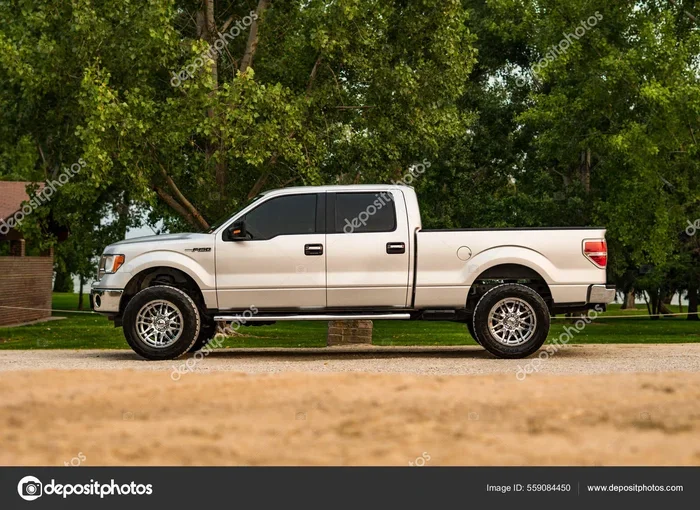
The Ford F-150 is the best-selling truck in America. The F-150 name has been around since 1948. Today, it comes with powerful EcoBoost engines and aluminum bodies. Ford uses the 1500 number to show it is the lighter-duty F-Series model. The F-250 and F-350 sit above it as heavy-duty options.
Ram 1500
Ram made its name with comfort and interior quality. The Ram 1500 is known for its smooth ride and luxury features. It feels more like a SUV than a truck. Ram kept the 1500 name to stay consistent with the industry standard. It tells buyers this is the lighter-duty Ram pickup.
GMC Sierra 1500
The GMC Sierra 1500 is the premium cousin of the Silverado 1500. It offers upscale interiors and refined driving dynamics. GMC uses the 1500 badge to mark its light-duty Sierra. The Sierra 1500 competes directly with the Silverado 1500 and Ram 1500.
Why the Number No Longer Matches Reality
Here is a fun fact. A modern 1500 truck can carry far more than 1,500 pounds. So why did the name stick? The answer lies in marketing and tradition.
Truck makers realized that buyers trust familiar names. The F-150, Silverado 1500, and Ram 1500 are household names. Changing the number would confuse customers. It would also lose years of brand recognition.
So the numbers stayed, even as truck capabilities grew. Today, the 1500 badge is more about class than capacity. It tells you the truck is light-duty, not exactly how much it can carry.
The Marketing Side of Truck Names
Numbers sell trucks. A higher number like 3500 sounds stronger and more capable. Truck makers use this psychology to their advantage. The 1500 name keeps the truck approachable and affordable. It signals to buyers that this model is for everyday use.
Marketing teams also consider how names sound. F-150 rolls off the tongue better than F-1200 or F-1600. The 1500 name has a nice ring to it. It has become part of the truck’s identity over the decades.
Common Mistakes Buyers Make With the 1500 Name
Many buyers make mistakes because of the 1500 name. Understanding these pitfalls helps you make a smarter choice.
Mistake 1: Assuming Payload Is Exactly 1,500 Pounds
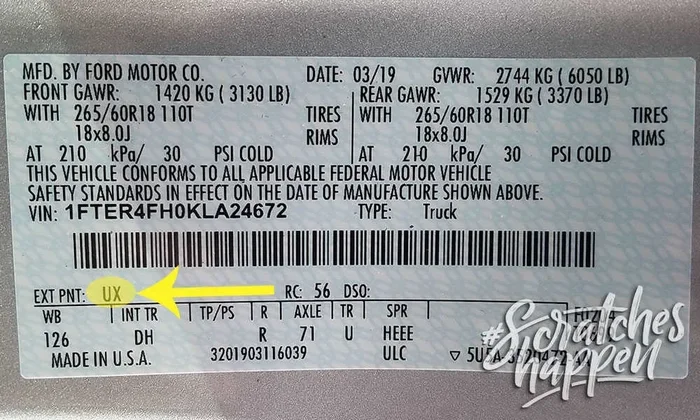
The biggest mistake is taking the number literally. A 1500 truck today can carry much more than 1,500 pounds. Always check the owner manual or door jamb sticker for real payload numbers. Do not guess based on the name alone.
Mistake 2: Confusing 1500 with Half-Ton
The terms 1500 and half-ton are often used interchangeably. But they are not exactly the same. Half-ton was the original marketing term. The 1500 number came from the payload rating system. Both refer to light-duty trucks, but the history is different.
Mistake 3: Ignoring Towing Capacity
The 1500 name says nothing about towing ability. A base 1500 may tow 5,000 pounds, while a fully loaded 1500 can tow over 13,000 pounds. Always look at the specific towing specs for the trim and package you choose.
Quick Tips to Avoid These Mistakes
- Always check the payload rating on the door sticker.
- Compare towing capacity across trims before buying.
- Do not assume the number equals exact pounds.
- Test drive the truck with a full load if possible.
- Ask the dealer for the truck’s Gross Vehicle Weight Rating (GVWR).
Expert Insights on Truck Naming
Industry experts agree that the 1500 name is here to stay. It has become a universal language in the truck world. Even as electric trucks enter the market, the naming tradition continues.
Expert Insight: “The 1500 name is more about class identity than numbers,” says automotive analyst Mike Levine. “Buyers instantly know what they are getting when they see the 1500 badge.”
Electric truck makers are also adopting similar naming. The Rivian R1T and Ford F-150 Lightning both use familiar numbering systems. This shows how deeply the 1500 convention is rooted in truck culture.
The Future of Truck Naming
Will the 1500 name change in the future? Probably not anytime soon. The system works well for buyers and brands alike. As trucks evolve with new technology, the name will likely stay the same. It is one of the most recognized naming conventions in the auto industry.
Some brands are adding new terms like “Lightning” or “Rivian” to their names. But the core number system remains. The 1500 will continue to mean light-duty for the foreseeable future.
Key Takeaways
- Historical Roots: The 1500 name comes from old payload rating systems used by truck makers in the mid-20th century.
- Light-Duty Signal: Today, 1500 tells buyers the truck is a light-duty model, not a heavy-duty workhorse.
- Brand Consistency: Chevy, Ford, Ram, and GMC all use 1500 for their entry-level full-size pickup models.
- Numbers Are Outdated: Modern 1500 trucks carry far more than 1,500 pounds and tow well over 10,000 pounds.
- Marketing Power: The 1500 name stuck because of brand recognition and customer trust, not because of accuracy.
- Buyer Awareness: Always check real payload and towing specs instead of relying on the 1500 number alone.
Conclusion
The answer to why trucks are called 1500 is simpler than you might think. It all started as a rough payload rating from the early days of pickup trucks. The number 1500 meant the truck could carry about 1,500 pounds. Over time, truck makers kept the name because buyers recognized it and trusted it.
Today, the 1500 name means light-duty capability. It is the most popular and versatile pickup truck class. Whether you are looking at a Chevrolet Silverado 1500, Ford F-150, Ram 1500, or GMC Sierra 1500, the 1500 badge tells you the same thing. It is a capable, everyday truck that balances work and comfort.
Now you know the surprising reason behind the name. The next time you see a 1500 truck, you will understand its history and meaning. Use this knowledge to make smarter buying decisions. Check the real specs, compare models, and find the truck that fits your life.
The 1500 name may be old, but it is far from outdated. It is a piece of trucking history that still guides buyers today. And with new truck models launching every year, the 1500 legacy will continue for generations to come.
Frequently Asked Questions
Why do they call it a 1500 truck?
The 1500 name comes from the old payload rating system. It originally meant the truck could carry about 1,500 pounds of cargo. Today, the number is more of a class identifier than an exact weight limit.
Is a 1500 truck the same as a half-ton truck?
Yes, the terms are used interchangeably. Half-ton was the original marketing name. The 1500 number came from the payload rating system. Both refer to light-duty pickup trucks today.
How much can a 1500 truck actually carry?
A modern 1500 truck can carry between 1,500 and 2,500 pounds depending on the trim and engine. Always check the specific payload rating for the model you are considering. The door jamb sticker has the official numbers.
What is the difference between a 1500 and a 2500 truck?
The 1500 is a light-duty truck, while the 2500 is a heavy-duty truck. The 2500 has a stronger frame, more powerful engines, and higher towing capacity. The 1500 is better for everyday use, while the 2500 handles tougher jobs.
Did Ford always call their truck the F-150?
No, Ford started with the F-1 in 1948. The numbering changed over the years. The F-150 name became standard in the 1970s. It has remained the most popular truck name in America ever since.
Will the 1500 naming system ever change?
It is unlikely to change anytime soon. The 1500 name is deeply rooted in truck culture and brand identity. Even as electric trucks arrive, manufacturers keep the familiar numbering system. Buyers recognize and trust the 1500 badge.