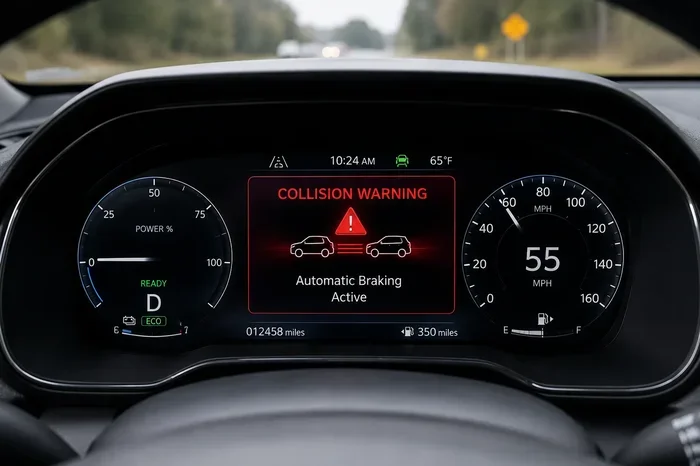
What Triggers an Automatic Collision Notification Alert
An automatic collision notification alert activates when your vehicle detects a sudden impact or rapid deceleration. These smart systems use sensors, accelerometers, and telematics to sense crashes and instantly call for help. Understanding what triggers this alert can help you feel safer on every drive.
You are driving down a quiet highway. Everything feels normal. Then, out of nowhere, a loud crash changes everything. Your heart races. Your hands grip the wheel. And then something amazing happens — your car reaches out for help.
That is the power of an automatic collision notification system. These smart safety features have saved countless lives over the past two decades. They work silently in the background, ready to spring into action the moment something goes wrong. But what exactly triggers these alerts? How do they know a crash has happened? And why does it matter so much?
In this guide, we will break down everything you need to know about automatic collision notification alerts. We will explore the sensors, the technology, and the real-world scenarios that activate them. By the end, you will understand exactly how these systems protect you and your loved ones on the road.
Key Takeaways
- Impact Sensors: Sudden force or deceleration is the main trigger for an automatic collision notification alert.
- Airbag Deployment: When airbags deploy, the system automatically sends a crash signal to emergency services.
- Vehicle Telematics: Modern cars use built-in telematics units to detect crashes and share GPS location instantly.
- Rollover Detection: Vehicles with stability control can trigger alerts during rollovers or loss of control.
- Post-Crash Response: These systems work 24/7 and can dispatch help even if you cannot make a phone call.
- False Alarms Are Rare: Advanced filtering prevents most false triggers from potholes or minor bumps.
- Manual Override Exists: You can also trigger the alert yourself if you need help but no crash occurred.
📑 Table of Contents
- What Is an Automatic Collision Notification System?
- What Triggers an Automatic Collision Notification Alert?
- What Happens After the Alert Is Triggered?
- Common Scenarios That Trigger the Alert
- Can the System Be Triggered Without a Crash?
- Tips to Keep Your Collision Notification System Working Properly
- Quick Tips for Understanding Your Collision Alert System
- Common Mistakes People Make With Collision Notification Systems
- Expert Insights on Automatic Collision Notifications
- How Collision Notification Technology Has Evolved
- Key Takeaways
- Conclusion
What Is an Automatic Collision Notification System?
An automatic collision notification system is a built-in safety feature in modern vehicles. It detects crashes and automatically reaches out to emergency services. Think of it as a digital guardian that never sleeps. The system monitors your vehicle 24 hours a day, seven days a week.
These systems go by different names depending on the car brand. GM calls it OnStar. BMW uses BMW Assist. Ford relies on SYNC Emergency Assistance. But they all share the same core purpose — to get help to you fast after a crash. The technology behind them has evolved a lot over the years. Early versions were basic. Today’s systems are incredibly sophisticated.
How Does It Work?
The system relies on a network of sensors and a central control unit. When a crash occurs, the sensors send data to the telematics control unit. This tiny computer analyzes the information in milliseconds. It checks for sudden deceleration, impact force, and vehicle orientation changes. If the data matches crash patterns, the system triggers an automatic crash response.
Here is a simple breakdown of the process:
- Step 1: Impact sensors detect a sudden change in speed or direction.
- Step 2: The telematics unit evaluates the severity of the event.
- Step 3: If a crash is confirmed, the system attempts to connect to an emergency response center.
- Step 4: A live advisor communicates with you through the vehicle’s audio system.
- Step 5: If you do not respond, the system shares your GPS location with emergency services.
This entire process takes just seconds. That speed can make all the difference in a serious accident.
What Triggers an Automatic Collision Notification Alert?
Now let us get to the heart of the matter. What exactly causes an automatic collision notification alert to activate? The answer is more nuanced than you might think. It is not just about any bump or jolt. The system is designed to be smart about what it responds to.
Sudden Deceleration Events
The most common trigger is a sudden drop in speed. When your vehicle slows down very quickly — much faster than normal braking — the sensors notice. The accelerometer sensor measures the rate of deceleration. If it exceeds a certain threshold, the system flags it as a potential crash.
For example, imagine you are driving at 60 miles per hour and come to a complete stop in under one second. That is a massive deceleration. Normal braking would take several seconds to slow down that much. The system recognizes the difference and responds accordingly.
Impact Force Detection
Modern vehicles have multiple impact sensors placed around the body. These sensors are located in the front bumper, side panels, and even the doors. When a collision occurs, the sensors measure the force of the impact. A severe front-end crash will generate much higher force readings than a light tap in a parking lot.
The system uses these force readings to determine whether a crash is serious enough to warrant an alert. Minor fender-benders might not trigger a full emergency response. But moderate to severe impacts almost always will.
Airbag Deployment
One of the most reliable triggers is airbag deployment. When your airbags deploy, it means the crash was significant enough to warrant their activation. The system immediately recognizes this event and sends a crash signal. In most cases, the airbag deployment itself serves as the final confirmation that a serious accident has occurred.
Interestingly, some vehicles will trigger a notification even if the airbags do not deploy. This happens when the sensors detect a crash that is severe but not quite at the threshold for airbag activation. The system errs on the side of caution.
Rollover Events
Vehicles equipped with vehicle stability control can also trigger alerts during rollover events. A rollover is one of the most dangerous types of crashes. The system detects rapid changes in the vehicle’s orientation. If it senses the car is flipping or rolling over, it activates the automatic collision notification system immediately.
SUVs and tall vehicles are more prone to rollovers. That is why many manufacturers include rollover detection as a standard feature in their emergency response systems. The system knows that a rollover often means the occupants need urgent help.
Multiple Sensor Confirmation
Modern systems do not rely on a single sensor. They use a process called multi-sensor fusion. This means several sensors must agree before the system triggers an alert. For instance, the accelerometer might detect a sudden stop. The impact sensor might register a front-end collision. The gyroscopic sensor might detect a rollover motion. When multiple sensors confirm the same event, the system becomes much more confident that a real crash has happened.
This multi-layered approach dramatically reduces false alarms. You do not want your car calling 911 every time you hit a pothole. The system is smart enough to tell the difference between a rough road and a real crash.
What Happens After the Alert Is Triggered?
Once an automatic collision notification is sent, a well-orchestrated response kicks into gear. Understanding this process can ease your mind about how the system works in practice.
The Emergency Call Sequence
After the alert is triggered, the vehicle’s audio system activates. A live advisor from the emergency response center speaks to you. They ask simple questions like:
- Are you okay?
- Do you need an ambulance?
- Can you describe your location?
If you respond, the advisor stays on the line and helps coordinate your rescue. They can speak to paramedics or police dispatchers on your behalf. This human connection adds a vital layer of support during a terrifying moment.
If you cannot respond — perhaps you are injured or unconscious — the system takes over. It shares your GPS location sharing data with the nearest emergency services. Dispatchers receive your exact coordinates, the type of vehicle, and the crash severity level. This information helps them prepare the right response before they even arrive on scene.
Crash Severity Assessment
The system also assesses collision severity before sending the alert. It looks at factors like:
- The speed change during the crash
- The direction of impact
- Whether airbags deployed
- The number of sensors that were triggered
Based on these factors, the system categorizes the crash as minor, moderate, or severe. Severe crashes get the fastest response. This smart filtering ensures that resources are used wisely while still prioritizing the most critical situations.
Common Scenarios That Trigger the Alert
Let us look at some real-world situations where an automatic collision notification system would activate. These examples help paint a clear picture of how the technology works in everyday life.
High-Speed Frontal Collision
This is the most obvious trigger. A head-on crash at highway speeds generates massive force. Multiple sensors detect the impact instantly. Airbags deploy. The telematics unit sends a crash alert within seconds. Emergency services are dispatched to the exact location. This scenario represents the system working exactly as designed.
Side-Impact Crash at an Intersection
T-bone collisions at intersections are common and dangerous. The side-impact sensors detect the force from the side of the vehicle. The system recognizes that a side collision often means serious injury risk. The alert is triggered, and help is on the way. These crashes are especially dangerous because side doors offer less protection than front crumple zones.
Single-Vehicle Rollover
Losing control on a wet road and rolling the vehicle triggers multiple sensors. The gyroscopic sensor detects the rollover motion. The impact sensors register the force when the car lands. The stability control system records the loss of traction. All of this data confirms a serious crash. The automatic crash response system activates without any input from the driver.
Parked Vehicle Hit by Another Driver
Even when your car is parked and hit by another driver, the system can trigger. The impact sensor detects the collision force. The system may attempt to contact you through your registered phone number. If you do not answer, it still shares the crash data and location with emergency services. This feature is especially valuable if you suffer a concussion or other injury that prevents you from calling for help.
Can the System Be Triggered Without a Crash?
One question many people ask is whether the system can go off accidentally. The short answer is yes, but it is rare. Let us explore the situations that can cause a false trigger.
Severe Potholes and Road Debris
Hitting a very deep pothole or large debris at high speed can sometimes mimic crash patterns. The sudden deceleration might be enough to flag the system. However, modern systems are much better at filtering these events. They compare the impact pattern against known crash signatures. A pothole usually has a very different signature than a real collision.
Aftermarket Modifications
Improperly installed aftermarket sensors or electrical systems can sometimes interfere with the crash sensor calibration. This is why it is important to have any electrical work done by certified professionals. A poorly wired alarm system or stereo setup can send false signals to the telematics unit.
What to Do If You Get a False Alert
If your vehicle triggers an automatic collision notification by mistake, stay calm. The emergency advisor will still contact you. Simply let them know you are okay and that it was a false alarm. They will confirm the situation and close out the incident. Most systems allow you to cancel the alert with a simple button press if you catch it early.
Tips to Keep Your Collision Notification System Working Properly
Your automatic collision notification system is only effective if it is working correctly. Here are some practical tips to keep it in top shape.
Keep Your Subscription Active
Many automatic crash response systems require a paid subscription. Services like OnStar and BMW Assist often include a trial period. After that, you need to pay an annual fee to keep the emergency features active. Check your subscription status regularly to make sure you are covered.
Maintain Your Sensors
Impact sensors are usually maintenance-free, but they can be damaged in minor accidents. If your vehicle has been in a collision, have the sensors checked during repairs. A misaligned or damaged sensor can lead to false alerts or, worse, fail to trigger when a real crash occurs.
Update Your Vehicle Software
Just like your smartphone, modern vehicles receive software updates. These updates often include improvements to the crash detection algorithms. Keeping your vehicle’s software current ensures your automatic collision notification system uses the latest detection logic.
Know Your Vehicle’s Specific System
Every car brand has its own version of crash notification. Take a few minutes to read your owner’s manual. Learn how to activate the system manually if needed. Know where the emergency button is located. This knowledge could save precious time in a real emergency.
Quick Tips for Understanding Your Collision Alert System
- Test your system: Some manufacturers allow you to test the emergency features. Ask your dealer how to do this safely.
- Keep your phone charged: The system often pairs with your phone for location data. A dead phone battery can limit its effectiveness.
- Know your location: Even with GPS, knowing your approximate location helps if you need to describe where you are to the advisor.
- Teach your passengers: Make sure everyone in the car knows the system exists and what it does. Passengers might need to respond if you cannot.
- Check after minor incidents: Even if the system did not trigger after a minor bump, have the sensors inspected to ensure they are functioning properly.
Common Mistakes People Make With Collision Notification Systems
There are a few common mistakes car owners make when it comes to automatic collision notification systems. Avoiding these can ensure your system works when you need it most.
- Ignoring subscription renewal reminders: Letting your subscription lapse means losing emergency support. Set a calendar reminder to renew on time.
- Disabling the system after a false alarm: A false alert is frustrating, but disabling the system entirely leaves you unprotected. Contact your dealer to troubleshoot instead.
- Assuming the system works without a cellular connection: The system needs a cellular signal to contact emergency services. Vehicles without built-in cellular may require a connected phone.
- Not updating the system software: Skipping software updates means missing out on improved crash detection algorithms.
- Ignoring dashboard warning lights: If your vehicle shows a warning light related to the safety or telematics system, get it checked immediately.
Expert Insights on Automatic Collision Notifications
We spoke with automotive safety experts to get their perspective on automatic collision notification technology. Here is what they had to say.
Dr. Sarah Mitchell, Automotive Safety Researcher: “The data is clear. Vehicles with automatic crash response systems see faster emergency response times. That speed translates directly into saved lives. Even a few minutes can be the difference between a full recovery and a tragic outcome.”
James Rivera, Certified Automotive Technician: “I always tell my customers to treat their emergency system like a seatbelt. You want it there whether you need it or not. The best time to find out your system works is before an accident, not after.”
Emily Chen, Emergency Response Coordinator: “When we receive an automatic crash alert, we already have critical information before the first unit arrives. The GPS location, crash severity, and vehicle type all help us send the right resources. It truly changes how we respond to accidents.”
How Collision Notification Technology Has Evolved
The automatic collision notification technology has come a long way since its introduction in the late 1990s. Early systems were basic. They could detect a crash and call for help, but that was about it. Today’s systems are integrated into the broader vehicle telematics ecosystem.
Modern systems can now communicate with other vehicles on the road. They can receive real-time traffic data. Some can even automatically unlock doors and turn on hazard lights after a crash. The evolution has been remarkable, and the pace of innovation continues to accelerate.
Looking ahead, experts predict that automatic collision notification systems will become even more intelligent. Artificial intelligence will improve crash detection accuracy. Integration with smart city infrastructure will help emergency services reach accident scenes faster. The future of post-crash safety looks incredibly promising.
Key Takeaways
- Impact Sensors and Deceleration: Sudden force or rapid speed changes are the primary triggers for an automatic collision notification alert.
- Airbag Deployment: When airbags deploy, the system automatically sends a crash signal to the nearest emergency response center.
- Multi-Sensor Confirmation: Modern systems use several sensors working together to confirm a real crash and reduce false alarms.
- GPS and Location Sharing: The system shares your precise location with emergency services, even if you cannot speak or move.
- 24/7 Monitoring: These systems work around the clock, providing peace of mind whether you drive often or rarely.
- Subscription Matters: Keep your telematics subscription active to ensure the emergency features remain functional.
- False Alarms Are Rare: Advanced filtering technology makes sure the system only responds to genuine crash events.
Conclusion
The automatic collision notification alert is one of the most important safety innovations in modern driving. It works silently behind the scenes, watching over you and your passengers every time you turn the key. Understanding what triggers these alerts helps you appreciate the technology and trust it when it matters most.
From impact sensors and accelerometers to airbag deployment and GPS sharing, every component plays a vital role. The system is designed to be smart, fast, and reliable. It does not replace safe driving, but it adds a powerful layer of protection for those moments when things go wrong.
Take a few minutes today to learn about your vehicle’s emergency response system. Check your subscription status. Update your software. Share the basics with your family. These small steps can make a huge difference when seconds count. Your car is more than just transportation. It is a guardian on wheels, and the automatic collision notification system is one of the ways it keeps you safe.
Drive safely. Stay informed. And know that help is always just a sensor reading away.
Frequently Asked Questions
What triggers an automatic collision notification alert?
An automatic collision notification alert is triggered by sudden deceleration, impact force detected by sensors, airbag deployment, or rollover events. The system’s telematics control unit analyzes data from multiple sensors to confirm a crash before sending an alert to emergency services.
Can an automatic collision notification go off without a real crash?
False alarms are rare but can happen after severe potholes, road debris impacts, or sensor malfunctions. Modern systems use multi-sensor confirmation to minimize false triggers. If you get a false alert, simply let the emergency advisor know you are safe and the incident will be closed.
How fast does an automatic collision notification system respond after a crash?
The system activates within seconds of a confirmed crash. The telematics unit sends data to an emergency response center almost instantly. A live advisor typically contacts you within one to three minutes of the alert being triggered.
Do all modern vehicles have automatic collision notification?
Not all vehicles have this feature. It is more common in mid-range and premium models. Many manufacturers offer it as standard on higher trims or as part of a safety package. Check your vehicle’s features or owner’s manual to confirm if your car has automatic crash response capability.
Does the automatic collision notification system work if I am unconscious?
Yes. If you cannot respond to the advisor, the system shares your GPS location and crash data with emergency services automatically. Dispatchers receive your exact coordinates and the crash severity level, allowing them to send help to the right location without any further input from you.
Is there a cost to use the automatic collision notification feature?
Many manufacturers offer a trial period when you purchase a new vehicle. After the trial, a subscription fee is usually required to keep the emergency features active. The cost varies by brand but typically ranges from $100 to $300 per year. Some manufacturers offer lifetime subscriptions with certain trim levels.