How Often Should Leather Car Seats Be Properly Conditioned
Leather car seats need regular conditioning to stay soft, supple, and protected from damage. Most experts recommend conditioning every 3 to 6 months, but the exact frequency depends on your climate, driving habits, and seat quality. Proper leather conditioning prevents cracks, fading, and costly repairs while keeping your car interior looking premium for years.
Your leather car seats are one of the first things people notice when they step inside your vehicle. They look sleek, feel luxurious, and add real value to your car. But here is the truth. Leather needs care to stay that way. Without regular maintenance, it dries out, cracks, and fades. That is where leather conditioning comes in. In this guide, we will answer the big question: how often should leather car seats be conditioned. We will also cover why it matters, when your seats need attention, and the best way to do it right.
Whether you drive daily or only on weekends, your leather seats face constant wear. Sunlight, heat, cold, and even the oils from your skin take a toll over time. The good news is that keeping them in great shape is not hard. It just takes a little know-how and a simple routine. By the end of this article, you will know exactly how often to condition, which products to use, and how to avoid mistakes that cost you money. Let us get into it.
Key Takeaways
- Condition every 3 to 6 months: This is the general rule for most vehicles, but usage and climate can change this.
- Climate matters a lot: Hot, dry, or cold environments demand more frequent conditioning than mild climates.
- Watch for warning signs: Dryness, stiffness, fading, and small cracks all signal it is time to condition.
- Use the right product: Not all leather conditioners are equal. Pick formulas designed for automotive leather.
- Prep before conditioning: Cleaning the seats first ensures the conditioner absorbs properly and works better.
- Avoid common mistakes: Over-conditioning, using household products, and skipping UV protection can cause more harm than good.
📑 Table of Contents
- Why Leather Car Seats Need Conditioning
- How Often Should You Condition Leather Car Seats
- Signs Your Leather Seats Need Conditioning
- Best Leather Conditioning Products
- Step-by-Step Guide to Conditioning Leather Seats
- Common Mistakes When Conditioning Leather Seats
- Expert Insights on Leather Seat Care
- Key Takeaways
- Conclusion
Why Leather Car Seats Need Conditioning
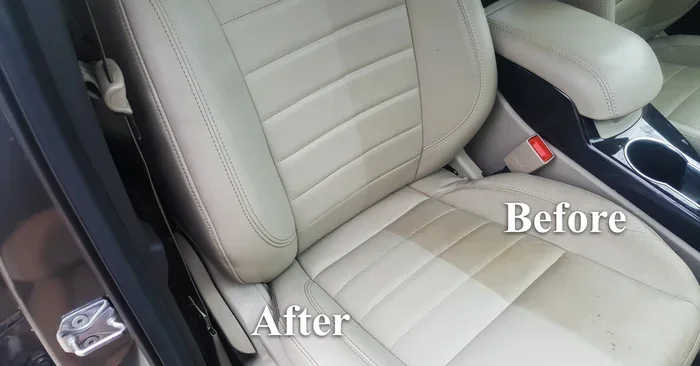
Leather is a natural material. It comes from animal hide, and just like your skin, it needs moisture to stay healthy. Without proper care, leather upholstery loses its natural oils. Once those oils disappear, the leather becomes stiff and brittle. Over time, this leads to cracked leather and permanent damage.
Here is what happens when you neglect your leather seat care:
- Moisture loss: The leather dries out from sun exposure and regular use. It starts to feel rough and tight.
- Cracking and splitting: Dry leather cannot flex. When you sit down or adjust your position, the material stretches beyond its limit and cracks form.
- Fading and discoloration: UV rays break down the dye in the leather. Seats start to look washed out and uneven.
- Reduced lifespan: Well-maintained automotive leather can last 10 to 15 years or more. Neglected leather may need full replacement in just 3 to 5 years.
Leather conditioning replenishes the lost oils and creates a protective barrier. Think of it like moisturizer for your seats. It keeps them supple, soft, and resistant to everyday wear. The leather conditioning schedule you follow plays a huge role in how long your seats look and feel their best.
How Often Should You Condition Leather Car Seats
The short answer is every 3 to 6 months. But the full answer is more nuanced. The right frequency depends on several factors. Let us break it down so you can find the perfect routine for your situation.
Conditioning Based on Climate
Where you live has a big impact on how fast your leather seats dry out. In hot, dry climates, the sun pulls moisture from the leather quickly. If you live in a desert or southern region, you should condition leather car seats every 2 to 3 months. The intense UV exposure and heat strip oils faster than in other areas.
In cold climates, the story is different. Low humidity and freezing temperatures can also dry out leather. Winter months often mean you run the heater constantly, which further dries the material. If you live up north, conditioning every 3 to 4 months is a solid routine.
For those in mild, temperate climates, every 4 to 6 months should work well. Your seats face less extreme stress, so the natural oils last longer. But even in mild weather, do not skip conditioning entirely. Prevention is always cheaper than repair.
Conditioning Based on Vehicle Usage
How much you drive also matters. If you commute daily or log long road trips, your seats take more abuse. Daily use means more friction, more skin contact, and more exposure to the elements. For heavy daily drivers, conditioning every 3 months is a smart move.
On the other hand, if your car sits in the garage most of the time and you only drive occasionally, you can stretch the interval to every 5 or 6 months. Even so, do not let it go longer than 6 months. Leather does not forgive long gaps in care.
Here is a quick reference table to help you figure out your schedule:
- Hot, dry climate + daily driving: Every 2 to 3 months
- Cold climate + daily driving: Every 3 to 4 months
- Mild climate + daily driving: Every 4 to 5 months
- Hot, dry climate + occasional driving: Every 3 to 4 months
- Cold climate + occasional driving: Every 4 to 5 months
- Mild climate + occasional driving: Every 5 to 6 months
Signs Your Leather Seats Need Conditioning
You do not always need a calendar to know when to condition. Your seats will tell you. Learning to spot the early warning signs of dry leather can save you from expensive repairs later.
Visual Cues
The first sign is usually visual. Look closely at your leather seats. Do you see any fading? Are the colors lighter in some spots than others? Fading is one of the earliest indicators that the leather is losing its protective oils.
Next, check for fine lines or hairline cracks. These are different from deep cracks. Fine lines look like tiny surface wrinkles, especially when you run your hand across the seat. They mean the leather is starting to dehydrate. At this stage, conditioning can still reverse the damage.
Also watch for any white or chalky spots. This is called oxidation, and it happens when the leather has been exposed to air and moisture for too long without protection.
Feel and Texture
Touch your seats. Do they feel smooth and soft, or rough and stiff? Healthy leather upholstery should feel supple and slightly cool to the touch. If the seats feel dry, sticky, or rough, it is time to condition.
Another test is the pinch test. Gently pinch a small area of the seat. If the leather springs back quickly, it still has good moisture. If it stays wrinkled or feels rigid, the leather needs hydration fast.
Smell
This one is subtle but important. Freshly conditioned leather has a rich, smooth smell. When leather dries out, it can develop a slightly dusty or stale odor. If your car interior smells off, the leather might be crying out for a treatment.
Best Leather Conditioning Products
Not all leather car seat conditioner products are created equal. The market is full of options, and choosing the right one makes a real difference in how well your seats are protected.
Types of Leather Conditioners
There are three main types of leather seat treatment products you will encounter:
- Water-based conditioners: These are the most popular choice for automotive leather. They absorb well, do not leave a greasy residue, and are safe for most seat types. Brands like Leather Honey and 303 Aerospace Protectant are widely trusted.
- Oil-based conditioners: These penetrate deep into the leather and provide long-lasting moisture. They work great for older, drier seats. However, they can sometimes feel greasy if you use too much.
- Synthetic protectants: These create a surface barrier that shields the leather from UV rays and spills. They are great as a secondary layer but should not replace a proper conditioner.
What to Look For
When shopping for a leather conditioning product, look for these features:
- UV protection to prevent sun damage
- Lanolin or vitamin E for deep moisture
- pH-balanced formulas designed for automotive leather
- Non-greasy finish that does not slip on the seat
- Fungal and mildew inhibitors for long-term protection
Avoid products with petroleum distillates or harsh solvents. These can dry out the leather over time and cause more harm than good. Stick with products made specifically for car interiors.
Step-by-Step Guide to Conditioning Leather Seats
Conditioning your seats the right way matters just as much as how often you do it. Follow these steps for the best results.
Step 1: Clean the Seats First
Never condition dirty leather. Dirt and debris sit on the surface and block the conditioner from soaking in. Start by wiping down the seats with a damp microfiber cloth. For deeper cleaning, use a dedicated leather cleaner and a soft brush. Wipe off all residue and let the seats dry completely before moving on.
Step 2: Apply the Conditioner
Squeeze a small amount of conditioner onto a soft applicator cloth. Work it into the leather using gentle, circular motions. Cover the entire surface, including the sides and seams. Do not use too much product. A little goes a long way with quality leather seat conditioner.
Step 3: Let It Absorb
Give the conditioner time to soak in. Most products need 10 to 20 minutes to penetrate the leather fully. Check the instructions on your specific product for exact timing. Do not rush this step.
Step 4: Buff Off the Excess
After the absorption time, use a clean, dry cloth to buff away any leftover conditioner. The seats should feel smooth and soft, not sticky or wet. A light buff also helps the product set and creates a nice even finish.
Step 5: Repeat Regularly
Set a reminder on your phone or calendar for your next leather conditioning session. Consistency is the key to long-lasting leather seat durability. A few minutes every few months can add years to the life of your seats.
Common Mistakes When Conditioning Leather Seats
Even with the best intentions, people make mistakes that hurt their leather seats maintenance efforts. Here are the most common ones to avoid.
Over-Conditioning
More is not always better. Applying too much conditioner can clog the leather pores and create a slippery, greasy surface. This can actually make the seats less safe if they become too slick. Stick to the recommended amount and frequency for your leather conditioning routine.
Using Household Products
Some people reach for coconut oil, olive oil, or household leather cleaners. These are not designed for automotive leather and can cause damage. Coconut oil, for example, can go rancid over time and leave a bad smell. Always use products made for car interiors.
Skipping UV Protection
UV damage is the number one enemy of leather seats. Even if your conditioner has UV protection, you should also use a sunshade or park in the shade when possible. Combining good products with smart habits gives your seats the best defense.
Ignoring Small Cracks
Small cracks might seem harmless, but they grow over time. If you notice fine lines or surface cracks, condition the seats immediately. Ignoring them will lead to deeper damage that is much harder and more expensive to fix.
Expert Insights on Leather Seat Care
We spoke with several automotive detailing professionals to get their top tips for maintaining leather car seats. Here is what they had to say.
Start conditioning early. Do not wait until the leather shows signs of damage. As soon as you buy a car with leather seats, begin a regular conditioning routine. Prevention always beats repair.
Condition in the shade. Never condition your seats in direct sunlight or in a hot car. The heat causes the conditioner to evaporate too quickly, and it does not absorb properly. A cool, shaded garage is the best place to work.
Do a spot test first. Before applying any new product to your entire seat, test it on a small hidden area. This ensures the product does not discolor or damage the leather.
Pair conditioning with regular cleaning. Dirt and dust break down leather fibers over time. A quick wipe-down once a week with a damp cloth goes a long way. Combine this with your conditioning schedule for the best results.
Invest in quality. Cheap conditioners may seem like a savings, but they often contain fillers and harsh chemicals. A quality leather car seat conditioner costs a bit more but protects your investment for the long haul.
Key Takeaways
- Condition every 3 to 6 months: This is the general rule for most vehicles, but usage and climate can change this.
- Climate matters a lot: Hot, dry, or cold environments demand more frequent conditioning than mild climates.
- Watch for warning signs: Dryness, stiffness, fading, and small cracks all signal it is time to condition.
- Use the right product: Not all leather conditioners are equal. Pick formulas designed for automotive leather.
- Prep before conditioning: Cleaning the seats first ensures the conditioner absorbs properly and works better.
- Avoid common mistakes: Over-conditioning, using household products, and skipping UV protection can cause more harm than good.
Conclusion
Taking care of your leather car seats does not have to be complicated or time-consuming. The key is consistency. By following a regular leather conditioning schedule, you keep your seats looking great and feeling comfortable for years to come. Most leather seats need conditioning every 3 to 6 months, but adjust that based on your climate, driving frequency, and the condition of the leather.
Remember to watch for the warning signs of dry or damaged leather. Clean before you condition. Use quality products made for automotive use. And avoid the common mistakes that can undo all your hard work. A little effort today saves you from expensive repairs tomorrow.
Your car interior is a reflection of how you take care of what matters. Treat your leather seats right, and they will reward you with comfort, beauty, and lasting value. Start your conditioning routine today, and your future self will thank you every time you slide into that smooth, supple seat.
Frequently Asked Questions
Can I condition my leather car seats too often?
Yes, over-conditioning is a real concern. Applying conditioner too frequently can clog the leather pores and create a greasy, slippery surface. Stick to every 3 to 6 months unless your seats show signs of extreme dryness. Less is often more when it comes to leather conditioning.
What happens if I never condition my leather car seats?
Without conditioning, leather seats lose their natural oils and moisture. They become dry, stiff, and prone to cracking. UV damage accelerates, and the seats fade and deteriorate faster. Eventually, you may need costly repairs or full seat replacement. Regular leather care prevents this entirely.
Can I use household products like coconut oil on my leather seats?
It is not recommended. Household oils and cleaners are not formulated for automotive leather. Coconut oil, for example, can go rancid, leave a sticky residue, and attract dirt. Always use a dedicated leather car seat conditioner designed for car interiors to get the best and safest results.
How long does a leather conditioning treatment last?
A single conditioning session typically protects your leather seats for about 3 to 6 months. The exact duration depends on your climate, how often you drive, and the quality of the conditioner used. Signs that the protection has worn off include dryness, stiffness, and fading of the leather surface.
Should I condition new leather car seats?
Absolutely. New leather seats still benefit from conditioning, even though they have not been exposed to wear yet. Starting early builds a protective barrier that helps the leather resist damage from day one. It is one of the best leather seat maintenance habits you can develop.
Is it better to condition leather seats in the sun or in the shade?
Always condition in the shade. Direct sunlight and high temperatures cause the conditioner to evaporate too quickly, preventing proper absorption. A cool, shaded area like a garage gives the product time to soak in and work effectively. This small tip makes a big difference in how well your leather conditioning treatment works.
=== CONCLUSION ===
How often should leather car seats be conditioned is a question with a straightforward answer: every 3 to 6 months for most drivers. But the real secret is tailoring that schedule to your specific situation. Climate, usage, and the condition of your seats all play a role. By staying consistent with your leather seat conditioning routine, you protect your investment and enjoy comfortable, beautiful seats for years to come. Start today, stay consistent, and let your leather seats shine.