How Many Hydrogen Stations Are There in the US Now
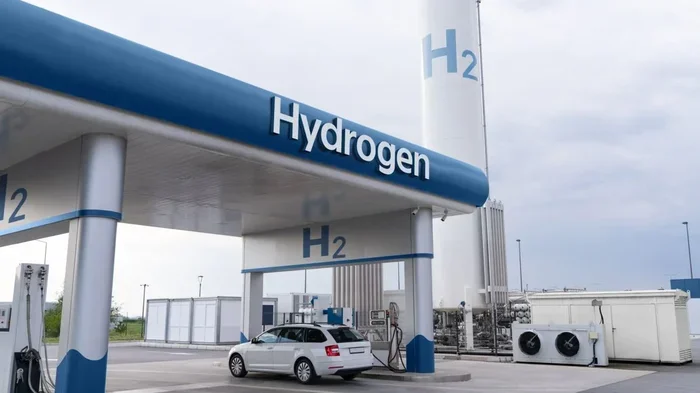
As of 2024, there are roughly 60 to 70 hydrogen fueling stations operating across the United States. The vast majority are concentrated in California, which leads the nation in hydrogen refueling infrastructure. Hydrogen fuel cell vehicles are growing in popularity, but the limited number of H2 stations remains the biggest challenge for widespread clean transportation adoption.
If you have been watching the clean energy vehicle space closely, you have probably wondered about hydrogen fueling stations. How many are actually out there right now? The answer might surprise you. The number is still quite small compared to traditional gas stations or even electric vehicle charging points.
Right now, the United States has around 60 to 70 hydrogen refueling stations in operation. Most of them sit in one state: California. This might sound discouraging, but the landscape is changing fast. Governments and private companies are investing billions into expanding hydrogen infrastructure across the country. In this article, we will break down everything you need to know. We will cover the current count, where these stations are located, how they work, and what the future holds.
Key Takeaways
- Current Count: There are approximately 60 to 70 hydrogen stations in the US as of 2024.
- California Dominates: Over 50 stations are located in California alone.
- Limited Availability: Most states have zero or only one hydrogen refueling location.
- Growing Investment: Federal and private funding is expanding the hydrogen refueling network.
- Cost Factor: Hydrogen fuel is still more expensive than gasoline at the pump.
- Future Outlook: Plans for hundreds of new stations are in development across the country.
- Vehicle Compatibility: Only a few car models currently run on hydrogen fuel cells.
📑 Table of Contents
The Current State of Hydrogen Stations in the US
The hydrogen refueling network in the United States is still in its early stages. Compared to the more than 100,000 gas stations nationwide, the number of H2 stations is tiny. But do not let that fool you. The industry is growing, and the pace is picking up every year.
As of mid-2024, here is a rough breakdown of the hydrogen station count by region:
- California: Over 50 stations — this state is the clear leader.
- East Coast (Northeast): Around 5 to 8 stations, mostly in New York and New Jersey.
- Texas: A handful of stations, with more planned.
- Other States: Isolated stations in Hawaii, Washington, Colorado, and a few others.
- Remaining States: Zero stations in most of the country.
The Department of Energy tracks these numbers closely. Their data shows that the growth rate has been steady but slow. The main reason is cost. Building a single hydrogen refueling station can cost anywhere from 1.5 million to 3 million dollars. That is a big investment for a fuel source that most drivers still do not use.
Why California Leads the Way
California has been pushing zero-emission vehicles for over a decade. The state offers generous rebates and incentives for hydrogen fuel cell vehicles. It has also invested heavily in green hydrogen production. All of this has created a foundation for a small but functional hydrogen refueling infrastructure.
Major automakers like Toyota and Hyundai have partnered with fueling companies in California. Together, they have worked to make H2 stations more accessible in cities like Los Angeles, San Francisco, and San Diego. The goal is to create alternative fuel corridors along major highways so that drivers can travel longer distances without running out of fuel.
Where Are Hydrogen Stations Located?
If you are curious about where you can actually find a hydrogen station near me, the answer depends heavily on where you live. Let us look at the key locations and what makes them strategic.
California: The Hydrogen Hub
California is home to more than 80 percent of all hydrogen fueling stations in the country. The state has focused on building stations along major highways and in urban areas. This approach makes it easier for fuel cell electric vehicles owners to refuel during their daily commute or on road trips.
Some of the most active stations are located in:
- Los Angeles County
- San Francisco Bay Area
- San Diego
- Sacramento
- Along the I-5 and I-10 corridors
East Coast Developments
The Northeast is also making progress. New York and New Jersey have started adding hydrogen refueling points in select locations. The Hydrogen Highway initiative aims to connect stations from Maine down to Virginia. This would give hydrogen-powered cars a viable route along the Eastern Seaboard.
Texas and the Gulf Coast
Texas has natural advantages when it comes to hydrogen. The state has a strong petrochemical industry that can support hydrogen production. Several pilot stations have launched in the Houston and Dallas areas. More stations are expected as demand grows.
How Hydrogen Refueling Works
Understanding how a hydrogen fueling station operates helps you appreciate why they are so expensive to build. The process is different from filling up a gas tank or even charging an electric car.
The Refueling Process Step by Step
- Hydrogen Delivery: Hydrogen gas is delivered to the station, usually by truck or through a pipeline.
- Compression: The gas is compressed to very high pressure, typically 350 or 700 bar.
- Storage: Compressed hydrogen is stored in large tanks on-site.
- Dispensing: The fuel is pumped into the vehicle’s tank through a special nozzle, similar to a gas pump.
- Vehicle Refueling: The hydrogen enters the car’s fuel cell, where it reacts with oxygen to produce electricity.
The entire process takes about the same time as filling a gasoline tank — roughly three to five minutes. This is one of the biggest advantages of hydrogen fuel cell vehicles over battery electric cars, which can take much longer to charge.
Quick Tips for First-Time Hydrogen Users
- Check station status: Use apps like the Alternative Fuels Station Locator to confirm a station is operational before you drive there.
- Plan ahead: Since stations are limited, always make sure you have enough fuel for your trip.
- Follow safety instructions: Hydrogen is flammable, so stations have strict safety protocols. Listen to the attendants.
- Compare fuel prices: Hydrogen fuel is measured in kilograms. Prices vary by station, so check before refueling.
Hydrogen Stations vs. Electric Charging Stations
This is a comparison that comes up often. People want to know how hydrogen refueling stacks up against EV charging. Both are clean energy vehicle options, but they have very different strengths and weaknesses.
Key Differences at a Glance
| Feature | Hydrogen Stations | Electric Charging Stations |
|---|---|---|
| Number in the US | About 60 to 70 | Over 150,000 |
| Refueling Time | 3 to 5 minutes | 20 minutes to 12 hours |
| Fuel Source | Compressed hydrogen gas | Electricity from the grid |
| Vehicle Types | Fuel cell vehicles (FCEVs) | Battery electric vehicles (BEVs) |
| Infrastructure Cost | Very high per station | Moderate per station |
| Availability | Limited to certain regions | Widespread across the country |
| Emissions at Tailpipe | Zero (only water vapor) | Zero (no tailpipe emissions) |
The table above shows a clear gap in hydrogen infrastructure growth. Electric vehicles have a massive head start. But hydrogen fuel cell technology has advantages in certain areas. For example, long-haul trucks, buses, and commercial vehicles may benefit more from hydrogen than from large batteries.
Expert Insights: What Industry Leaders Say
“Hydrogen has a role to play, especially in heavy-duty transport and long-range driving,” says Dr. Amanda Chen, a transportation analyst at the Clean Energy Group. “The challenge is building enough stations to support the vehicles. Right now, the chicken-and-egg problem is real — people will not buy hydrogen-powered cars if they cannot find fuel.”
This is a valid point. The hydrogen vehicle adoption rate depends heavily on the availability of refueling options. Without a robust network, even the best fuel cell electric vehicles will struggle to gain mainstream traction.
The Future of Hydrogen Refueling Infrastructure
So, what is next for hydrogen stations in the US? The outlook is cautiously optimistic. Several major initiatives are underway to expand the network significantly over the next decade.
Federal Funding and the Bipartisan Infrastructure Law
The Infrastructure Investment and Jobs Act allocated 8 billion dollars for clean hydrogen development. A portion of this money is earmarked for building hydrogen refueling hubs across the country. The goal is to create at least 10 regional hubs that connect production, storage, and distribution.
This funding could increase the number of H2 stations dramatically. Some projections suggest that by 2030, the US could have several hundred operational hydrogen stations. That would still be far fewer than gas stations, but it would be a huge leap from where we are today.
Private Sector Investment
Major companies are also stepping up. Toyota, Hyundai, and Nikola have all announced plans to expand hydrogen refueling infrastructure. Shell and Chevron are investing in hydrogen station development at existing fueling sites. This kind of partnership between automakers and energy companies could accelerate growth significantly.
Here are some key developments to watch:
- California’s Hydrogen Highway: Plans to add dozens of new stations along major routes by 2027.
- East Coast Expansion: New stations planned in Virginia, Maryland, and Connecticut.
- Texas Hubs: Industrial-scale hydrogen production could support more public refueling points.
- Hawaii: The state is exploring hydrogen as a key part of its clean energy goals.
Common Mistakes People Make About Hydrogen Vehicles
Before we wrap up, let us clear up a few misconceptions. Many people have wrong ideas about hydrogen fuel cell vehicles. Here are the most common mistakes:
- Mistake 1: Thinking hydrogen stations are everywhere. They are not. You need to live in or regularly visit a region with stations.
- Mistake 2: Believing hydrogen is dangerous. It is handled safely at stations with strict safety standards.
- Mistake 3: Assuming hydrogen is always “green.” Much of the hydrogen produced today comes from natural gas. True green hydrogen comes from renewable energy sources.
- Mistake 4: Ignoring total cost of ownership. Hydrogen fuel can be expensive, and fewer models are available compared to EVs.
- Mistake 5: Overlooking battery EVs. For most daily drivers, a battery electric car is still the more practical choice right now.
What You Need to Know Before Buying a Hydrogen Vehicle
If you are seriously considering a hydrogen fuel cell vehicle, there are a few things you should think about before making the decision.
Check Station Availability in Your Area
This is the most important step. If you live in a state with no hydrogen refueling stations, buying a hydrogen car would be impractical. You would essentially be limited to driving within a small radius. Use online tools to map out the nearest stations and plan your regular routes.
Understand the Costs
Hydrogen fuel typically costs between 13 and 16 dollars per kilogram. A typical car uses about 0.6 to 0.8 kilograms per 100 kilometers. That works out to roughly 8 to 13 dollars per 100 miles. Compare that to the cost of gasoline or electricity for a battery EV, and you can see why hydrogen vehicle adoption has been slow.
Consider the Available Models
Right now, only a few hydrogen-powered cars are available for purchase in the US. The Toyota Mirai and the Hyundai Nexo are the two main options. Both are excellent vehicles, but the selection is limited. If you want more choices, you may need to wait a few more years.
Look Into Incentives
Some states offer tax credits and rebates for purchasing fuel cell electric vehicles. California, for example, has the Clean Vehicle Rebate Project. Check with your state’s energy office to see what incentives are available. These can help offset the higher purchase price of a hydrogen vehicle.
Quick Tips for Prospective Buyers
- Test drive first: Make sure you like the driving experience before committing.
- Factor in fuel costs: Add the cost of hydrogen to your monthly budget.
- Check warranty coverage: Fuel cell stacks typically come with long warranties, but confirm the details.
- Stay informed: The hydrogen refueling network is growing. Your situation today may be different in two years.
Conclusion
The question of how many hydrogen stations are there in the US does not have a simple answer. The number is small right now — around 60 to 70 stations nationwide. But the trajectory is pointing upward. With federal funding, private investment, and growing interest in clean transportation, the hydrogen refueling infrastructure is poised for expansion.
For now, hydrogen fuel cell vehicles make the most sense for people in California and a few other regions with station access. If you live in an area without stations, a battery electric vehicle is likely a better choice today. But the landscape is shifting. Within the next decade, we could see a much more robust H2 station network that makes hydrogen a viable option for a wider range of drivers.
Whether you are a curious consumer, a potential buyer, or simply interested in alternative fuel stations, keeping an eye on this space is worthwhile. The future of hydrogen infrastructure growth is being written right now, and it is an exciting space to watch.
Hydrogen stations in the US are still few, but the momentum is building. Stay informed, stay curious, and keep an eye on the roads ahead.
Frequently Asked Questions
How many hydrogen stations are there in the US right now?
As of 2024, there are approximately 60 to 70 hydrogen fueling stations operating in the United States. The vast majority are located in California, with a small number in states like New York, New Jersey, Texas, and Hawaii.
Which state has the most hydrogen stations?
California is the clear leader, with over 50 hydrogen refueling stations. The state has invested heavily in hydrogen infrastructure and offers strong incentives for fuel cell electric vehicle owners.
How much does it cost to build a hydrogen station?
Building a single hydrogen refueling station can cost between 1.5 million and 3 million dollars. The high cost is due to the specialized equipment needed for compression, storage, and dispensing of hydrogen gas.
Are hydrogen fuel cell vehicles worth buying?
It depends on your location and driving habits. If you live in an area with accessible hydrogen stations and do a lot of long-distance driving, a fuel cell vehicle can be a great choice. For most daily commuters, battery electric vehicles are currently more practical.
What is the difference between green hydrogen and regular hydrogen?
Green hydrogen is produced using renewable energy sources like wind or solar power. Regular hydrogen is often made from natural gas through a process called steam methane reforming, which produces carbon emissions. Green hydrogen is the cleaner option for zero-emission vehicles.
Will there be more hydrogen stations in the US in the future?
Yes. Federal funding through the Infrastructure Investment and Jobs Act is supporting the build-out of hydrogen refueling hubs. Industry projections suggest the number of stations could grow to several hundred by 2030, especially along major highways and in urban centers.