How Big Is a Honda Civic Gas Tank and Fuel Capacity
The Honda Civic gas tank holds approximately 12.4 gallons in most modern models, giving you a solid driving range of around 450 to 550 miles per fill-up depending on the trim and engine. Whether you drive the Honda Civic sedan or hatchback, knowing your fuel tank size helps you plan road trips, estimate costs, and compare efficiency across different trim levels and model years.
If you own a Honda Civic or are thinking about buying one, you have probably wondered about the gas tank size at some point. It is a simple question, but the answer matters more than most people realize. Your fuel tank capacity directly affects your driving range, how often you stop for gas, and even your overall cost of ownership. In this guide, we will break down everything you need to know about the Honda Civic gas tank. We will cover the exact fuel capacity, how it compares across trims, and what it means for your daily driving and long road trips.
The Honda Civic has been one of the most popular compact sedans in America for decades. Millions of drivers trust it for its reliability, fuel efficiency, and affordable price tag. But beneath the hood and exterior design lies a carefully engineered fuel system that plays a big role in how the car performs. The gas tank size is not just a random number Honda picked. It is the result of years of testing, aerodynamics, and balancing weight with range. So let us dive into the details and find out exactly how big that tank really is.
Key Takeaways
- Standard Tank Size: Most Honda Civic models come with a 12.4-gallon fuel tank, offering a reliable range for daily commutes and road trips.
- Fuel Economy Matters: The Honda Civic delivers impressive MPG ratings, with some trims reaching up to 40 highway MPG, stretching your range even further.
- Hybrid vs Gas: Honda Civic hybrid models use a smaller battery but still rely on the gas engine at certain speeds, which affects overall fuel consumption.
- Trim-Level Differences: Different trims may vary slightly in weight and fuel capacity, impacting your total driving range.
- Practical Planning: Knowing your tank size helps you estimate fuel costs, plan refueling stops, and compare the Honda Civic to other compact sedans.
- Model Year Changes: Honda has refined the Civic tank design over the years, so older models may differ slightly from current ones.
📑 Table of Contents
- Honda Civic Gas Tank Size and Fuel Capacity
- Fuel Economy and Real-World Driving Range
- Honda Civic Trim Levels and Tank Specifications
- Hybrid vs Gas Honda Civic: How the Fuel System Differs
- How to Maximize Your Honda Civic Fuel Range
- Common Mistakes That Waste Fuel in the Honda Civic
- Expert Insights on Honda Civic Fuel Tank Design
- How Fuel Weight Affects Your Honda Civic’s Performance
- Final Thoughts on the Honda Civic Gas Tank Size
Honda Civic Gas Tank Size and Fuel Capacity
The standard Honda Civic gas tank holds 12.4 gallons. This is the figure you will find across most model years from the 2016 generation through the current 2024 models. Honda has kept this capacity fairly consistent because it strikes a great balance between range, weight, and interior space. A larger tank would add weight and take up room, while a smaller tank would mean more frequent stops at the pump.
Now, 12.4 gallons might not sound like a lot. But here is the magic of the Honda Civic: its excellent fuel economy. With an EPA rating of around 32 MPG in the city and 42 MPG on the highway, a full tank can take you anywhere from 400 to 520 miles. That is a serious range for a compact car. You could drive from New York City to Chicago on a single tank and still have fuel to spare.
The exact range depends on several factors, which we will cover below. But the bottom line is clear. The Honda Civic fuel tank is sized perfectly for the car’s efficiency profile. It gives you enough range to feel confident on any trip without adding unnecessary weight.
How Does the Honda Civic Gas Tank Compare to Competitors?
It is always helpful to compare numbers. Here is how the Honda Civic stacks up against some popular compact sedans in terms of fuel tank capacity and estimated range:
Toyota Corolla: 13.2-gallon tank with a range of about 528 miles at 40 MPG combined.
Mazda3: 13.2-gallon tank with a range of roughly 500 miles.
Hyundai Elantra: 12.4-gallon tank, very similar to the Civic.
Ford Focus: 13.5-gallon tank, slightly larger but less efficient.
As you can see, the Honda Civic keeps its tank competitive. The 12.4-gallon capacity puts it right in the sweet spot among its rivals. It is not the largest, but the Civic makes up for it with superior fuel economy. This means the Civic often matches or beats competitors in total range despite having a slightly smaller tank.
Fuel Economy and Real-World Driving Range
The Honda Civic gas tank size only tells half the story. The other half is how efficiently the car uses that fuel. Honda has engineered the Civic to be one of the most fuel-efficient compact sedans on the road. But real-world numbers can vary based on driving habits, road conditions, and weather.
City vs Highway MPG
In city driving, the Honda Civic typically delivers between 30 and 33 MPG depending on the trim and engine type. City driving involves more stops and starts, which uses more fuel. However, the Civic’s lightweight design and efficient engine help it stay competitive in stop-and-go traffic.
On the highway, the numbers climb. Most Civic models achieve 40 to 42 MPG at steady speeds. This is where the 12.4-gallon fuel tank capacity really shines. A highway driver can cover over 500 miles on a single tank. That is the kind of range that makes long road trips stress-free and affordable.
Factors That Affect Your Actual Range
Several real-world factors can change how far you actually go on a full tank:
- Driving Style: Aggressive acceleration and hard braking burn more fuel. Smooth, steady driving maximizes your range.
- Speed: Driving at very high speeds increases aerodynamic drag and fuel consumption. Most efficient speeds fall between 45 and 65 mph.
- Tire Pressure: Underinflated tires create more rolling resistance, which reduces fuel economy.
- Air Conditioning Use: Running the AC puts extra load on the engine, especially in hot weather.
- Traffic Conditions: Heavy traffic and frequent idling lower your MPG significantly.
- Vehicle Weight: Extra cargo or passengers add weight, which the engine must work harder to move. Carrying extra weight in your vehicle can reduce your fuel range more than you might expect.
Keeping these factors in mind helps you get the most out of every gallon. The Honda Civic gas tank is designed to work with the car’s overall efficiency, so driving smart is the best way to maximize your range.
Honda Civic Trim Levels and Tank Specifications
The Honda Civic comes in several trim levels, and each one brings different features, engines, and specifications. But when it comes to the fuel tank, Honda has kept things consistent across most trims. Let us look at the main trim levels and what they mean for your fuel capacity.
LX Trim
The LX is the base trim of the Honda Civic lineup. It comes with a 2.0-liter four-cylinder engine producing 158 horsepower. The fuel tank holds 12.4 gallons, and the EPA rating is 32 MPG city and 42 MPG highway. This is the most fuel-efficient Civic trim for most drivers, and it offers the longest range per tank.
Sport Trim
The Sport trim adds a few sporty touches and the same 2.0-liter engine. The Honda Civic gas tank size remains 12.4 gallons. However, the Sport trim may have slightly different gearing and a sport-tuned suspension, which can affect real-world fuel economy by a small margin.
EX and EX-L Trims
The EX and EX-L trims add comfort and convenience features like Apple CarPlay, Honda Sensing safety suite, and upgraded interiors. The engine and tank size stay the same at 12.4 gallons. These trims are a great choice for drivers who want extra features without sacrificing fuel economy.
Touring Trim
The Touring trim is the top-of-the-line Civic. It includes a 1.5-liter turbocharged engine with 180 horsepower. While the turbocharged engine adds some weight, the fuel tank capacity remains at 12.4 gallons. The Touring trim delivers slightly lower MPG than the base LX due to the more powerful engine, but it still offers excellent range.
Civic Si and Type R
For enthusiasts, the Civic Si and Type R bring performance tuning and more power. The Si uses a 1.5-liter turbo with 205 horsepower, while the Type R uses a 2.0-liter turbo with 306 horsepower. These performance models typically have the same 12.4-gallon tank, but their fuel economy is lower. The Si gets around 28 MPG combined, while the Type R averages closer to 25 MPG combined. The trade-off is clear. More power means more fuel consumption, but the Civic still offers a respectable range.
Hybrid vs Gas Honda Civic: How the Fuel System Differs
Honda has offered hybrid versions of the Civic in some markets, and understanding how the hybrid system interacts with the gas tank is important. The hybrid Civic uses a combination of a gasoline engine and an electric motor to maximize efficiency. At certain speeds, the electric motor takes over, reducing fuel consumption. But the gas engine still plays a central role in the powertrain.
In a hybrid Civic, the Honda Civic gas tank may be slightly smaller than the conventional version. This is because the hybrid system recaptures energy through regenerative braking, reducing the need for a large fuel reserve. The hybrid also uses a high-voltage battery pack, which adds weight to the vehicle. This extra weight can influence how the car handles fuel efficiency and overall performance.
At what point does the hybrid switch to gas? In most cases, the hybrid system uses the electric motor at low speeds, such as in city traffic or parking situations. Once you reach higher speeds or demand more power, the gasoline engine kicks in to assist. This is a key difference from a conventional Civic, which relies entirely on the gas engine at all times. If you are curious about the specific transition point, you can explore more about when a hybrid switches to gas in our detailed guide.
The hybrid system changes the dynamic of fuel usage. You may fill up less often, but the fuel tank capacity is still an important number to know. Honda has optimized the hybrid Civic’s tank to work in harmony with the electric motor, creating a very efficient package for drivers who want maximum miles per gallon.
How to Maximize Your Honda Civic Fuel Range
Knowing your Honda Civic gas tank size is only the first step. The real question is how to get the most out of every fill-up. Here are some practical tips to extend your driving range and save money at the pump.
1. Keep Your Tires Properly Inflated
Underinflated tires are one of the biggest hidden fuel killers. Check your tire pressure at least once a month. The recommended pressure for the Honda Civic is usually listed on the driver’s side door jamb. Keeping tires at the correct pressure can improve your MPG by up to 3 percent.
2. Drive at Steady Speeds
Constantly speeding up and slowing down wastes fuel. Use cruise control on highways to maintain a steady pace. Aim for speeds between 50 and 65 mph for the best fuel economy. Driving above 70 mph significantly increases aerodynamic drag and fuel consumption.
3. Reduce Excess Weight
Every extra pound in your car requires more fuel to move. Remove unnecessary items from your trunk and cabin. If you carry a lot of gear, consider whether you really need it for every trip. Lighter vehicles use less fuel, which is a simple but effective way to stretch your range.
4. Use the Right Oil
Honda recommends 0W-20 synthetic oil for most Civic models. Using the correct viscosity oil reduces engine friction and improves efficiency. Change your oil regularly according to the maintenance schedule to keep the engine running smoothly.
5. Plan Your Refueling Stops
With a 12.4-gallon tank and good MPG, you can go 450 miles or more on a single fill-up. Plan your road trip stops around fuel stations that offer quality gasoline. Avoid letting your tank drop too low, as this can strain the fuel pump over time.
6. Use Premium Fuel When Recommended
The base Honda Civic runs fine on regular unleaded fuel. However, the turbocharged models like the Sport Touring and Type R may benefit from premium fuel. Check your owner’s manual to see what your specific trim requires. Using the wrong fuel type can reduce performance and efficiency.
Common Mistakes That Waste Fuel in the Honda Civic
Even the most efficient car can suffer from poor driving habits. Here are some common mistakes that reduce your fuel range and cost you money:
- Idling for Long Periods: If you are parked for more than a minute, turn off the engine. Idling burns fuel without moving the car.
- Overloading the Roof Rack: Roof racks create drag, which forces the engine to work harder. Remove them when not in use.
- Ignoring Maintenance: Clogged air filters, worn spark plugs, and dirty fuel injectors all reduce fuel economy. Stick to the maintenance schedule.
- Aggressive Acceleration: Flooring the accelerator burns through fuel fast. Gentle acceleration saves gas and extends your range.
- Braking Hard: Anticipate traffic and coast to stops when possible. Hard braking wastes the energy you already spent accelerating.
Avoiding these mistakes can add several miles to every tank. The Honda Civic is already efficient, so small improvements in your driving habits can make a big difference over time.
Expert Insights on Honda Civic Fuel Tank Design
Honda engineers have always prioritized balance in the Civic’s design. The fuel tank is no exception. At 12.4 gallons, the tank is positioned to optimize weight distribution and interior space. Honda places the tank beneath the rear seat and cargo area, which keeps the center of gravity low and improves handling.
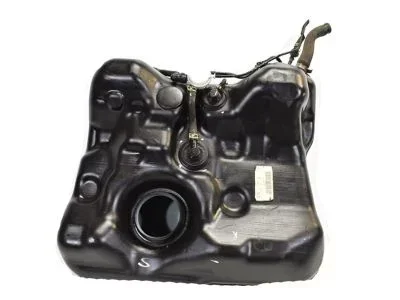
The shape of the tank also matters. Honda uses a compact, irregularly shaped tank that fits snugly into the available space without compromising passenger room or trunk capacity. This design philosophy is part of why the Civic feels so roomy inside despite its compact exterior dimensions.
When comparing vehicles at different dealerships, you will notice that the Civic’s fuel tank design is a key differentiator. While some competitors opt for larger tanks, Honda has chosen to prioritize efficiency and balance. This approach works well for the Civic’s target audience of daily commuters and practical drivers. You can read more about how different dealerships carry and configure these vehicles in our guide on what types of vehicles a local Chevrolet dealership carries, which offers a broader perspective on how manufacturers approach vehicle configuration.
The tank material is also worth noting. Honda uses high-density polyethylene for the Civic’s fuel tank, which is lightweight, durable, and resistant to corrosion. This material choice helps keep the overall vehicle weight down, contributing to the Civic’s excellent fuel economy. A lighter car needs less fuel to move, which is a simple but powerful engineering principle that Honda has applied throughout the Civic lineup.
How Fuel Weight Affects Your Honda Civic’s Performance
Fuel is heavy. A full 12.4-gallon tank of gasoline weighs approximately 83 pounds. That is a significant amount of weight that the engine must move. When the tank is half full, you are carrying about 42 pounds of fuel. When it is nearly empty, you are carrying much less.
You might wonder whether filling up completely or keeping the tank half full makes a difference. In reality, the difference is small for daily driving. The 83 pounds of a full tank is a tiny fraction of the Civic’s total vehicle weight, which is around 2,800 to 3,200 pounds depending on the trim. However, for drivers who prioritize maximum fuel economy, keeping the tank at a quarter or half full can offer a slight advantage.
For those interested in how vehicle weight impacts performance and fuel economy, we have a detailed breakdown of what constitutes heavy weight for a car. Understanding these numbers helps you appreciate the engineering decisions behind the Honda Civic’s design and how every pound matters in the pursuit of efficiency.
Final Thoughts on the Honda Civic Gas Tank Size
The Honda Civic gas tank holds 12.4 gallons, and that number has proven to be the perfect balance for this iconic compact sedan. It gives you enough fuel to cover long distances without adding unnecessary weight or taking up valuable space. Combined with the Civic’s outstanding fuel economy, a full tank can take you 450 to 550 miles depending on your driving style and conditions.
Whether you drive the base LX or the performance-oriented Type R, the tank size remains consistent. What changes is how efficiently you use that fuel. By following the tips in this guide, you can maximize your range, save money on gas, and enjoy everything the Honda Civic has to offer. The next time you pull into a gas station, you will know exactly how much fuel you are adding and how far it will take you.
The Honda Civic has earned its reputation as one of the best compact sedans in the world, and the fuel tank design is a big part of that story. It is a perfect example of how smart engineering and practical design come together to create a car that is efficient, reliable, and fun to drive. So take care of your Civic, keep that tank filled with the right fuel, and enjoy the ride.
Frequently Asked Questions
How many miles can a Honda Civic go on a full tank?
With a 12.4-gallon tank and an average MPG of 35 to 42, the Honda Civic can travel between 430 and 520 miles on a full tank. Your actual range depends on driving habits, road conditions, and the specific trim level you own.
Does the Honda Civic hybrid have a different gas tank size?
The hybrid Civic may have a slightly smaller tank than the conventional version. This is because the hybrid system uses both a gas engine and an electric motor, which reduces the need for a large fuel reserve. Check your specific model year for exact specifications.
What type of fuel does the Honda Civic require?
The base Honda Civic models run on regular unleaded gasoline with an octane rating of 87. Turbocharged trims like the Sport Touring and Type R may recommend or require premium fuel for optimal performance. Always check your owner’s manual.
Is 12.4 gallons a good tank size for a compact sedan?
Yes, 12.4 gallons is an excellent size for a compact sedan. It provides a good balance between range and weight. Most competitors in the Honda Civic segment offer similar tank sizes, and the Civic’s superior fuel economy often gives it a longer total range.
Can I increase my Honda Civic’s fuel tank size?
Modifying the fuel tank is not recommended. It can affect the car’s weight distribution, safety, and warranty. The 12.4-gallon capacity is already optimized for the Honda Civic’s design and efficiency profile.
How often do I need to fill up my Honda Civic?
If you drive about 30 miles per day, you will need to fill up roughly every 10 to 12 days with a 12.4-gallon tank. Your actual frequency depends on your daily mileage, driving style, and the fuel economy of your specific trim.