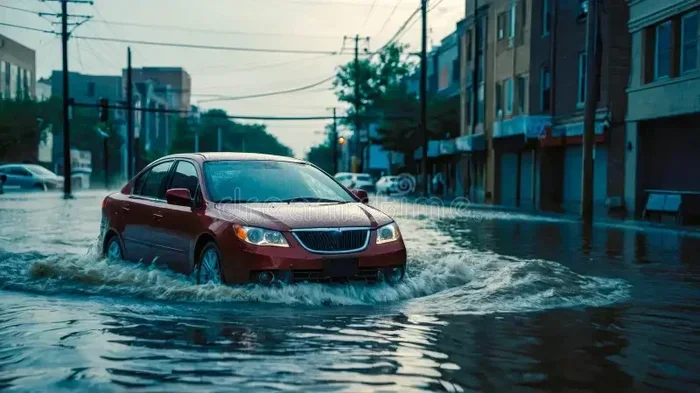
Does Car Insurance Cover Water Damage From Heavy Rain
Car insurance can cover water damage from heavy rain, but only if you have the right policy. Comprehensive car insurance typically includes rain and flood damage, while third party insurance does not. Understanding your car insurance water damage coverage helps you avoid unexpected repair costs. Know the exclusions, claim process, and tips to protect your vehicle.
Heavy rain can turn a normal day into a nightmare for car owners. Water enters through doors, windows, and even the exhaust pipe. It damages interiors, electronics, and engines. If you have been searching for answers about car insurance water damage, you are in the right place. This guide breaks down everything you need to know about rain-related coverage in simple, clear terms.
Many drivers assume their policy automatically covers water damage. That is not always true. The type of policy you hold matters a lot. So does the cause of the damage. Let us walk through the details together so you are never caught off guard by a heavy downpour.
Key Takeaways
- Comprehensive policies cover rain and flood water damage to your car.
- Third party insurance does not cover water damage.
- Hydrostatic lock and engine damage may require an add-on cover.
- Wear and tear exclusions often lead to claim denials.
- Documenting damage and filing quickly speeds up the claim process.
- Simple preventive steps can reduce your risk of water damage.
📑 Table of Contents
- Understanding Car Insurance Water Damage Coverage
- When Does Rain Water Damage Get Covered?
- Common Exclusions For Water Damage Claims
- How To File A Claim For Rain Water Damage
- Tips To Protect Your Car From Heavy Rain Damage
- How Insurance Companies Assess Water Damage Claims
- Common Mistakes To Avoid After Rain Water Damage
- How To Choose The Right Car Insurance For Rain Protection
- Final Thoughts On Car Insurance And Water Damage
Understanding Car Insurance Water Damage Coverage
Water damage from rain is one of the most common reasons car owners file claims. But coverage depends entirely on the type of policy you bought. Not all policies treat water damage the same way. Let us look at the basics.
What Does Car Insurance Typically Cover?
A standard car insurance policy in India falls into two main categories. The first is third party insurance. This covers damage you cause to another person or their property. It does not cover any damage to your own car. So if rain water ruins your dashboard, third party insurance will not help.
The second category is comprehensive car insurance. This is a much broader policy. It covers damage to your own car from accidents, theft, fire, and natural disasters. Heavy rain, flooding, and storm damage fall under this category. So if your car gets waterlogged during a monsoon, comprehensive insurance should cover the repairs.
However, there is a catch. The damage must be sudden and accidental. Gradual water ingress from a worn-out door seal is not sudden. Insurance companies may reject that type of claim. This is a key distinction many policyholders miss.
What Is Own Damage Cover?
Own damage cover is part of comprehensive insurance. It pays for repairs to your vehicle when the cause is covered under the policy. Rain damage, flood damage, and water ingress all fall under this umbrella. If your car sits in waterlogged streets during a storm, own damage cover kicks in.
You can also buy add-on covers to strengthen your policy. An engine protection add-on is very popular in monsoon-heavy regions. It covers water damage to the engine specifically. Standard policies often exclude engine damage from water, so this add-on fills that gap.
When Does Rain Water Damage Get Covered?
Not every instance of water damage is covered. Insurance companies evaluate each claim based on the cause and circumstances. Here are the situations where rain water damage is typically covered.
Flooding And Standing Water
If your car is submerged in flood water, comprehensive insurance usually covers the damage. This includes water entering the cabin, damaging seats, electronics, and the engine. The key factor is that the flooding was not caused by wear and tear.
For example, if a sudden cloudburst floods the road and your car gets waterlogged, that is a covered event. The insurance company treats it as a natural calamity. You will need to file a claim and provide evidence like photos and a police report if required.
Rain Water Entering Through Open Windows Or Sunroof
If you left your sunroof open during a heavy downpour, the resulting water damage is generally covered. The cause is the rain event, not negligence in maintenance. However, if the sunroof mechanism was already broken and you ignored it, the insurer might argue it was a maintenance issue.
Similarly, if rain enters through a door that was accidentally left open, comprehensive cover should apply. The damage is sudden and directly caused by the rain event.
Water Ingress From Driving Through Heavy Rain
Driving through heavy rain can cause water to enter the car through seals and gaps. If this happens suddenly and causes damage to the interior or electrical systems, it is usually covered. The policyholder needs to prove that the damage occurred due to the rain event.
One thing to watch out for is hydrostatic lock. This happens when water enters the engine through the air intake. The engine seizes because it cannot compress water. Standard policies may not cover this unless you have an engine protection add-on. That is why adding this cover before monsoon season is a smart move.
Common Exclusions For Water Damage Claims
Insurance companies are very specific about what they do not cover. Understanding exclusions helps you avoid surprises when you file a claim. Here are the most common reasons a water damage claim gets rejected.
Wear And Tear Exclusion
Every car insurance policy has a wear and tear exclusion. This means damage caused by gradual deterioration is not covered. If your door seal was already old and worn, and rain water slowly leaked in over months, the insurer will likely deny the claim.
This is different from sudden rain damage. The key question insurers ask is whether the damage happened all at once or built up over time. Sudden and accidental damage is covered. Gradual deterioration is not.
Negligence And Lack Of Maintenance
If you knowingly drove your car into deep water without checking the depth, the insurer may reject the claim. Similarly, if you parked your car in a known flood-prone area without taking precautions, coverage might be denied.
Insurance companies expect policyholders to take reasonable care of their vehicles. If your actions show negligence, the claim could be rejected. This is an important point to keep in mind during monsoon season.
Pre Existing Damage
Any damage that existed before you bought or renewed the policy is not covered. If your car already had a leaking roof and you did not fix it, and then rain made it worse, the insurer will only cover the new damage caused by the rain event. They will not pay for the pre-existing leak.
Electrical Damage From Water
Water damage to electrical systems is tricky. Standard policies may cover it if the cause is sudden rain. But if the electrical system was already faulty and water worsened the problem, the claim might be partially denied. Insurers often send surveyors to assess the root cause before approving electrical damage claims.
How To File A Claim For Rain Water Damage
Filing a claim for water damage does not have to be complicated. Follow these steps carefully to ensure a smooth process.
Step 1: Document The Damage Immediately
As soon as the rain stops, take clear photos of all damage. Capture the water level inside the car, damaged seats, wet dashboard, and any water marks. These photos serve as strong evidence during the claim process.
If you can safely start the car, check for any warning lights on the dashboard. Note them down. If the engine stopped while you were driving through water, do not try to restart it. Restarting a waterlogged engine can cause more damage and may void your claim.
Step 2: Contact Your Insurance Provider
Call your insurer’s helpline as soon as possible. Most companies have a 24-hour claim assistance number. Report the incident and ask for the next steps. They will guide you through the process and may arrange for a surveyor to visit your location.
Keep all communication records. Note down the claim number, the date and time of your call, and the name of the representative you spoke to. This paper trail is very helpful if there are any disputes later.
Step 3: Get The Car Inspected
The insurer will send a surveyor to assess the damage. Be present during the inspection. Walk the surveyor through all the damaged areas. Provide any additional photos or videos you have taken.
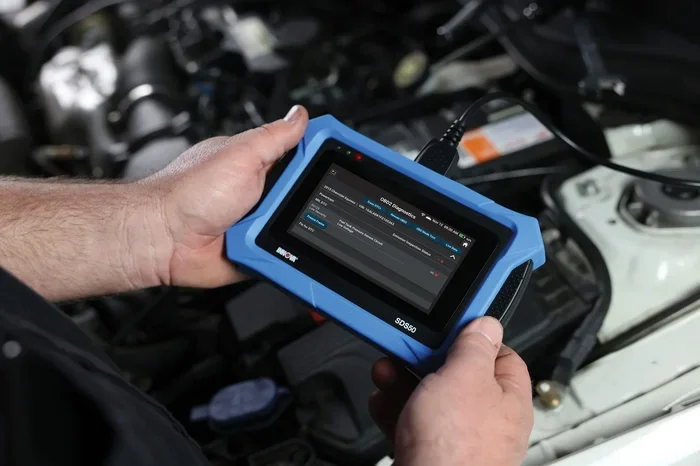
If you are someone who prefers handling things yourself, you might want to look into how to do your own car diagnostics before the surveyor arrives. Understanding basic diagnostics can help you explain the damage more clearly. However, always let the insurer’s surveyor make the final assessment.
Step 4: Submit Required Documents
You will typically need the following documents for a water damage claim:
- Copy of your insurance policy
- Photos and videos of the damage
- Police report or FIR if the damage was due to flooding
- Repair estimates from authorised or approved garages
- Your driving licence and vehicle registration
Submit all documents as requested by your insurer. Delays in submission can slow down the claim settlement process significantly.
Step 5: Get Your Car Repaired
Once the claim is approved, you can get your car repaired at an approved garage. If you chose a cashless claim, the insurer pays the garage directly. If you filed a reimbursement claim, you pay first and get reimbursed after submission of bills.
Keep all repair bills and invoices. You may need them for future reference or in case of any follow-up queries from the insurer.
Tips To Protect Your Car From Heavy Rain Damage
Prevention is always better than cure, especially when it comes to car insurance claims. Here are practical steps to reduce your risk of water damage during heavy rain.
Park In Covered Areas
Whenever possible, park your car in a garage or under a covered structure. This simple step can save you thousands of rupees in repair costs. During monsoon season, covered parking is worth its weight in gold.
If you do not have access to covered parking at home, consider investing in a car cover. A waterproof car cover protects the exterior and interior from rain water. It is a small cost compared to the potential damage from a storm.
Check Your Car Before Monsoon Season
Before the monsoon arrives, get your car inspected. Check the door seals, window seals, and sunroof drains. Replace any worn-out seals to prevent water ingress. Check the condition of your tyres as well, since wet roads increase the risk of accidents.
Also inspect your car’s electrical systems. Water can cause short circuits in old wiring. A pre-monsoon checkup at a trusted service centre can identify problems before they become expensive repairs.
Avoid Driving Through Flooded Roads
This might seem obvious, but many drivers still attempt to drive through flooded roads. Even a small amount of water can cause serious engine damage. If the water level is above the centre of your wheels, it is best to turn around.
Remember, driving through water that causes engine damage may not always be covered by your policy. Insurers look at whether the driver exercised reasonable judgment. Deliberately driving into flood water might lead to a claim rejection.
Keep An Emergency Kit In Your Car
During monsoon season, keep an emergency kit that includes a flashlight, first aid supplies, a phone charger, and a waterproof bag for important documents. Being prepared can make a big difference if you get caught in heavy rain.
Consider Upgrading Your Policy
If you live in an area prone to heavy rainfall or flooding, consider upgrading your policy. Add an engine protection cover and a zero depreciation add-on. These add-ons give you better financial protection during the monsoon months.
Also, review your insurance deductible. A lower deductible means you pay less out of pocket during a claim. Weigh the cost of a higher premium against the potential savings during a claim. If you live in a flood-prone area, the extra cost is usually worth it.
How Insurance Companies Assess Water Damage Claims
Insurance companies use a structured process to evaluate water damage claims. Understanding this process helps you set realistic expectations.
The Role Of The Surveyor
A surveyor visits your car to assess the extent of the damage. They check the engine, electrical systems, interior, and exterior. They look for signs of water entry points and determine the root cause of the damage.
The surveyor then prepares a detailed report. This report forms the basis of the claim decision. Make sure you are present during the survey and point out all the damage you noticed.
Claim Settlement And Payment
Once the survey is complete, the insurer processes the claim. If approved, they settle the payment based on the policy terms. The settlement amount may be reduced by the deductible you chose when buying the policy.
In some cases, the damage might be so severe that the car is declared a total loss. A total loss means the repair cost exceeds the insured declared value of the vehicle. In such situations, the insurer pays the IDV minus the deductible. This is where having a sufficient car insurance policy with the right coverage becomes essential.
If your car is old and you are concerned about financial loss, you might wonder about the broader financial implications of losing a vehicle. For instance, some people ask can I keep my car if I file Chapter 7 bankruptcy, which is a different but related concern about vehicle ownership and financial protection.
Common Mistakes To Avoid After Rain Water Damage
After your car suffers water damage, there are several mistakes that can hurt your claim. Avoid these pitfalls to ensure a smooth settlement.
- Do not start the engine if water entered the engine bay. Restarting a waterlogged engine can cause catastrophic damage. Insurers may deny the claim if they find the engine was restarted after water exposure.
- Do not delay filing the claim. Most policies require you to report the incident within a specific timeframe. Delaying can give the insurer a reason to reject your claim.
- Do not discard damaged parts before the survey. Keep all damaged components for the surveyor to inspect. Discarding them prematurely can weaken your claim.
- Do not repair the car before the claim is settled. Get the survey done first. Unauthorised repairs may not be reimbursed.
- Do not exaggerate the damage. Be honest about what happened. Exaggeration can lead to claim rejection and even policy cancellation.
How To Choose The Right Car Insurance For Rain Protection
Choosing the right policy is the first step toward being protected from rain damage. Here is what to look for.
Check The Policy Type
Always go for comprehensive insurance if you want rain and flood coverage. Third party insurance alone will not protect your car from water damage. It is the bare minimum required by law, but it does not cover your own vehicle.
Look For Add-On Covers
Add-on covers like engine protection, zero depreciation, and roadside assistance are very useful. Engine protection is especially important for monsoon-related damage. It covers the cost of repairing or replacing a water-damaged engine.
Compare Premiums And Coverage
Different insurers offer different coverage at different price points. Use online comparison tools to find the best policy for your needs. Look at the claim settlement ratio of each insurer. A higher ratio means the insurer pays out more claims successfully.
Read The Policy Wordings Carefully
This is a step many people skip. But reading the policy document carefully helps you understand exactly what is covered and what is not. Pay special attention to the exclusions section. If anything is unclear, ask your insurer before buying the policy.
Final Thoughts On Car Insurance And Water Damage
Heavy rain and flooding can cause serious damage to your car. But having the right insurance policy gives you peace of mind. Comprehensive car insurance covers most rain-related water damage. Add-on covers like engine protection fill the gaps that standard policies leave.
Understanding your policy, knowing the exclusions, and following the claim process carefully are all essential steps. Take preventive measures to protect your car during monsoon season. And always document damage thoroughly if it does occur.
Your car is a significant investment. Protecting it from water damage starts with the right insurance coverage. Review your policy today, ask questions, and make sure you are fully prepared for whatever the monsoon season brings. Being proactive now can save you from financial stress later.
Car insurance is not just about meeting legal requirements. It is about safeguarding your vehicle and your finances. When heavy rain strikes, you want to know that your car insurance water damage coverage has your back. Stay informed, stay prepared, and drive confidently through every season.
Frequently Asked Questions
Does car insurance cover water damage from rain?
Yes, if you have comprehensive car insurance. It covers water damage from heavy rain, flooding, and storms. Third party insurance does not cover damage to your own car from rain.
Is hydrostatic lock covered by car insurance?
It depends on your policy. Standard comprehensive insurance may exclude engine damage from water. However, adding an engine protection add-on cover ensures that hydrostatic lock is covered. Always check your policy wordings before filing a claim.
What documents do I need for a water damage claim?
You will need your insurance policy copy, photos and videos of the damage, a police report if applicable, repair estimates, and your driving licence and vehicle registration. Having all documents ready speeds up the claim process.
Can I drive through flooded roads and still get my claim approved?
It depends on the circumstances. If you drove into flood water recklessly or ignored warning signs, the insurer may reject the claim. Driving through water that is above your car’s safe level is considered negligent. Always exercise caution during flooding.
How long does a water damage claim take to settle?
Most insurers settle water damage claims within 7 to 15 working days after all documents are submitted. Complex claims involving total loss or extensive engine damage may take longer. Prompt filing and complete documentation help speed up the process.
Will my premium increase after filing a water damage claim?
Filing a claim can lead to a premium increase at renewal. However, if you have a no-claim bonus, one claim may not wipe it out entirely. The impact depends on your claim history and your insurer’s policies. Consider the repair cost versus the potential premium hike before filing a small claim.