How Fast Can a Honda Civic Go and What You Should Know
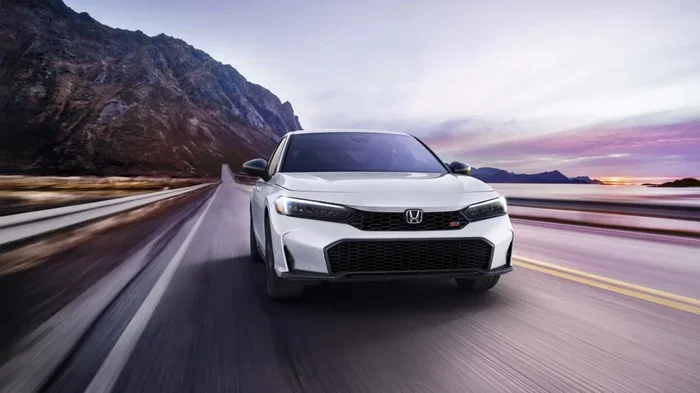
The Honda Civic is a popular compact car known for its impressive speed and reliability. Most Honda Civic models reach top speeds between 110 and 160 mph, depending on the trim and engine type. The sporty Honda Civic Si and Type R variants push performance limits even further with powerful turbocharged engines.
The Honda Civic has been one of the most popular cars on the road for decades. People love it for its fuel efficiency, reliability, and fun driving feel. But one question keeps coming up: how fast can a Honda Civic actually go? Whether you are a daily commuter or a speed enthusiast, understanding the Honda Civic top speed and acceleration numbers helps you make smart choices.
In this guide, we break down the Honda Civic performance across every trim level. We look at engine specs, horsepower numbers, and real-world driving experiences. You will learn what makes the Honda Civic acceleration so satisfying and which models are worth considering if speed matters to you. Let us dive in.
Key Takeaways
- Top Speed Range: Honda Civic models range from about 110 mph to over 160 mph depending on the trim level.
- Engine Options Matter: Different engines, from base 2.0L to turbocharged 1.5L, deliver varying horsepower and acceleration.
- Hybrid Versions Exist: The Honda Civic Hybrid offers a balance of speed and fuel efficiency with a smooth electric assist.
- Sport Trims Shine: The Civic Si and Type R are built for speed enthusiasts who want serious performance.
- Weight Affects Speed: Adding extra cargo weight can reduce your Honda Civic’s top speed and acceleration.
- Fuel Quality Counts: Using the right octane fuel helps your Honda Civic engine reach its full potential.
📑 Table of Contents
- Understanding Honda Civic Speed Across Trims
- Honda Civic Si: The Sporty Performer
- Honda Civic Type R: The Ultimate Speed Machine
- How Weight Affects Honda Civic Speed
- Fuel Requirements and Honda Civic Performance
- Honda Civic Hybrid: Speed Meets Efficiency
- Real-World Honda Civic Speed Testing
- Comparing Honda Civic Speed to Competitors
- Common Mistakes That Limit Honda Civic Speed
- Expert Insights on Honda Civic Speed
- Final Thoughts
Understanding Honda Civic Speed Across Trims
The Honda Civic comes in several trim levels, and each one delivers a different driving experience. The base models focus on economy and daily driving comfort. The sportier trims focus on performance and excitement. Knowing the differences helps you pick the right car for your needs.
Base Model Honda Civic Speed
The standard Honda Civic LX and SE trims come with a 2.0-liter four-cylinder engine. This engine produces about 158 horsepower. That is plenty of power for everyday driving and highway cruising. The Honda Civic top speed for these base models sits around 130 to 135 mph.
In terms of Honda Civic acceleration, the base Civic reaches 60 mph in about 7.5 to 8 seconds. That is not lightning fast, but it is perfectly adequate for most drivers. The car feels responsive and peppy on the highway. Merging and passing other vehicles feels easy and confident.
Honda Civic EX and Sport Trims
The EX trim adds a turbocharged 1.5-liter engine that bumps the output to around 180 horsepower. This small but mighty engine gives the Civic a serious boost in Honda Civic performance. The top speed rises to about 140 mph, and the 0-60 time drops to around 6.5 seconds.
Drivers notice the difference immediately. The turbo engine provides smooth power delivery across the entire RPM range. You do not need to rev the engine hard to feel the push. This makes the EX trim a great sweet spot for people who want more speed without sacrificing comfort.
Honda Civic Si: The Sporty Performer
The Honda Civic Si is where things get really fun. This trim is designed for drivers who want a sporty feel without breaking the bank. The Si comes with a 1.5-liter turbocharged engine that produces 205 horsepower. That is a big jump from the base model.
The Honda Civic Si top speed reaches about 145 mph. The 0-60 time comes in at roughly 6 seconds. That makes the Si a genuinely quick car for its class. The handling is sharp, the steering feels precise, and the suspension is tuned for spirited driving.
What Makes the Si Special
Several features set the Si apart from other Civic trims:
- Turbocharged engine: Delivers strong torque and responsive power.
- Sport-tuned suspension: Keeps the car flat and stable in corners.
- Sport exhaust: Gives the Civic a more aggressive sound.
- Recaro seats: Provide better support during spirited driving.
- Limited-slip differential: Improves traction and acceleration.
If you are looking for a Honda Civic that can keep up with sports sedans, the Si is a fantastic choice. It offers real Honda Civic acceleration that surprises people who underestimate this compact car.
Honda Civic Type R: The Ultimate Speed Machine
The Honda Civic Type R is the track-focused version of the Civic. It is built for drivers who want maximum performance. The Type R features a 2.0-liter turbocharged engine that produces 315 horsepower. That is nearly double the power of the base model.
The Honda Civic Type R top speed reaches an impressive 160 mph. The 0-60 time is around 4.8 seconds. These numbers put the Type R in the same league as much more expensive sports cars. The car is lightweight, rigid, and aerodynamically tuned for high-speed stability.
Track-Ready Performance
The Type R is not just fast in a straight line. It is also an excellent track car. The suspension system is fully adjustable. The brakes are high-performance Brembo units. The steering is incredibly precise. Every element of the Type R is designed to maximize Honda Civic performance on both the street and the track.
However, the Type R comes with a price tag to match. It is significantly more expensive than the base Civic. But for enthusiasts, the driving experience is absolutely worth it. The Type R delivers a raw, engaging, and thrilling ride that few cars in this price range can match.
How Weight Affects Honda Civic Speed
Weight plays a huge role in how fast any car can go. The lighter the vehicle, the better the acceleration and top speed. This is especially true for the Honda Civic, which is already a compact and lightweight car. Adding extra weight can noticeably reduce your Honda Civic top speed and Honda Civic acceleration.
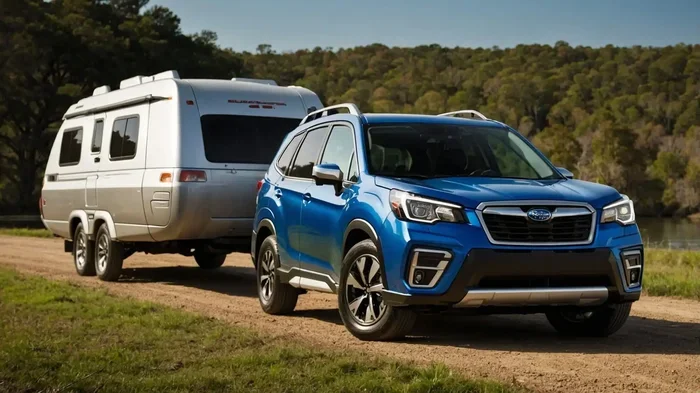
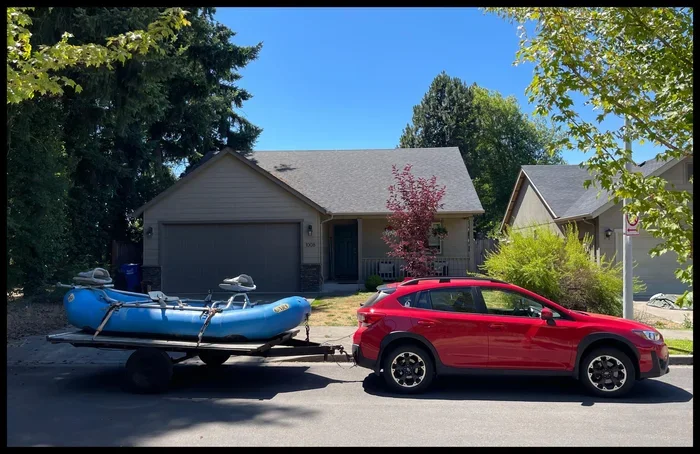
For example, if you haul heavy cargo or tow a trailer, you are working against the engine. The car will feel sluggish, and the 0-60 time will increase. Similarly, if you pack your trunk and back seat with heavy items for a road trip, you will feel the difference in performance.
Keeping your Honda Civic light and clean helps it run at its best. If you regularly carry heavy loads, you might want to consider how much weight your car can handle. Checking the vehicle specifications and staying within the recommended limits is always a smart move. You can learn more about this in our guide on can I put too much weight in my car.
Fuel Requirements and Honda Civic Performance
The fuel you put in your Honda Civic directly affects how it performs. Most Honda Civic models run well on regular 87-octane gasoline. However, the turbocharged engines found in the EX, Si, and Type R trims perform best with premium 91-octane fuel. Using the recommended fuel helps the engine reach its full Honda Civic performance potential.
Using lower-octane fuel than recommended can cause engine knocking. Over time, this can reduce power output and affect Honda Civic acceleration. The engine control unit may also retard timing to protect the engine, which makes the car feel slower.
If you are unsure about which fuel to use, check your owner’s manual. It will clearly state the recommended octane level for your specific trim. And if you ever wonder whether you can mix fuel types, our article on can I put 88 octane in my car has helpful information.
Quick Tips for Fuel Optimization
- Always use the octane level recommended in your owner’s manual.
- Avoid letting your fuel level drop too low, especially on long trips.
- Keep your gas cap sealed tightly to prevent fuel evaporation.
- Consider using a fuel system cleaner every few thousand miles.
Honda Civic Hybrid: Speed Meets Efficiency
The Honda Civic Hybrid combines a traditional gasoline engine with an electric motor. This setup delivers a combined output of around 144 horsepower. While this is less raw power than the turbocharged trims, the hybrid system provides smooth and efficient acceleration.
The hybrid Civic reaches a top speed of about 120 mph. The 0-60 time is around 7.5 seconds. It is not the fastest Civic, but it offers excellent fuel economy and a very refined driving experience. The electric motor provides instant torque at low speeds, which makes city driving feel responsive and lively.
One interesting aspect of the hybrid system is how it switches between electric and gas power. The car seamlessly transitions depending on driving conditions, speed, and battery charge. If you want to understand more about how hybrid systems work, check out our article on at what point does a hybrid switch to gas.
Real-World Honda Civic Speed Testing
Manufacturers often publish ideal conditions for top speed and acceleration numbers. But real-world results can differ. Road surface, weather conditions, tire quality, and even altitude all play a role. Most Honda Civic owners report slightly lower numbers than what the manufacturer claims.
For example, the base Civic might reach 0-60 in about 8 seconds in real-world testing rather than the 7.5 seconds reported in the brochure. The Type R might hit 155 mph rather than the official 160 mph. These differences are normal and expected.
Factors That Affect Real-World Speed
- Tire condition: Worn tires reduce grip and limit top speed.
- Road surface: Smooth highways yield better results than rough roads.
- Weather: Headwinds and rain slow the car down.
- Altitude: Higher altitudes reduce engine power slightly.
- Vehicle load: More passengers and cargo reduce speed.
- Engine health: Regular maintenance keeps performance at its peak.
If you want to monitor your Honda Civic’s performance over time, doing your own car diagnostics can be very helpful. You can use an OBD-II scanner to check for any issues that might be affecting Honda Civic acceleration or top speed. Our guide on can I do my own car diagnostics walks you through the process.
Comparing Honda Civic Speed to Competitors
How does the Honda Civic stack up against similar compact cars? Here is a quick comparison of top speeds and 0-60 times across popular models:
| Model | Horsepower | 0-60 mph | Top Speed |
|---|---|---|---|
| Honda Civic Base | 158 hp | 7.5 sec | 130 mph |
| Honda Civic EX Turbo | 180 hp | 6.5 sec | 140 mph |
| Honda Civic Si | 205 hp | 6.0 sec | 145 mph |
| Honda Civic Type R | 315 hp | 4.8 sec | 160 mph |
| Toyota Corolla SE | 169 hp | 7.3 sec | 130 mph |
| Mazda3 Turbo | 250 hp | 5.5 sec | 145 mph |
As you can see, the Honda Civic holds its own against competitors. The Type R and Si trims offer performance that rivals cars costing twice as much. Even the base Civic delivers respectable speed and acceleration for its class.
Common Mistakes That Limit Honda Civic Speed
Many Honda Civic owners unknowingly limit their car’s performance. Here are some common mistakes to avoid:
- Using the wrong octane fuel: This can cause engine knocking and reduced power.
- Ignoring maintenance: Dirty air filters, worn spark plugs, and old oil all hurt performance.
- Overloading the vehicle: Excess weight slows acceleration and reduces top speed.
- Neglecting tire pressure: Underinflated tires create more rolling resistance.
- Driving in the wrong gear: Staying in too high a gear at low RPMs kills acceleration.
Avoiding these simple mistakes helps your Honda Civic run at its best. Regular maintenance and smart driving habits go a long way toward preserving your car’s Honda Civic performance over the years.
Expert Insights on Honda Civic Speed
Automotive experts consistently praise the Honda Civic for its balance of speed, efficiency, and reliability. The Civic has won numerous awards for its driving dynamics and value. Car reviewers often highlight how the Civic delivers sporty performance without sacrificing daily usability.
According to industry tests, the Civic Si and Type R are among the fastest compact sedans available. The base Civic, while not a speed demon, still offers a pleasant and responsive driving experience. The Honda Civic acceleration in modern models is significantly better than older generations thanks to advances in turbocharging and engine management technology.
Experts also emphasize the importance of keeping your car well-maintained. A properly serviced Honda Civic will always perform better than one that has been neglected. Simple habits like regular oil changes, timely spark plug replacements, and proper tire inflation make a real difference.
Final Thoughts
The Honda Civic is a remarkably capable car when it comes to speed and performance. From the efficient base model to the track-focused Type R, there is a Civic for every type of driver. The Honda Civic top speed ranges from about 110 mph in the hybrid to over 160 mph in the Type R.
Whether you want a reliable daily driver or a sporty compact that can hold its own on the track, the Civic delivers. Understanding the Honda Civic performance across different trims helps you make the right choice for your needs and budget.
Keep your car well-maintained, use the right fuel, and avoid overloading it. These simple steps ensure your Honda Civic stays fast, responsive, and enjoyable to drive for many miles to come.
Frequently Asked Questions
What is the top speed of a Honda Civic?
The Honda Civic top speed varies by trim. The base models reach around 130 mph, while the Type R can hit 160 mph. The Honda Civic Si sits in the middle at about 145 mph.
How fast does a Honda Civic go from 0 to 60?
The 0-60 time depends on the engine and trim. The base Civic takes about 7.5 seconds, the EX Turbo around 6.5 seconds, the Si about 6 seconds, and the Type R approximately 4.8 seconds.
Is the Honda Civic fast enough for highway driving?
Absolutely. Even the base Honda Civic has more than enough power for highway driving. The car cruises comfortably at 70 to 80 mph and has plenty of reserve power for passing and merging.
Can a Honda Civic be modified to go faster?
Yes, many Honda Civic owners modify their cars with aftermarket parts. Upgrades like cold air intakes, exhaust systems, and ECU tuning can boost Honda Civic performance significantly. However, modifications may void your warranty.
Does the Honda Civic Hybrid have good acceleration?
The Honda Civic Hybrid offers decent acceleration with its combined 144 horsepower output. While it is not as fast as the turbocharged trims, the electric motor provides quick torque at low speeds, making city driving feel lively.
Why is the Honda Civic Type R so fast?
The Type R is fast because of its 315-horsepower turbocharged engine, lightweight construction, and track-tuned suspension. Every component is designed to maximize Honda Civic performance and deliver an exhilarating driving experience.
=== CONCLUSION ===
The Honda Civic proves that you do not need a massive engine to enjoy thrilling speed and performance. With top speeds ranging from 110 mph to over 160 mph across different trims, the Civic offers something for every type of driver. The Honda Civic acceleration is impressive across the board, and the driving experience is consistently engaging.
Whether you choose the efficient hybrid, the sporty Si, or the track-ready Type R, you are getting a car that delivers real value and genuine driving pleasure. Understanding the Honda Civic performance numbers and what affects them helps you get the most out of your vehicle.
Keep your car well-maintained, use the right fuel, and drive with care. Your Honda Civic will reward you with years of reliable and enjoyable performance. The Honda Civic speed story is one of the best in the compact car world, and it continues to impress with every new generation.