Ever Wonder How Many Gallons of Gas Does a Honda Civic Hold
The Honda Civic fuel tank holds between 12.4 and 15.3 gallons depending on the model year and trim. The Honda Civic gas tank size varies across generations, with newer models offering slightly larger capacity. Whether you drive a Honda Civic sedan, hatchback, or hybrid, understanding your fuel capacity helps you plan trips and budget for gas.
Have you ever wondered exactly how much gas your Honda Civic can hold? Maybe you are planning a road trip or just trying to figure out your monthly fuel budget. Either way, knowing your fuel tank size matters more than most people think.
The answer depends on several factors. Your model year, trim level, and whether you drive a gas or hybrid version all play a role. In this guide, we will walk through everything you need to know about the Honda Civic fuel tank. You will learn the exact gallon capacity, how it changes across generations, and what that means for your driving range.
We have also included practical tips to help you get the most out of every gallon. By the end, you will know your Honda Civic inside and out when it comes to fuel. Let us dive right in.
Key Takeaways
- Standard Fuel Capacity: Most Honda Civic models hold between 12.4 and 15.3 gallons of gasoline.
- Hybrid Difference: The Honda Civic Hybrid has a smaller tank but compensates with excellent fuel efficiency.
- Generation Matters: Newer Honda Civic generations tend to have slightly larger fuel tanks than older models.
- Driving Range: A full tank can take you 450 to 650 miles depending on your driving habits and model.
- Trim Levels: Different trim levels may have slightly different tank sizes or fuel system designs.
- Maintenance Matters: Keeping your fuel system clean helps maintain optimal gas mileage over time.
📑 Table of Contents
- How Many Gallons of Gas Does a Honda Civic Hold
- Honda Civic Fuel Tank Across Different Generations
- Honda Civic Hybrid vs Gasoline: Fuel Tank Comparison
- What Affects Your Honda Civic’s Driving Range
- Tips to Maximize Your Honda Civic’s Fuel Efficiency
- Is the Honda Civic a Good Daily Driver for Gas Savings?
- Common Mistakes That Waste Gas in Your Honda Civic
- Final Thoughts
How Many Gallons of Gas Does a Honda Civic Hold
The standard Honda Civic gas tank holds approximately 12.4 to 15.3 gallons. The exact number depends on the model year and trim level you are driving. For most modern Honda Civic sedans, you are looking at around 12.4 gallons. The hatchback versions and some newer trims can hold up to 15.3 gallons.
So why does this range exist? Honda designs different trims with slightly different fuel systems. Some trims prioritize weight savings, while others focus on extended driving range. The difference between 12.4 and 15.3 gallons can mean 100 or more extra miles on a full tank.
If you have ever wondered about the specific fuel tank size for your exact model, check your owner’s manual. The specifications section will list the precise fuel capacity. You can also look at the sticker inside the driver’s door frame for detailed vehicle specs.
Why Fuel Tank Size Matters
Fuel tank size directly affects how far you can drive before stopping for gas. A larger tank means fewer refueling stops on long trips. But it also adds weight to the vehicle, which can slightly reduce your gas mileage.
For the Honda Civic, engineers have struck a careful balance. The tank is large enough to give you a solid driving range but small enough to keep the car lightweight and efficient. This is one reason the Honda Civic remains so popular among fuel-conscious drivers.
Here are some quick numbers to keep in mind:
- 12.4 gallons – Standard sedan base models
- 12.7 gallons – Common across most mid-range trims
- 15.3 gallons – Found in some hatchback and higher trims
These numbers apply to recent model years from 2016 onward. Older models may differ slightly. Always verify with your specific vehicle identification number or owner’s manual for the most accurate information.
Honda Civic Fuel Tank Across Different Generations
The Honda Civic has been around since 1972. Over the decades, the fuel tank has evolved alongside the car’s design. Each generation brought changes in size, shape, and placement.
Let us break down how the Honda Civic fuel tank has changed over the years.
Early Generations (1972-1991)
The earliest Honda Civic models had much smaller fuel tanks. Some first-generation Civics held as little as 8.7 gallons. These cars were lightweight and simple, so a smaller tank made sense. Fuel efficiency was not as big a concern back then as it is today.
By the late 1980s and early 1990s, Honda started increasing tank sizes. The fourth and fifth generation Civics offered tanks around 13.2 gallons. This was a big step up for drivers who wanted longer range without sacrificing the Civic’s compact footprint.
Modern Generations (2006-Present)
Modern Honda Civics have benefited from advances in fuel technology and design. The current generation offers tanks ranging from 12.4 to 15.3 gallons. These sizes reflect Honda’s focus on balancing range, efficiency, and cabin space.
One interesting trend is that the Civic hatchback tends to have a slightly larger tank than the sedan. This makes sense because hatchbacks are often positioned as practical, family-friendly vehicles. A bigger tank supports that lifestyle perfectly.
Special Editions and Trim Variations
Some special edition Honda Civics come with unique fuel system configurations. The Si trim, for example, may have a slightly different tank setup than the base LX. Sports models sometimes trade a bit of tank size for performance features.
If you are buying a used Honda Civic, always check the fuel tank capacity before purchasing. It can vary even within the same generation depending on the trim package and any factory options selected.
Honda Civic Hybrid vs Gasoline: Fuel Tank Comparison
The Honda Civic Hybrid is a fascinating machine. It uses both a gasoline engine and an electric motor to maximize fuel efficiency. But what about the fuel tank? Does the hybrid hold the same amount of gas?
The short answer is no. The Honda Civic Hybrid typically has a smaller fuel tank than the gasoline version. Most hybrid Civics carry around 12.4 gallons. This is because the hybrid system compensates for the smaller tank by using less fuel overall.
Here is where it gets interesting. When the battery charge drops, the hybrid system seamlessly switches to gasoline power. You might be curious about exactly when a hybrid switches to gas and how that process works. The transition is smooth and mostly unnoticeable to the driver.
Because the hybrid uses less fuel per mile, that smaller 12.4 gallon tank still provides an impressive driving range. Many hybrid Honda Civic owners report getting 500 to 600 miles on a single tank. That is remarkable for a car with a smaller fuel capacity.
Understanding the Hybrid System
The Honda Civic Hybrid uses an i-MMD system (Intelligent Multi-Mode Drive). This system intelligently switches between electric-only driving and gasoline power. At low speeds, the electric motor handles most of the work. At highway speeds, the gasoline engine takes over.
The smaller fuel tank in the hybrid is actually a design advantage. It reduces the overall weight of the vehicle. Less weight means better fuel efficiency, which is the whole point of a hybrid. Honda engineers have carefully optimized every aspect of the hybrid Civic for maximum efficiency.
So if you are comparing a Honda Civic Hybrid to a standard Civic, remember that the hybrid uses less gas overall despite having a smaller tank. The numbers tell a compelling story about how smart hybrid engineering can be.
What Affects Your Honda Civic’s Driving Range
Knowing your fuel tank size is only half the equation. Your actual driving range depends on many factors. Two Honda Civics with the same tank size can have very different ranges based on how they are driven.
Driving Habits
Your driving style has a huge impact on fuel economy. Aggressive acceleration burns gas fast. Highway cruising at steady speeds is much more efficient. If you are the type of driver who loves to push the engine hard, you will go through fuel faster.
On the other hand, gentle acceleration and smooth braking can significantly improve your miles per gallon. The Honda Civic is already an efficient car. Good driving habits can push that efficiency even further.
Road Conditions and Terrain
Where you drive matters too. Stop-and-go city driving uses more fuel than steady highway driving. Hills and mountainous terrain also reduce your range. If you live in a flat area with mostly highway driving, you will get the best fuel economy from your Honda Civic.
City drivers might see around 30 to 35 miles per gallon. Highway drivers can often achieve 40 to 45 miles per gallon or more. These numbers vary by trim and engine type, but they give you a good baseline.
Vehicle Maintenance
A well-maintained Honda Civic runs more efficiently. Dirty air filters, old spark plugs, and low tire pressure all hurt your gas mileage. Regular maintenance keeps your engine running smoothly and your fuel consumption in check.
Here are some simple maintenance tips that help with fuel efficiency:
- Keep your tires properly inflated to the recommended PSI
- Replace your air filter every 15,000 to 30,000 miles
- Use the recommended grade of motor oil
- Get regular engine tune-ups
- Remove excess weight from your trunk
These small steps add up over time. They can help you get the most out of every gallon you put in your Honda Civic.
Tips to Maximize Your Honda Civic’s Fuel Efficiency
Want to squeeze every last mile out of your Honda Civic’s fuel tank? These practical tips can help you go further on less gas. Most of them cost nothing and take almost no extra time.
Drive at Moderate Speeds
Fuel efficiency drops off significantly above 60 miles per hour. Keeping your speed steady and within the speed limit helps your Honda Civic sip gas rather than guzzle it. Use cruise control on highways to maintain a consistent speed.
Reduce Idling Time
Idling wastes fuel. If you are parked for more than a minute, turn off the engine. Modern Honda Civics with start-stop technology do this automatically, but older models do not. Making it a habit to shut off your engine in traffic or at long train crossings can save noticeable amounts of fuel over time.
Plan Your Trips Efficiently
Combining errands into one trip saves fuel. Cold starts use more gas than warm ones. By grouping your errands together, you let your engine stay warm and run efficiently throughout the trip.
Use the Right Fuel
Most Honda Civic models run perfectly well on regular unleaded gasoline. Premium fuel does not provide any meaningful benefit for standard Civic engines. Check your owner’s manual to confirm the recommended fuel grade for your specific model.
Keep Your Car Clean and Light
Extra weight means extra fuel consumption. Remove roof racks and cargo carriers when you are not using them. A clean car also has less aerodynamic drag, which helps at highway speeds.
Some owners wonder about protecting their car’s exterior to reduce drag and maintain paint quality. While paint protection film does not directly affect fuel economy, keeping your car in good condition overall contributes to better long-term performance and resale value.
Is the Honda Civic a Good Daily Driver for Gas Savings?
The Honda Civic has long been one of the best-selling compact cars in America. And for good reason. It offers a winning combination of fuel efficiency, reliability, and affordability. For daily commuters, it is hard to beat.
If you drive 30 miles round trip to work every day, a Honda Civic can save you significant money on gas over the years. Let us do some quick math. At 40 miles per gallon and current gas prices around $3.50 per gallon, a daily 30-mile commute costs about $2.63 per day. Over a month, that is roughly $58. Over a year, you are looking at around $696 in fuel costs.
Compare that to a less efficient vehicle getting 25 miles per gallon. The same commute would cost about $4.20 per day, or roughly $1,050 per year. The Honda Civic saves you over $350 annually on fuel alone.
These savings add up quickly. Over five years of ownership, you could save nearly $2,000 just on gas. That is real money in your pocket. It is one of the many reasons the Honda Civic remains such a smart choice for budget-conscious buyers.
Comparing the Honda Civic to Similar Compact Cars
How does the Honda Civic stack up against other popular compact cars? Here is a quick comparison of fuel tank sizes and estimated ranges:
- Honda Civic Sedan: 12.4 gallon tank, estimated 496-mile range at 40 MPG
- Honda Civic Hatchback: 15.3 gallon tank, estimated 612-mile range at 40 MPG
- Honda Civic Hybrid: 12.4 gallon tank, estimated 496-mile range at 50 MPG
- Toyota Corolla: 13.2 gallon tank, estimated 528-mile range at 40 MPG
- Mazda3: 13.2 gallon tank, estimated 462-mile range at 35 MPG
As you can see, the Honda Civic holds its own against the competition. The hatchback model offers the longest range thanks to its larger tank. And the hybrid version delivers the best fuel economy despite having a smaller tank.
When you are shopping for a compact car, fuel capacity is just one factor to consider. Reliability, safety features, interior comfort, and resale value all matter too. But for daily drivers focused on keeping fuel costs low, the Honda Civic is a top contender.
Common Mistakes That Waste Gas in Your Honda Civic
Even the most efficient car can suffer from bad habits. Here are some common mistakes that Honda Civic owners make that waste fuel.
Ignoring the Check Engine Light
A glowing check engine light can indicate problems that hurt fuel efficiency. A loose gas cap, faulty oxygen sensor, or misfiring spark plug can all reduce your gas mileage. Do not ignore warning lights.
Overfilling the Tank
It might seem like a good idea to top off every time you fill up. But overfilling can actually cause problems. Excess fuel can enter the charcoal canister, which is designed to manage fuel vapors. This can trigger check engine lights and reduce performance.
Using the Wrong Motor Oil
Using a heavier grade of motor oil than recommended creates more engine friction. Your Honda Civic has to work harder, which uses more fuel. Always stick with the manufacturer’s recommended oil weight.
Skipping Regular Maintenance
Deferred maintenance is a silent fuel killer. Old spark plugs, clogged fuel injectors, and worn oxygen sensors all reduce efficiency. Staying on top of your maintenance schedule keeps your Honda Civic running at its best.
Some drivers also worry about safety and legal issues related to carrying items in their car. Whether you are transporting sports equipment, groceries, or other items, it is important to know the rules. For instance, regulations about what you can carry in your vehicle vary by state and can affect how you load your Honda Civic.
Final Thoughts
The Honda Civic is a remarkable car that has earned its place as one of the most popular compact vehicles on the road. Understanding how many gallons of gas your Honda Civic holds is the first step toward making the most of your ownership experience.
Whether you drive a sedan with a 12.4 gallon tank, a hatchback with 15.3 gallons, or a hybrid with its cleverly engineered smaller tank, the Honda Civic delivers excellent fuel economy and impressive driving range. By following the tips in this guide, you can maximize every gallon and save money at the pump.
Take a moment to check your owner’s manual for your specific model’s fuel capacity. Know your numbers. Plan your trips accordingly. And enjoy the confidence that comes with driving one of the most efficient and reliable cars on the market. Your Honda Civic is built to go the distance, and now you know exactly how far that is.
Frequently Asked Questions
What is the fuel tank size for a 2024 Honda Civic?
The 2024 Honda Civic sedan has a fuel tank capacity of approximately 12.4 gallons. The 2024 Honda Civic hatchback holds about 15.3 gallons. The hybrid version uses a 12.4 gallon tank. Always confirm the exact specs for your specific trim and model year.
How far can a Honda Civic go on a full tank of gas?
On a full tank, a Honda Civic can travel between 450 and 650 miles depending on the model and driving conditions. The sedan with a 12.4 gallon tank at 40 MPG can go about 496 miles. The hatchback with 15.3 gallons can reach approximately 612 miles at the same efficiency rating.
Does the Honda Civic Hybrid have a smaller gas tank?
Yes, the Honda Civic Hybrid typically has a 12.4 gallon tank, which is smaller than some gasoline-only trims. However, the hybrid system compensates by using significantly less fuel, resulting in comparable or even better driving range than the gasoline models.
Can I increase my Honda Civic’s fuel tank size?
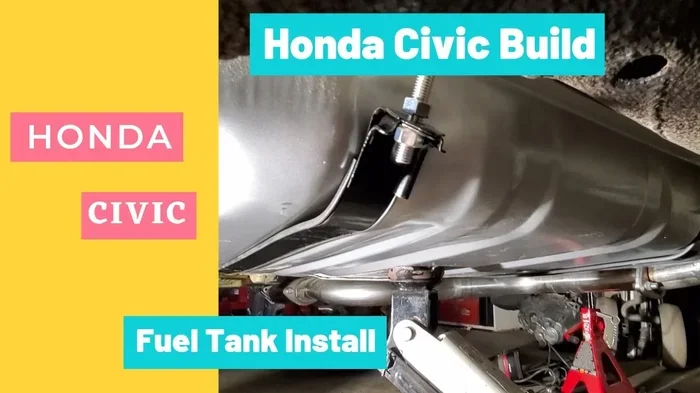
Modifying or replacing the factory fuel tank is not recommended. It can void your warranty and create safety hazards. The factory tank is precisely engineered for your specific Honda Civic model. Instead, focus on improving fuel efficiency through proper maintenance and smart driving habits.
Why does my Honda Civic’s fuel gauge read differently after filling up?
Fuel gauge readings can vary based on driving conditions, temperature, and how level your parking surface is. It is normal for the gauge to fluctuate slightly after refueling. If you notice significant inconsistencies, have your fuel level sensor checked by a qualified mechanic.
What type of gasoline should I use in my Honda Civic?
Most Honda Civic models work best with regular unleaded gasoline with an octane rating of 87. The Honda Civic Hybrid also uses regular unleaded. Using premium fuel offers no benefit for standard Civic engines and simply costs more. Always refer to your owner’s manual for the manufacturer’s recommendation.