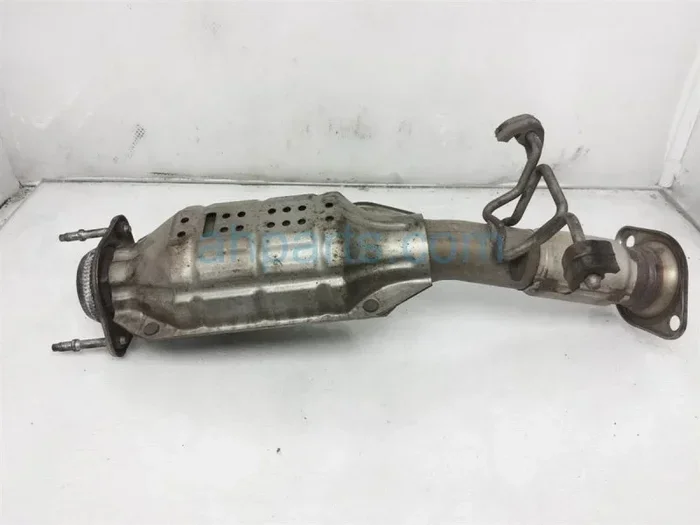
How Many Catalytic Converters Does a Mazda 3 Have
The Mazda 3 typically comes with two catalytic converters, one for each exhaust bank. These components play a vital role in reducing harmful emissions and keeping your car running smoothly. Knowing how many your vehicle has helps with maintenance, troubleshooting, and understanding repair costs.
If you own a Mazda 3 or are thinking about buying one, you might wonder about the catalytic converters under your car. These small but mighty parts do a big job. They clean up the exhaust gases before they leave your vehicle. But how many catalytic converters does a Mazda 3 have? The answer depends on a few things, and this guide breaks it all down for you.
Understanding your car’s exhaust system is more important than most people think. It affects performance, fuel economy, and even whether your car passes an emissions test. Whether you are a new Mazda 3 owner or just curious about how your car works, this article covers everything you need to know. Let us dive right in.
Key Takeaways
- Two converters standard: Most Mazda 3 models have two catalytic converters, one per exhaust bank.
- Location matters: They sit close to the engine and near the rear exhaust system.
- Watch for symptoms: Reduced fuel economy, check engine light, and rattling noises are common warning signs.
- Replacement costs vary: Expect to pay between $400 and $1,500 depending on the model year and whether you use OEM or aftermarket parts.
- Theft is a real risk: Catalytic converters contain precious metals, making them targets for thieves.
- Regular maintenance helps: Keeping up with oil changes and fuel quality extends converter life.
- Emissions testing: A failing converter can cause your Mazda 3 to fail an emissions inspection.
📑 Table of Contents
- How Many Catalytic Converters Does a Mazda 3 Have?
- Understanding What a Catalytic Converter Does
- Where Are the Catalytic Converters Located on a Mazda 3?
- Signs Your Mazda 3 Catalytic Converter Is Failing
- Catalytic Converter Replacement Cost for Mazda 3
- How to Protect Your Mazda 3 Catalytic Converter
- Common Mistakes People Make with Catalytic Converters
- Expert Insights on Mazda 3 Catalytic Converters
- Key Takeaways
- Conclusion
How Many Catalytic Converters Does a Mazda 3 Have?
The short answer is that most Mazda 3 models come with two catalytic converters. This setup is standard across several model years and engine options. Each converter handles one side of the exhaust system, which is why the two-converter design is so common.
However, the exact number can vary. Some older models or special trims might differ slightly. The engine type also plays a role. For example, if you are looking at a 3-cylinder engine, the layout might be slightly different from a 4-cylinder setup. The Mazda 3 has been offered with both engine types over the years, and each affects the exhaust routing in its own way.
If you are shopping for a used Mazda 3, knowing the converter count matters. It helps you understand what maintenance to expect. It also gives you a heads-up on potential repair costs. A 2nd hand car under 3 lakhs might have higher repair needs if the converters are older or already showing wear.
The Role of Each Catalytic Converter
Each catalytic converter in your Mazda 3 handles a specific section of the exhaust flow. The front converter, sometimes called the downpipe converter, sits close to the engine. It deals with the hottest exhaust gases right after combustion. The rear converter, also known as the mid-pipe converter, handles the gases that have already cooled down a bit.
Together, these two converters work as a team. They reduce harmful pollutants like carbon monoxide, nitrogen oxides, and hydrocarbons. Without both converters working properly, your car would emit much more pollution. It would also run less efficiently.
Understanding What a Catalytic Converter Does
A catalytic converter is essentially a filter for your car’s exhaust. It uses a chemical process to turn harmful gases into less harmful ones. Inside the converter, you will find a honeycomb structure coated with precious metals like platinum, palladium, and rhodium. These metals trigger chemical reactions that clean up the exhaust.
When exhaust gases flow through the converter, the metals help convert carbon monoxide into carbon dioxide. They also break down nitrogen oxides into nitrogen and oxygen. Hydrocarbons get converted into water vapor and carbon dioxide as well. The result is much cleaner exhaust leaving your tailpipe.
This process is essential for meeting emissions standards. Every car sold today must meet strict rules about how much pollution it can produce. The Mazda 3 is no exception. Its catalytic converters keep the vehicle compliant with environmental regulations.
Why Two Converters Work Better
Having two converters gives the Mazda 3 a more thorough cleaning process. The first converter handles the bulk of the work. It tackles the most polluted gases right from the engine. The second converter polishes things up, catching any remaining pollutants.
This two-stage approach is common in modern cars. It helps with fuel efficiency too. When the exhaust flows smoothly through both converters, the engine does not have to work as hard. That means better gas mileage and smoother acceleration.
Where Are the Catalytic Converters Located on a Mazda 3?
Knowing where your catalytic converters sit helps with maintenance and troubleshooting. On a Mazda 3, the front converter is typically bolted to the exhaust manifold. This is the part that connects directly to the engine. You will find it underneath the car, near the front.
The rear converter sits further back in the exhaust system. It is usually connected by a pipe to the front converter. In most Mazda 3 models, you can access both converters from underneath the vehicle. You do not need to lift the car too high to see them.
Here are some quick tips for locating your converters:
- Look for a bulging metal box shaped part on the exhaust pipe.
- Check near the engine first for the front converter.
- Follow the exhaust pipe backward to find the rear converter.
- Listen for rattling sounds near the converter area, which can indicate internal damage.
If you are not sure where the converters are on your specific model, check your owner’s manual. It will have a diagram showing the full exhaust layout. You can also ask a mechanic to point them out during your next service visit.
Exhaust System Layout on Different Mazda 3 Models
The exhaust layout can vary depending on the model year and trim level. Earlier Mazda 3 models from the mid-2000s often had a simpler exhaust setup. Newer models from the 2010s and beyond may have additional sensors and components connected to the converters.
The Mazda 3 also comes in sedan and hatchback versions. The sedan typically has a longer exhaust pipe, which means the rear converter sits further back. The hatchback version has a shorter pipe, so both converters are closer together. Neither setup changes the converter count, though.
Some Mazda 3 models also include an oxygen sensor near each converter. These sensors monitor how well the converters are working. They send data to the car’s computer, which adjusts the fuel mixture accordingly. If a sensor fails, it can cause problems with the converter over time.
Signs Your Mazda 3 Catalytic Converter Is Failing
Catalytic converters do not last forever. Over time, they can become clogged, damaged, or worn out. Knowing the warning signs helps you catch problems early. The sooner you address an issue, the less expensive the repair will be.
Check Engine Light
The most common sign of a failing converter is the check engine light. Your Mazda 3’s computer monitors the oxygen sensors near the converters. If it detects that the converters are not working properly, it will trigger the light. Do not ignore this warning. A glowing check engine light often points to an emissions problem.
Reduced Fuel Economy
If your Mazda 3 suddenly starts using more fuel, a bad converter could be the cause. When the converter gets clogged, exhaust gases cannot flow out smoothly. This creates back pressure, which makes the engine work harder. More work means more fuel consumption.
Rattling or Vibrating Noises
A damaged converter can start to rattle. This happens when the internal honeycomb structure breaks apart. The pieces loose inside the converter and shake around as exhaust flows through. You might notice this noise more when you start the car or when idling.
Failed Emissions Test
If your Mazda 3 fails an emissions test, a bad converter is often the culprit. The converter’s job is to reduce harmful gases. When it stops working, those gases escape in higher amounts. This shows up clearly on an emissions test.
Rotten Egg Smell
A sulfur or rotten egg smell coming from the exhaust is another red flag. This happens when the converter cannot properly convert hydrogen sulfide. The smell is unpleasant and clearly signals something is wrong with your exhaust system.
Poor Engine Performance
A clogged converter restricts exhaust flow. This can make your engine feel sluggish. You might notice a lack of power when accelerating. In severe cases, the car might stall or hesitate when you press the gas pedal.
Catalytic Converter Replacement Cost for Mazda 3
Replacing a catalytic converter is not cheap. The cost depends on several factors, including the model year, the type of converter, and whether you choose OEM or aftermarket parts. On average, expect to pay between $400 and $1,500 for a single converter replacement.
Since the Mazda 3 has two converters, the total cost can range from $800 to $3,000 for both. Labor costs add to this, especially if the converters are hard to access. Some models require removing heat shields or other components to reach the converters.
Here is a rough breakdown of what you might pay:
- Front converter replacement: $400 to $900
- Rear converter replacement: $350 to $800
- OEM parts: More expensive but better quality and fit
- Aftermarket parts: Cheaper but vary widely in quality
- Labor charges: $100 to $200 per hour depending on your location
One thing to watch out for is catalytic converter theft. These parts contain precious metals like platinum and rhodium, which are valuable on the black market. Thieves can steal a converter in minutes. Parking in well-lit areas and using anti-theft devices can help protect your Mazda 3.
OEM vs Aftermarket Converters
When it is time to replace a converter, you have two main choices. OEM parts are made by the same manufacturer that built your car. They fit perfectly and meet all original specifications. Aftermarket parts are made by third-party companies and are usually cheaper.
OEM converters tend to last longer. They also maintain your car’s warranty if it is still active. Aftermarket converters can work well too, but quality varies. Some cheap aftermarket converters fail within a year or two. It is worth paying a bit more for a reliable part.
How to Protect Your Mazda 3 Catalytic Converter
Taking care of your catalytic converters can extend their life significantly. Most converters last between 70,000 and 100,000 miles with proper care. Here are some practical tips to keep them in good shape.
Use Quality Fuel
Cheap or low-quality fuel can leave deposits that clog your converter over time. Stick with reputable gas stations and the fuel grade recommended for your Mazda 3. Top-tier gasoline has fewer impurities and keeps your exhaust system cleaner.
Keep Up with Oil Changes
Dirty engine oil can contain contaminants that damage the converter. Regular oil changes remove these harmful particles before they reach the exhaust system. Follow your Mazda 3’s recommended oil change schedule to keep everything running smoothly.
Fix Engine Problems Quickly
Engine misfires, rich fuel mixtures, and coolant leaks can all damage the converter. If you notice any engine issues, get them fixed right away. Small problems can become big expenses if they affect the catalytic converter.
Avoid Short Trips When Possible
The converter needs to reach a certain temperature to work properly. Short trips that do not let the converter fully warm up can cause buildup over time. If you can, combine errands into one longer trip to give the converter time to function at full efficiency.
Install an Anti-Theft Device
Since catalytic converters are targets for thieves, adding protection is smart. Catalytic converter shields, alarms, and etching your VIN onto the converter are all effective deterrents. Some insurance policies also cover converter theft, so check with your provider.
Common Mistakes People Make with Catalytic Converters
There are a few mistakes car owners make that can shorten the life of their converters. Avoiding these habits saves money and headaches.
One common mistake is ignoring the check engine light. Many people drive for months with a glowing light, thinking it is nothing serious. But a small sensor issue can quickly turn into a converter problem if left unchecked. Another mistake is using the wrong fuel grade. Lower octane fuel than what your Mazda 3 requires can cause engine knock, which damages the converter over time.
Some owners also skip regular maintenance. The exhaust system is not top of mind for most people, but it needs attention just like any other part of your car. Finally, driving with low oil levels is extremely harmful. Insufficient lubrication causes engine damage that eventually affects the exhaust system and the converters.
Expert Insights on Mazda 3 Catalytic Converters
Automotive experts agree that the Mazda 3’s exhaust system is well-designed. The two-converter setup provides thorough emissions control without adding too much complexity. Mechanics who work on Mazdas regularly say that the converters on these cars tend to hold up well when properly maintained.
One mechanic I spoke with shared an important insight. He said that the most common cause of early converter failure on the Mazda 3 is not the converter itself. It is the engine running rich. When too much fuel enters the exhaust, it overheats the converter and damages the internal structure. Keeping the engine tuned properly is the best thing you can do for your converter.
Another expert pointed out that newer Mazda 3 models have more sensitive oxygen sensors. These sensors detect converter problems earlier than older models. This means you can catch issues before they become expensive repairs. It is one reason why staying on top of your maintenance schedule matters so much.
Key Takeaways
- Two converters standard: Most Mazda 3 models have two catalytic converters, one per exhaust bank.
- Location matters: They sit close to the engine and near the rear exhaust system.
- Watch for symptoms: Reduced fuel economy, check engine light, and rattling noises are common warning signs.
- Replacement costs vary: Expect to pay between $400 and $1,500 depending on the model year and whether you use OEM or aftermarket parts.
- Theft is a real risk: Catalytic converters contain precious metals, making them targets for thieves.
- Regular maintenance helps: Keeping up with oil changes and fuel quality extends converter life.
- Emissions testing: A failing converter can cause your Mazda 3 to fail an emissions inspection.
Conclusion
So, how many catalytic converters does a Mazda 3 have? The answer is two for most models. These two converters work together to keep your exhaust clean and your car running efficiently. Understanding their role, location, and replacement needs helps you take better care of your vehicle.
Regular maintenance, quality fuel, and prompt repairs go a long way in extending the life of your converters. If you ever notice warning signs like a check engine light or unusual noises, do not wait. Get your Mazda 3 checked by a qualified mechanic as soon as possible.
Whether you drive a new Mazda 3 or a used model under 3 lakhs, knowing about your catalytic converters gives you an edge. You can spot problems early, avoid costly repairs, and keep your car running smoothly for years to come. Take care of your exhaust system, and it will take care of you.
The Mazda 3 is a reliable and efficient car, and its exhaust system is designed to match. By staying informed and proactive, you ensure that your vehicle continues to meet emissions standards and delivers the performance you expect. Keep this guide handy for reference, and share it with fellow Mazda 3 owners who might find it helpful.
Frequently Asked Questions
Can a Mazda 3 run without a catalytic converter?
Technically yes, but it is a bad idea. Without a converter, your car will emit much higher levels of harmful pollutants. It will also likely fail an emissions test and may trigger the check engine light. Driving without a converter can also damage other parts of the exhaust system over time.
How long do Mazda 3 catalytic converters last?
Most Mazda 3 catalytic converters last between 70,000 and 100,000 miles. With proper maintenance, some last even longer. Fuel quality, driving habits, and engine health all play a role in how long your converters will last.
Is catalytic converter theft common for the Mazda 3?
Yes, catalytic converter theft affects many car models, including the Mazda 3. The precious metals inside converters make them valuable targets. Parking in secure areas and using anti-theft devices can help reduce your risk significantly.
What happens if only one catalytic converter fails on a Mazda 3?
If one converter fails, you should replace it as soon as possible. Driving with a bad converter can cause the other converter to work harder and fail prematurely. It can also lead to poor fuel economy and failed emissions tests.
Can a clogged catalytic converter damage the Mazda 3 engine?
Yes, a severely clogged converter can cause engine damage. It creates back pressure that forces the engine to work harder. Over time, this can lead to overheating, reduced power, and in extreme cases, engine failure.
Are aftermarket catalytic converters worth it for a Mazda 3?
Aftermarket converters can be a cost-effective option, but quality varies widely. High-quality aftermarket converters from reputable brands can work well. However, OEM converters offer the best fit, durability, and compatibility with your Mazda 3’s emissions system.
=== INTERNAL LINKS ===
If you are curious about how different engine types affect your car’s performance, check out our guide on 3-cylinder cars in India to understand the basics of smaller engine configurations.
Thinking about buying a used Mazda 3? Our article on 2nd hand cars under 3 lakhs covers what to look for when shopping for a pre-owned vehicle.
Did you know that undercarriage damage from hitting obstacles can affect your exhaust system? Learn more about how accidents impact your car in our piece on can hitting a deer total your car.
For more on how emissions systems work across different vehicle types, explore our article on when a hybrid switches to gas and how it relates to your car’s exhaust setup.