What to Do If You Dont Have a Car Jack for a Tire Change
Not having a car jack shouldnt stop you from changing a flat tire safely. There are several practical alternatives and smart workarounds that can get you back on the road. This guide covers every method you can use without a traditional jack, from using ramps and bricks to calling for roadside assistance. You will learn step-by-step techniques, safety tips, and preventive measures to handle tire change emergencies with confidence.
This is a comprehensive guide about What to Do If You Don’t Have a Car Jack.
Key Takeaways
- Use household items like bricks, wood blocks, or sturdy rocks as a makeshift jack stand.
- Portable tire inflators can fix slow leaks without ever lifting the vehicle.
- Ramps and drive-on jacks offer a simple alternative to traditional hydraulic jacks.
- Roadside assistance services are always a reliable backup option.
- Prevention is the best strategy, so keep a tire changing kit in your trunk at all times.
- Never attempt to change a tire on soft ground or unstable surfaces without proper support.
[FEATURED_IMAGE_PLACEHOLDER]
What to Do If You Dont Have a Car Jack for a Tire Change
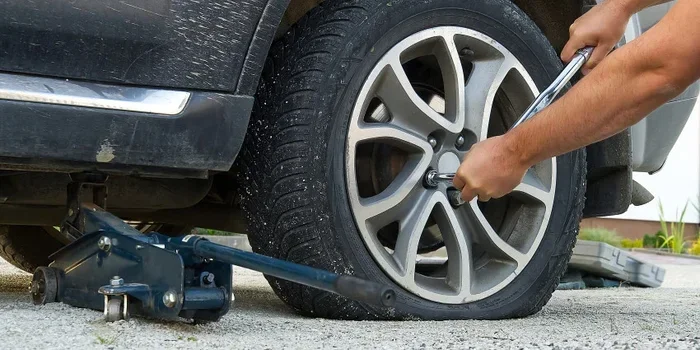
Getting a flat tire is stressful enough. Now imagine looking under your car and realizing you dont have a car jack. It happens more often than you think. People forget to replace them after maintenance. Others buy used cars with missing equipment. And some simply never needed one until now.
The good news is you have options. You can still change your tire safely without a traditional jack. This guide walks you through every method, tip, and precaution you need. By the end, you will feel prepared for any flat tire emergency.
Why You Might Not Have a Car Jack
There are many reasons your tire changing kit might be missing a jack. Some cars come without one to save weight and space. Others lose theirs after a repair shop visit. Newer vehicles sometimes include a portable compressor instead of a jack.
No matter the reason, the solution is the same. You need to get your spare tire on and your flat tire off. The methods below work for most passenger vehicles and SUVs.
Method 1: Use a Portable Drive-On Jack
A drive-on jack is one of the best alternatives to a traditional hydraulic jack. These small ramps sit under your tire, and you simply drive up onto them. The vehicle lifts itself as you roll forward.
These jacks work great for changing a tire at home or on the roadside. They are lightweight, compact, and easy to store in your trunk.
How to Use a Drive-On Jack
- Park on flat, hard ground.
- Set the parking brake firmly.
- Place the ramp on level ground behind the flat tire.
- Drive slowly onto the ramp until the tire is fully on it.
- Remove the flat tire and install the spare.
- Drive off the ramp carefully.
This method is simple and requires no heavy lifting. Just make sure the ramp surface is dry and stable. Wheel chocks on the opposite tire add extra safety.
Method 2: Use Ramps or Boards
If you do not have a drive-on jack, you can use wooden boards or sturdy ramps. This method works well when you have access to materials nearby.
The idea is to elevate the flat tire enough to remove it. You do not need to lift the entire vehicle. Just enough clearance to slide the tire off the hub.
What You Will Need
- Two sturdy wooden boards or thick planks
- Bricks or large rocks
- A flat, hard surface
- Your lug wrench and spare tire
Place the boards under the flat tire. Drive forward slowly until the tire rests on the boards. The tire should be high enough to remove the lug nuts and pull the wheel off. This is a quick fix that works in a pinch.
Expert Tip: Always check that the boards are thick enough to hold the vehicles weight. Thin plywood can crack and cause serious injury.
Method 3: Use Bricks, Rocks, or Household Items
When you are stranded with no tools, look around. Nature and everyday objects can serve as a makeshift car jack. Bricks, cinder blocks, and large rocks can all work.
This method requires careful placement and a bit of patience. The goal is to create a stable platform that lifts the tire off the ground.
Step-by-Step Guide
- Find a flat, solid surface. Avoid dirt, gravel, or grass.
- Place a brick or sturdy block directly under the vehicles axle near the flat tire.
- Use a piece of wood as a bridge between the block and the vehicle frame if needed.
- Gently push the vehicle forward or backward so the tire rests on the block.
- The tire should now be elevated enough to remove the lug nuts.
- Carefully pull the flat tire off and mount the spare.
This method works best for front tires on front-wheel-drive vehicles. For rear tires, place the block under the rear axle. Always use jack stands or additional support if you plan to go under the vehicle.
Quick Safety Tip: Never put any part of your body under a vehicle supported only by bricks or blocks. Use the jack only to lift, and secure the vehicle with additional support before working underneath.
Method 4: Use a Portable Tire Inflator
Sometimes the tire is not fully flat. A slow leak can still let you drive slowly to a safe spot. A portable tire inflator can save you from needing a tire change altogether.
These small devices plug into your cars 12-volt outlet. They pump air directly into the tire through the valve stem. Many models also include a flashlight and emergency charging bank.
When to Use a Tire Inflator
- The tire has a slow leak or puncture from a nail or screw
- The tire pressure monitoring system is flashing but the tire is not fully deflated
- You need to reach a nearby gas station or repair shop
- You want to avoid changing the tire entirely
A portable tire inflator is a great addition to your emergency kit. They cost between $20 and $60 and take up almost no space. Some models can fully inflate a tire in just a few minutes.
Keep in mind that inflators work best for minor leaks. A large tear or separated tire will not hold air no matter how much you pump.
Method 5: Call Roadside Assistance
Not every situation allows for a DIY fix. If you are on a busy highway, in bad weather, or feel unsafe, calling for help is always the right choice.
Roadside assistance services can send a professional to your location with all the right tools. Many insurance plans and car warranties include this service for free.
How to Get Roadside Help
- Pull over to a safe location away from traffic.
- Turn on your hazard lights.
- Call your insurance providers roadside number.
- Alternatively, use apps like AAA, Allstate, or your carriers mobile app.
- Wait in a safe spot away from the road.
Most roadside services arrive within 30 to 60 minutes. They handle the entire tire change for you. This is the safest option when you are not comfortable doing it yourself.
Method 6: Use a Bottle Jack or Scissor Jack from Another Vehicle
If someone stops to help, you can borrow their jack. Most vehicles carry either a scissor jack or a bottle jack. These can work on your car if the lift points match.
Always check the weight rating before using someone elses jack. A small scissor jack rated for 2 tons may not safely lift a large SUV.
Finding the Correct Lift Point
Every vehicle has designated jack points. These are reinforced areas on the frame or body designed to handle the weight. Look for notches or marks along the pinch weld under the doors.
Never place a jack under the plastic body panels, the floor pan, or the suspension components. Doing so can cause serious damage or a dangerous collapse.
Use a jack stand once the vehicle is lifted. Never rely on the jack alone to hold the car while you work underneath it.
Preventing Flat Tires in the First Place
The best way to avoid a flat tire emergency is prevention. Regular maintenance and smart driving habits can keep you safe on the road.
Simple Tips to Avoid Flat Tires
- Check your tire pressure monthly. Use a reliable tire pressure gauge and compare readings to your owners manual.
- Inspect your tires for wear. Look for cracks, bulges, or objects stuck in the tread.
- Rotate your tires every 5,000 to 7,500 miles. This promotes even wear and extends tire life.
- Avoid potholes and debris. Sharp objects and deep holes can damage tires quickly.
- Keep a tire changing kit in your trunk. Include a lug wrench, tire iron, and a portable compressor.
- Replace old tires. Tires older than six years lose flexibility and are more prone to blowouts.
Taking five minutes each month to check your tire pressure can save you hours of frustration on the side of the road. Prevention is always easier than repair.
What to Include in Your Emergency Tire Kit
A well-stocked tire changing kit makes emergencies much less stressful. Here is a list of items every driver should carry:
Essential Items
- Spare tire (full-size or compact donut)
- Car jack (scissor or hydraulic)
- Lug wrench or tire iron
- Portable tire inflator
- Wheel chocks to prevent rolling
- Reflective triangles or flares for visibility
- Gloves and a rain poncho
- Flashlight with extra batteries
- Tire pressure gauge
Store these items in a sturdy bag or box in your trunk. Check the kit every six months to make sure nothing has expired or gone flat. A portable jack takes up very little space and can be a lifesaver.
Common Mistakes People Make When Changing a Tire Without a Jack
Even with the right method, mistakes can happen. Here are the most common errors to avoid.
1. Working on Soft or Sloped Ground
Never change a tire on a slope, gravel, or soft soil. The vehicle can shift or sink, causing a dangerous collapse. Always find a flat, hard surface first.
2. Skipping Wheel Chocks
Even on flat ground, wheels can roll. Place bricks or wooden blocks behind the tires opposite the flat. This simple step prevents the vehicle from moving while you work.
3. Using the Wrong Lift Point
Placing a jack under the wrong part of the vehicle can crack the frame or damage the body. Always locate the designated jack point in your owners manual.
4. Forgetting to Tighten Lug Nuts Properly
Loose lug nuts are extremely dangerous. After mounting the spare, tighten them in a star pattern. Then recheck them after driving 50 miles.
5. Driving Too Fast on a Spare Tire
Compact spare tires are not built for high speeds or long distances. Most have a speed limit of 50 mph and should only be used temporarily. Replace the damaged tire as soon as possible.
Expert Insights on Safe Tire Changes
Professional mechanics agree that preparation is everything. According to automotive safety experts, the most common issue is not the lack of a jack. It is the lack of knowledge about where to place it safely.
Certified mechanic Mike Reynolds shares this advice: “Always read your owners manual before you need it. Know your vehicles jack points and weight limits. Keep your emergency kit accessible, not buried under holiday decorations.”
Another expert tip from roadside professionals: practice changing a tire in your driveway before you ever need to do it on the side of the road. Familiarity builds confidence and reduces panic during real emergencies.
Frequently Asked Questions
Can I change a flat tire without any jack at all?
Yes, you can. Methods like drive-on ramps, wooden boards, or bricks can elevate the tire enough to remove it. However, these alternatives require a flat, hard surface and careful placement. Always prioritize safety and never go under a vehicle supported only by improvised materials.
How long can I drive on a spare tire without a proper jack?
If you already have the spare mounted, you can drive on a compact spare for up to 70 miles at speeds under 50 mph. But if you still have the flat tire on, you should not drive far at all. Driving on a flat damages the rim and can cause loss of control.
What is the cheapest alternative to a car jack?
A set of sturdy wooden boards or bricks costs nothing if you have them at home. A portable drive-on jack is also affordable, typically ranging from $30 to $60. For the best value, invest in a basic scissor jack and keep it in your trunk permanently.
Is it safe to use a bottle jack from another vehicle?
It can be safe if the jack is rated for your vehicles weight and you place it on the correct lift point. Always use a jack stand for additional support. Never rely solely on a borrowed jack, especially if you are not familiar with the vehicle.
How do I know if my tire can be repaired instead of replaced?
Punctures in the tread area smaller than a quarter inch can often be repaired. However, sidewall damage, large gashes, or tires with low tread depth should be replaced entirely. A tire professional can assess the damage and recommend the best option.
What should I do if I get a flat tire on a highway at night?
Safety comes first. Turn on your hazard lights and pull as far off the road as possible. Set up reflective triangles behind your vehicle. Call roadside assistance immediately. Do not attempt a tire change on a highway at night unless you are in a well-lit, safe area and feel completely comfortable doing so.
Final Thoughts
Not having a car jack does not mean you are stuck forever. With the right knowledge and a few household items, you can handle a tire change confidently. Whether you use ramps, bricks, a portable inflator, or roadside assistance, the key is staying calm and safe.
Preparation makes all the difference. Keep a basic tire changing kit in your vehicle. Know your lift points. Practice the process before you need it. These small steps save time, money, and stress when a flat tire strikes.
The road can be unpredictable. But with the tips in this guide, you are ready for whatever comes your way. Stay safe, stay prepared, and remember, every problem has a solution, even without a car jack in the trunk.
Frequently Asked Questions
What is What to Do If You Don’t Have a Car Jack?
What to Do If You Don’t Have a Car Jack is an important topic with many practical applications.