Can You Start a Push-Button Car Without a Key Fob
Yes, you can start a push-button car without a key fob in certain situations, but it depends on your vehicle model and the nature of the problem. Most modern cars with push-button ignition have a hidden backup method built into the system. Whether your key fob battery died, the fob is damaged, or you simply misplaced it, there are practical solutions that can get you back on the road quickly and safely.
This is a comprehensive guide about Can You Start a Push-Button Car Without a Key Fob?.
Key Takeaways
- Most push-button cars have a backup start method that works even when the key fob fails or the battery is dead.
- A dead key fob battery is the most common reason a push-button car won’t start, and replacing it is usually simple and inexpensive.
- Placing the fob against the start button or near the steering column can often bypass the signal issue in many car models.
- Keeping a spare key fob and replacing the battery every 1-2 years can prevent most starting problems.
- Understanding your car’s specific system is essential, as different brands handle key fob failures differently.
- Avoid forcing the ignition or trying unauthorized methods that could damage your vehicle’s electronic systems.
- Professional help is recommended if basic troubleshooting doesn’t resolve the issue, especially for complex immobilizer or transponder problems.
[FEATURED_IMAGE_PLACEHOLDER]
How Push-Button Ignition Systems Work
Modern cars have come a long way from the traditional metal key ignition. Today, many vehicles use a push-button ignition system that relies on electronic signals rather than a physical key cut. Understanding how this system works helps you figure out what to do when things go wrong.
The smart key system uses a small computer chip inside your key fob. This chip communicates with your car’s immobilizer system through a low-frequency radio signal. When you press the start button, the car checks whether the fob is nearby and authorized. If the signal matches, the engine starts. If it doesn’t, the car stays locked.
This entire process happens in seconds. But here’s the thing — it also means that if the fob’s battery dies or the signal gets interrupted, your car might not recognize it. That’s when people start asking, can you start a push-button car without a key fob? The short answer is yes, but the method varies by car brand and model.
The Role of the Transponder Chip
Inside every key fob is a transponder chip. This tiny component stores a unique identification code. When you hold the fob near the car, the transponder sends this code to the car’s vehicle security system. The car checks the code against its database. If it matches, the starter motor engages and the engine turns over.
Without this handshake, the car’s ignition switch stays locked electronically. This is a security feature designed to prevent theft. But it also means that a dead fob can leave you stranded if you don’t know the backup options.
Can You Start a Push-Button Car Without a Key Fob
The direct answer to this question is yes, in most cases. Car manufacturers know that key fobs can fail. That’s why almost every push-button start vehicle includes a backup method. The trick is knowing where to look and what to do.
Some cars let you place the dead fob directly against the start button. Others require you to put it on a specific spot on the steering column or center console. A few models even have a hidden mechanical key slot that most people never notice.
Method 1: Place the Fob Against the Start Button
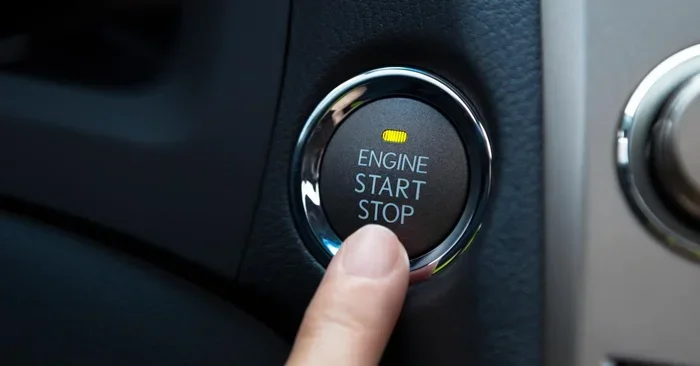
This is the most common backup method. Many car brands, including Toyota, Honda, and Nissan, allow you to press the start button while holding the fob directly against it. The car reads the chip through the button’s sensor even without a working battery in the fob.
Here’s how to do it:
- Step 1: Press the brake pedal firmly.
- Step 2: Hold the dead key fob directly against the start button.
- Step 3: Press the start button as you normally would.
- Step 4: The car should recognize the fob’s transponder and start the engine.
This method works because the car uses a near-field communication signal that can still read the chip even through the fob’s casing, even with no battery power.
Method 2: Use the Hidden Mechanical Key
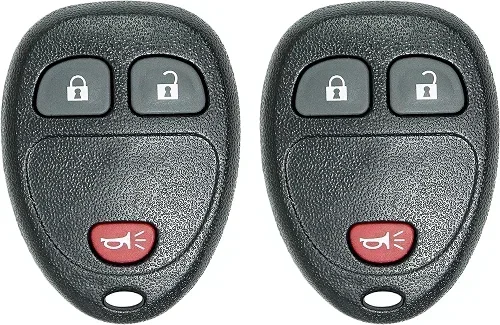
Most modern key fobs contain a hidden mechanical key blade tucked inside the fob casing. You usually have to press a small release button or slide a latch to pop it out. This mechanical key can be used to manually unlock the driver’s door.
Once inside, some vehicles allow you to start the engine by inserting this mechanical key into a backup slot near the steering column or center console. Check your owner’s manual to find the exact location of this slot in your specific model.
Method 3: Place the Fob on the Dashboard
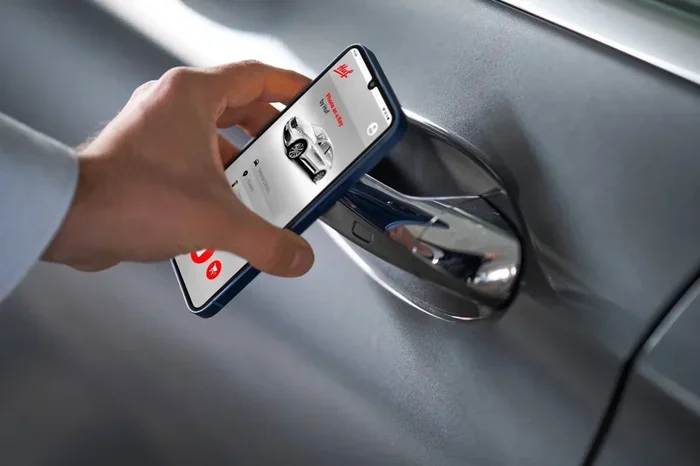
Several car brands, particularly BMW and some Hyundai models, have a designated spot on the dashboard or center console where you can place a dead fob. The car’s sensor reads the fob from this location and allows you to start the engine normally.
For example, some BMW models have a specific circle or marked area on the center console near the gear shifter. Placing the fob there with the button facing up often triggers the backup reading system.
Why Your Key Fob Might Stop Working
Before you panic, it helps to understand what caused the problem. Most key fob failures fall into a few common categories. Knowing the root cause helps you choose the right solution.
Dead Battery in the Key Fob
The key fob battery is the most common culprit. These small coin-cell batteries, usually CR2025 or CR2032, last about 1-2 years depending on usage. When the battery dies, the fob can’t send a signal to the car, even though the transponder chip inside still works.
Replacing the battery is simple and costs just a few dollars. Open the fob with a small flathead screwdriver, swap out the old battery, and you’re good to go. Keep a spare battery in your glove box so you’re never caught off guard.
Damaged or Water-Damaged Fob
If the fob has been dropped, crushed, or exposed to water, the internal circuitry might be damaged. A water-damaged key fob can short out the electronics even if the battery is new. In this case, replacing the battery won’t help. You’ll need a new fob or a repair from a dealership or locksmith.
Interference from Other Devices
Sometimes the problem isn’t the fob at all. Electronic interference from nearby devices can block the signal between the fob and the car. Large metal objects, other key fobs in your pocket, or even certain phone cases can cause this issue.
Try moving away from crowded areas or removing other electronic devices from your pocket. Then attempt to start the car again. This simple step often solves the problem without any further troubleshooting.
Car Battery Is Low or Dead
Here’s something many people overlook — the problem might not be the key fob. If your car battery is dead or very low, the entire electrical system shuts down, including the fob reader. In this case, you need to jump-start the car first before the push-button system will work at all.
Keep jumper cables or a portable jump starter in your trunk. These tools are lifesavers and can get you back on the road in minutes. Just make sure you follow proper safety procedures when connecting them.
Preventive Tips to Avoid Key Fob Problems
The best way to handle a push-button car starting issue is to prevent it from happening in the first place. A few simple habits can save you a lot of trouble and stress.
Replace the Key Fob Battery Regularly
Don’t wait for the fob to die completely. Replace the battery every 12 to 18 months. Most cars give you a warning on the dashboard when the fob battery is low, but don’t rely on that alone. Set a reminder on your phone or calendar to swap the battery proactively.
Keep a Spare Key Fob
Always have a spare key fob available. Store one at home and consider keeping a backup in your office or with a trusted family member. If your primary fob fails, having a spare means you’re never stuck.
Also, if you buy a used car, make sure you get at least one working key fob with it. Some sellers only hand over one fob, and replacing a lost fob can be expensive and time-consuming.
Protect Your Fob from Physical Damage
Key fobs are small and go everywhere with us. They get dropped, sat on, and tossed into bags with sharp objects. A protective fob case can extend the life of your remote significantly. These slim rubber or leather sleeves add minimal bulk but provide real protection against drops and pressure damage.
Avoid Extreme Temperatures
Extreme heat and cold can damage both the battery and the internal electronics of your key fob. Don’t leave your fob on the dashboard in direct summer sunlight, and avoid leaving it in a freezing car overnight during winter months.
Clean Your Fob Regularly
Dirt, grime, and moisture can build up around the buttons and internal contacts. Use a 3M car cleaning cloth or a soft, slightly damp cloth to gently wipe down your fob every few weeks. This keeps the contacts clean and the buttons responsive.
You can also use a 3M anti glare film for car windshield to reduce glare on your dashboard, which makes it easier to read fob signal indicators and dashboard warnings in bright sunlight.
When to Seek Professional Help
Most push-button start issues can be resolved with the backup methods described above. But some situations require professional assistance. Knowing when to call for help saves you time and prevents further damage to your vehicle.
Persistent Immobilizer Errors
If your car displays an immobilizer warning light and won’t start even with a working fob, the problem is likely in the car’s electronic system, not the fob. This could indicate a faulty immobilizer module, a wiring issue, or a problem with the car’s onboard computer. A professional mechanic or dealership technician can run onboard diagnostics to identify the exact cause.
Multiple Fobs Stop Working Simultaneously
If all your key fobs stop working at the same time, the issue is likely with the car’s antenna or receiver ring, not the individual fobs. This is a more complex repair that requires specialized tools and knowledge. Don’t try to DIY this one — take it to a qualified technician.
You Need a New Key Fob Programmed
Replacing a lost or broken key fob involves more than just buying a new one. The new fob needs to be programmed to your specific vehicle. This process requires specialized equipment and knowledge of your car’s security system. A dealership or certified automotive locksmith can handle this for you.
Also, if you’ve been dealing with electrical issues, you might want to check whether your 12V to 230V car inverter is functioning properly, as power inverter problems can sometimes interfere with electronic systems in the car.
Quick Tips for Common Push-Button Start Scenarios
Here are some quick, practical tips for the most common push-button start situations you might encounter:
- Fob battery died but you’re near the car: Place the fob against the start button and press it. The car should read the transponder chip and start normally.
- Fob is completely lost or destroyed: Use the hidden mechanical key to enter the car, then place the fob on the designated dashboard spot if your model supports it.
- Car won’t start and the dashboard shows a key fob warning: Check the fob battery first. If the battery is fine, move closer to the start button and try again. Sometimes proximity matters more than you think.
- Fob works intermittently: This usually means the battery is dying soon. Replace it immediately to avoid being stranded.
- Car starts but stalls immediately: This could be a more serious issue with the starter motor or fuel system. Pull over safely and call for roadside assistance.
Keeping your car clean and well-maintained also contributes to reliable electronic performance. Regular use of quality cleaning supplies, such as 3M car cleaning cloths, helps maintain the overall condition of your vehicle’s interior and electronic components.
Expert Insights on Push-Button Car Security
Automotive security experts emphasize that push-button start systems are designed with multiple layers of protection. The vehicle security system doesn’t just rely on the key fob signal. It also monitors for unauthorized access attempts and will lock out the engine if it detects suspicious activity.
According to automotive engineers, the backup methods built into these systems are intentionally simple. They’re designed to be easy enough for any driver to use in an emergency, but secure enough to prevent theft. This balance between convenience and security is what makes modern push-button ignition systems reliable and trustworthy.
If you’re experiencing recurring issues with your push-button start system, it might be worth checking other related components. For instance, a 12V car cigarette lighter socket that isn’t functioning properly can sometimes indicate broader electrical issues that affect your car’s ability to read key fob signals.
Regular maintenance of your car’s electrical system, including the battery, alternator, and wiring, goes a long way in ensuring your push-button start system works flawlessly every time you get behind the wheel.
Conclusion
Can you start a push-button car without a key fob? Absolutely. Whether your fob battery died, the fob is damaged, or you simply can’t find it, modern vehicles come equipped with backup methods that can get you started in most situations. The key is knowing what those methods are and how to use them for your specific car model.
Replace your key fob battery regularly, keep a spare fob handy, and protect your fob from physical damage. These simple habits go a long way in preventing starting problems. And when issues do arise, the backup methods described in this article should help you get back on the road quickly.
Remember, if basic troubleshooting doesn’t resolve the issue, don’t hesitate to seek professional help. A qualified mechanic or dealership technician can diagnose and fix more complex problems with your car’s push-button ignition system. Stay prepared, stay informed, and your push-button car will serve you reliably for years to come.
Frequently Asked Questions
What happens if my key fob battery dies while driving?
Your car will continue running normally while driving. The battery dying only affects the ability to start the engine after you turn it off. To restart, simply place the dead fob against the start button and press it. The car will read the transponder chip and allow you to start the engine.
How much does it cost to replace a key fob battery?
A key fob battery typically costs between $2 and $10. You can buy them at most pharmacies, grocery stores, or online. Replacement is a simple DIY task that takes less than two minutes. Just make sure you use the correct battery type for your fob model.
Can a dead key fob drain my car battery?
No, a dead key fob battery cannot drain your car battery. The fob operates independently and doesn’t draw power from the car when it’s not in use. However, if the fob is damaged and continuously trying to send a signal, it could potentially cause minor drain over a very long period.
How do I know if my key fob needs a new battery?
Most modern cars display a warning message on the dashboard when the fob battery is low. You may also notice reduced range — the fob stops working from a distance and only works when you’re very close to the car. These are clear signs it’s time to replace the battery.
Can I use any type of battery in my key fob?
No, you must use the specific battery type recommended for your fob model. Most key fobs use CR2025 or CR2032 coin-cell batteries. Check your owner’s manual or look at the old battery to confirm the correct type. Using the wrong battery can damage the fob.
What should I do if none of the backup methods work?
If none of the backup start methods work, there may be a deeper electronic issue with your vehicle. Contact a certified mechanic or your dealership for professional diagnosis. Avoid trying unauthorized workarounds that could damage your car’s electronic systems or void your warranty.