When I Turn the Key Nothing Happens No Click at All
When I turn the key nothing happens no click at all, it can be frustrating and confusing. This common car problem usually points to a dead battery, bad starter, or faulty ignition switch. Understanding the root cause saves you time, money, and a lot of stress. This guide walks you through every possible reason and fix in simple, easy-to-follow steps.
You slide into the driver’s seat. You put the key in the ignition. You turn it. And… nothing. No click. No cranking. No engine sound. Just silence.
This is one of the most stressful moments any driver faces. Your car won’t start, and you have no idea why. The good news? You are not alone. This happens to millions of people every year. And the good news is that most causes are easy to fix once you know what to look for.
This guide will walk you through every possible reason your car makes no sound when you turn the key. We will cover simple fixes you can do yourself. We will also cover when you need a professional mechanic. By the end, you will know exactly what is going on and how to solve it.
Key Takeaways
- Dead Battery: The number one reason your car won’t start with no click.
- Bad Starter Motor: A failed starter can completely silence your ignition.
- Faulty Ignition Switch: Worn switches prevent power from reaching the starter.
- Corroded Battery Terminals: Dirty connections block electrical flow to the engine.
- Neutral Safety Switch: A failed switch stops the car from starting in certain gears.
- Key Fob Battery: A weak key fob battery can cause a no-start condition in push-button or smart key systems.
- DIY Fixes Exist: Many of these problems can be solved at home with basic tools.
📑 Table of Contents
- Why Does Nothing Happen When You Turn the Key?
- The Most Common Culprits Behind a Silent Ignition
- How to Diagnose the Problem Step by Step
- Fixes You Can Do Yourself at Home
- When to Call a Professional Mechanic
- Preventing This Problem in the Future
- Understanding the Electrical System in Your Vehicle
- Comparing Common No-Start Causes
- Key Takeaways
- Conclusion
Why Does Nothing Happen When You Turn the Key?
When you turn your car key, you expect the engine to crank and come alive. That process relies on a chain of electrical and mechanical parts working together. If even one link in that chain fails, you get total silence.
The starting system has a few key players. Your battery provides power. The ignition switch sends that power to the starter. The starter motor cranks the engine. The starter solenoid engages the flywheel. When any of these parts fail, the whole system goes dark.
Understanding this chain helps you narrow down the problem. For example, if you hear nothing at all, the issue is likely in the power supply or the ignition switch. If you hear a single click, the problem might be the starter solenoid. But when there is zero response, the list of suspects gets shorter.
The Role of Your Battery
Your battery is the heart of the starting system. It delivers the electrical burst needed to turn the engine over. Without a working battery, nothing else matters. The starter motor cannot spin. The ignition cannot fire. You get total silence.
A battery can die for many reasons. Cold weather drains power fast. Leaving lights on kills it overnight. Old batteries simply wear out after three to five years. Corrosion on the terminals also blocks power flow. Even a parasitic drain from a faulty accessory can slowly kill your battery over time.
How the Ignition Switch Works
The ignition switch is the bridge between your battery and the starter. When you insert the key and turn it, the switch completes the circuit. Power flows from the battery to the starter motor. If the switch is worn or broken, that circuit never closes. You turn the key, and nothing happens.
Ignition switches wear out over time. The internal contacts erode. The electrical connection becomes weak or fails entirely. This is a common problem in older vehicles. But it can also happen in newer cars with high mileage.
The Most Common Culprits Behind a Silent Ignition
Let us get into the specific reasons your car won’t start with no click. These are the most frequent causes we see in repair shops every single day.
Dead or Weak Battery
A dead battery is the number one cause of a no-crank, no-click condition. Your battery voltage drops below the level needed to power the starter. You turn the key and get nothing. The dashboard lights may be dim or not come on at all.
You can test your battery with a multimeter. Set it to DC voltage. Touch the probes to the battery terminals. A healthy battery should read 12.6 volts or higher. If it reads below 12.0 volts, the battery is likely the problem. Anything below 11.5 volts means the battery is deeply discharged.
Quick tip: Even if the battery tests okay, corroded terminals can mimic a dead battery. The voltage cannot flow through the corrosion. Always check the terminals first before replacing the battery.
Faulty Starter Motor
The starter motor is a small but powerful electric motor. It engages with the engine’s flywheel to crank it over. When the starter fails, you get no crank and often no click either.
Starters fail for several reasons. The brushes inside wear out over time. The solenoid winding burns out. Internal gears strip or break. Heat damage from frequent starting can also kill a starter prematurely.
A bad starter often gives warning signs before it completely fails. You might hear a grinding noise when starting. The engine cranks slowly. Or the starter engages intermittently. Ignoring these signs can lead to a complete no-start condition.
Bad Starter Solenoid
The starter solenoid is a small electromagnetic switch. It sends power to the starter motor and pushes the starter gear into the flywheel. When the solenoid fails, the starter motor never gets the signal to engage.
A failed solenoid usually means no click and no crank. You might hear a faint buzz if the solenoid is partially working. But a fully dead solenoid gives you complete silence when you turn the key.
Corroded or Loose Battery Terminals
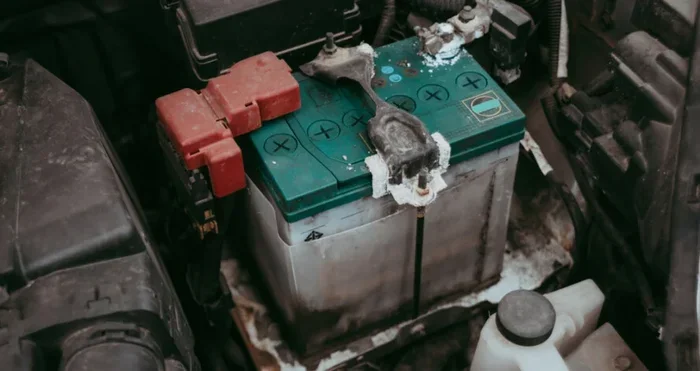
This is one of the easiest problems to overlook. Battery terminals collect white or greenish corrosion over time. This buildup acts like an insulator. It blocks the electrical connection between the battery and the cables.
Loose terminals cause the same problem. If the cable is not tight on the terminal, power cannot flow properly. You might get flickering dashboard lights or nothing at all when you turn the key.
You can fix corroded terminals easily. Mix baking soda with a little water. Use an old toothbrush to scrub the terminals clean. Rinse with a damp cloth and dry thoroughly. Tighten the cable connections securely. This simple fix solves many no-start problems.
Ignition Switch Failure
The ignition switch controls the flow of electricity from the battery to the starter and ignition system. When it fails, the entire starting circuit stays open. You turn the key and nothing happens.
Ignition switch failure can be hard to diagnose because symptoms vary. Sometimes the switch works intermittently. Other times it fails completely. You might notice the dashboard lights flicker when you turn the key. Or the switch feels loose or wobbly in the lock cylinder.
Neutral Safety Switch Problems
The neutral safety switch prevents the car from starting unless the transmission is in Park or Neutral. If this switch fails, the starting circuit stays open no matter where you put the gear selector.
This is a common problem in vehicles with high mileage. The switch wears out or the adjustment shifts over time. You might find that jiggling the gear shifter while turning the key sometimes gets the car to start. This is a telltale sign of a failing neutral safety switch.
Faulty Key Fob or Immobilizer Issue
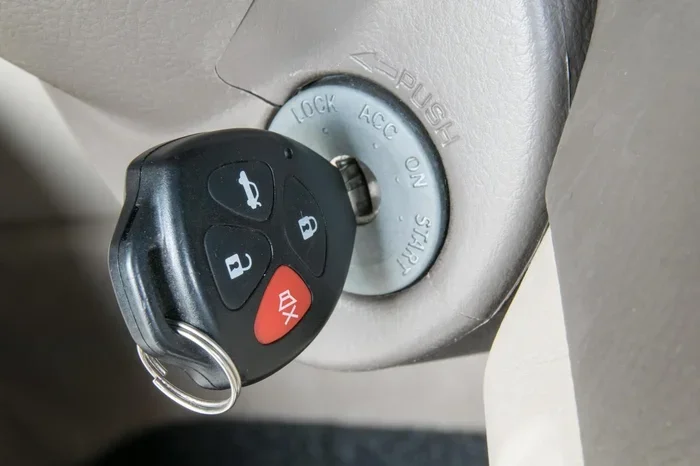
Modern vehicles use key fobs with embedded chips. The immobilizer system verifies the key before allowing the engine to start. If the key fob battery is dead, the car might not recognize the key at all.
In some vehicles, a dead key fob battery results in no response when you press the start button or turn the ignition. The car simply does nothing. Replacing the key fob battery is often the easiest fix for this problem.
How to Diagnose the Problem Step by Step
Diagnosing a no-crank, no-click problem does not have to be complicated. Follow these steps in order to narrow down the cause.
Step 1: Check the Dashboard Lights
Turn the key to the “On” position without starting the engine. Do the dashboard lights come on? If yes, your battery has some charge. If no, the battery is likely dead or the connections are bad.
Step 2: Inspect the Battery Terminals
Look at the battery terminals closely. Do you see white, blue, or green buildup? Are the cables tight? Clean any corrosion and tighten the connections. Try starting the car again.
Step 3: Test the Battery Voltage
Use a multimeter to check the battery voltage. A reading below 12.0 volts means the battery needs charging or replacement. A reading above 12.6 volts means the battery is likely fine and the problem lies elsewhere.
Step 4: Tap the Starter Motor
This is an old mechanic trick. Have someone turn the key while you gently tap the starter motor with a wrench. If the starter engages after tapping, the internal brushes are likely stuck. This means the starter needs replacement.
Step 5: Check the Gear Position
Make sure the gear selector is fully in Park. Try starting the car in Neutral as well. If the car starts in Neutral but not Park, the neutral safety switch is likely the culprit.
Step 6: Inspect the Key Fob Battery
For vehicles with push-button start or smart keys, replace the key fob battery. Use the correct battery type for your vehicle. This is a quick and cheap fix that often solves the problem.
Fixes You Can Do Yourself at Home
Many of the causes behind a silent ignition can be fixed without visiting a mechanic. Here are the most common DIY solutions.
Jump Start the Battery: If the battery is dead, a jump start can get you going temporarily. Use jumper cables and another vehicle. Connect the red cable to the positive terminal first. Connect the other red cable to the good battery’s positive terminal. Connect the black cable to the good battery’s negative terminal. Connect the last black cable to an unpainted metal surface on your car. Start the working vehicle first. Then try starting your car.
Clean Battery Terminals: Mix baking soda with water. Apply the paste to the terminals. Scrub gently with a brush. Rinse and dry. Reconnect the cables tightly. This restores the electrical connection.
Replace the Key Fob Battery: Open the key fob with a small flathead screwdriver. Remove the old battery. Insert a new CR2032 or the correct battery type for your vehicle. Snap the fob back together. This takes less than two minutes.
Bypass the Neutral Safety Switch: If you suspect the neutral safety switch, try starting the car in Neutral. If it starts, the switch needs adjustment or replacement. This is a simple fix for most vehicles.
Check and Replace the Ignition Relay: Locate the fuse box under the hood. Find the ignition relay. Swap it with a relay of the same type. If the car starts, the relay was faulty. Replace it with a new one.
Quick Tips for DIY Repairs
- Always keep jumper cables in your trunk. They can save you in many situations.
- Carry a multimeter. It is the single most useful tool for diagnosing electrical problems.
- Keep a spare key fob battery in your glove box.
- Clean battery terminals every six months to prevent buildup.
- Never force the key into the ignition. This can damage the ignition cylinder.
When to Call a Professional Mechanic
Some problems are beyond DIY repair. Knowing when to call a professional saves you time and prevents costly mistakes.
Call a mechanic if you have tested the battery and it reads above 12.4 volts but the car still does not start. This suggests the problem is in the starter, ignition switch, or wiring. A professional has the tools and expertise to trace electrical issues accurately.
You should also call a mechanic if the starter needs replacement. Removing and installing a starter requires lifting the vehicle and working in tight spaces. If you are not comfortable with this, let a professional handle it.
Ignition switch replacement also requires some electrical knowledge. The switch is often located behind the steering column. Accessing it can be tricky. A mechanic can replace it quickly and correctly.
Common Mistakes to Avoid
- Replacing the battery too quickly: Always test the battery and terminals first.
- Ignoring corroded terminals: Clean terminals can solve many no-start problems.
- Forcing the key: A stuck key can break the ignition cylinder.
- Jump starting a damaged battery: A damaged battery can be dangerous to jump start.
- Skipping the neutral safety switch check: This is a simple test that takes seconds.
Preventing This Problem in the Future
The best way to deal with a no-start problem is to prevent it from happening in the first place. Regular maintenance goes a long way.
Have your battery tested at every oil change. Most auto parts stores offer free battery testing. Replace your battery every three to five years before it fails unexpectedly. Keep the terminals clean and tight. Use a battery terminal protector spray to prevent corrosion.
Replace your key fob battery once a year. Do not wait until it dies unexpectedly. Keep a spare battery in your wallet or glove box at all times.
Listen to your car. If you notice slow cranking, dim dashboard lights, or intermittent starting issues, address them immediately. These are early warning signs of a failing component. Catching problems early prevents being stranded with a car that will not start.
Store your vehicle properly. If you have a car that sits for long periods, use a battery maintainer. This keeps the battery charged and healthy. It also prevents parasitic drains from slowly killing the battery over time.
Understanding the Electrical System in Your Vehicle
Your vehicle’s electrical system is a network of components working together. The battery provides steady power. The alternator charges the battery while the engine runs. The starter motor converts electrical energy into mechanical motion. The ignition switch controls when power flows to the starter.
Understanding this system helps you troubleshoot more effectively. When you know how each part contributes to starting your car, you can isolate the problem faster. You also communicate better with mechanics when you describe what you have already tested.
The ground strap is another important component often overlooked. This cable connects the battery to the chassis. It provides the return path for electrical current. A loose or corroded ground strap can cause all kinds of electrical problems, including a no-start condition.
Take a moment to inspect your ground strap. Look for corrosion, loose connections, or frayed wires. Cleaning and securing the ground strap is a simple fix that can resolve many mysterious electrical issues.
Comparing Common No-Start Causes
| Cause | Symptom | DIY Fix? | Cost to Repair |
|---|---|---|---|
| Dead Battery | No lights, no sound | Yes, jump start | $0-$150 |
| Corroded Terminals | Dim lights, no crank | Yes, clean terminals | $0-$10 |
| Bad Starter Motor | No crank, no click | No, needs replacement | $200-$400 |
| Faulty Ignition Switch | No power to starter | No, professional repair | $100-$250 |
| Neutral Safety Switch | Starts in Neutral only | Yes, adjust or replace | $50-$150 |
| Key Fob Battery Dead | No response at all | Yes, replace battery | $5-$10 |
| Bad Ignition Relay | No power to starter | Yes, swap relay | $10-$30 |
Key Takeaways
- Dead Battery: The number one reason your car won’t start with no click.
- Bad Starter Motor: A failed starter can completely silence your ignition.
- Faulty Ignition Switch: Worn switches prevent power from reaching the starter.
- Corroded Battery Terminals: Dirty connections block electrical flow to the engine.
- Neutral Safety Switch: A failed switch stops the car from starting in certain gears.
- Key Fob Battery: A weak key fob battery can cause a no-start condition in push-button or smart key systems.
- DIY Fixes Exist: Many of these problems can be solved at home with basic tools.
Conclusion
When I turn the key nothing happens no click at all, it is easy to panic. But the truth is that most causes are simple and fixable. A dead battery tops the list. Corroded terminals, a bad starter, and a faulty ignition switch are all common culprits. With the right knowledge and basic tools, you can diagnose and often fix the problem yourself.
Start with the simplest checks first. Test the battery. Clean the terminals. Check the gear position. Replace the key fob battery. These steps solve the majority of no-start problems. If the issue persists, it is time to call a professional mechanic.
Prevention is always better than repair. Regular battery maintenance, clean terminals, and timely component replacements keep your car starting reliably. Stay proactive and you will spend far less time stranded in your driveway.
Remember, every car owner should know the basics of diagnosing a no-start condition. It saves money. It saves time. And it gives you confidence when problems arise. Use this guide as your go-to resource whenever your car refuses to start with no click at all.
Frequently Asked Questions
Why is there no click when I turn the key?
A complete absence of any sound when turning the key usually points to a dead battery, corroded terminals, or a faulty ignition switch. The electrical circuit is not completing, so the starter never receives the signal to engage. Start by checking your battery voltage and cleaning the terminals before moving on to more complex diagnostics.
Can a dead key fob battery cause a no-start condition?
Yes, in vehicles with smart key systems or push-button start, a dead key fob battery can prevent the car from recognizing the key. This results in no response when you turn the ignition or press the start button. Replacing the key fob battery is a quick and inexpensive fix that often resolves the problem immediately.
How do I know if my starter is bad?
Signs of a failing starter include slow cranking, grinding noises, and intermittent starting problems. A completely dead starter gives you no crank and often no click at all. You can try tapping the starter gently with a wrench while someone turns the key. If it engages, the starter brushes are likely stuck and the starter needs replacement.
Is it safe to jump start a car with no click?
Yes, jump starting is safe if you follow the correct procedure. Connect the cables in the right order, positive to positive first, then negative to a ground point on the car. Never connect the negative cable directly to a dead battery terminal, as this can cause sparks near the battery. If jump starting works, the battery was the issue.
How much does it cost to replace a starter motor?
Starter motor replacement typically costs between $200 and $400, including parts and labor. The exact cost depends on your vehicle make and model. Some vehicles have starters that are easy to access, which keeps labor costs lower. Luxury vehicles or trucks with difficult access may cost more to repair.
What should I do if cleaning the terminals does not fix the problem?
If cleaning the terminals does not solve the no-start issue, move on to testing the battery voltage with a multimeter. If the battery is good, check the ignition switch, starter relay, and neutral safety switch. If you are not comfortable with these tests, take your vehicle to a trusted mechanic for a professional diagnosis.