How Do I Turn On the Car With a Key Ultimate Guide
Turning on your car with a key is simple once you understand the basic steps and your vehicle’s ignition system. This guide covers everything from traditional key ignition to modern smart key systems, including common problems and expert tips. Whether you drive a new model or a classic car, you will find clear, practical instructions to get your engine running smoothly every time.
Have you ever stood in front of your car, key in hand, and thought, “How do I turn on the car with a key?” It sounds like a simple question, but there is more to it than just sticking the key in and turning. Modern vehicles have different ignition systems, key types, and safety features that can confuse even experienced drivers. Whether you are a new driver, dealing with an older vehicle, or simply need a refresher, this guide has you covered.
We will walk you through every step, from the basic positions of your ignition switch to troubleshooting common problems. You will learn about different key types, how smart keys and transponder systems work, and what to do when your car refuses to cooperate. By the end, you will feel confident turning on your vehicle every single time.
The process of starting a car with a key may look different depending on your vehicle model and year. Older cars use a simple mechanical ignition cylinder, while newer models may use a push button start with a smart key fob. Understanding these differences is the first step toward mastering your car’s ignition system. Let us dive in and break it all down for you.
Key Takeaways
- Know Your Ignition Positions: Understanding the OFF, ACC, ON/RUN, and START positions is essential for operating your car key correctly.
- Different Keys Work Differently: Traditional keys, transponder keys, and smart key fobs each have unique steps for turning on the engine.
- Common Problems Are Fixable: A dead battery, worn ignition cylinder, or steering wheel lock are frequent culprits that prevent your car from starting.
- Maintenance Matters: Regular care of your ignition switch and key fob battery can prevent most starting issues.
- Safety First: Always press the brake pedal before starting and never leave the key in the START position.
- Know When to Call a Pro: Persistent ignition switch problems or damaged key cylinders need professional diagnosis and repair.
📑 Table of Contents
Understanding Your Car’s Ignition System
Before you learn how do I turn on the car with a key, it helps to understand what happens inside the ignition system. The ignition system is the collection of parts that work together to start your engine. When you turn your key or press a button, a series of electrical and mechanical events kick into motion.
Most cars have an ignition switch with several positions. Each position controls different electrical systems in your vehicle. Knowing what each position does is the foundation of understanding how your car starts.
The Four Ignition Positions
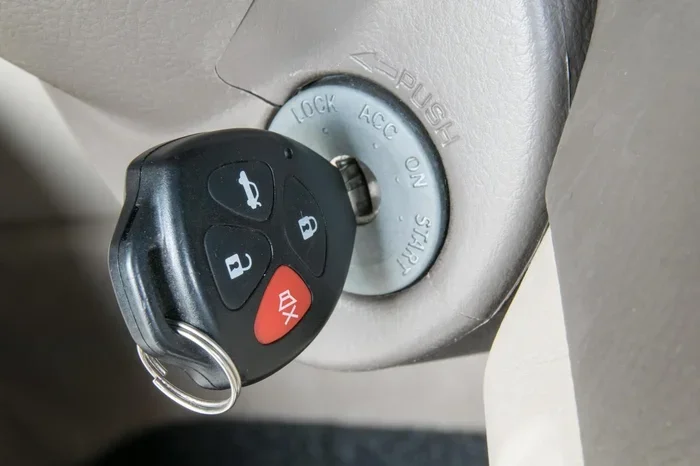
Nearly all cars with a traditional key have four ignition positions. Here is what each one does:
- LOCK (OFF): This is the position where the steering wheel locks and the key can be removed. Your car is completely off in this position.
- ACC (Accessory): In this position, you can use accessories like the radio, power windows, and air conditioning without starting the engine.
- ON/RUN: This position powers all the electrical systems in your car. The dashboard lights up, and the engine control module is active.
- START: This is the position where the starter motor engages and cranks the engine. Once the engine starts, the key springs back to the ON/RUN position.
These positions form the backbone of your car’s ignition switch operation. When you insert your key and turn it, you move through these positions in order. The ignition switch is the electrical connector that controls the flow of power to different systems as you move through each position.
How the Ignition Switch Works
The ignition switch is more than just a simple on-off mechanism. It contains multiple electrical circuits that activate at different positions. When you turn the key to START, the switch closes the circuit that sends power to the starter motor. This motor then turns the engine over, allowing it to draw fuel and air, which creates the combustion needed to start the car.
Inside the ignition switch, you will find contacts that wear down over time. This is one reason why older vehicles sometimes have starting problems. The contacts become corroded or worn, and the electrical connection becomes weak. Regular maintenance of your ignition switch can help prevent these issues from developing into major problems.
Step-by-Step: How to Turn On Your Car With a Key
Now that you understand the basics, let us walk through the exact steps to turn on your car. Whether you drive a sedan, SUV, or truck, the process is very similar for most vehicles with a traditional key ignition.
Step 1: Insert the Key
Locate the ignition cylinder on the steering column. It is usually a small slot where you insert the key. Push the key in gently until it slides all the way in. You should feel it click into place. Do not force the key. If it does not go in easily, check that you are using the correct key for that ignition.
Step 2: Turn the Key to ACC
Turn the key gently to the right until it reaches the first position, which is ACC. You will hear some clicks, and your dashboard accessories may power on. This step is optional but useful if you want to unlock the steering wheel or turn on the radio before starting the engine.
Step 3: Turn the Key to ON/RUN
Continue turning the key to the ON/RUN position. The dashboard warning lights should illuminate briefly. This is normal. These lights are performing a quick self-check of your vehicle’s systems. If any warning light stays on, it may indicate a problem you should investigate.
Step 4: Turn the Key to START
Now, turn the key all the way to the START position. You will feel the key engage, and you may hear a clicking or cranking sound. This is the starter motor working. Hold the key in this position for no more than five to ten seconds. If the engine does not start, release the key and wait a few seconds before trying again.
Important: Never hold the key in the START position for too long. Doing so can overheat the starter motor and cause damage. If the engine does not start after two or three attempts, it is time to troubleshoot the problem.
Step 5: Release the Key
Once the engine starts, release the key. It will spring back to the ON/RUN position automatically. Your engine is now running, and you are ready to drive. Always make sure the key is in the ON/RUN position while driving, not in START or ACC.
Different Types of Car Keys and How They Work
Not all car keys are the same. Over the years, automakers have introduced several different key types, each with its own way of turning on the engine. Understanding which type of key you have is important because the starting process varies slightly for each one.
Traditional Metal Keys
Traditional metal keys are the simplest type of car key. They have a unique cut pattern on the blade that matches the ignition cylinder. You insert the key into the ignition switch and turn it manually. These keys do not have any electronic components, so there is no transponder or chip involved. They are commonly found in older vehicles and some basic models.
If you have a traditional metal key, the starting process is exactly as described in the step-by-step section above. These keys are reliable and easy to replace, but they offer the least security compared to modern key types.
Transponder Keys
Transponder keys have a small chip embedded in the key head. This chip communicates with your car’s anti-theft system. When you insert the key and turn it, the ignition system sends a signal to the chip. If the chip responds with the correct code, the engine is allowed to start. If the code does not match, the car will not start.
Transponder keys add an extra layer of security. However, they can also cause problems if the chip is damaged or the key battery is dead. If your car has a transponder key and it will not start, the first thing to check is whether the key battery needs replacement.
Smart Key Fobs and Push Button Start
Many modern vehicles use a smart key fob instead of a traditional key. The fob communicates wirelessly with the car. To start the engine, you press a button on the dashboard or center console. You do not even need to insert the fob into the ignition.
However, the fob still has a key inside it that you can use in an emergency. If the fob battery dies, you can use the hidden mechanical key to access the car and start the engine. Most smart key systems require you to place the fob within a certain range of the car for the push button start to work.
Remote Start Keys
Some vehicles come with remote start capability. This allows you to start the engine from outside the car using a remote control. The remote sends a signal to the car’s ignition system, which starts the engine without you being inside. Remote start systems are convenient in extreme weather conditions.
To use a remote start system, you typically press a button on the key fob. The engine will start and run for a preset amount of time. You must then enter the vehicle and insert the key or press the start button to drive. This feature is common in newer trucks and SUVs.
Common Problems When Your Car Won’t Start With a Key
Sometimes, even when you follow all the steps correctly, your car just will not start. This can be frustrating, but most starting problems have simple causes. Here are the most common reasons your car key might not turn the engine over.
Dead Battery
A dead battery is the number one reason cars fail to start. Without enough electrical power, the starter motor cannot engage, and the engine will not crank. If you hear a clicking sound but the engine does not turn over, the battery is likely the culprit.
You can check the battery voltage with a multimeter. A healthy car battery should read around 12.6 volts when the engine is off. If the voltage is below 12 volts, you may need to jump-start the car or replace the battery. Keeping jumper cables in your trunk is always a smart idea.
Worn Ignition Cylinder
The ignition cylinder is the mechanism inside the steering column that the key interacts with. Over time, the internal pins and springs wear down, making it hard to turn the key. You may feel the key sticking or slipping when you try to turn it to the START position.
A worn ignition cylinder often needs to be replaced by a professional mechanic. Attempting to force the key can break it inside the cylinder, which makes the problem much worse. If you notice increasing difficulty turning the key, have the ignition cylinder inspected sooner rather than later.
Steering Wheel Lock
Many cars have a steering wheel lock that engages when you turn off the engine and remove the key. This is an anti-theft feature. Sometimes, the steering wheel locks in a position that puts pressure on the ignition lock cylinder, making it impossible to turn the key.
The fix is simple. Gently wiggle the steering wheel left and right while trying to turn the key. The wheel will unlock, and the key will turn freely. This is a very common issue, especially after parking the car and turning the steering wheel while the engine is off.
Faulty Starter Motor
The starter motor is the electric motor that cranks the engine when you turn the key to START. If the starter motor is faulty, you may hear a grinding noise or nothing at all when you turn the key. A bad starter motor needs to be replaced, which is a job best left to a qualified mechanic.
Starter motors can fail due to wear and tear, electrical issues, or overheating. If your car has high mileage, the starter motor may simply be reaching the end of its lifespan. Regular inspections can help catch starter problems early.
Key Fob Battery Issues
If you drive a vehicle with a smart key system, a dead key fob battery can prevent you from starting the car. Most key fobs use a small coin-cell battery that lasts one to two years. When the battery dies, the fob cannot communicate with the car’s ignition system.
Replacing the key fob battery is usually easy. Open the fob casing, remove the old battery, and insert a new one of the same type. Check your owner’s manual for the correct battery model. Keeping a spare battery in your glove box is a great preventive measure.
Anti-Theft System Activation
Modern cars have sophisticated anti-theft systems that can prevent the engine from starting if they detect unauthorized access. Sometimes, these systems activate accidentally, especially after a battery disconnect or a recent key replacement. If your anti-theft light is flashing on the dashboard, the system may be blocking the engine start.
To reset the anti-theft system, try turning the key to the ON/RUN position and waiting for ten to fifteen minutes. The security light should stop flashing, and the system will reset. If this does not work, consult your owner’s manual or a professional mechanic.
Tips for Maintaining Your Ignition System
Prevention is always better than cure, and the same applies to your car’s ignition system. A little regular maintenance can save you from unexpected starting problems and costly repairs. Here are some practical tips to keep your ignition system in top shape.
- Use the Correct Key: Always use the key that came with your vehicle. Duplicate keys that are not cut properly can damage the ignition cylinder over time.
- Keep the Key Clean: Dirt and debris can accumulate in the key’s grooves and the ignition cylinder. Wipe your key regularly and avoid forcing it into the ignition.
- Replace Key Fob Batteries on Schedule: Do not wait until the fob stops working to replace the battery. Change it every twelve to eighteen months as a preventive measure.
- Avoid Turning the Key Too Hard: Apply gentle, steady pressure when turning the key. Forcing it can damage the ignition switch and the internal contacts.
- Check the Battery Regularly: A weak battery puts extra strain on the starter motor and ignition system. Have your battery tested at least once a year.
- Lubricate the Ignition Cylinder: A small amount of graphite lubricant can keep the ignition cylinder operating smoothly. Avoid using oil-based lubricants, as they can attract dust and cause buildup.
Following these simple maintenance tips can extend the life of your ignition system and reduce the chances of being stranded with a car that will not start. It takes only a few minutes but pays off in reliability and peace of mind.
When to Seek Professional Help
Most starting problems can be resolved with basic troubleshooting. However, some issues require the expertise of a professional mechanic. Knowing when to seek help can save you time, money, and frustration.
If you have tried all the troubleshooting steps and your car still will not start, it is time to call in the experts. Persistent ignition switch problems, a broken key stuck in the cylinder, or repeated electrical failures are signs that something deeper is going on. A professional mechanic can diagnose the root cause and recommend the right repair.
Also, if you have recently had a key replacement or a new transponder key programmed, and the car still does not start, the key may not be properly programmed. This requires specialized equipment and knowledge that most professional locksmiths and dealerships can provide.
Do not ignore warning signs like grinding noises, intermittent starting problems, or a key that feels loose in the ignition. These symptoms often indicate a problem that will get worse over time. Addressing them early can prevent more expensive repairs down the road.
Conclusion
Knowing how do I turn on the car with a key is a fundamental skill every driver should have. From understanding the four ignition positions to troubleshooting common starting problems, this guide has covered everything you need to know. Whether you drive a vehicle with a traditional metal key, a transponder key, or a modern smart key fob, the basic principles remain the same.
Remember to always use the correct key, maintain your ignition system regularly, and address any starting problems promptly. A well-maintained ignition system ensures your car starts reliably every time, which gives you confidence and peace of mind on the road. Keep this guide handy for reference, and you will never have to wonder about starting your car again.
With the right knowledge and a little preventive care, turning on your car with a key becomes second nature. Drive safely, stay prepared, and enjoy the confidence that comes with understanding your vehicle inside and out.
Frequently Asked Questions
Can a worn key prevent my car from starting?
Yes, a worn or damaged key can absolutely prevent your car from starting. The key’s grooves need to match the ignition cylinder precisely. Over time, keys can wear down or bend, making it difficult to turn the ignition switch. If your key feels loose or does not turn smoothly, consider getting a duplicate key cut or replacing the key entirely.
How do I know if my ignition switch is bad?
Signs of a bad ignition switch include difficulty turning the key, the engine stalling unexpectedly, dashboard lights flickering, or the car not starting at all. You may also notice that the key feels stuck or does not spring back to the ON/RUN position. If you experience any of these symptoms, have a mechanic inspect your ignition switch as soon as possible.
What should I do if my key breaks off in the ignition?
If your key breaks off in the ignition, do not panic. Do not attempt to pull the broken piece out with tweezers or any sharp tool, as this can push it deeper into the cylinder. Instead, contact a professional locksmith or mechanic who has the proper tools to extract the broken key and replace the ignition cylinder if needed.
How long does a car key battery last?
A car key fob battery typically lasts between one and two years, depending on usage and the type of battery. If you notice that your smart key is not working consistently or you need to press the button multiple times, it is likely time to replace the battery. Keeping a spare battery in your glove box is a smart habit.
Is it safe to turn the key to START and hold it there?
No, it is not safe to hold the key in the START position for more than five to ten seconds. Doing so can overheat the starter motor and cause damage to the engine’s flywheel or the ignition switch. Release the key as soon as the engine starts and let it spring back to the ON/RUN position.
Can cold weather affect my car key’s ability to start the engine?
Yes, cold weather can affect your car’s ability to start, especially if the battery is weak or the key fob battery is low. Cold temperatures reduce battery efficiency, which can make it harder for the starter motor to crank the engine. Keeping your battery maintained and replacing key fob batteries on schedule can help prevent cold-weather starting issues.